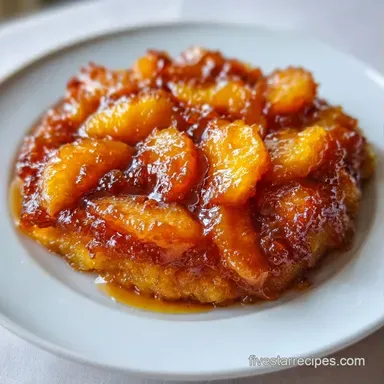
Southern Peach Cobbler: Jammy and Golden
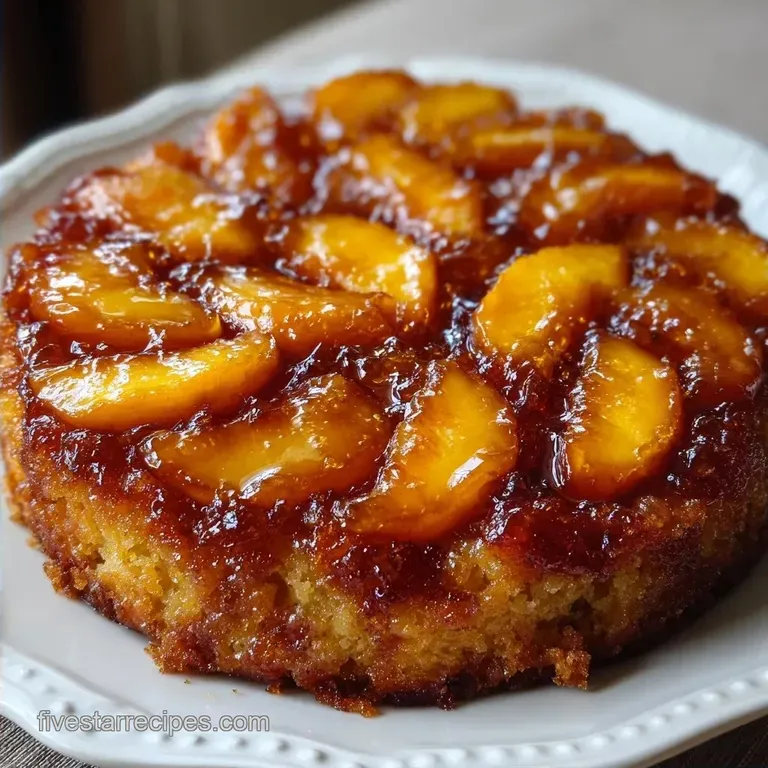
- Time: 20 min active + 45 min baking
- Flavor/Texture Hook: Deep mahogany crust with a velvety, jammy peach center
- Perfect for: Sunday family dinners or a cozy night in
Ever wonder why some peach cobblers feel like a heavy cake, while others have that specific, flaky yet-tender crust that almost shatters when you hit it with a spoon? It's all about the fat distribution. Most people just mix everything together, but the real secret is keeping the butter cold and the mixing minimal.
I remember the first time I tried this. I overmixed the dough, thinking I was being helpful, and ended up with a topping that felt like a dense biscuit. It wasn't bad, but it lacked that airy, lift off-the plate quality.
Once I started treating the dough like a pastry and the peaches like a preserve, everything changed.
You can expect a dish that balances the tartness of lemon with the deep, caramelized notes of brown sugar. This Southern Peach Cobbler isn't about being fancy, it's about precision. We're aiming for a filling that's bubbling and thick, topped with golden mounds of dough that soak up the syrup from the bottom.
The Best Southern Peach Cobbler
To get this right, you have to understand that you're making two different things in one pan. The bottom is essentially a quick fruit preserve, and the top is a chemically leavened biscuit.
When they meet in the oven, the sugar from the peaches caramelizes against the cast iron, creating a dark, rich edge that is easily the best part of the dish.
This recipe doesn't rely on luck. By using a 12 inch skillet and a specific temperature, we ensure the heat penetrates the fruit quickly enough to thicken the sauce without burning the topping. It's a balance of moisture and heat that results in that signature "cobbled" look.
Why This Texture Works
The magic here isn't a mystery, it's basic reaction. Here is why this specific method delivers a five star result:
- Steam Leavening: Cold butter cubes don't melt immediately. When they hit the 190°C oven, they flash evaporate, creating tiny air pockets that make the crust flaky.
- Pectin Binding: Peaches contain pectin. Adding cornstarch and lemon juice helps this pectin network form a thick, glossy gel instead of a watery soup.
- Acid Activation: The lactic acid in buttermilk reacts with the baking powder. This creates an immediate lift, ensuring the dough doesn't sit heavy on the fruit.
- Sugar Osmosis: Letting the peaches sit with sugar for 10 minutes draws out the water. This prevents the filling from boiling over and keeps the crust from getting soggy.
| Method | Time | Texture | Best For |
|---|---|---|---|
| Fresh Peaches | 85 mins | Firm, bright, natural | Peak summer harvests |
| Canned Peaches | 70 mins | Softer, syrupy, consistent | Winter cravings |
| Frozen Peaches | 90 mins | Jammy, dense, sweet | Year round convenience |
Ingredient Component Analysis
Knowing your ingredients helps you avoid the "gummy" trap. According to King Arthur Baking, the protein content in your flour affects how much the dough spreads, which is why all purpose is the standard here.
| Ingredient | Science Role | Pro Secret |
|---|---|---|
| Cold Butter | Structure | Keep it in the fridge until the exact second you need it |
| Buttermilk | Tenderizer | The acidity breaks down gluten for a softer bite |
| Cornstarch | Thickener | Toss thoroughly to avoid white clumps in the sauce |
| Brown Sugar | Flavor/Color | Provides the molasses notes that white sugar lacks |
Essential Kitchen Gear
You don't need a professional lab, but a few specific tools make this foolproof. A 12 inch cast iron skillet is non negotiable for me because it holds heat evenly and creates those caramelized edges. If you don't have one, a heavy baking dish works, but you'll miss out on that specific crust.
I also highly recommend a pastry cutter. If you don't have one, two forks pushed together do the trick. The goal is to "cut" the butter into the flour, not mash it. You want pea sized lumps of butter left in the dough. If the butter is fully incorporated, you're making a cake, not a cobbler.
The Baking Process
Let's get into the actual steps. Precision here prevents the dreaded "soggy bottom" syndrome.
Phase 1: Preparing the Spiced Peaches
- Preheat your oven to 375°F (190°C). Note: Ensure the rack is in the center for even heat.
- In a large bowl, toss the sliced peaches (900g) with brown sugar (100g), lemon juice (15ml), cinnamon (2g), salt (1.5g), and cornstarch (15g).
- Let the peach mixture sit for 10 minutes until the sugar dissolves and a syrup forms.
- Pour the fruit into a 12 inch cast iron skillet, spreading them evenly.
Phase 2: Crafting the Shattering Crust
- Whisk together the flour (250g), baking powder (16g), and salt (3g) in a mixing bowl.
- Cut in the cold, cubed butter (115g) using a pastry cutter until the mixture looks like coarse crumbs with pea sized lumps.
- Stir in the buttermilk (240ml) and honey (30ml) until just combined. Note: Stop stirring the moment the flour disappears; overmixing creates a tough crust.
- Dollop the dough over the peaches in rough mounds, leaving small gaps for the fruit juices to bubble through.
Phase 3: Baking to Golden Perfection
- Place the skillet in the center rack and bake for 40–45 minutes until the topping is deep mahogany gold and the filling is bubbling.
- Let the cobbler rest for 10 minutes until the sauce thickens and sets.
Solving Common Problems
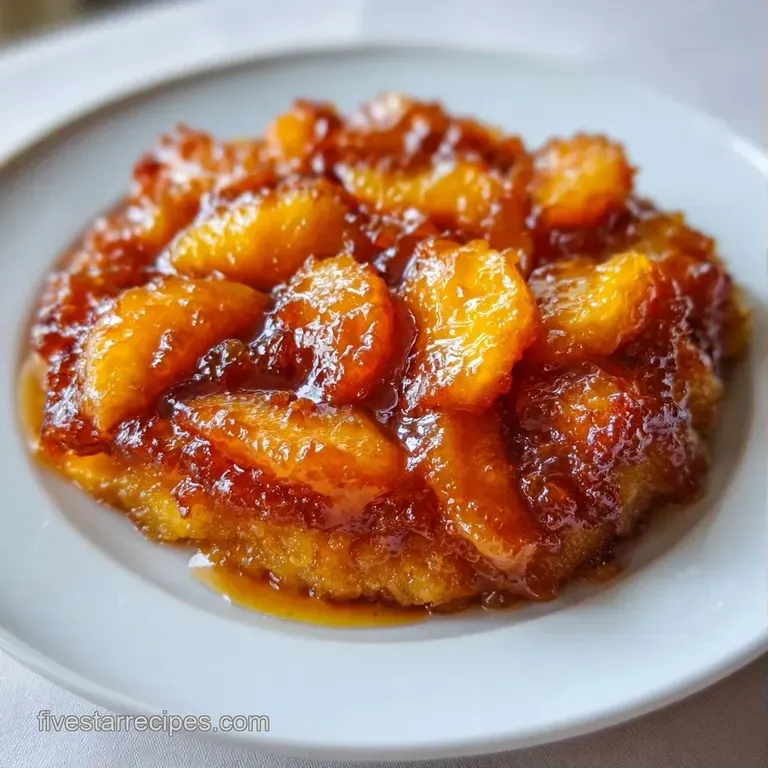
Even with a precise plan, things happen. Usually, it comes down to temperature or mixing.
Troubleshooting Common Issues
| Issue | Solution |
|---|---|
| Why Your Topping Turned Out Gummy | This happens when too much gluten develops. If you stir the buttermilk into the flour until it's a smooth paste, you've overworked it. The dough should be slightly lumpy. |
| Why Your Filling is Too Watery | This is often caused by skipping the 10 minute resting period or using overly ripe peaches without extra cornstarch. According to USDA FoodData for a party, but for a sit down meal, this cobbler is the winner. |
Decision Shortcut:
- If you want a cakier topping → Use a spoon to spread the dough more evenly.
- If you want more syrup → Use canned peaches and keep a bit of the juice.
- If you want a tangier taste → Increase lemon juice to 2 tablespoons.
| Original Ingredient | Substitute | Why It Works |
|---|---|---|
| Buttermilk (240ml) | Milk + 1 tbsp Vinegar | Mimics the acidity and curdling of buttermilk |
| Brown Sugar (100g) | Coconut Sugar | Similar caramel notes. Note: Slightly grainier texture |
| All Purpose Flour | White Whole Wheat | Adds nuttiness. Note: Use 10% more buttermilk for hydration |
Adjusting the Batch Size
Scaling a dessert like this requires a bit of math to keep the ratios correct.
Scaling Down (Half Batch): Use a 8 inch skillet. Reduce the baking time by about 20% (check at 30 minutes). Since you can't easily half an egg (though this recipe doesn't use them), the buttermilk scaling is straightforward.
Scaling Up (Double Batch): Do not double the depth in one pan, or the middle will stay raw. Use two 12 inch skillets. Increase salt and cinnamon to 1.5x rather than 2x to avoid an overpowering taste.
Lower the oven temp to 175°C and extend the time by 10-15 minutes to ensure the centers are cooked.
Truth About Cobbler Myths
There's a lot of noise about how to make this dish. Let's clear a few things up.
Myth: You must peel the peaches. Truth: You don't have to. If the skins are thin, they add a lovely color and extra fiber. I peel them for a velvety texture, but it's a preference, not a rule.
Myth: The topping should be a smooth batter. Truth: Absolutely not. A smooth batter creates a cake. A lumpy, "cut in" dough creates the classic Southern cobbler texture.
Storage and Reheating
This dish is best fresh, but leftovers are a goldmine.
Fridge: Store in an airtight container for up to 4 days. The crust will soften as it absorbs more syrup, which some people actually prefer.
Freezer: You can freeze the baked cobbler for up to 2 months. Wrap it tightly in foil and plastic wrap. To reheat, thaw in the fridge overnight, then pop it in a 175°C oven for 15 minutes to crisp the top.
Zero Waste Tip: If you have leftover peach skins or bruised fruit, simmer them with a bit of water and sugar to make a simple peach syrup for pancakes or yogurt.
Serving and Pairing
The classic way to serve Southern Peach Cobbler is with a massive scoop of vanilla bean ice cream. The cold cream melting into the hot, mahogany crust is the whole point of the exercise.
If you're planning a full Southern style feast, this pairs beautifully after a meal of Chicken and Dumplings. The acidity of the peaches cleanses the palate after the richness of the dumplings.
For a more adult twist, serve it with a drizzle of heavy cream infused with a pinch of cinnamon or a splash of bourbon. Just make sure you don't skip that 10 minute rest period if you scoop it too early, the sauce will be runny instead of velvety.
Recipe FAQs
What is the difference between northern and southern peach cobbler?
Southern versions typically feature a biscuit like topping rather than a cake like batter or pie crust. This results in a heartier, more textured crust that balances the sweet syrup.
Can dogs eat peaches?
Yes, but only the flesh. Ensure the pit is removed, as it contains cyanide and is a choking hazard.
What are some common mistakes to avoid when making peach cobbler?
Avoid overmixing the dough. Stirring until smooth develops too much gluten, leading to a gummy topping. If you enjoyed mastering the dough texture here, see how we achieve a similarly velvety consistency in our Turkey Sweet Potato Chili.
What are the ingredients in Southern peach cobbler?
The filling uses fresh peaches, brown sugar, lemon juice, cinnamon, salt, and cornstarch. The topping consists of all-purpose flour, baking powder, salt, cold unsalted butter, buttermilk, and honey.
What is the best way to make a peach cobbler?
Toss sliced peaches with sugar and cornstarch, then bake at 375°F (190°C) for 40 45 minutes. Top the fruit with a buttermilk butter dough and let it rest for 10 minutes before serving.
Is it true that using Bisquick is the best way to make cobbler?
No, this is a common misconception. A homemade mixture of flour, baking powder, and cold butter creates a superior, flaky biscuit texture that pre-made mixes cannot replicate.
How to make an easy peach cobbler?
Combine peaches with sugar and spices, then dollop a buttermilk dough on top. Bake at 375°F (190°C) for 40-45 minutes until the topping is deep mahogany gold.
Southern Peach Cobbler