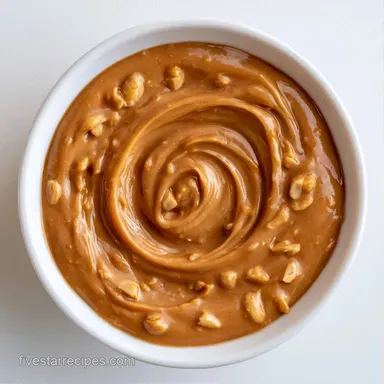
Spicy Peanut Sauce Recipe in 5 Minutes
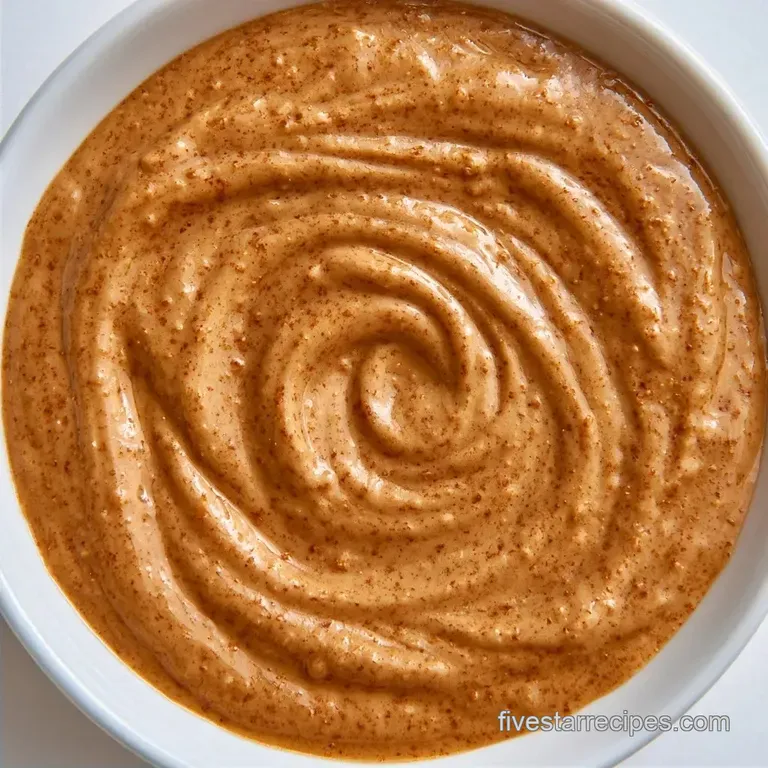
- Time: 5 min active
- Flavor/Texture Hook: Bold, nutty, and zesty
- Perfect for: Quick starters or meal prep
The smell of toasted sesame oil and fresh lime hitting a bowl of creamy peanut butter is a total trigger for me. It immediately brings back memories of the street markets in Bangkok, where Nam Jim Satay is practically a way of life.
In Thailand, this kind of sauce isn't just a condiment, it's the heart of the meal, meant to provide a sharp, punchy contrast to grilled meats and crisp vegetables.
I used to think you had to simmer these sauces for hours to get the flavors to meld. I was wrong. The real magic happens when you use warm water to loosen the peanut butter, which lets the aromatics like ginger and garlic bloom without needing a stove.
You can expect a sauce that's thick enough to cling to a spring roll but smooth enough to drizzle over noodles. This Spicy Peanut Sauce Recipe is all about those bold, international flavors that make a simple appetizer feel like a stunning event.
Spicy Peanut Sauce Recipe
The first thing you'll notice is the scent. As soon as the grated ginger and minced garlic hit the peanut butter, the aroma turns sharp and pungent. Then comes the zesty pop of lime juice, which transforms the heavy nuttiness into something bright and exciting.
This isn't a delicate sauce. It's a bold, punchy accompaniment that works just as well on a platter of raw carrots as it does on a plate of spicy chicken wings. It’s the kind of sauce that makes people stop talking and just keep dipping.
Right then, let's look at why this version actually works without needing any heat.
Texture and Flavor Balance
The key here is the interaction between the fats and the acids. Because peanut butter is so dense, it needs high contrast ingredients to keep it from feeling cloying on the tongue.
Warm Water: Using warm instead of cold water helps the peanut butter relax, allowing it to incorporate the other liquids without clumping. Acidic Lift: The combination of rice vinegar and lime juice breaks down the richness of the oils.
If you're undecided on the final vibe, here's a quick way to decide: If you want a dip, use less water for a thick paste. If you want a dressing, add an extra tablespoon of water. If you want more heat, double the Sriracha.
| Method | Time | Texture | Best For |
|---|---|---|---|
| No Heat | 5 min | Creamy & Fresh | Fresh spring rolls |
| Stovetop | 10 min | Thick & Intense | Satay skewers |
The Ingredient Breakdown
Getting the proportions right is everything. You don't want the soy sauce to overpower the peanut, nor do you want the maple syrup to make it taste like a dessert.
| Ingredient | What It Does | Best Swap |
|---|---|---|
| Peanut Butter | Provides the creamy, fatty base | Almond butter (nuttier, less sweet) |
| Soy Sauce | Adds salt and umami depth | Tamari (for gluten-free) |
| Lime Juice | Cuts through the fat with acidity | Lemon juice (slightly less floral) |
| Sriracha | Adds a vinegary, garlic led heat | Chili garlic sauce (more texture) |
The Recipe Specs
Grab your ingredients. I recommend getting everything measured out first since this comes together so fast.
- 1/2 cup (125g) creamy unsalted peanut butter Why this? Unsalted lets you control the sodium level.
- 2 tbsp (30ml) warm water Why this? Helps the emulsion stay smooth.
- 1 tbsp (15ml) toasted sesame oil Why this? Adds a deep, roasted aroma.
- 3 tbsp (45ml) soy sauce Why this? The primary salt source.
- 1 tbsp (15ml) fresh lime juice Why this? Fresh is non negotiable for the zest.
- 1 tbsp (15ml) rice vinegar Why this? Adds a different, softer acidity.
- 2 tbsp (30ml) maple syrup Why this? Balances the heat and salt.
- 1 tbsp (15g) Sriracha Why this? For that classic, tangy kick.
- 1 tsp (5g) freshly grated ginger Why this? Adds a spicy, floral note.
- 1 clove (3g) garlic, minced fine Why this? Essential savory base.
Essential Kitchen Tools
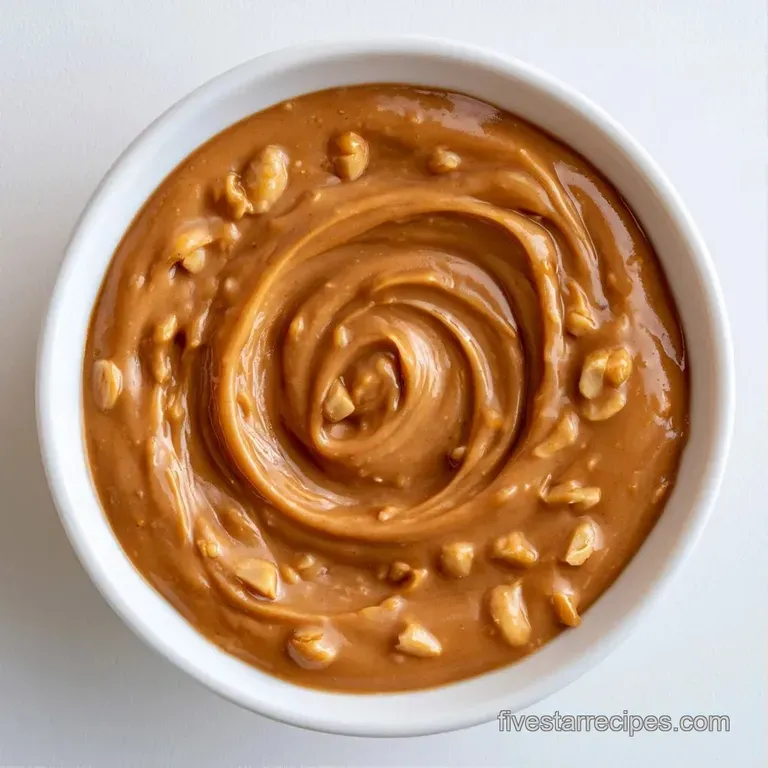
You don't need a fancy blender for this. A simple mixing bowl and a whisk are your best friends here. If you have a small balloon whisk, it'll help you get those air bubbles in and make the sauce smoother.
I also suggest a microplane for the ginger. Grating it into a pulp ensures you don't end up with woody chunks in your sauce, which can be a real mood killer when you're dipping.
Making the Sauce
Let's crack on with the assembly. Pay attention to the smell at each stage, as it tells you when the flavors are melding.
- Grate the ginger and mince the garlic. Whisk them together until they form a near paste. Note: This prevents garlic clumps.
- Combine the peanut butter, soy sauce, maple syrup, lime juice, and rice vinegar in a bowl.
- Whisk vigorously until the mixture looks like a smooth, thick paste.
- Stir in the sesame oil, Sriracha, ginger, and garlic.
- Add the warm water one tablespoon at a time.
- Whisk constantly until the sauce reaches a velvety, ribbon like consistency.
- Taste for salt. If it's too sharp, add a tiny drop more maple syrup.
- Let it sit for 2 minutes to allow the ginger to infuse.
Solving Common Issues
Even a simple Spicy Peanut Sauce Recipe can go sideways if your ingredients are too cold or your ratios are off. Most of the time, it's just an emulsion issue.
Resolving Thick Sauce
If the sauce feels more like a frosting than a dip, you likely didn't add enough water or your peanut butter is particularly thick. Don't dump in water all at once or you'll break the sauce. Add it by the teaspoon and whisk.
Taming Too Much Heat
Sriracha varies by brand. If the heat is drowning out the peanut flavor, you need a fat or a sugar to neutralize it. A tiny bit more peanut butter or a pinch of brown sugar usually does the trick.
Fixing Sauce Separation
This happens if the oil separates from the water based liquids. Usually, a quick, aggressive whisking session fixes this. If it's really stubborn, a teaspoon of warm water and a fast whisk will bring it back together.
| Problem | Root Cause | Solution |
|---|---|---|
| Sauce is grainy | Cold peanut butter | Whisk in warm water slowly |
| Tastes too salty | Too much soy sauce | Add more lime juice or maple syrup |
| Too runny | Too much water | Whisk in 1 tbsp more peanut butter |
Easy Ingredient Swaps
If you're looking to change the profile, you can easily pivot this. For a nut free version, sunflower seed butter works surprisingly well, though it has a slightly more earthy taste.
If you want something truly bold, try dipping some homemade garlic naan into it instead of the usual veggies. The charred bread and the creamy sauce are a match made in heaven.
Adjusting the Batch Size:Scaling Down (1/2): Use a smaller bowl to ensure you can whisk effectively. Reduce the garlic to half a clove. Scaling Up (2x-4x): Don't just multiply the Sriracha and salt by 4. Start at 3x and taste.
Liquids can be multiplied fully, but the pungent aromatics can become overwhelming.
Storage and Scraps
Store this in an airtight jar in the fridge for up to 1 week. Because of the high oil content, it will thicken significantly as it chills. When you're ready to use it again, just stir in a teaspoon of warm water to loosen it back up.
To avoid waste, don't throw away the leftover bits of ginger root. I freeze my ginger scraps in a small bag and toss them into my morning tea or a pot of simmering stock for a hint of warmth. Also, if you have a nearly empty peanut butter jar, use it to mix the sauce right in the container to save on cleanup.
Best Pairing Ideas
This sauce is a powerhouse for appetizers. It's brilliant on fresh spring rolls filled with shrimp and mint, or as a glaze for grilled chicken skewers.
If you're serving a huge spread with other rich options like a savory meat sauce, keep the sauce serving size small to avoid palate fatigue. The boldness of this Spicy Peanut Sauce Recipe can easily hijack a meal if you overdo it.
- Crunchy
- Sliced cucumbers, red bell peppers, or jicama.
- Warm
- Crispy tofu cubes or grilled pork belly.
- Hearty
- Cold soba noodles or shredded cabbage slaw.
Common Sauce Misconceptions
You might hear that you have to cook peanut sauce to "wake up" the flavors. That's not true. As long as you use fresh ginger and garlic, the raw flavors are actually brighter and more exciting.
Another myth is that you need a food processor for a smooth texture. If you use creamy peanut butter and whisk in warm water, you'll get a perfectly smooth result without the noise of a machine.
Recipe FAQs
What is the best sauce for spring rolls?
This spicy peanut sauce is a top recommendation. The balance of savory peanut butter and zesty lime creates a perfect contrast to the fresh vegetables in spring rolls.
What is the best sauce for egg rolls?
Peanut sauce is an excellent choice for those who prefer a creamy, bold flavor. While sweet and sour is traditional, this recipe adds a rich depth that complements fried wrappers.
How to thin the sauce if it's too thick?
Whisk in warm water one tablespoon at a time. Gradually add water until the mixture reaches a velvety, ribbon like consistency.
How to store leftover peanut sauce?
Keep it in an airtight jar in the fridge for up to one week. Because it thickens when chilled, simply stir in a teaspoon of warm water to loosen it before serving.
Is it true that peanut sauce must be cooked on a stove?
No, this is a common misconception. This recipe achieves a smooth emulsion using warm water and vigorous whisking without any heat.
How to get a smooth consistency?
Whisk the peanut butter, soy sauce, maple syrup, lime juice, and rice vinegar vigorously. Ensuring these ingredients emulsify into a smooth paste first prevents clumps in the final sauce.
What are some great side dishes for spring rolls?
Fresh slaw or sautéed greens pair beautifully. For a more substantial meal, serve your rolls alongside a Thai noodle bowl.
Spicy Peanut Sauce Recipe