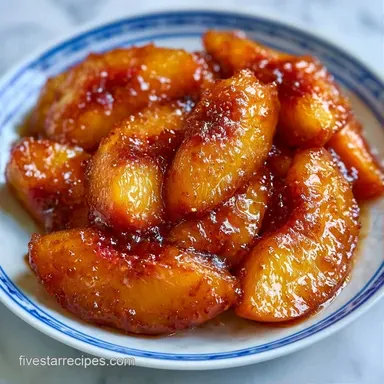
Soft Stewed Peaches with Maple Syrup
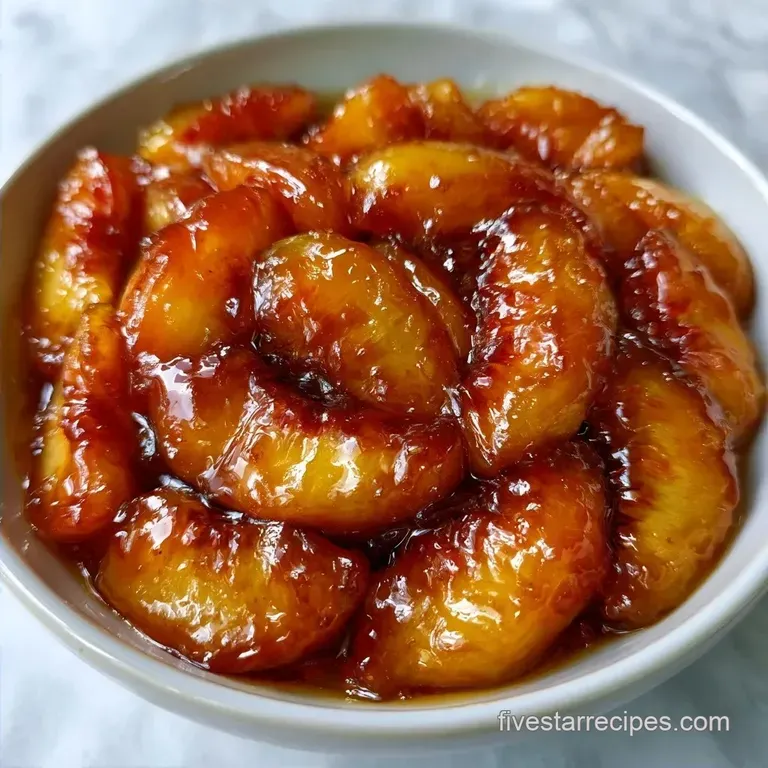
- Time: 5 min active + 15 min cooking
- Flavor/Texture Hook: Warm, spiced fruit in a rich, amber syrup
- Perfect for: Quick breakfast toppings or a light summer dessert
The smell of simmering fruit always takes me back to my grandmother's house during August. In those old country kitchens, stewing fruit wasn't just about flavor, it was a cultural tradition used to stretch the harvest.
They'd take the ripest peaches and gently poach them with whatever sugar was on hand, creating a warm treat that tasted like concentrated sunshine.
I remember watching her stir the pot, waiting for that exact moment when the fruit looked translucent but didn't fall apart. It's a simple process, but the difference between a gourmet topping and a bowl of mush is just a few minutes of heat.
This version of Soft Stewed Peaches brings that same comforting, rustic feel to a modern kitchen.
You can expect a dish that is tender, fragrant, and not overly sweet. We're aiming for fruit that holds its shape but gives way instantly when you bite into it.
Soft Stewed Peaches
The trick to these Soft Stewed Peaches is managing the heat so the sugars don't burn before the fruit softens. If you've ever had peaches that turned into a grainy paste, it's usually because the temperature was too high or the fruit was over stirred.
Pectin Breakdown: Gentle heat softens the cell walls of the fruit. This releases natural pectin, which thickens the surrounding liquid into a syrup.
Osmotic Balance: The maple syrup draws moisture out of the peaches. This concentrates the fruit's flavor while creating a glossy glaze.
Acid Control: Lemon juice prevents the fruit from tasting flat. It balances the sugar and keeps the color from turning a muddy brown.
If you prefer a drier, caramelized finish, you might like my Roasted Peaches instead.
| Fruit Source | Cooking Time | Texture | Best For |
|---|---|---|---|
| Fresh Peaches | 15 minutes | Tender with bite | Gourmet desserts |
| Canned Peaches | 8 minutes | Very soft | Quick breakfasts |
What Every Ingredient Does
Getting the balance right is what makes this recipe work. We aren't just boiling fruit; we're creating a syrup that clings to every slice.
| Ingredient | What It Does | Best Swap |
|---|---|---|
| Unsalted Butter | Adds richness and prevents sticking | Coconut oil (adds nuttiness) |
| Maple Syrup | Provides a deep, earthy sweetness | Honey (thicker, floral notes) |
| Lemon Juice | Brightens flavor and stabilizes color | Apple cider vinegar (tangier) |
| Cinnamon/Ginger | Adds warmth and aromatic depth | Nutmeg (more pungent) |
The Right Kitchen Tools
You don't need much for this, but the pan choice matters. A wide, non stick skillet is your best bet here. It provides more surface area for the syrup to reduce and prevents the butter from scorching. A deep pot often traps too much steam, which can lead to the peaches boiling rather than glazing.
I also recommend a silicone spatula. It's gentle on the fruit, allowing you to fold the peaches in the syrup without breaking the edges. A metal spoon can easily tear the softened wedges.
Clear Cooking Steps
Right then, let's get these on the stove. Keep your heat steady and follow the cues.
- Slice the peaches into uniform wedges. Note: 1/2 inch thickness ensures they all soften at the same rate.
- Melt 1 tbsp butter over medium heat in a large non stick skillet.
- Add the peach slices in a single layer. Cook for 3-5 minutes until the edges start to brown. Do not stir them too much.
- Stir in 2 tbsp maple syrup, 1/2 tsp cinnamon, 1/4 tsp ginger, and 1 tbsp lemon juice.
- Reduce the heat to low.
- Simmer for 7-10 minutes until the peaches look translucent and the syrup thickens into a glaze.
- Remove the pan from the heat.
- Stir in 1 tsp vanilla extract. Note: Adding vanilla at the end prevents the flavor from evaporating.
- Let the Soft Stewed Peaches sit for 2 minutes until the syrup coats the fruit.
Fixing Common Errors
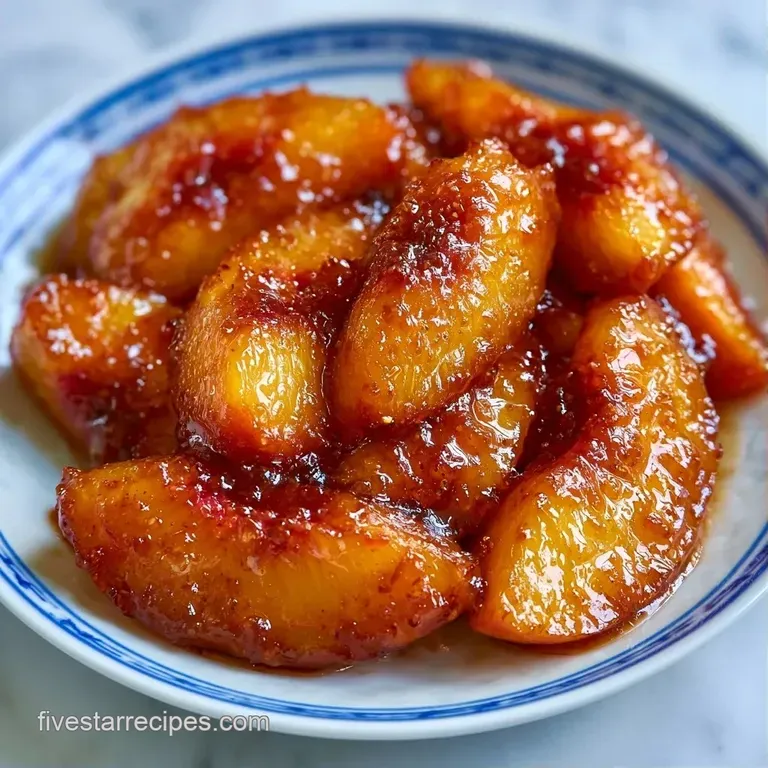
The most common fail here is the texture. Peaches vary in ripeness, and that changes how they react to heat. According to USDA FoodData, the water content in stone fruits can vary significantly by variety, which affects your simmer time.
Troubleshooting Common Issues
| Issue | Solution |
|---|---|
| Why Your Peaches Are Mushy | If your fruit falls apart, you likely used overripe peaches or simmered them too long. When the fruit is already very soft, it doesn't need the full 10 minutes. |
| Why Your Syrup Is Thin | Thin syrup usually happens when the pan is too deep or the heat was too low to evaporate the excess water. |
| Why Your Sugar Burnt | Burnt sugar happens when the maple syrup hits a scorching hot pan. Always drop your heat to low before adding the syrup. |
New Flavor Twists
Once you've got the base down, you can play with the aromatics. For a more floral note, replace the ginger with a pinch of cardamom. It's a classic pairing in Scandinavian desserts.
If you're making these as a treat for kids, you can omit the ginger and add a dash of orange zest. This creates a brighter, more citrusy profile that's always a hit.
For those wanting a "Pantry Version", you can use canned peaches in juice. Just drain the juice first and reduce the simmer time to about 5 minutes, as canned fruit is already processed and soft.
If you have a craving for something more substantial, these peaches are the perfect topping for a Peach Crisp.
Storage and Waste Tips
You can keep these Soft Stewed Peaches in an airtight container in the fridge for 3 to 5 days. The flavors actually deepen after a night in the cold. To reheat, put them in a small saucepan over low heat with a teaspoon of water to loosen the syrup.
If you have a large batch, you can freeze them. Store them in freezer safe bags for up to 3 months. Just note that the texture will be slightly softer after thawing, making them better for oatmeal than for eating plain.
Don't toss the peach skins if you peeled them. You can simmer the skins with a bit of water and cinnamon to make a light, fruity tea. It's a great way to use every bit of the produce.
Ways to Serve
These are incredibly versatile. For a quick breakfast, spoon them over Greek yogurt or steel cut oats. The warmth of the fruit contrasts beautifully with the cold yogurt.
For something more decadent, serve them warm over a scoop of vanilla bean ice cream. The silky syrup will melt into the ice cream, creating a rich sauce.
Another great option is to layer them in a parfait with granola and whipped cream. If you're feeling fancy, a drizzle of balsamic glaze over the top adds a sharp contrast to the sweetness of the Soft Stewed Peaches.
Trust me, once you try this method, you'll never go back to plain canned fruit. It's all about that balance of heat and timing. Enjoy your Soft Stewed Peaches!
Recipe FAQs
How long should you stew peaches for?
Stew them for 10 to 15 minutes total. This includes 3-5 minutes of caramelizing in butter and 7-10 minutes of simmering in the glaze.
How do I make my peaches soft?
Simmer them on low heat until they look translucent. Slicing the fruit into uniform 1/2 inch wedges ensures they soften evenly throughout the pan.
Why did my stewed peaches turn out mushy?
You likely used overripe fruit or simmered them too long. If the peaches are already very soft before cooking, reduce the simmer time to less than 10 minutes.
How do I use unripe peaches for desserts?
Stew the slices in butter and maple syrup first. This process breaks down the toughness of unripe fruit, making them tender enough for pies or cobblers.
Why is my peach syrup too thin?
The heat was likely too low or the pan was too deep. Use a wide saucepan to allow moisture to evaporate more quickly, which thickens the glaze.
What can I serve with soft stewed peaches?
Pair them with vanilla ice cream or fresh cream. These peaches taste wonderful topped with a dollop of vanilla whipped cream for an elegant finish.
Can heart patients eat peaches?
Yes, peaches are generally heart healthy. However, those on strict dietary restrictions should monitor the amount of butter and maple syrup used in the recipe.
Soft Stewed Peaches