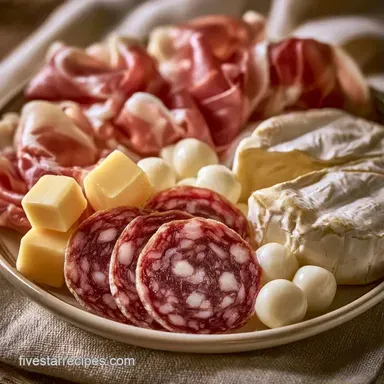
Classic Meat and Cracker Platter: Savory and Bold
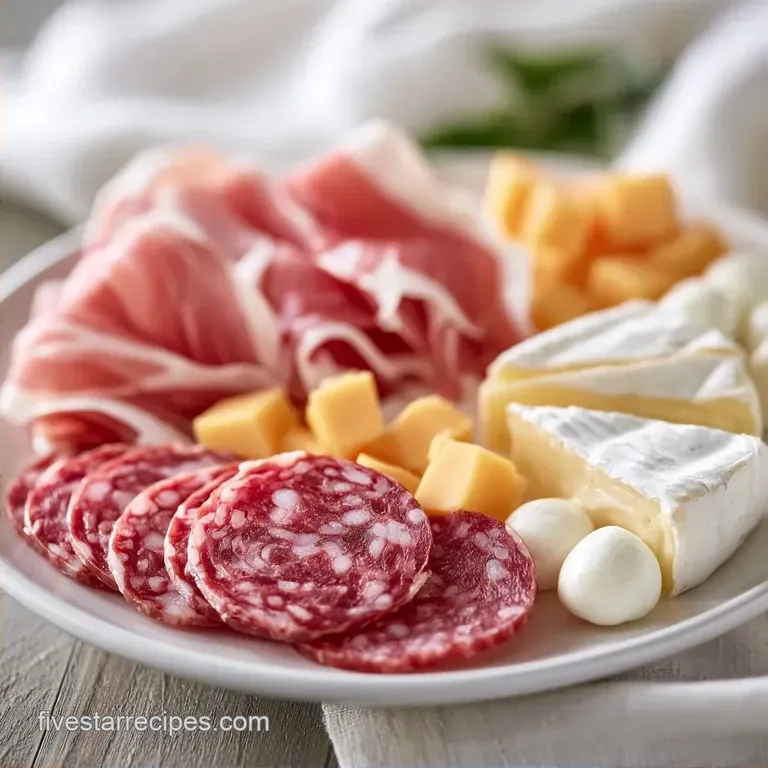
- Time:20 minutes active = Total 20 minutes
- Flavor/Texture Hook: Velvety brie paired with a salty, melt in-your mouth prosciutto
- Perfect for: Cocktail hours, holiday gatherings, or an impressive last minute starter
- Classic Meat and Cracker Platter
- Why These Flavors Actually Click
- Component Analysis
- Tools for a Stunning Board
- The Essential Ingredient List
- How to Build the Board
- Fixing Common Platter Mistakes
- Troubleshooting Common Issues
- Customizing Your Flavor Palette
- Adjusting Serving Sizes
- Debunking Platter Myths
- Keeping Leftovers Fresh
- The Best Drink Pairings
- CRITICAL: Very High in Sodium
- Recipe FAQs
- 📝 Recipe Card
That first scent of salty, cured Prosciutto hitting the air is what gets me every time. There is something about that translucent, rosy pink meat that just screams "party" the second it comes out of the package.
I remember the first time I tried to put together a board for my in laws, and I just dumped everything in piles like I was serving a cafeteria lunch. It looked flat, boring, and honestly, kind of sad.
Then I discovered the magic of the "ribbon." Instead of laying the meat flat, I started folding it into loose, airy piles. Suddenly, the board had height and movement. It stopped being a plate of snacks and became a stunning centerpiece. This Classic Meat and Cracker Platter is all about those little visual wins that make guests go "wow" before they even take a bite.
You can expect a bold mix of textures here. We are talking about the shatter of a crisp Triscuit, the velvety ooze of a room temperature Brie, and the punchy snap of a green olive. It is a low stress way to feed a crowd while looking like you spent hours on the presentation.
Classic Meat and Cracker Platter
The secret to a board that actually tastes good, rather than just looking pretty, is the contrast. If you have too much salt without any acid or sweetness, your palate gets tired. That is why the grapes and fig jam are not just for decoration, they are the reset button for your tongue.
When I first started making these, I thought more was always better. I would cram every inch of the board with cheese until you couldn't even see the wood. But the real pro move is leaving just a tiny bit of breathing room. It makes the colors pop and prevents the board from looking like a mountain of food.
Trust me on this, the quality of your meat makes or breaks the whole experience. I always go for a mix of textures, like the buttery softness of Prosciutto and the firm, peppery bite of Sopressata. This variety keeps the eating experience interesting. If everything has the same chew, it gets boring fast.
Why These Flavors Actually Click
Understanding how these ingredients interact is what turns a random tray of food into a curated experience. Here is the breakdown of why this combination is so effective:
- Fat Acid Balance: The high fat content in the Brie and Cheddar is cut through by the acidity of the green olives and grapes.
- Salt Distribution: Cured meats provide a heavy salt hit that makes the natural sugars in the fig jam taste more intense.
- Texture Layering: We pair "shatter" (crackers) with "velvety" (cheese) and "chewy" (salami) to keep the brain engaged.
- Temperature Release: Letting cheese reach room temperature softens the fats, which releases more aromatic flavor compounds.
The key is creating a loop where you move from a salty meat to a creamy cheese, then a sweet grape, and back again. This cycle prevents "palate fatigue," which is why you can eat an entire board without feeling overwhelmed.
| Premium Choice | Budget Alternative | Impact on Board | Potential Savings |
|---|---|---|---|
| Prosciutto di Parma | Standard Cured Ham | Less melt in-mouth feel | $4 - $6 |
| Aged Sharp Cheddar | Mild Block Cheddar | Less punchy, milder taste | $3 - $5 |
| Fresh Fig Jam | Apricot Preserves | Different sweetness profile | $2 - $3 |
| Brie de Meaux | Store brand Brie | Slightly less earthy aroma | $4 - $7 |
Right then, let's look at the specific roles each component plays. It is not just about filling space, it is about functional flavor.
Component Analysis
| Ingredient | Science Role | Pro Secret |
|---|---|---|
| Prosciutto | Salt/Umami Base | Fold into ribbons to create air pockets for a lighter texture |
| Brie | Creamy Lubricant | Take it out 30 mins early so it gets that velvety, gooey center |
| Ritz Crackers | Buttery Crunch | Place them in clusters to prevent them from sliding around the board |
| Green Olives | Acidic Reset | Use pitted olives to make the eating process seamless for guests |
Now, let's get into the actual gear. You don't need a professional kitchen to pull this off, but a few specific choices make the assembly much faster.
Tools for a Stunning Board
I highly recommend a large wooden cutting board or a slate platter. Wood is great because it doesn't get as cold as stone, which helps keep your cheeses from tightening up too quickly. If you don't have a fancy board, a large ceramic platter works just fine, though you lose a bit of that rustic vibe.
You will also need a few small ceramic bowls. These are essential for the "anchor" method. By putting the olives and jam in bowls first, you create fixed points on the board that you can build everything else around. It prevents the "sliding pile" effect where everything ends up in one big heap.
Finally,, grab a sharp paring knife and a small spreader. I always leave the spreader right in the jam bowl so guests don't have to hunt for one. It is a small touch, but it makes the board feel more inviting.
The Essential Ingredient List
Here is everything you need to assemble this. Stick to these weights to ensure you have a balanced ratio of meat to cheese.
- 4 oz Prosciutto, thinly sliced Why this? Provides the ultimate salty, buttery melt. (Substitute: Serrano Ham)
- 4 oz Genoa Salami, sliced into rounds Why this? Classic garlic and pepper notes. (Substitute: Pepperoni)
- 4 oz Sopressata or Pepperoni, sliced Why this? Adds a spicy, firm contrast. (Substitute: Chorizo)
- 4 oz Aged Sharp Cheddar, cubed Why this? Bold, crystalline salt crunch. (Substitute: Manchego)
- 4 oz Brie or Camembert, wedge Why this? Velvety texture and earthy taste. (Substitute: Goat Cheese)
- 4 oz Fresh Mozzarella pearls Why this? Mild, milky palate cleanser. (Substitute: Feta cubes)
- 1 cup RITZ Crackers Why this? Buttery, salty base. (Substitute: Club Crackers)
- 1 cup TRISCUIT Crackers Why this? Hearty, wheaty snap. (Substitute: Whole Grain Crackers)
- 1 cup WHEAT THINS Snacks Why this? Light, crisp texture. (Substitute: Water Crackers)
- 1/2 cup Green Olives, pitted Why this? Sharp, briny acidity. (Substitute: Kalamata Olives)
- 1 cup Red Grapes, on the stem Why this? Juicy, natural sweetness. (Substitute: Dried Apricots)
- 1/2 cup Raw Almonds Why this? Earthy, woody crunch. (Substitute: Walnuts)
- 2 tbsp Fig Jam or Honey Why this? Deep, concentrated sugar. (Substitute: Quince Paste)
How to Build the Board
Follow these steps to get that professional, layered look. Remember, the goal is to make the Classic Meat and Cracker Platter look abundant and effortless.
- Place the anchor bowls. Set your small ceramic bowls on the wooden board first. Put the fig jam in one and the olives in another. These act as the foundation for the rest of the layout. Note: Space them out to cover the corners.
- Position the cheeses. Place the Brie wedge and the cubed Cheddar near the bowls. This creates focal points of creamy and sharp flavors that guests will naturally gravitate toward.
- Ribbon the prosciutto. Fold each slice of prosciutto into a loose, ruffled ribbon. Pile them loosely in a cluster next to the Brie. Arrange them until they look airy and voluminous.
- Shingle the salami. Take the Genoa Salami and Sopressata rounds. Lay them in an overlapping "S" curve or a shingle pattern across the center of the board. Note: This creates a visual flow that leads the eye across the platter.
- Cluster the crackers. Scatter the RITZ, TRISCUIT, and WHEAT THINS in three distinct clusters around the edges. Lean a few of them against the cheese wedges to add height.
- Add the mozzarella pearls. Tuck the mozzarella pearls into the gaps between the meats and the Cheddar. This adds bright white pops of color.
- Fill with grapes. Place the red grapes, still on the stem, in the remaining large open spaces. This adds a fresh, organic feel to the layout.
- Scatter the almonds. Sprinkle the raw almonds into the smallest remaining holes. Keep filling until no large gaps of wood are showing.
- Final touch. Place the jam spreader in the fig jam bowl and ensure the board looks balanced from all sides.
Chef's Note: If you want a truly stunning presentation, try "salami roses." Fold a slice of salami over the rim of a champagne glass, overlapping each slice, then flip it onto the board. It's a simple trick that makes the platter look high end.
Fixing Common Platter Mistakes
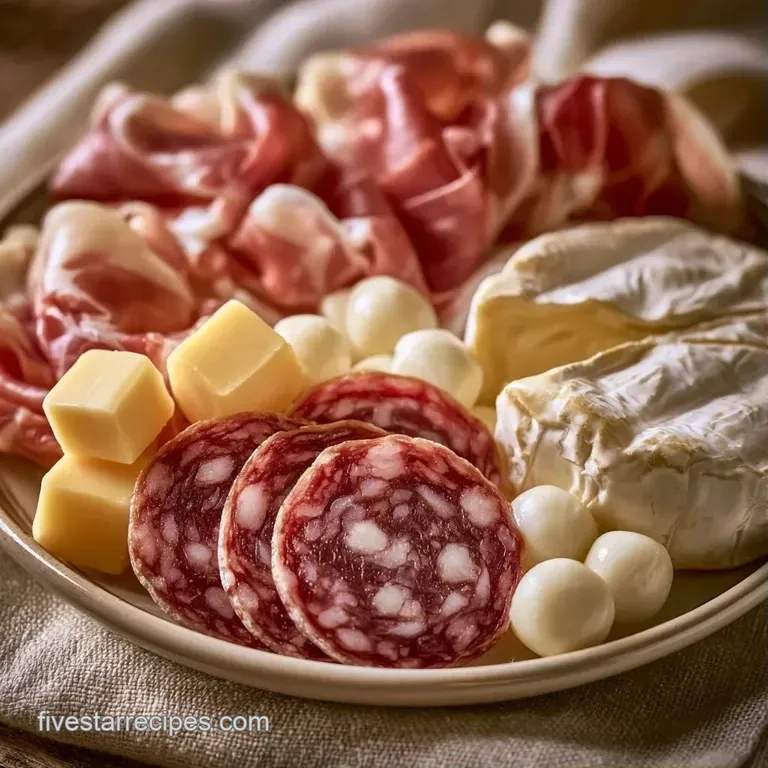
Even the most experienced home cooks run into a few snags. Most of these come down to temperature or timing.
Troubleshooting Common Issues
| Issue | Solution |
|---|---|
| Why Your Cheese Is Too Hard | If the cheese doesn't have that velvety give, it is likely too cold. According to Serious Eats, cold temperatures mute the flavor molecules in fat. |
| Why Your Crackers Get Soggy | This happens when crackers are placed directly against "wet" ingredients like olives or fresh mozzarella. |
| Why the Board Looks Cluttered | Too many items in the center create a "blob" effect. Use the anchor method described in the steps to pull the weight toward the edges and corners, leaving the center for your flowing meat curves. |
Common Mistakes Checklist:
- ✓ Avoid overcrowding the center of the board.
- ✓ Never place crackers directly on top of olives.
- ✓ Ensure cheese is room temperature for maximum flavor.
- ✓ Use 3 different types of crackers for texture variety.
- ✓ Keep the grapes on the stem for a more organic look.
Customizing Your Flavor Palette
One of the best things about this recipe is that it is a template. Once you have the basics down, you can pivot the theme depending on the vibe of your party.
The Mediterranean Twist
Swap the Cheddar for Manchego and the Salami for Chorizo. Use Kalamata olives instead of green ones and add a handful of dried apricots. This version feels a bit more sun drenched and bold. It pairs beautifully with my Margarita in 5 Minutes recipe for a refreshing summer spread.
The Spicy Kick
If your crowd loves heat, swap the Genoa Salami for a spicy Sopressata and add some pickled jalapeños to the board. Use a spicy honey instead of fig jam to create a "swicy" (sweet and spicy) combination with the Brie.
The gluten-free Swap
This is easy. Just replace the RITZ and TRISCUIT with your favorite gluten-free crackers or sliced cucumber rounds. The meats and cheeses are naturally gluten-free, so the rest of the board stays the same.
Adding Extra Starters
If you are hosting a larger event, this platter is a great starting point, but you might want another hot element. I often serve this alongside a Stuffed Mushroom recipe to provide a warm, savory contrast to the chilled platter.
Adjusting Serving Sizes
Depending on whether you are hosting a date night or a neighborhood block party, you will need to scale this Classic Meat and Cracker Platter.
Scaling Down (for 2 people): Use a smaller plate or a mini cutting board. Halve all the meat and cheese quantities (2 oz each). Use 1/2 cup of each cracker and a small handful of grapes. Since there is less mass, the board will assemble faster, but be careful not to over cluster the items.
Scaling Up (for 12-16 people): Don't just quadruple everything on one board, or it will become a mess. Instead, make two medium sized boards. When scaling spices or brined items (like olives), only increase them to 2x or 3x the original amount, as too much salt can dominate the spread.
For meats, you can go up to 4x the amount, but work in batches to keep the folds tight and the presentation clean.
If you are using a larger board, increase the number of "anchor bowls" to four or six to maintain the structure.
| Serving Size | Meat Total | Cheese Total | Cracker Total | Board Size |
|---|---|---|---|---|
| 4 People (Standard) | 12 oz | 12 oz | 3 cups | 12" x 18" |
| 2 People (Small) | 6 oz | 6 oz | 1.5 cups | 8" x 10" |
| 12 People (Large) | 36 oz | 36 oz | 9 cups | Two 12" x 18" |
Right then, let's clear up a few things. There are a lot of "rules" floating around about charcuterie that aren't actually true.
Debunking Platter Myths
Myth: You must use the most expensive cheese for it to taste good. Truth: Contrast is more important than price. A budget friendly sharp Cheddar often provides a better salt hit than an overpriced, mild artisanal cheese. Focus on the flavor profile, not the price tag.
Myth: Meats must be served ice cold for safety. Truth: Cured meats are designed to be stable at room temperature. In fact, the flavor of the fats in Salami and Prosciutto is muted when cold. According to USDA FoodData, cured meats are processed to be shelf stable, though they should still be kept in a cool environment during long parties.
Myth: You need a specific "charcuterie" knife for everything. Truth: A simple, sharp paring knife is all you need. As long as you can cut a clean wedge of Brie, you are good to go.
Keeping Leftovers Fresh
The biggest tragedy is letting a great board go to waste. Here is how to handle the leftovers so they don't turn into a soggy mess.
Fridge Storage: Do not store the board as one piece. Take the crackers off immediately, as they will absorb moisture from the cheese and meats, becoming soft. Store the meats and cheeses in airtight containers. The meats will stay fresh for 3-5 days, and the hard cheeses for up to two weeks.
The Brie should be eaten within 3 days once cut.
Freezing: Honestly, don't bother freezing this. Frozen Brie loses its velvety texture, and cured meats can develop an off flavor. It is better to use leftovers in other ways.
Zero Waste Tips: If you have leftover Prosciutto or Salami, chop them up and fry them in a pan until crispy. They make a stunning topping for a salad or a pasta dish. Leftover Brie can be melted into a quick grilled cheese sandwich.
If you have a few stray olives and grapes, toss them into a quick Mediterranean pasta salad.
The Best Drink Pairings
To really make this Classic Meat and Cracker Platter shine, you need a drink that cleanses the palate between those rich, fatty bites.
For a non alcoholic option, a sparkling water with a squeeze of fresh lemon or lime is the way to go. The bubbles and acidity cut right through the creaminess of the Brie and the salt of the Salami.
If you are serving alcohol, a crisp white wine like Sauvignon Blanc is a classic choice because its citrus notes complement the green olives. For something bolder, a light bodied red like Pinot Noir works well with the aged Cheddar. For a party vibe, a Margarita in 5 Minutes recipe provides a zesty, tart contrast that keeps the salty meats from feeling too heavy.
Avoid heavy, creamy drinks or overly sweet sodas, as they compete with the fig jam and can make the whole experience feel cloying. Keep it bright, bubbly, and acidic.
CRITICAL: Very High in Sodium
4100 mg 4,100 mg of sodium per serving (178% 178% of daily value)
The American Heart Association recommends a limit of 2,300mg of sodium per day, with an ideal limit of 1,500mg for most adults to reduce cardiovascular risk.
Tips to Reduce Sodium
-
Swap Processed Meats-25%
Replace the prosciutto, salami, and pepperoni with freshly roasted turkey breast or lean roast beef seasoned at home to avoid cured salt additives.
-
Rinse or Replace Olives-20%
Rinse the green olives thoroughly under cold water or substitute them with fresh cucumber slices or cherry tomatoes for a similar salty/tangy crunch.
-
Switch the Crackers-20%
Replace RITZ, TRISCUIT, and WHEAT THINS with unsalted whole grain crackers or fresh vegetable crudités.
-
Choose Low-Sodium Cheese-15%
Swap the Aged Sharp Cheddar (which is high in sodium) for more fresh mozzarella or a low-sodium Swiss cheese.
-
Enhance with Fresh Herbs
Add fresh rosemary, thyme, or cracked black pepper to the board to provide aromatic flavor without adding any salt.
Recipe FAQs
What is the 3 3 3 rule for charcuterie?
It refers to using three types of meat, three cheeses, and three crackers. For this platter, use Prosciutto, Salami, and Sopressata with Cheddar, Brie, and Mozzarella, paired with RITZ, TRISCUIT, and WHEAT THINS.
What goes on a classic charcuterie board?
Combine a variety of cured meats, cheeses, crackers, and fresh accents. Use Prosciutto, Salami, and Sopressata alongside Cheddar, Brie, and Mozzarella pearls, then add RITZ, TRISCUIT, and WHEAT THINS, olives, grapes, almonds, and fig jam.
How to make a charcuterie board?
Place ceramic bowls on the board as anchors. Position the Brie and Cheddar near these bowls, then fold the Prosciutto and Salami into curves. If you enjoyed this layout, apply the same spacing logic to an easy cheese board.
What are some pro-tips for a good charcuterie board?
Use the anchor method to prevent a cluttered look. By placing bowls first, you create focal points that naturally pull the ingredients toward the edges and avoid a "blob" effect in the center.
How to prevent crackers from getting soggy?
Keep crackers away from wet ingredients. Avoid placing RITZ or WHEAT THINS directly against the olives or mozzarella pearls to prevent moisture absorption.
Should I serve cheese straight from the fridge for the best flavor?
No, this is a common misconception. Serving cheese too cold mutes the flavor molecules in the fat; let it sit at room temperature for a more velvety texture.
How to arrange meat for maximum volume?
Fold the prosciutto into loose ribbons. This adds height to the board, while arranging salami rounds in an overlapping 'S' curve creates a professional visual flow.
Classic Meat and Cracker Platter for 4