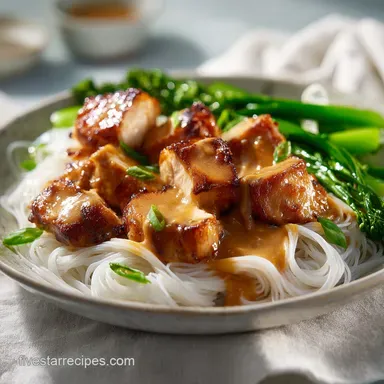
Thai Noodle Bowl: Creamy and Vibrant
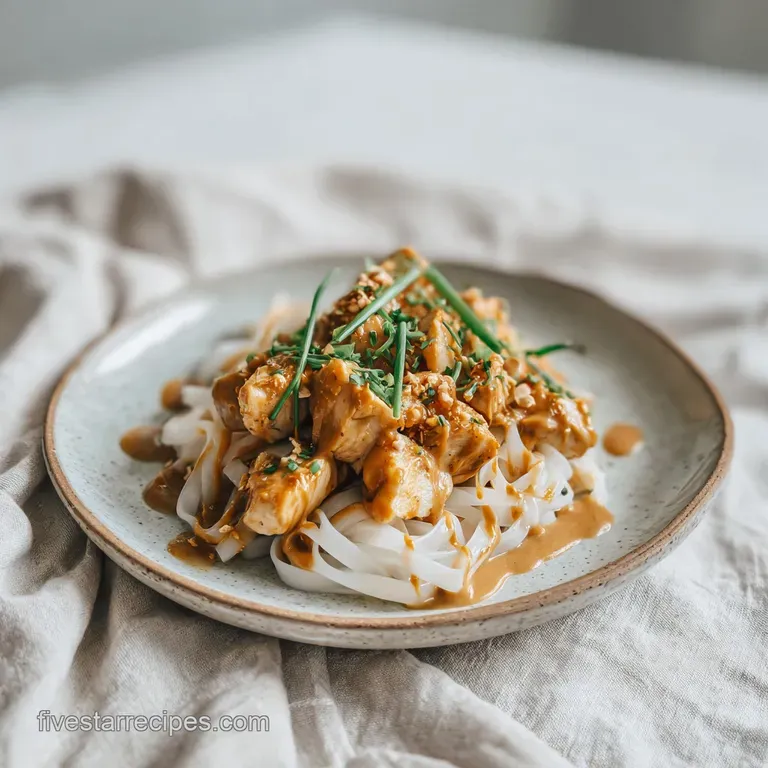
- Time: 15 min active + 15 min cook = 30 mins total
- Flavor/Texture Hook: Velvety peanut sauce with a fresh, shatter crisp vegetable crunch
- Perfect for: Weeknight dinner or high protein meal prep
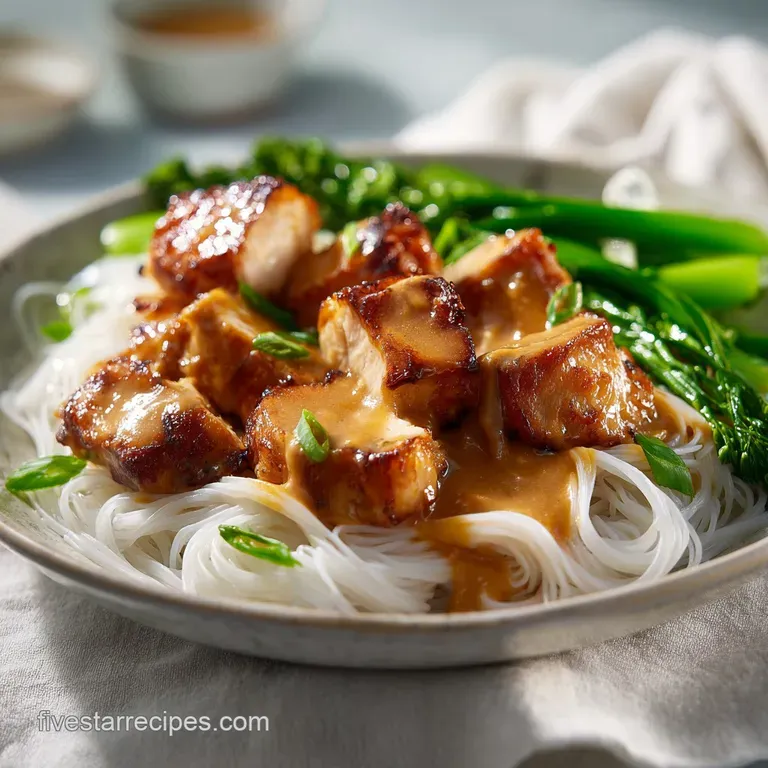
The sound of thinly sliced chicken breast hitting a scorching hot skillet is my favorite part of this process. That aggressive sizzle tells me immediately that I'm getting a golden brown crust, which is where all the depth lives.
I remember the first time I tried to make this, I crowded the pan and ended up with gray, steamed meat that tasted like nothing. Now, I sear in a single layer, letting the protein caramelize before I even think about flipping it.
The real hero here is the creamy peanut butter. Most people treat it as just a thickener, but it's actually the anchor of the whole dish. It provides a rich, fatty base that catches the acidity of the lime and the salt of the soy sauce, creating a balanced, velvety coat for the noodles.
If you use a thin, watery substitute, you lose that luxurious mouthfeel that makes a Thai Noodle Bowl feel like a treat rather than just another salad.
You can expect a meal that hits every taste bud: salty, sweet, sour, and spicy. It's a nutrient dense bowl that doesn't feel like "health food" because the flavors are so bold. Trust me, once you see how the lime juice cuts through the richness of the peanut butter, you'll never go back to store-bought dressings.
Thai Noodle Bowl
Why Most Recipes Fail
I've noticed a lot of guides tell you to boil your rice noodles for ten minutes. Please, don't do that. Vermicelli noodles are delicate, and boiling them often turns them into a gummy, overcooked mass that sticks together in one giant clump.
The secret is a simple soak in boiling water, which keeps them bouncy and distinct.
Another common mistake is adding the sauce to the pan with the chicken. While that sounds efficient, it often burns the sugars in the honey and peanut butter, leaving you with a bitter, scorched taste.
Keeping the sauce as a separate, cold whisked element and tossing it in at the end preserves the fresh, vibrant notes of the lime and cilantro.
Finally,, people often forget to dry their chicken. If you put damp meat into oil, it won't sear, it'll steam. A quick pat with paper towels is the difference between a bland bowl and a chef level meal.
Sauce Stability Secrets
Fat Binding: Peanut butter contains natural oils that act as a binder, holding the soy and lime together so the sauce doesn't separate.
Acid Balance: Lime juice lowers the pH, which brightens the heavy fats of the peanut butter and sesame oil.
Sugar Viscosity: Honey creates a glossy sheen and helps the sauce cling to the smooth surface of the rice noodles.
Temperature Control: Using warm water to thin the sauce prevents the peanut butter from seizing, ensuring a silky texture.
| Method | Time | Texture | Best For |
|---|---|---|---|
| Stovetop | 15 mins | Golden brown crust | Maximum flavor and texture |
| Air Fryer | 12 mins | Evenly roasted | Hands off cooking |
| Poached | 8 mins | Soft and tender | low-fat dietary needs |
Component Analysis
| Ingredient | Science Role | Pro Secret |
|---|---|---|
| Peanut Butter | Emulsifier & Base | Use a brand with only peanuts and salt for a cleaner taste |
| Lime Juice | pH Balancer | Rub the lime on the counter before cutting to get more juice |
| Rice Noodles | Starch Base | Soak in a bowl, not a pot, for easier draining |
| Soy Sauce | Umami Source | Use tamari for a gluten-free version without losing saltiness |
Essential Flavor Components
For the protein, we're using 1 lb of boneless skinless chicken breast, thinly sliced. I prefer slicing it against the grain so it stays tender. You can swap this for firm tofu or shrimp if you're making a vegetarian Thai Noodle Bowl.
For the sauce, grab 1/3 cup creamy peanut butter Why this? Provides the essential creamy base and healthy fats, 3 tbsp soy sauce, 2 tbsp fresh lime juice, 1 tbsp honey, 1 tbsp sriracha, 1 tsp sesame oil, and 4 tbsp warm water.
The base requires 8 oz thin rice noodles (vermicelli) Why this? Absorbs the sauce better than thick noodles and 3 cups boiling water for soaking.
For that fresh crunch, you'll need 1 cup shredded carrots, 1 cup thinly sliced red cabbage, 3 scallions (sliced diagonally), 1/4 cup fresh cilantro (chopped), and 1/4 cup crushed roasted peanuts.
| Original Ingredient | Substitute | Why It Works |
|---|---|---|
| Peanut Butter (1/3 cup) | Almond Butter (1/3 cup) | Similar fat content. Note: Slightly more nutty/bitter |
| Honey (1 tbsp) | Maple Syrup (1 tbsp) | Same viscosity and sweetness. Note: Adds a hint of woody flavor |
| Soy Sauce (3 tbsp) | Coconut Aminos (3 tbsp) | Salty and savory. Note: Lower sodium and slightly sweeter |
| Chicken Breast (1 lb) | Extra Firm Tofu (1 lb) | High protein. Note: Press tofu first to ensure a crispy sear |
Necessary Kitchen Gear
You don't need a fancy kitchen for this, but a few tools make it way easier. A medium whisking bowl is essential for the sauce. If you use a fork, you'll get peanut butter clumps that just won't go away.
A large skillet, preferably stainless steel or cast iron, is what I use for the chicken because it handles high heat the best.
A large heat proof glass bowl is my go to for the noodles. It lets me see exactly when the noodles have reached the right translucency. Finally, a large mixing bowl is needed to toss everything together.
If you try to do this in the skillet, you'll likely overcook the fresh cabbage and carrots, losing that signature snap.
Assembling Your Bowl
Whisk the sauce. In a medium bowl, combine peanut butter, soy sauce, lime juice, honey, sriracha, and sesame oil. Whisk vigorously until the mixture is smooth. Gradually stir in warm water one tablespoon at a time until the sauce reaches a pourable, velvety consistency.
Note: This prevents the sauce from being too gloppy.
Prepare the chicken. Pat the sliced chicken breast dry with paper towels and season with 1/2 tsp salt and 1/4 tsp black pepper. Note: Removing moisture ensures a better sear.
Sear the protein. Heat 1 tbsp neutral oil in the skillet over medium high heat. Add chicken in a single layer and cook without stirring for 3 minutes until a golden brown crust forms. Flip and cook for another 2-3 minutes until cooked through.
Remove chicken from the pan and set aside.
Soak the noodles. Place 8 oz rice noodles in a large heat proof bowl and cover with 3 cups boiling water. Let soak according to package directions until tender and translucent, then drain.
Combine the base. In a large mixing bowl, combine the drained noodles, seared chicken, shredded carrots, red cabbage, and sliced scallions.
Coat with sauce. Pour the velvety peanut sauce over the bowl ingredients and toss thoroughly until everything is evenly coated.
Add final touches. Garnish with 1/4 cup fresh cilantro and 1/4 cup crushed roasted peanuts before serving.
Solving Common Issues
If your sauce feels more like a paste than a dressing, don't panic. It usually happens if the peanut butter is very thick or the water wasn't warm enough. Just add warm water a teaspoon at a time. The key is to keep whisking as you add the liquid to maintain that silky texture.
Noodles can sometimes get sticky if they sit too long after draining. If this happens, a quick rinse under cold water or a tiny splash of sesame oil will loosen them up. The same goes for the chicken; if it feels too firm, let it rest for two minutes before adding it to the bowl so the juices redistribute.
Why Your Sauce Is Too Thick
The peanut butter likely absorbed the liquids too quickly or the honey was too cold.
| Problem | Root Cause | Solution |
|---|---|---|
| Sauce is pasty | Not enough warm water | Add warm water 1 tsp at a time |
| Sauce is bland | Lack of acidity | Add an extra squeeze of fresh lime |
| Sauce is too spicy | Too much sriracha | Stir in a teaspoon of honey or maple syrup |
Why Your Noodles Are Mushy
Over soaking is the most common culprit here. Rice noodles continue to cook even after you drain them.
| Problem | Root Cause | Solution |
|---|---|---|
| Gummy noodles | Soaked too long | Drain 1 minute earlier than package says |
| Clumping noodles | Left to cool without sauce | Toss with a bit of oil or sauce immediately |
| Broken noodles | Stirred too aggressively | Use tongs to fold instead of a spoon |
Why Your Chicken Is Dry
Cooking chicken breast for too long on high heat strips the moisture.
| Problem | Root Cause | Solution |
|---|---|---|
| Rubbery meat | Overcooked | Remove from heat as soon as it hits 165°F |
| No brown crust | Pan wasn't hot enough | Wait for oil to shimmer before adding meat |
| Steamed meat | Crowded the pan | Cook in two batches if necessary |
Common Mistakes Checklist
- ✓ Patted chicken completely dry before seasoning
- ✓ Used boiling water for noodles, not simmering water
- ✓ Whisked sauce until no peanut butter clumps remained
- ✓ Searing chicken in a single layer without stirring
- ✓ Tossing vegetables at the very end to keep the crunch
Adjusting Serving Sizes
If you're making a smaller batch for one or two people, just halve the ingredients. Use a smaller skillet for the chicken so the oil doesn't spread too thin and burn. I recommend beating one egg in a separate bowl and using half of it if you're adding an egg to your bowl, though this recipe doesn't require one.
When scaling up for a party, be careful with the sriracha and salt. I usually only increase the spices and salt to 1.5x even when doubling the bulk ingredients. Liquids can be reduced by about 10% because the larger volume of noodles holds onto moisture more effectively.
Always work in batches when searing the chicken; if you dump 2 lbs of meat in one pan, you'll end up with a boiled mess.
If you're doubling the recipe, you might find the sauce thickens faster in the fridge. Keep a little extra warm water on hand to loosen it back up before serving.
| Goal | Adjustment | Result |
|---|---|---|
| High Protein | Add 1/2 cup edamame | More fiber and plant protein |
| Lower Carb | Replace noodles with zoodles | Lighter feel, less satiety |
| Extra Crunch | Double the peanuts | More texture and richness |
Debunking Noodle Myths
You might hear that rice noodles must be boiled to be safe or "done." This is a total myth for vermicelli. These noodles are pre steamed during manufacturing, so they only need rehydration. Soaking them actually preserves the starch structure, preventing that sticky, overcooked texture.
Some people think you need a wok to get that "restaurant taste." While woks are great, a heavy stainless steel skillet works just as well for this Thai Noodle Bowl. The key is the heat and the oil, not the shape of the pan. As long as you can get a good sear on your chicken, you're golden.
Storage and Waste
This dish keeps surprisingly well in the fridge for 3 to 4 days. I suggest storing the sauce separately if you're meal prepping for the week. If you mix the sauce in on day one, the noodles will absorb all the liquid by day three, leaving you with a dry bowl.
Just add a splash of water or extra lime juice when reheating to bring it back to life.
As for freezing, I don't recommend it. The fresh cabbage and carrots lose their snap and become watery when thawed, and the peanut sauce can break. It's a dish that truly shines when the vegetables are fresh.
To keep things zero waste, don't throw away your cabbage cores or carrot peels. I toss my carrot peels and onion ends into a freezer bag for making homemade vegetable stock. The cabbage cores can be thinly sliced and pickled in a mix of vinegar and sugar to use as a topping for other meals.
Recommended Dish Pairings
Because this bowl is so creamy and savory, it pairs beautifully with something light and sweet. I always suggest following this meal with Mango Sticky Rice for a traditional finish. The coconut milk in the dessert complements the peanut flavors in the main course perfectly.
If you're hosting a dinner and want an appetizer that matches the vibe, try some Air Fryer Coconut Shrimp. The crunch of the coconut shrimp mirrors the crushed peanuts in the noodle bowl, creating a cohesive theme for the night.
Whether you're making a simple Thai noodle bowl for a quick lunch or a full spread for friends, the key is balancing those bold flavors. Just remember: dry chicken, soaked noodles, and plenty of lime. You've got this!
Very High in Sodium
2010 mg 2010 mg of sodium per serving (87% 87% of daily value)
The American Heart Association recommends a daily sodium limit of 2,300 mg, with an ideal limit of 1,500 mg for most adults to lower blood pressure.
Tips to Reduce Sodium
-
Swap the Soy Sauce-30%
Replace regular soy sauce with low-sodium soy sauce or coconut aminos to dramatically lower the salt content.
-
Eliminate Added Salt-25%
Omit the 1/2 tsp of salt used for the chicken; the peanut sauce provides enough saltiness to season the meat.
-
Modify the Sriracha-20%
Substitute sriracha with freshly chopped chili peppers or a low-sodium hot sauce alternative.
-
Use Unsalted Peanuts-10%
Ensure you use unsalted roasted peanuts for both the peanut butter and the garnish to avoid hidden sodium.
-
Boost Natural Aromatics
Add more fresh lime juice, grated ginger, or black pepper to enhance the flavor profile without adding sodium.
Recipe FAQs
Can I use any type of noodle?
No, use thin rice noodles. These vermicelli noodles have the ideal texture to be coated by the velvety peanut sauce without becoming too heavy.
How to fix a peanut sauce that is too thick?
Gradually stir in warm water one tablespoon at a time. Continue whisking until the sauce reaches a pourable, velvety consistency.
How to get a golden brown crust on the chicken?
Cook the chicken in a single layer over medium high heat without stirring for 3 minutes. This allows the meat to sear properly before you flip it.
Is it true that rice noodles must be boiled on a stove?
No, this is a common misconception. Simply place the noodles in a heat proof bowl and cover them with boiling water until tender.
How to store these for meal prep?
Store the sauce in a separate container. This prevents the noodles from absorbing all the liquid, keeping the dish fresh in the fridge for 3 to 4 days.
Can I freeze this noodle bowl?
No, freezing is not recommended. The red cabbage and carrots lose their snap and become watery, and the peanut sauce can break.
Why are my leftover noodles dry when reheating?
The noodles absorb the peanut sauce during storage. Add a splash of water or extra lime juice when reheating to bring the creamy texture back to life.
Thai Noodle Bowl