Croissant French Toast Casserole: Buttery and Baked
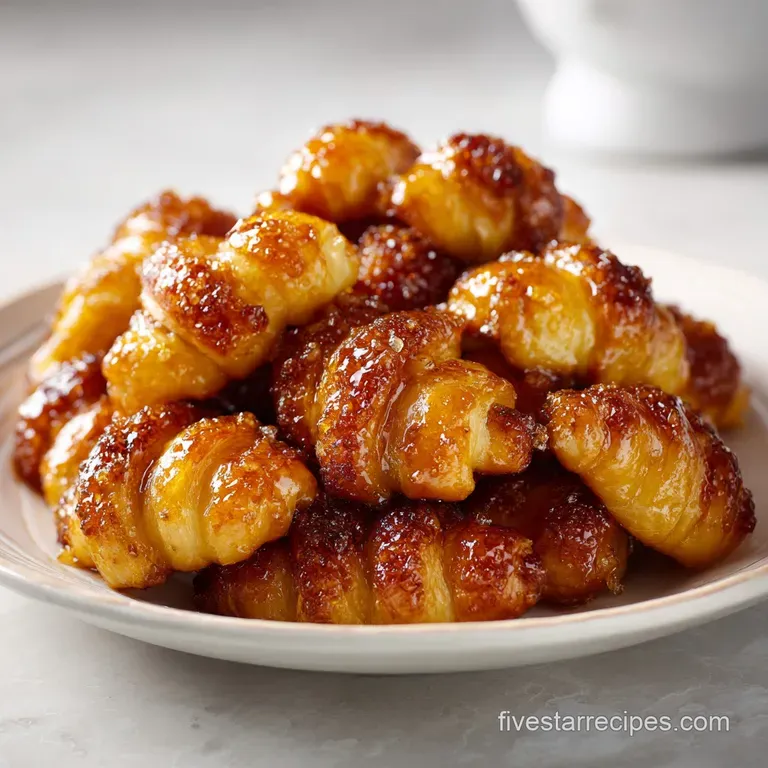
- Time:15 minutes active + 45 minutes baking = Total 1 hour 15 mins
- Flavor/Texture Hook: Buttery, mahogany brown crust with a velvety, cinnamon infused center
- Perfect for: Holiday brunches, crowd-pleasing breakfasts, or a decadent weekend treat
- Easy Croissant French Toast Casserole
- The Secret to Better Texture
- Essential Casserole Specs
- The Ingredient List
- Necessary Kitchen Tools
- Step by Step Instructions
- Fixing Common Casserole Issues
- Troubleshooting Common Issues
- Creative Flavor Variations
- Adjusting the Portion Size
- Debunking Bread Myths
- Keeping Your Leftovers Fresh
- Serving Your Gourmet Brunch
- Recipe FAQs
- 📝 Recipe Card
Easy Croissant French Toast Casserole
Ever pulled a breakfast bake out of the oven only to find the middle is a soggy, lukewarm puddle while the edges are burnt to a crisp? I've been there. The biggest mistake is using fresh, fluffy croissants.
They're too moist, and instead of absorbing the custard, they just collapse into a rubbery mess that feels more like a wet sponge than a treat.
The fix is all about moisture control and the "stale" factor. By using day old croissants and a specific soaking window, we turn those buttery layers into a structural masterpiece.
You get that gorgeous contrast where the top layers shatter when you touch them, but the bottom is almost like a crème brûlée.
This Croissant French Toast Casserole is designed to be foolproof. We're talking about a dish that looks like it came from a five star hotel but only requires a few bowls and a baking dish. Trust me, once you see those mahogany brown peaks, you'll never go back to basic sliced bread for your brunch.
The Secret to Better Texture
Since we're aiming for precision, we have to look at why this specific combination works. It's not just about mixing things in a pan; it's about how the fats and proteins interact under heat.
The Saturation Gap: Day old croissants have lost some of their internal moisture, creating tiny air pockets that act like vacuums for the custard. This prevents the "soggy center" syndrome because the bread pulls the liquid in rather than letting it pool at the bottom.
Lipid Synergy: Croissants are essentially layers of butter. When we add heavy cream and melted butter to the topping, we're creating a high fat environment that fries the top layer of the bread in the oven. This is what gives you that gourmet, crispy crust.
Protein Setting: The eggs in the custard aren't just for flavor; they provide the structure. At 350°F, the egg proteins coagulate, locking the custard into a velvety solid so the dish holds its shape when sliced.
Sugar Caramelization: Using light brown sugar in the custard and a cinnamon butter mixture on top ensures the sugars break down into a rich, nutty flavor. This is what creates that deep mahogany color.
| Method | Prep Time | Texture | Best For |
|---|---|---|---|
| Stovetop French Toast | 10 minutes | Soft & Uniform | Single servings |
| Oven Casserole | 15 minutes | Contrast (Crispy/Soft) | Crowds & Brunch |
| Slow Cooker Bake | 15 minutes | Very Soft/Pudding | Low effort mornings |
Essential Casserole Specs
Before we dive into the components, let's look at the "precision checkpoints" that make this recipe work. If you drift too far from these, the texture changes.
First, the temperature. Your oven must be at exactly 350°F (175°C). Any hotter and the sugar on top will burn before the center sets. Any cooler and you'll lose that "shatter" effect on the crust. Second, the soak.
15 minutes is the minimum for a quick bake, but if you're doing the overnight version, 8 hours is the sweet spot.
Finally, the pan size. A 9x13-inch baking dish is mandatory. If you use a deeper, smaller pan, the custard won't evaporate efficiently, and you'll end up with that dreaded rubbery texture.
The Ingredient List
I've chosen these specific ingredients to ensure a five star result. Don't be tempted to use skim milk or low-fat butter here; the fat is what carries the flavor and creates the texture.
For the Casserole Base
- 1 lb day old croissants, torn into 2 inch chunks Why this? Stale bread absorbs custard without collapsing
- 4 large eggs Why this? Provides the structural "set" for the bake
- 1 cup whole milk Why this? Balanced hydration for the bread
- 1/2 cup heavy cream Why this? Adds the velvety richness needed for gourmet texture
- 1/3 cup light brown sugar, packed Why this? Molasses notes add depth compared to white sugar
- 1 tsp vanilla extract Why this? Aromatics that balance the richness of the butter
- 1 tsp ground cinnamon Why this? Warmth that permeates the custard
- 1/4 tsp salt Why this? Cuts through the sugar to enhance the butter flavor
For the Cinnamon Sugar Topping
- 2 tbsp unsalted butter, melted Why this? Creates a "frying" effect on the top crust
- 2 tbsp brown sugar Why this? Caramelizes into a crunchy topping
- 1/2 tsp ground cinnamon Why this? Concentrated spice hit on the surface
For the Maple Glaze
- 1/2 cup powdered sugar Why this? Dissolves quickly for a smooth finish
- 2 tbsp pure maple syrup Why this? Authentic woody sweetness
- 2 tbsp heavy cream Why this? Thins the glaze to a drizzle able consistency
| Original Ingredient | Substitute | Why It Works |
|---|---|---|
| Whole Milk (1 cup) | Oat Milk (unsweetened) | Similar viscosity. Note: Slightly nuttier flavor |
| Heavy Cream (1/2 cup) | Full fat Coconut Milk | High fat content. Note: Adds a tropical hint |
| Day old Croissants | Brioche Loaf | High butter content. Note: Denser crumb than croissants |
| Light Brown Sugar | Maple Sugar | Similar flavor profile. Note: More intense maple taste |
Necessary Kitchen Tools
You don't need a professional kitchen, but a few specific tools make this a lot easier. Use a large mixing bowl for the custard so you have plenty of room to whisk without splashing.
I highly recommend a silicone spatula for pressing the croissant chunks down. You want to make sure every single piece of pastry is submerged in the liquid, or you'll have dry "islands" in your finished dish. For the glaze, a small whisk is best to ensure there are no powdered sugar clumps.
Step by step Instructions
Let's get into it. Follow these steps precisely for that five star finish.
- Preheat the oven to 350°F (175°C) and thoroughly grease a 9x13-inch baking dish. Note: Butter the sides well to prevent the sugar from sticking.
- Tear the croissants by hand into irregular 2 inch chunks and arrange them evenly in the prepared baking dish. Note: Irregular edges create more surface area for the custard to cling to.
- In a large mixing bowl, whisk together the eggs, whole milk, heavy cream, light brown sugar, vanilla extract, cinnamon, and salt until the sugar is fully dissolved.
- Pour the custard mixture evenly over the croissant chunks, pressing down lightly with a spatula to ensure all pieces are submerged.
- Let the casserole sit for 15 minutes to absorb the liquid (or cover and refrigerate for 8 hours for a deeper soak). Note: This is the most critical step for avoiding a soggy center.
- Combine the melted butter, 2 tbsp brown sugar, and 1/2 tsp cinnamon in a small bowl, then sprinkle the mixture evenly over the top of the casserole.
- Bake for 40–45 minutes until the edges are bubbling and the top is a deep mahogany brown.
- While baking, whisk together the powdered sugar, maple syrup, and heavy cream to create a glaze, then drizzle over the casserole before serving.
Chef's Tip: If you want an even crunchier top, pop the broiler on for the last 60 seconds, but watch it like a hawk. Sugar goes from "mahogany" to "burnt" in seconds.
Fixing Common Casserole Issues

Even with a precise recipe, things can go sideways if your oven runs hot or your bread is too fresh. Let's handle the most common failure modes.
Troubleshooting Common Issues
| Issue | Solution |
|---|---|
| Why Your Center Is Soggy | This usually happens if the croissants were too fresh or the soak time was too short. If the bread doesn't have time to pull the liquid into its core, the custard just sits at the bottom of the pan, c |
| Why Your Edges Burnt | If your dish is too small or your oven has a "hot spot," the edges will caramelize far faster than the middle. Using a heavy ceramic dish helps distribute heat more evenly than a thin metal pan. |
| Why The Glaze Is Too Runny | This is usually a ratio issue. If you added too much cream, the glaze will soak into the bread rather than sitting on top. Add more powdered sugar a teaspoon at a time until it reaches a slow pouring |
Common Mistakes Checklist:
- ✓ Did you use day old croissants? (Fresh ones = soggy)
- ✓ Is the oven exactly 350°F? (Too hot = burnt sugar)
- ✓ Did you let it soak for at least 15 mins? (Short soak = liquid bottom)
- ✓ Is the pan 9x13 inches? (Smaller pan = undercooked center)
- ✓ Did you press the chunks down? (Air gaps = dry bread)
Creative Flavor Variations
Once you've nailed the base Croissant French Toast Casserole, you can start playing with the fillings. Because the custard is so rich, it handles fruit and cream cheese beautifully.
If you want something a bit more vibrant, try a Berry French Toast Casserole approach by folding in fresh raspberries and blackberries before baking. The tartness of the berries cuts through the butter of the croissants. For an even more decadent version, you could try a Blueberry French Toast Casserole by swirling in blueberry preserves.
Decision Shortcut for Variations: If you want "Cheesecake Style" → Dollop 1 inch cubes of sweetened cream cheese between croissant layers. If you want "Apple Pie Style" → Sauté diced apples in cinnamon and butter, then layer them in the middle.
If you want "Nutty Crunch" → Add 1/2 cup of slivered almonds to the cinnamon sugar topping.
Adjusting the Portion Size
When you're cooking for a crowd or just yourself, you can't always stick to the 9x13 pan. Here is how to scale this recipe without ruining the chemistry.
Scaling Down (Half Batch): Use an 8x8-inch square pan. Since you can't easily use 2 eggs, beat 3 eggs in a bowl and use half of the mixture. Reduce the baking time by about 20%, but still look for that mahogany brown color.
Scaling Up (Double Batch): Do NOT double the salt or cinnamon to 2x; instead, use 1.5x the spices to avoid an overpowering taste. Use two 9x13 pans rather than one giant deep pan to ensure the center cooks through.
If you must use a larger, deeper dish, lower the oven temp to 325°F and extend the bake time by 15-20 minutes.
Debunking Bread Myths
There are a lot of "rules" about French toast that are actually misleading. Let's set the record straight.
Myth: Fresh bread makes the best French toast. Actually, fresh bread is the enemy of a casserole. It's too structurally sound and holds too much water. Stale bread is "thirsty," which is exactly what you want for a velvety custard.
Myth: You must soak overnight for the best flavor. While an overnight soak gives a more uniform texture, a 15-30 minute soak is perfectly fine for a "quick" version. The difference is subtle, not transformative.
Myth: Searing the slices first adds flavor. In a casserole, searing is unnecessary. The butter topping handles the browning, and the oven provides a consistent heat that a skillet can't match for a crowd.
Keeping Your Leftovers Fresh
If you have leftovers (which is rare, but possible), you have to be careful. Because this dish is so high in dairy, it needs proper refrigeration.
Fridge Storage: Store in an airtight container for up to 3 days. The crust will lose some of its shatter, but the inside stays velvety.
Freezer Storage: You can freeze individual slices for up to 2 months. Wrap them tightly in foil and then place them in a freezer bag to prevent freezer burn.
Reheating Tips: Avoid the microwave if you want the crunch back. Use a toaster oven or a regular oven at 350°F for 5-10 minutes. This re crisps the butter sugar topping.
Zero Waste Tip: If you have leftover croissant ends or "crumbs," don't toss them. Toss them in a pan with a bit of butter and cinnamon to make "croissant croutons" for your morning yogurt.
Serving Your Gourmet Brunch
To really lean into the five star experience, presentation is everything. Instead of just scooping it out, slice the Croissant French Toast Casserole into neat squares.
Serve it with a side of fresh, tart berries to balance the richness. A dollop of whipped cream or a drizzle of extra maple syrup makes it feel like a restaurant dish. If you're serving this as part of a larger meal, it pairs surprisingly well with something salty, like thick cut peppered bacon or a savory omelet.
Right then, you've got everything you need. Just remember: stale bread, exact temps, and a patient soak. Trust me on this, and you'll have the best brunch your friends have ever tasted. Let's crack on!
Recipe FAQs
Can you use croissants for French toast casserole?
Yes, they work perfectly. Their buttery layers create a richer, more indulgent texture than standard bread.
What are common mistakes when making French toast casserole?
Using fresh croissants or skipping the soak. Fresh bread doesn't absorb custard efficiently, and skipping the rest period often results in a soggy bottom.
How do I keep my French toast casserole from getting soggy?
Use day-old croissants and let them soak. Ensure the pieces sit in the custard for at least 15 minutes before baking at 350°F.
Should French toast casserole be cooked covered or uncovered?
Cook it uncovered. This allows the top to reach a deep mahogany brown and helps the custard set.
Can I prepare this casserole the night before?
Yes, you can. Cover and refrigerate the dish for 8 hours for a deeper soak before baking.
Is it true that I must use a specific brand of maple syrup for the glaze?
No, this is a common misconception. Any pure maple syrup works well when whisked with powdered sugar and heavy cream.
How to prevent the edges from burning?
Use a heavy ceramic baking dish. This material distributes heat more evenly than thin metal pans to avoid premature caramelization.
Croissant French Toast Casserole