Southern Pecan Pie: Bourbon Infused and Velvety
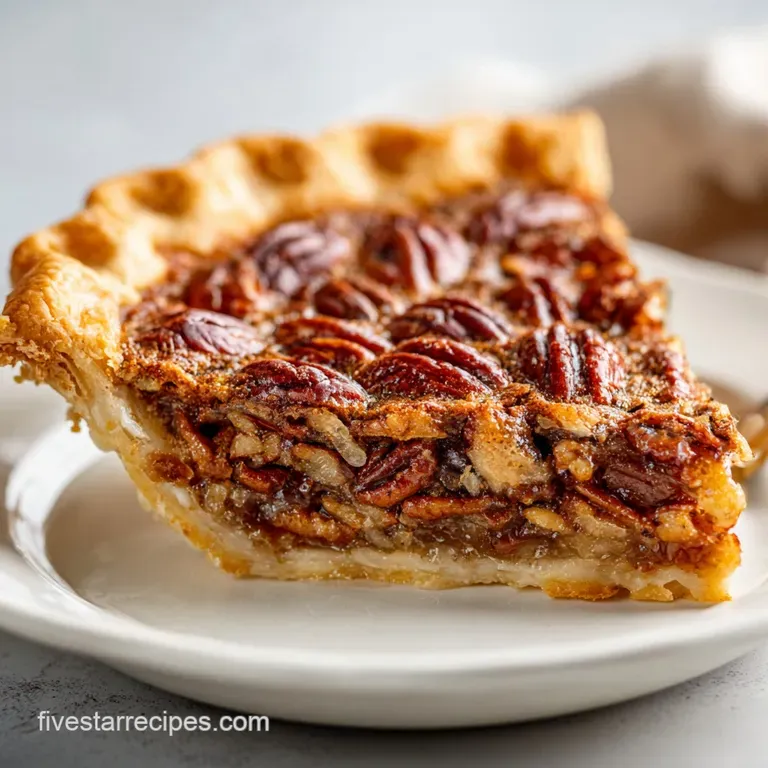
- Time: Active 15 minutes, Passive 50 minutes, Total 1 hours 5 mins
- Flavor/Texture Hook: Shattering flaky crust with a mahogany, bourbon infused gooey center.
- Perfect for: Holiday gatherings requiring a reliable, high impact traditional dessert.
- Precision Baking: The Perfect Pecan Pie Recipe
- Why This Works
- Component Analysis Deep Dive
- The Building Blocks
- Precision Baking Tools
- Methodical Step-by-Step Guide
- Solving Texture Issues
- Scaling Guidelines
- Flavor Mythology
- Proper Storage Techniques
- Ideal Serving Suggestions
- Recipe FAQs
- 📝 Recipe Card
Precision Baking: The Perfect Pecan Pie Recipe
The pecan is the undisputed protagonist of this dish, and frankly, using raw nuts is a mistake we only make once. When you toast 2.5 cups of whole pecan halves at 175°C, something chemical happens.
The volatile oils within the nut migrate to the surface, transforming a dull, waxy texture into a crisp, buttery vessel of flavor. Without this step, your pecans remain soggy, lost in the sea of syrup rather than standing as the crunchy contrast the pie demands.
We are aiming for a specific mahogany depth that only comes from the interaction of dark corn syrup and a splash of bourbon. This isn't just about "sweetness"; it's about creating a complex, five star profile that balances the high fat content of the nuts with sharp, toasted notes.
You'll find that the addition of 1 tbsp of bourbon doesn't make the pie "boozy," but rather acts as a solvent, pulling more aromatic compounds out of the 1 tbsp of pure vanilla extract.
You can expect a slice that holds its shape perfectly on the fork, with a bottom crust that remains crisp enough to snap. We've all seen those pies that slump into a puddle the moment they hit the plate that ends today.
By treating this as a scientific exercise in protein coagulation and moisture management, you will produce a result that is visually stunning and technically flawless.
Why This Works
- Protein Coagulation: The three large eggs provide a structural matrix that, when heated, transforms from liquid to a semi solid gel, effectively "locking" the syrup in place.
- Hydroscopic Moisture Control: The combination of granulated and brown sugars binds with water molecules, preventing the filling from becoming too thin or weeping into the crust.
- Lipid Stabilization: Melted unsalted butter introduces fat that coats the sugar molecules, creating a velvety mouthfeel and preventing the sugar from recrystallizing into a grainy texture.
- The Egg White Barrier: Brushing the chilled crust with egg white creates an insoluble protein film that prevents the liquid filling from migrating into the pastry dough.
- Maillard Intensity: Toasting the pecans for 6 to 8 minutes initiates the Maillard reaction early, ensuring the nut flavor isn't overshadowed by the intense sugar profile.
| Method | Time | Texture | Best For |
|---|---|---|---|
| Classic Oven | 50 minutes | Shattering crust, dense set | Traditional holiday dinners |
| Par Baked Crust | 65 minutes | Ultra crisp bottom, firmer set | High humidity environments |
| No Toast Method | 50 minutes | Soft, chewy nut texture | Those who prefer a milder flavor |
Selecting the right method depends on your environment. If you live in a particularly humid climate, I suggest the par baked route to ensure the crust remains structural. However, for most of us, the classic chilled crust with the egg white barrier is the gold standard for this pecan pie recipe.
Component Analysis Deep Dive
| Ingredient | Science Role | Pro Secret |
|---|---|---|
| Dark Corn Syrup | Prevents sugar crystallization | Use "Dark" for the intense molasses like acidity. |
| Large Eggs | Structural binder/emulsifier | Room temperature eggs incorporate more smoothly. |
| Unsalted Butter | Controls fat to sugar ratio | Cool the melted butter to avoid curdling the eggs. |
| Bourbon | Flavor solvent and aromatic | A high rye bourbon cuts through the heavy sugar. |
The Building Blocks
- 1 9 inch deep dish chilled pie crust: The foundation. Why this? Deep dish provides the volume needed for the 2.5 cups of pecans. (Substitute: Homemade lard based pastry for extra flakiness)
- 1 large egg white: The moisture shield. Why this? It prevents the "soggy bottom" syndrome effectively. (Substitute: A thin layer of melted chocolate)
- 2.5 cups whole pecan halves: The hero. Why this? Halves provide better aesthetics and more consistent crunch than pieces. (Substitute: Walnuts for a more bitter, earthy profile)
- 3 large eggs: The structural architect. Why this? They provide the necessary lift and binding power. (Substitute: 0.75 cup liquid egg substitute)
- 1 cup dark corn syrup: The sweetener. Why this? Provides the "gooey" texture without the risk of graininess. (Substitute: Golden syrup or honey, though it will be less stable)
- 0.5 cup granulated sugar: Structural sweetener. Why this? Assists in the setting of the custard. (Substitute: Caster sugar for faster dissolving)
- 0.25 cup packed light brown sugar: The molasses hit. Why this? Adds moisture and a hint of caramel. (Substitute: Dark brown sugar for a deeper, smokier taste)
- 4 tbsp unsalted butter, melted and cooled: The richness. Why this? Adds a velvety finish to the filling. (Substitute: Browned butter for a nutty, toasted aroma)
- 1 tbsp pure vanilla extract: The aromatic. Why this? Rounds out the sharp sweetness of the syrups. (Substitute: Vanilla bean paste for visual specks)
- 0.5 tsp salt: The balancer. Why this? Essential for cutting through the sugar levels. (Substitute: Flaky sea salt for a textured finish)
- 1 tbsp bourbon: The flavor enhancer. Why this? Adds complexity and bridges the nut and sugar flavors. (Substitute: Dark rum or extra vanilla extract)
Precision Baking Tools
For a five star result, your equipment should match your technique. I always reach for a heavy duty glass or ceramic pie dish because they conduct heat more evenly than thin metal tins.
A balloon whisk is non negotiable for the filling we aren't trying to beat air into the eggs, just ensuring the syrup and sugars are perfectly emulsified into a mahogany liquid.
You'll also need a standard baking sheet. This serves two purposes: it catches any accidental overflows and provides a flat, stable surface that helps the bottom of the pie crust cook more efficiently. Finally,, keep some aluminum foil nearby.
About 30 minutes into the bake, you'll likely need to "tent" the edges. Precision is key; we want a golden crust, not a burnt one.
Methodical step-by-step Guide
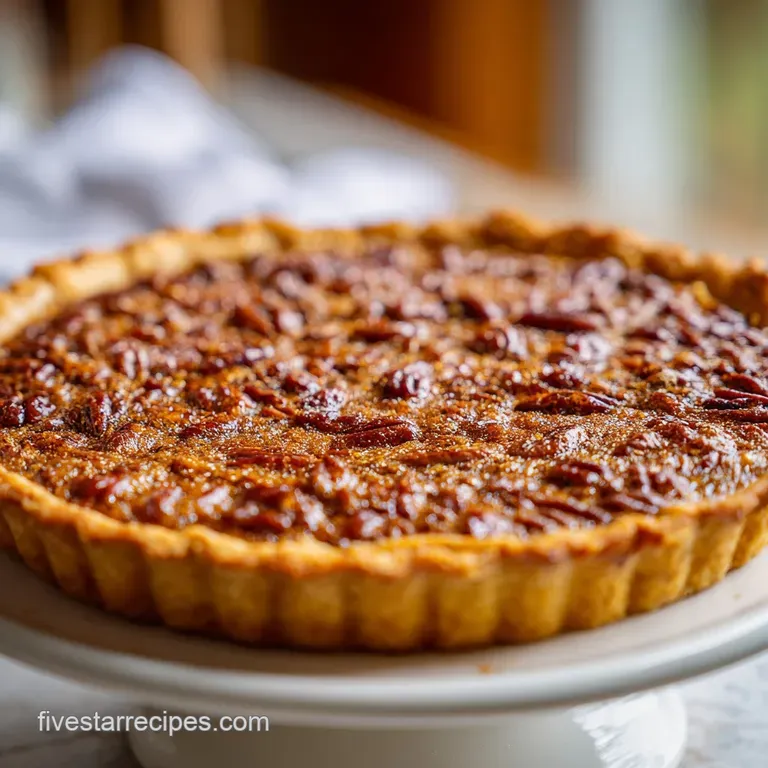
- Heat the oven to 175°C. Spread the 2.5 cups of pecans on a baking sheet and toast for 6 to 8 minutes until they smell like warm butter and the house feels like a bakery.
- Seal the crust by brushing the chilled 9 inch deep dish pie crust with the beaten egg white. Note: This creates an invisible shield that keeps the pastry flaky.
- Whisk the base in a large bowl. Combine the 3 large eggs, 0.5 cup granulated sugar, 0.25 cup light brown sugar, and 1 cup dark corn syrup. Whisk until smooth and mahogany colored.
- Incorporate fats and flavors by slowly stirring in the 4 tbsp of melted (and cooled!) butter, 1 tbsp vanilla, 0.5 tsp salt, and 1 tbsp bourbon.
- Add the pecans to the syrup mixture. Stir gently so you don't break the halves; you want those beautiful whole nuts on top.
- Fill the shell by pouring the mixture into your prepared pie crust. Place the whole assembly onto a baking sheet to prevent any oven cleaning nightmares.
- Bake for 45 to 55 minutes. At the 30 minute mark, check the color. If it's darkening too fast, tent the edges with foil so the crust doesn't over bake.
- Check for doneness by looking for the "gentle jiggle." The edges should be set and firm, but the center should move slightly like gelatin when nudged.
- Cool completely on a wire rack. This is the hardest part, but the custard needs at least 2 to 3 hours to finish setting its molecular structure.
Solving Texture Issues
Why Your Pie Stays Runny
The most common culprit for a runny pie is under baking or slicing too early. The filling is essentially a custard; it requires the residual heat during the cooling phase to reach its final density. If you cut into a warm pie, the syrup will simply flow out because the egg proteins haven't fully tightened their grip.
Another issue can be the temperature of your ingredients. If your eggs are cold, they may not emulsify properly with the butter, leading to an uneven bake. If you find your pie is still liquid after 55 minutes, check your oven temperature with an external thermometer many home ovens run 5 to 10 degrees cool.
| Problem | Root Cause | Solution |
|---|---|---|
| Soggy Bottom | Moisture migration from filling | Use the egg white wash and ensure the crust is chilled before filling. |
| Separated Butter | Butter added while too hot | Cool melted butter to room temperature before whisking into the eggs. |
| Grainy Texture | Sugar didn't dissolve properly | Whisk the eggs and sugars for a full minute before adding the syrup. |
Common Mistakes Checklist
- ✓ Never skip toasting the pecans; it is the difference between "good" and "gourmet."
- ✓ Ensure the butter is cooled; adding hot butter to eggs will cook them prematurely.
- ✓ Resist the urge to over whisk; we want a dense, velvety filling, not a foamy one.
- ✓ Do not slice until the pie is room temperature; the internal set depends on cooling.
- ✓ Use a baking sheet to catch drips and provide even heat distribution to the bottom crust.
Scaling Guidelines
If you need to scale this recipe down for a smaller gathering, you can use a 7 inch tart pan. For the eggs, beat one egg in a small bowl, then use exactly half of it by weight or volume to maintain the 1.5 egg ratio required for a half batch.
Reduce the baking time by approximately 10 to 15 minutes, but keep the 175°C temperature consistent.
For a larger crowd, I recommend making two separate pies rather than trying to double the recipe in one massive dish. The center of a larger pie will struggle to set before the edges burn. If you do double the batch, keep the bourbon and salt at 1.5 times the original amount to avoid overwhelming the other flavors. For a different format entirely, my Pecan Pie Muffins are a foolproof way to serve these flavors in individual portions.
Flavor Mythology
One common myth is that corn syrup is the only way to get a "real" pecan pie. While it is the classic stabilizer, you can technically use maple syrup or honey. However, honey is more hygroscopic (it attracts water), which can lead to a softer, less stable set.
The dark corn syrup in this recipe provides a specific viscosity that mimics the old-fashioned pies of the South without the unpredictability of other sweeteners.
Another misconception is that the bourbon makes the pie "alcoholic." During the 50 minutes of baking, the actual ethanol mostly evaporates, leaving behind only the oak, smoke, and caramel notes of the grain. It's a flavor enhancer, not an intoxicant.
Finally, many believe you shouldn't use salt in such a sweet pie. In reality, the 0.5 tsp of salt is the most important ingredient for making the sweetness palatable and "five star."
Proper Storage Techniques
Storage: This pie is remarkably stable due to its high sugar content. It can stay on the counter for up to 24 hours, but for best results, keep it in the fridge for up to 4 days. Cover it loosely with foil rather than plastic wrap to prevent the crust from becoming soft.
Freezing: Pecan pie freezes beautifully. Wrap the completely cooled pie in a double layer of plastic wrap and then a layer of heavy duty foil. It will stay fresh for up to 3 months. To serve, thaw it overnight in the refrigerator.
Zero Waste: Don't throw away those extra pecan fragments at the bottom of the bag. Toast them along with the halves and pulse them into a fine meal to add to your next batch of pie crust.
If you have leftover filling, it makes an incredible topping for vanilla bean ice cream or stirred into morning oatmeal.
Ideal Serving Suggestions
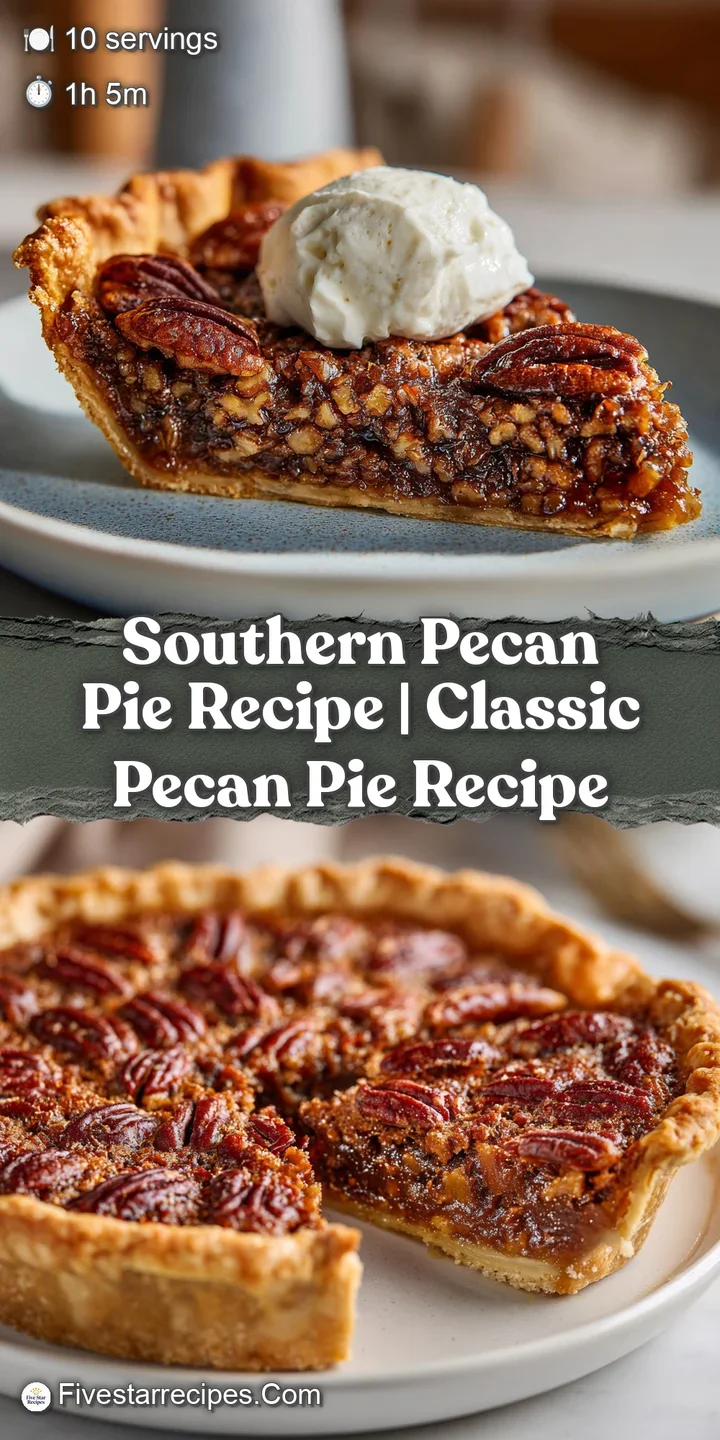
The richness of this pecan pie recipe demands a counterpoint. A dollop of unsweetened whipped cream or a scoop of high-quality vanilla bean ice cream provides the necessary dairy fat to cleanse the palate between sweet bites.
If you want to go the gourmet route, a small sprinkle of Maldon sea salt on top of the finished pie adds a beautiful crystalline crunch and a sharp contrast to the mahogany filling.
For those who find the classic pie too dense, you might enjoy the textural contrast of a Pecan Pie Cheesecake. It offers the same iconic flavor profile but with the added tang of cream cheese, which lightens the overall experience. Regardless of how you serve it, remember that the "jiggle test" is your best friend a perfectly baked pie should feel like a sturdy custard, never a liquid. Trust the precision of the measurements, let it cool completely, and you will have a dessert that is truly world class.
Recipe FAQs
What is the secret ingredient in pecan pie?
Bourbon is the secret enhancer. A tablespoon of bourbon cuts through the intense sweetness of the corn syrup and deepens the complex flavors of the toasted pecans.
What are common pecan pie mistakes?
Slicing before the pie reaches room temperature is the most frequent error. If you cut it while warm, the custard will run; it needs time to set properly into a firm, sliceable texture. If you enjoyed learning the patience required for this, see how we apply similar set-time logic to our Gourmet Ho Ho Cake.
Is light or dark Karo syrup better for pecan pie?
Dark corn syrup is significantly better. It contains more refiner's syrup, which provides a richer, deeper molasses like flavor and a better mahogany color compared to the more neutral light syrup.
Should pecans be toasted before putting in pecan pie?
Yes, always toast your pecans. Toasting them for 6 to 8 minutes at 350°F (175°C) releases essential oils that transform the flavor from raw and bland to deep, buttery, and aromatic.
How to prevent the pie crust from getting soggy?
Brush the chilled crust with a thin layer of egg white before adding the filling. This creates an effective moisture barrier that keeps the bottom pastry crisp despite the syrupy custard.
How to tell when pecan pie is fully cooked?
Look for set edges and a gentle jiggle in the center. Remove the pie from the oven after 45 to 55 minutes; the center should not ripple like liquid, but it should have a slight, set movement when the pan is nudged.
How to stop the crust from burning?
Tent the edges with aluminum foil at the 30-minute mark. This protects the delicate crust from over browning while allowing the center of the pie to finish cooking completely.
Southern Pecan Pie Recipe
Ingredients:
Instructions:
Nutrition Facts:
| Calories | 512 kcal |
|---|---|
| Protein | 5.4 g |
| Fat | 31.4 g |
| Carbs | 56.8 g |
| Fiber | 2.6 g |
| Sugar | 42.1 g |
| Sodium | 238 mg |
