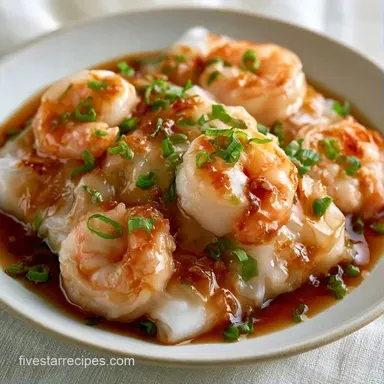
Shrimp Rice Rolls: Authentic Cantonese Style
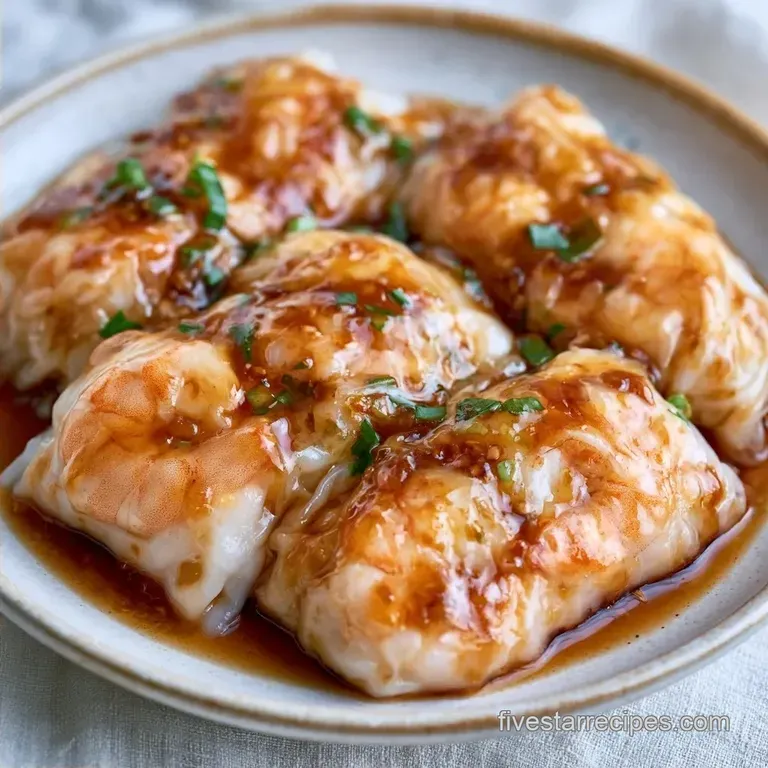
- Time: 15 min active + 15 min cook (Total 40 mins)
- Flavor/Texture Hook: Silky smooth rice sheets with snappy, savory shrimp
- Perfect for: Stunning appetizers or a bold weekend brunch
- Shrimp Rice Rolls: The Dim Sum Classic
- The Magic of Rice Batter
- What Each Ingredient Brings
- Tools for Better Rolls
- Making Shrimp Rice Rolls
- Avoiding Common Roll Errors
- Swapping for Different Diets
- Storage and Reheat Tips
- Serving Your Dim Sum
- Scaling the Recipe
- Kitchen Myths
- Zero Waste Tips
- Recipe FAQs
- 📝 Recipe Card
Shrimp Rice Rolls: The Dim Sum Classic
The sound of a steamer lid rattling while the kitchen fills with that clean, starchy aroma is one of my favorite things. I remember the first time I tried making these. I skipped the strainer, thinking I could just whisk the batter by hand, and ended up with these tiny, annoying flour clumps that ruined the look of the sheets.
They tasted fine, but they looked like they had chickenpox.
Once I started passing the batter through a mesh sieve and letting it rest, everything changed. The sheets became translucent and glossy, exactly like what you get at a high end tea house. These Shrimp Rice Rolls are all about the contrast between the soft, almost gelatinous wrap and the firm, seasoned shrimp inside.
You can expect a dish that feels fancy but actually comes together quite fast. It's a bold way to start a meal, and the sweet savory soy glaze pulls the whole thing together. Trust me on this: the resting period for the batter is not optional if you want those stunning, smooth rolls.
The Magic of Rice Batter
The Starch Mix: Using both rice flour and cornstarch creates a structure that's flexible. Rice flour on its own can be too brittle, but the cornstarch adds that bounce.
Batter Resting: Letting the mixture sit for 10 minutes allows the flour particles to fully hydrate. This stops the sheets from cracking when you roll them.
Steam Control: High heat creates the rapid set needed to keep the sheet from sticking to the tray. If the water isn't boiling, the batter just spreads into a gummy mess.
| Method | Prep Time | Texture | Best For |
|---|---|---|---|
| Stovetop Steamer | 15 mins | Soft & Glossy | Authentic Dim Sum style |
| Oven Steam | 20 mins | Slightly Firmer | Large batches |
What Each Ingredient Brings
| Ingredient | What It Does | Best Swap |
|---|---|---|
| Rice Flour | Creates the base structure | Glutinous rice flour (makes it chewier) |
| Cornstarch | Adds elasticity and "bounce" | Potato starch (similar results) |
| Raw Shrimp | Provides the snappy protein | Firm tofu strips (for vegetarian) |
| Dark Soy Sauce | Adds deep color and caramel notes | Extra light soy + pinch of brown sugar |
Tools for Better Rolls
You don't need a massive commercial steamer, but a few specific tools make the process way easier. A flat, heat proof tray is a must. I use a stainless steel baking sheet that fits inside my steamer basket. If you use a plastic tray, make sure it's BPA free and rated for high heat, otherwise, it might warp.
A silicone scraper is my go to for rolling. Metal spatulas can tear the delicate rice sheets, and fingers often stick to the batter. The silicone just glides. Also, keep a small bowl of vegetable oil nearby to lightly grease your tools and the tray.
For the glaze, a small saucepan is all you need. You want something that lets the liquid reduce quickly so the sauce thickens into a glossy syrup rather than a watery soup.
Making Shrimp Rice Rolls
Preparing the Silk Batter
Whisk 130g rice flour, 32g cornstarch, 1.5g salt, and 415ml water. Stir until the mixture is smooth. Stir in 15ml vegetable oil. Pass the batter through a fine mesh strainer to remove clumps. Let it rest for 10 minutes.
Note: Resting ensures the flour is fully hydrated for a smooth finish.
Flash Steaming the Sheets
Heat your steamer until the water is boiling. Pour a thin layer of batter, about 1/4 inch thick, onto a preheated flat heat proof tray. Cover and steam for 2-3 minutes until the surface is set and no longer tacky. Carefully lift the tray out.
Assembling the Rolls
Mix 225g peeled shrimp with 5g cornstarch, 2.5g salt, 1g white pepper, and 5ml sesame oil. Lay a small handful of marinated shrimp in a line across the center of the steamed sheet. Using a lightly oiled silicone scraper, gently roll the noodle sheet around the shrimp into a tight cylinder.
Glazing the Finish
Simmer 45ml light soy sauce, 15ml dark soy sauce, 25g sugar, 120ml water, and 5ml sesame oil in a small pan over medium heat. Cook until the sugar dissolves and the sauce thickens. Slice the Shrimp Rice Rolls into 2 inch segments and pour the warm glaze over the top.
Avoiding Common Roll Errors
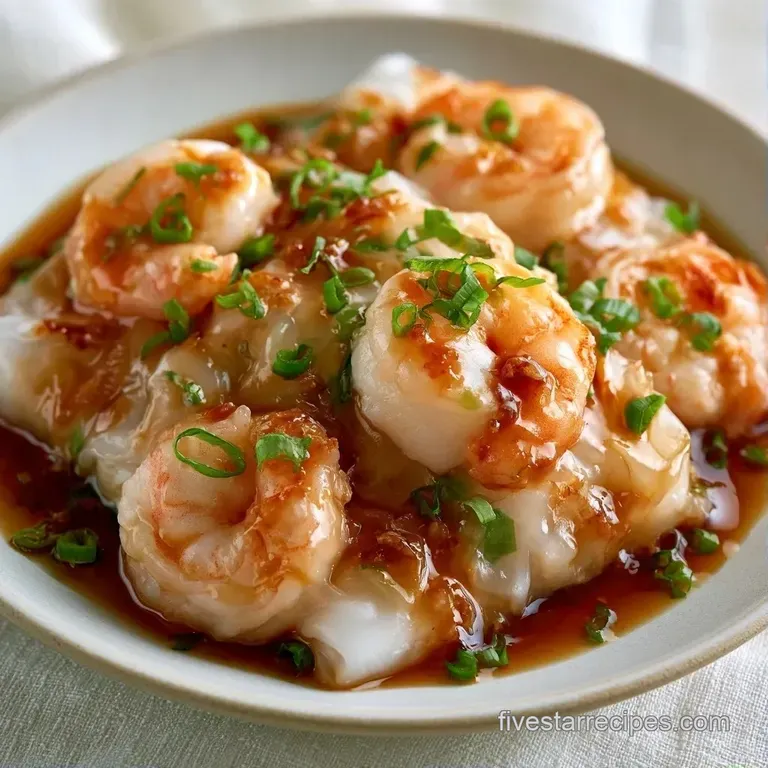
Why Your Sheets Tear
Tearing usually happens because the batter was too thin or didn't rest long enough. If the starch isn't hydrated, the sheet lacks the strength to hold the shrimp. Make sure you use the exact ratio of rice flour to cornstarch.
Stopping the Stick
If the rolls stick to the tray, your tray wasn't hot enough when the batter hit it. Preheating the tray inside the steamer for a minute before pouring the batter creates an immediate sear that helps the sheet release.
Fixing Bland Shrimp
Shrimp can be bland if they aren't marinated. The cornstarch in the shrimp mix isn't just for texture; it helps the salt and pepper cling to the protein. Always marinate for at least 10 minutes before rolling.
| Problem | Root Cause | Solution |
|---|---|---|
| Gummy Sheets | Under steamed | Steam for another 60 seconds |
| Rolls Unravel | Loose rolling | Use a silicone scraper for tighter tension |
| Sauce Too Thin | Not reduced enough | Simmer for 2 more minutes on medium |
Swapping for Different Diets
If you're looking for a different take on this, you can easily tweak the filling. For a more intense flavor, try adding a bit of minced ginger to the shrimp marinade. If you prefer something crunchier, you can try air fried rice rolls instead of the steamed version.
For those avoiding soy, coconut aminos work as a decent substitute in the glaze, though you'll lose that deep mahogany color provided by the dark soy. To make this gluten-free, simply ensure your soy sauces are certified GF or use Tamari.
If you want to skip the shrimp entirely, smoked tofu or marinated shiitake mushrooms provide a similar "bite." Just keep the starch ratio in the batter the same, as that's what gives Shrimp Rice Rolls their signature feel.
Storage and Reheat Tips
Store any leftover rolls in an airtight container in the fridge for up to 2 days. Don't store them with the sauce already poured on, or the sheets will absorb too much liquid and become mushy. Keep the glaze in a separate jar.
To reheat, avoid the microwave if possible, as it can make the rice sheets rubbery. Instead, put them back in the steamer for 2-3 minutes. This restores the moisture and brings back that soft, bouncy texture.
For freezing, I don't recommend freezing the finished rolls. The texture of the rice sheet changes significantly after thawing. Instead, you can freeze the marinated shrimp and reheat them before rolling into fresh sheets.
Serving Your Dim Sum
These rolls look stunning on a long white platter. I like to garnish them with thinly sliced scallions and a sprinkle of toasted sesame seeds for extra crunch. Because they are rich and savory, they pair well with a side of pickled daikon or a light cucumber salad.
If you're serving these as part of a larger spread, they go great with other small plates. For a quicker snack, these shrimp spring rolls are great additions to the table.
The glaze should be poured over the rolls just before serving. This keeps the sheets from getting too soggy and ensures the sauce is warm and glossy. According to Serious Eats, the balance of salt, sugar, and acidity in a dipping sauce is what defines the overall perception of the dish.
Scaling the Recipe
Cutting it in half: If you're just cooking for two, halve the batter and filling. Use a smaller tray to ensure the batter doesn't spread too thin and evaporate. Reduce the steaming time by about 30 seconds.
Doubling the batch: When making a large amount of Shrimp Rice Rolls, work in batches. Don't try to steam four trays at once unless you have a commercial steamer, or the temperature will drop and the sheets will be gummy.
For the glaze, don't double the salt or soy sauce exactly. Increase them to about 1.5x first, then taste. Liquids reduce differently in larger pots, and you don't want the sauce to become overly salty.
Kitchen Myths
Myth: You need a bamboo steamer. You actually don't. Any heat proof flat tray that fits in a steamer pot works perfectly. The bamboo is great for aesthetics and moisture control, but a metal tray is often easier for rolling.
Myth: Rice flour is the only ingredient needed. If you use only rice flour, your rolls will likely crack. The cornstarch is necessary for the elasticity that allows you to roll the sheets without them snapping.
Myth: High heat ruins the shrimp. Since the shrimp are rolled into a pre steamed sheet and then lightly glazed, they don't overcook easily. The short steaming time keeps them snappy.
Zero Waste Tips
Don't throw away the leftover batter if you have a bit left over. You can pour it into a small pan and fry it like a savory pancake. It's a great way to use up the starch and tastes great with a bit of soy sauce.
If you have shrimp shells left over from peeling, don't toss them. Boil the shells with a bit of ginger and onion to make a quick seafood stock. This stock can be used as the water base for the glaze to add more depth to your Shrimp Rice Rolls.
Finally, any leftover glaze can be used as a marinade for grilled tofu or a drizzle for steamed vegetables. Just simmer it for a minute to bring it back to the right consistency.
Recipe FAQs
How to cook shrimp rice rolls?
Whisk rice flour, cornstarch, salt, water, and oil, then steam a thin layer of batter for 2-3 minutes. Fill the set sheet with marinated shrimp and roll into a tight cylinder using a silicone scraper before adding a warm soy-based glaze.
What is typically in a shrimp rice roll?
These rolls consist of a steamed rice and cornstarch sheet filled with shrimp marinated in sesame oil, salt, and white pepper. They are finished with a savory glaze made from light and dark soy sauce, sugar, and sesame oil.
Is it true you must use store-bought rice paper for these rolls?
No, this is a common misconception. These rolls use a homemade batter of rice flour and cornstarch that is steamed into a fresh, soft sheet.
How to reheat shrimp rice rolls?
Steam them for 2-3 minutes. Avoid the microwave, as it makes the rice sheets rubbery; steaming restores the original soft, bouncy texture.
What is the best sauce for shrimp rice rolls?
A warm, thickened glaze made from soy sauce, sugar, and sesame oil. Simmer these ingredients over medium heat until the sugar dissolves and the sauce reaches a syrupy consistency.
What are some great side dishes for shrimp rice rolls?
Fresh cucumber salads or a sweet dessert like mango sticky rice balance the savory soy glaze well. These pairings provide a refreshing contrast to the rich sesame flavors.
Why is my rice sheet sticking or tearing?
Ensure the surface is no longer tacky before lifting and use a lightly oiled silicone scraper. These steps prevent the delicate sheet from clinging to the tray or ripping during the rolling process.
Shrimp Rice Rolls in 40 Minutes