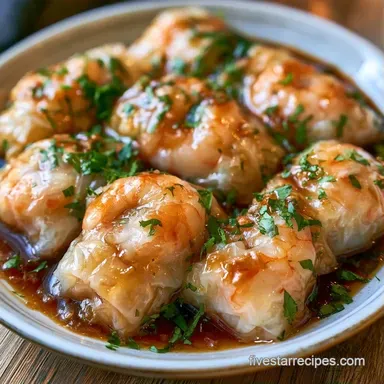
Steamed Shrimp Rice Rolls in 18 Minutes
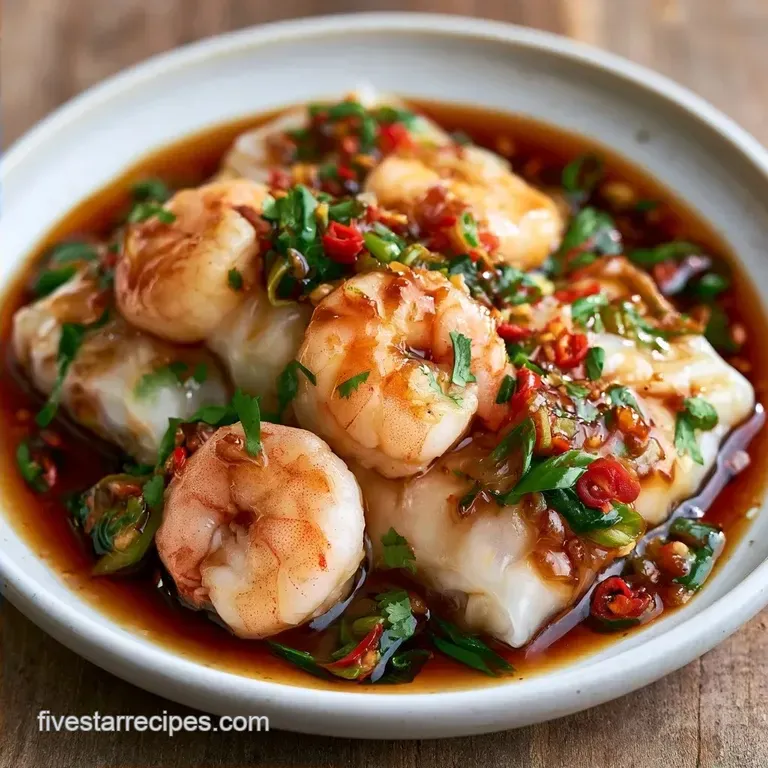
- Time: 10 min active + 8 min cooking
- Flavor/Texture Hook: Bouncy shrimp with a glossy, sweet savory glaze
- Perfect for: A stunning dim sum brunch or high protein appetizer
The scent of toasted sesame oil and steaming shrimp fills the kitchen, and suddenly it feels like a Saturday morning at a bustling dim sum parlor. I usually bring this out when I have a couple of friends over who think they've tried everything in the appetizer world.
It’s the kind of dish that looks like it took an hour of technical skill but actually comes together while you're still chatting and pouring drinks.
Most people avoid this dish because traditional rice noodle sheets are a pain to make from scratch. But we're using a shortcut that doesn't sacrifice the vibe. You get those elegant, translucent rolls that hold a juicy shrimp filling, finished with a sauce that smells like a professional Cantonese kitchen.
These Steamed Shrimp Rice Rolls provide that specific balance of "clean" steamed flavor and a punchy, umami rich glaze. It's a bold starter that wakes up the palate without filling everyone up before the main event.
Quick Guide to Steamed Shrimp Rice Rolls
The Tacky Texture: Beating the shrimp in one direction creates a protein bond that makes the filling bouncy instead of crumbly.
The Paper Hack: Rice paper absorbs moisture quickly during steaming, which transforms it into a soft, chewy texture similar to traditional Cheung Fun.
The Glaze Balance: Sugar and soy sauce reduce together to create a syrup that clings to the rolls rather than pooling at the bottom of the plate.
| Method | Time | Texture | Best For |
|---|---|---|---|
| Rice Paper (Fast) | 18 mins | Chewy & Glossy | Quick Weeknight/Brunch |
| Rice Batter (Classic) | 4+ hours | Silky & Delicate | Traditional Dim Sum |
What Each Ingredient Does
| Ingredient | What It Does | Best Swap |
|---|---|---|
| Raw Shrimp | Provides the bouncy, savory core | Scallops (finely chopped) |
| Rice Paper | Acts as the translucent wrapper | Vietnamese spring roll wraps |
| Cornstarch | Binds filling & thickens glaze | Arrowroot powder |
| Light Soy Sauce | Adds salt and fermented depth | Tamari (for gluten-free) |
The Building Blocks
For the Shrimp Filling
- 8 oz (225g) raw shrimp, peeled, deveined, and roughly chopped Why this? Chopped shrimp creates a cohesive, bouncy paste
- 1 tsp (5ml) sesame oil Why this? Adds a nutty, toasted aroma
- ½ tsp (2.5g) salt
- ¼ tsp (1.2g) white pepper Why this? Sharper heat than black pepper without the specks
- 1 tsp (5g) cornstarch Why this? Locks in moisture so shrimp stay juicy
For the Wrappers
- 6-8 sheets (approx. 150g) circular rice paper wrappers Why this? Easiest way to get the translucent look
- 1 tbsp (15ml) neutral oil Why this? Prevents rolls from sticking to the steamer
For the Sweet Soy Sauce
- 3 tbsp (45ml) light soy sauce
- 2 tbsp (30g) sugar
- ½ cup (120ml) water
- 1 tsp (5g) cornstarch
- 1 tsp (5ml) sesame oil
Bringing It Together
Preparing the Protein
- Toss the chopped shrimp, sesame oil, salt, white pepper, and cornstarch into a medium bowl.
- Mix vigorously in one direction for 30 seconds until the meat feels tacky and sticks to the spoon. Note: Mixing in one direction develops the protein structure
Assembling the Rolls
- Dip one sheet of rice paper into warm water for 5-10 seconds.
- Lay it flat on a clean surface until it's pliable but not dripping.
- Place a spoonful of the shrimp mixture at one end and roll it tightly, tucking the sides in to form a secure cylinder.
Steaming to Perfection
- Grease your bamboo or electric steamer tray with neutral oil.
- Arrange the rolls in a single layer with gaps between them.
- Steam over boiling water for 6-8 minutes until the shrimp turn pink and the paper is translucent. Note: Don't overcrowd or they'll fuse together
Simmering the Glaze
- Combine soy sauce, sugar, and water in a saucepan over medium heat.
- Once it bubbles, whisk in the cornstarch slurry and stir until the sauce thickens into a glossy glaze.
- Stir in the sesame oil and remove from heat immediately.
Troubleshooting Guide
| Issue | Solution |
|---|---|
| Why Your Rolls Stick Together | This usually happens if the rolls are touching in the steamer or if you didn't grease the tray. The rice paper becomes incredibly sticky once the starch gelatinizes. |
| Why Your Shrimp Feel Rubbery | Oversteaming is the culprit here. Shrimp cook fast, and because they are chopped, the surface area is higher. Pull them out the second they hit that opaque pink color. |
| Why Your Sauce Is Too Thin | If the glaze runs off the rolls, you likely didn't simmer it long enough after adding the cornstarch. It should coat the back of a spoon. |
Flavor Variations to Try
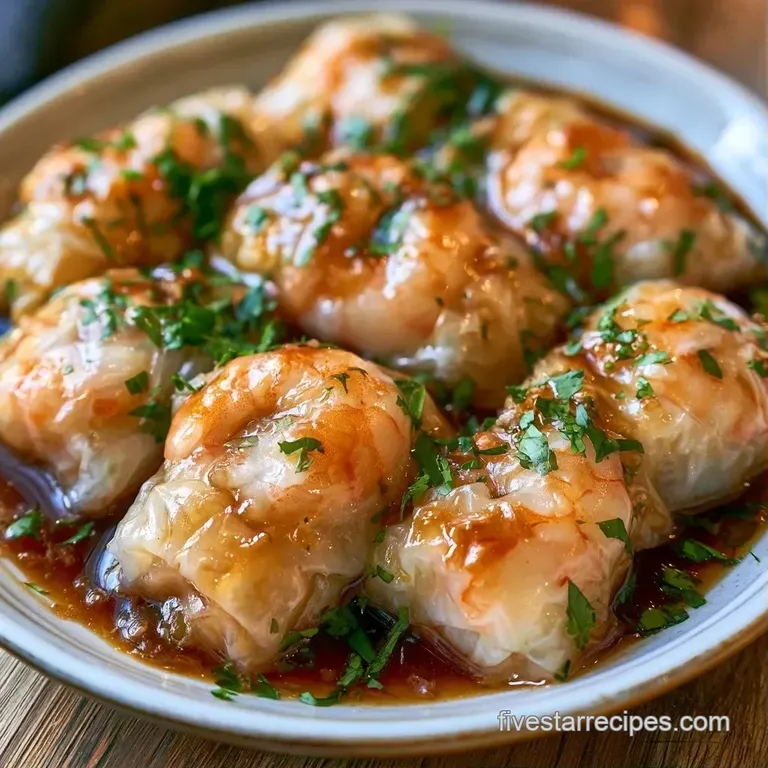
If you want to add a bit of heat, stir a teaspoon of chili crisp into the soy glaze right before serving. For a different texture, you can add finely minced water chestnuts to the shrimp mixture for a satisfying crunch.
For those who prefer something a bit more indulgent, my air fried rice rolls offer a crispier exterior while keeping the shrimp juicy. If you're in a real rush and don't mind the oil, these fried shrimp rolls are a great alternative.
You can also swap the shrimp for crab sticks or a mix of shrimp and scallops for a "house special" version. Just make sure the protein is chopped to a similar size so it cooks evenly.
Adjustment Guidelines
Making a Small Batch
If you're just cooking for one, use 4 oz of shrimp. You'll need to cut the sauce ingredients in half. Since the volume is lower, the glaze will thicken much faster, so keep a close eye on the saucepan.
Scaling Up for a Crowd
When doubling or tripling the recipe, work in batches for the steaming process. If you cram 20 rolls into one steamer, the steam won't circulate, and the middle rolls will stay raw. For the sauce, increase the soy and sugar by 2x, but only increase the cornstarch by 1.5x to avoid a gluey consistency.
| Original | 2x Batch | 4x Batch |
|---|---|---|
| Shrimp (8 oz) | 16 oz | 32 oz |
| Soy Sauce (3 tbsp) | 6 tbsp | 12 tbsp |
| Steam Time (8 min) | 8-10 min | 10-12 min (in batches) |
Common Misconceptions
Some people think you need a specialized steamer cloth to stop the rolls from sticking. While a cloth helps, a simple layer of neutral oil on the bamboo or metal tray works just as well for these rice paper versions.
Another myth is that you must use a specific "rice noodle flour" to get the right texture. By using rice paper, you're using the same base ingredients (rice and water) but in a pre set form, which gives you the same chew without the technical headache.
Storage Guidelines
Store any leftover Steamed Shrimp Rice Rolls in an airtight container in the fridge for up to 3 days. Keep the sauce in a separate jar so the rolls don't get soggy.
To reheat, steam them again for 3-5 minutes. Avoid the microwave if you can, as it can make the rice paper tough and rubbery. If you must use a microwave, cover them with a damp paper towel and heat in 30 second bursts.
For zero waste, if you have leftover shrimp shells from peeling, don't toss them. Simmer the shells with a bit of water, ginger, and onion for 20 minutes to make a quick seafood stock. This stock is great for adding depth to your next batch of steamed rice or a seafood soup.
Perfect Complements
Since these are light and savory, they pair well with something vibrant. A side of smashed cucumber salad with garlic and black vinegar cuts through the sweetness of the glaze.
If you're planning a full dim sum spread, add some steamed edamame or a plate of potstickers. The contrast between the soft, translucent texture of the Steamed Shrimp Rice Rolls and something crispy makes the meal feel complete.
For a drink, a hot pot of jasmine tea is the traditional way to cleanse the palate between bites.
Critical Sodium Level
1550 mg 1,550 mg of sodium per serving (67% 67% of daily value)
The American Heart Association recommends a daily sodium limit of no more than 2,300 mg, with an ideal limit of 1,500 mg for most adults to reduce cardiovascular risk.
Tips to Reduce Sodium
-
Swap Soy Sauce-30%
Replace the light soy sauce with low-sodium soy sauce or coconut aminos to drastically lower the salt content of the glaze.
-
Eliminate Added Salt-25%
Remove the ½ tsp of salt from the shrimp filling; the soy sauce in the sauce provides ample seasoning for the dish.
-
Use Acid for Flavor-15%
Substitute 1 tablespoon of the soy sauce with fresh lime or lemon juice to maintain a bold taste with less sodium.
-
Boost Aromatics
Add freshly grated ginger, minced garlic, or chopped scallions to the shrimp to enhance flavor without adding any salt.
Recipe FAQs
How long to steam shrimp rice rolls?
Steam for 6-8 minutes. Remove them the moment the shrimp turn opaque pink to prevent them from becoming rubbery.
What goes in a rice paper shrimp roll?
Chopped shrimp, sesame oil, salt, white pepper, and cornstarch. These ingredients are mixed and wrapped in circular rice paper sheets.
How to make steamed rice rolls?
Combine shrimp with seasonings and cornstarch, then roll tightly in dampened rice paper. Arrange the rolls in a greased steamer tray and steam over boiling water for 6-8 minutes.
What are common mistakes when making rice paper rolls?
Over soaking the rice paper or neglecting to grease the steamer tray. Excessive water makes the wrappers tear, while a dry tray causes the rolls to stick together.
How to fry Vietnamese rice paper spring rolls?
Deep fry or air fry until golden brown. For a lower oil version, you can make air fryer shrimp rolls for a similar crunch.
What makes spring rolls crispy?
The rapid evaporation of moisture during high heat frying. This process hardens the rice starch, creating a rigid and crunchy exterior.
What is the best sauce for spring rolls?
A thickened soy-based glaze. Simmer light soy sauce, sugar, and water, then whisk in a cornstarch slurry and sesame oil for a glossy finish.
Steamed Shrimp Rice Rolls in 18 Minutes