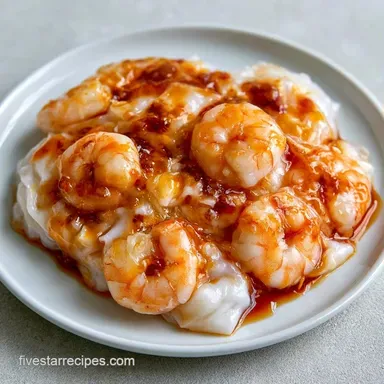
Dim Sum Shrimp Rolls: Authentic Style
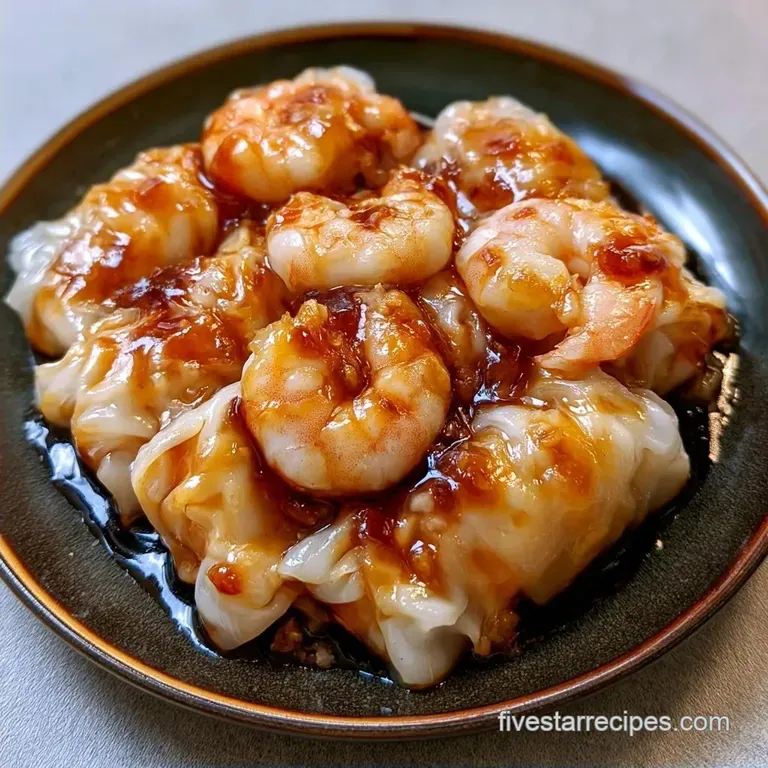
- Time: 15 min active + 10 min cook
- Flavor/Texture Hook: Bouncy, translucent sheets with a sweet savory glaze
- Perfect for: Bold appetizers, weekend brunch, or impressive starters
- Easy Dim Sum Shrimp Rolls
- The Appeal of These Rolls
- Quick Recipe Specs
- Getting Your Ingredients Ready
- Essential Kitchen Tools
- Step-by-Step Cooking Guide
- Fixing Common Roll Issues
- Troubleshooting Common Issues
- Bold Flavor Twists
- Adjusting the Recipe Size
- Debunking Rice Noodle Myths
- Storing and Saving Leftovers
- Great Pairings and Sides
- High in Sodium
- Recipe FAQs
- 📝 Recipe Card
Easy Dim Sum Shrimp Rolls
The smell of steaming rice flour and toasted sesame oil always takes me back to those crowded dim sum halls. I remember the first time I tried making these at home, I didn't let the batter rest, and the sheets just tore apart. It was a mess.
But once I figured out the hydration part, these became my go to when I want something that looks high effort but actually comes together in under an hour.
You get this great contrast between the soft, chewy rice wrap and the snap of the fresh shrimp. It's all about those layers of flavor, starting with the neutral rice base, moving into the seasoned shrimp, and finishing with a salty sweet glaze that ties it all together.
We're making a version of Shrimp Rolls that skips the complicated traditional steamer boxes. We'll use a simple non stick tray to get those smooth, glossy sheets. It's a quick win that tastes like you've been training in a professional kitchen for years.
The Appeal of These Rolls
Right then, let's talk about why this works. You don't need a degree in food science to see that the balance of starches is the key here.
- Starch Blend: Combining rice flour with cornstarch prevents the rolls from becoming too stiff or rubbery.
- Batter Rest: Letting the mixture sit for 10 minutes lets the flour granules fully absorb the water, which stops the sheets from cracking.
- High Heat Steam: A fast, hot steam sets the gelatinous structure quickly so the rolls stay tender instead of getting mushy.
Whether you call them Sum Shrimp Rolls or Shrimp Cheung Fun, the goal is that specific "bounce" when you bite into them. It's a texture that's hard to describe but easy to love.
| Feature | Fresh Batter Method | Rice Paper Shortcut |
|---|---|---|
| Texture | Bouncy and translucent | Chewy and thin |
| Prep Time | 15 minutes | 5 minutes |
| Flavor | Clean, rice forward | Slightly more acidic |
| Effort | Medium | Low |
Quick Recipe Specs
For those of you who like the numbers, here is the breakdown. These Shrimp Rolls are designed for efficiency. We're aiming for a total time of 35 minutes, which is practically a miracle for dim sum.
The yield is 4 servings, and because we're using a steaming tray, you can make a few sheets at a time. Just remember that these are best served immediately while the rice sheets are still soft. If they sit too long, they can tighten up and lose that signature glide.
Getting Your Ingredients Ready
Don't bother with low grade flour here. Get a decent rice flour so your Shrimp Rolls don't taste like raw grain.
For the Rice Batter
- 1 cup (120g) rice flour Why this? Provides the base structure and neutral flavor
- 1/2 cup (60g) cornstarch Why this? Adds the translucency and "bounce"
- 1 1/2 cups (350ml) water
- 1/4 tsp (1.5g) salt
- 1 tsp (5ml) vegetable oil Why this? Prevents the sheets from sticking to the tray
For the Shrimp Filling
- 1/2 lb (225g) raw shrimp, peeled and deveined Why this? Fresh shrimp gives a better snap than frozen
- 1 tbsp (15ml) sesame oil
- 1/4 tsp (1.2g) white pepper Why this? Traditional dim sum flavor without black pepper specks
- 1 pinch (0.5g) salt
- 2 stalks (10g) green onion, finely sliced
For the Signature Sweet Soy Sauce
- 1/4 cup (60ml) light soy sauce
- 2 tbsp (30g) brown sugar
- 1 tbsp (15ml) water
- 1 tsp (5ml) sesame oil
| Original Ingredient | Substitute | Why It Works |
|---|---|---|
| Rice Flour | Glutinous Rice Flour | More chew, but results in a stickier roll |
| Cornstarch | Potato Starch | Similar translucency, slightly firmer bite |
| Light Soy Sauce | Tamari | gluten-free option. Note: Slightly saltier profile |
| Brown Sugar | Honey | Same sweetness. Note: Makes the glaze thicker |
I once tried using all purpose flour just to see what happened. It didn't work. You ended up with a weird, doughy pancake rather than the translucent sheets needed for these Sum Shrimp Rolls. Stick to the rice flour.
Essential Kitchen Tools
You don't need a massive arsenal for this, but a few things make it easier. A non stick steaming tray is the real hero here. If you don't have one, a flat heat proof plate that fits inside your steamer works too.
I use a silicone spatula to roll the Shrimp Rolls. Metal can tear the delicate rice sheets, and your fingers might be too hot if you try to do it manually. A small whisk is also necessary to get the batter completely smooth. According to King Arthur Baking, lumps in starch based batters usually happen because of improper mixing or lack of resting, so take your time with the whisk.
Step-by-step Cooking Guide
Let's crack on. Follow these steps closely to ensure your Shrimp Rolls don't tear.
- Whisk the rice flour, cornstarch, salt, and water in a bowl. Mix until the batter is smooth and free of lumps.
- Stir in the vegetable oil. Let the batter rest for 10 minutes. Note: This is where the flour hydrates for a stronger sheet.
- Grease your non stick steaming tray with a tiny bit of oil.
- Pour a thin layer of batter into the tray, about 1/8 inch thick.
- Steam on high heat for 2-3 minutes until the batter transforms from opaque to a translucent, gelatinous sheet.
- Carefully lift the edge of the noodle sheet with your spatula.
- Place 2-3 seasoned shrimp and a pinch of green onions at one end.
- Gently roll the sheet over the filling, keeping the tension tight.
- Slice each of the Shrimp Rolls into 2 inch segments.
- Simmer the light soy sauce, brown sugar, water, and sesame oil in a pan over medium heat until the sugar dissolves and the sauce thickens slightly. Drizzle the warm glaze over the rolls.
Chef's Note: To get the shrimp perfectly seasoned, toss them in the sesame oil and white pepper about 15 minutes before you start steaming the batter. This lets the flavor penetrate the protein.
Fixing Common Roll Issues
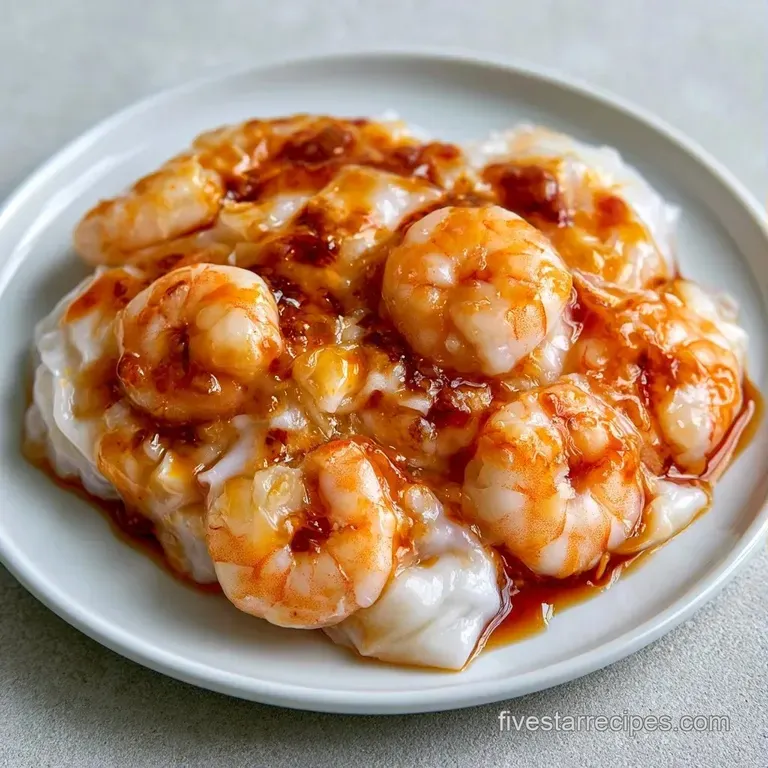
Even the most experienced cooks deal with a few hiccups when making Dim Sum Shrimp Rolls. Most of the time, it's a temperature or ratio problem.
Troubleshooting Common Issues
| Issue | Solution |
|---|---|
| Why Your Wrappers Tear | Tearing usually happens if the batter is too thin or if you under steam the sheet. If the sheet doesn't reach that translucent stage, it won't have the structural integrity to hold the shrimp. |
| Why the Rolls Stick | If your rolls are sticking to each other or the plate, you probably skipped the oil in the batter or didn't grease the tray. The rice starch is naturally very sticky. |
| Why the Sauce is Too Thin | If the glaze runs right off the Shrimp Rolls, it didn't simmer long enough. You want it to have a slight syrupy consistency so it clings to the rice sheet. |
Bold Flavor Twists
Once you've nailed the basic Shrimp Rolls, you can start playing with the fillings. I love adding a bit of heat to contrast the sweet soy glaze.
- Spicy Kick: Add a teaspoon of Sriracha or chili garlic sauce to the shrimp mixture.
- Crunchy Texture: Add finely shredded carrots or bean sprouts inside the roll for a fresh snap.
- Alternative Methods: If you don't have a steamer, you can try making air fried rice rolls for a completely different, crispier experience.
- Protein Swap: Use diced scallops or pieces of fish cake instead of shrimp for a seafood medley.
If you're feeling adventurous, you can also check out fried shrimp rice rolls if you prefer a deep fried version over the steamed one.
Decision Shortcut:
- If you want it spicy → Add chili oil to the glaze.
- If you want it heartier → Add minced pork to the shrimp.
- If you want it lighter → Increase the green onion and add cilantro.
Adjusting the Recipe Size
Scaling Shrimp Rolls is pretty straightforward, but you have to be careful with the steam time.
Scaling Down (Half Batch): If you're just cooking for two, cut everything in half. Use a smaller tray so the batter doesn't spread too thin, or it will overcook in seconds. Reduce your steaming time by about 30 seconds.
Scaling Up (Double or Triple): When making a larger batch for a party, don't triple the salt or white pepper. Increase them to 1.5x first and taste. Work in batches of two sheets; if you crowd the steamer, the temperature drops, and the Shrimp Rolls might become soggy.
Debunking Rice Noodle Myths
You'll hear a lot of advice about these rolls, but some of it is just noise.
One common myth is that you need a professional bamboo steamer to get the right texture. That's not true. Any vessel that can hold steam and a flat surface will work. The key is the heat, not the wood.
Another misconception is that you should wash the rice flour. Rice flour is a processed starch, not a whole grain. Washing it just creates a sticky paste that won't steam properly. Keep it dry until it hits the water.
Storing and Saving Leftovers
These Shrimp Rolls are at their peak the moment they leave the steamer. However, you can save them if you have extras.
Fridge Storage: Keep them in an airtight container for up to 2 days. The sheets will firm up in the cold. To bring them back to life, steam them for 1-2 minutes or microwave them with a damp paper towel over the top.
Freezing: I don't recommend freezing the assembled rolls. The rice sheets often separate from the shrimp during thawing, leaving you with a messy pile. Instead, freeze the seasoned shrimp filling in a freezer bag for up to 2 months.
Zero Waste Tips: If you have leftover rice batter, don't toss it. You can pour it into a pan and fry it like a savory pancake. It's a great way to use up the last bit of the mix. Use any leftover green onion stems in a quick stir fry or a homemade stock.
Great Pairings and Sides
To turn these Shrimp Rolls into a full meal, you need a bit of acidity and crunch to balance the richness of the sesame oil and soy.
A side of pickled daikon or a smashed cucumber salad with rice vinegar works wonders. The brightness of the vinegar cuts through the chewiness of the rice. I also suggest serving these with a side of steamed bok choy or gai lan.
If you're serving these as part of a larger spread, they look stunning on a platter with a few slices of fresh ginger and a small bowl of extra glaze for dipping. These Shrimp Rolls are a bold way to start any international themed dinner party.
High in Sodium
1100 mg 1,100 mg of sodium per serving (48% 48% of daily value)
The American Heart Association recommends a daily sodium limit of 2,300mg to help maintain healthy blood pressure and reduce the risk of heart disease.
Tips to Reduce Sodium
-
Swap the Soy Sauce-30%
Replace the light soy sauce with low-sodium soy sauce or coconut aminos to drastically reduce the primary sodium source.
-
Omit Added Salt-20%
Remove the 1/4 tsp and the pinch of salt from the recipe; the soy sauce already provides enough saltiness for the dish.
-
Add Citrus Brightness-10%
Squeeze fresh lime or lemon juice over the finished shrimp to enhance the flavors without adding any sodium.
-
Increase Aromatics-10%
Add freshly grated ginger or minced garlic to the sauce to provide a bolder taste that compensates for less salt.
-
Enhance with Spices
Increase the white pepper or add a pinch of paprika to add complexity and heat to the batter and sauce.
Recipe FAQs
What is typically in a Chinese shrimp roll?
Shrimp, rice flour, and cornstarch. These rolls use a translucent wrapper made from a rice and cornstarch batter, filled with seasoned shrimp and green onions.
Why are my shrimp roll wrappers tearing?
Under steaming or a batter that is too thin. If the sheet doesn't reach the translucent stage, it won't have the structural integrity to hold the shrimp.
How to tell when the batter sheet is done steaming?
Steam on high heat for 2-3 minutes. The batter is ready once it transforms from opaque to a translucent, gelatinous sheet.
How to reheat leftover shrimp rolls?
Steam for 1-2 minutes or microwave with a damp paper towel. This restores the softness of the rice sheets, which naturally firm up in the fridge.
What are some great side dishes for these rolls?
Pickled vegetables or a fresh slaw. These acidic sides balance the savory soy glaze; if you enjoyed balancing textures here, see how the same principle works in our red cabbage rolls.
Is it true that eggs are required for the wrappers to stay together?
No, this is a common misconception. The combination of rice flour and cornstarch creates a stable, cohesive sheet without the need for eggs.
How to prevent lumps in the batter?
Whisk the flour, cornstarch, salt, and water until smooth. Let the mixture rest for 10 minutes to ensure the flour is fully hydrated.
Shrimp Rolls in 35 Minutes