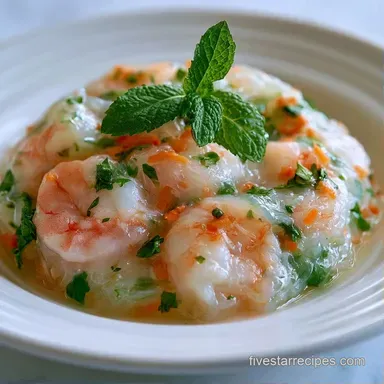
Healthy Shrimp Rice Rolls: Fresh and Crisp
- Time: 20 min active + 5 min cook
- Flavor/Texture Hook: Crunchy veg with a rich, creamy peanut dip
- Perfect for: Summer parties or a light, healthy lunch
The smell of fresh mint and lime always reminds me of those humid afternoons spent at outdoor markets. There is something about the sound of the rice paper hitting the water and the snap of a cold cucumber that just feels like summer.
I remember making these for a group of friends during a heatwave, and they were the only thing anyone wanted to eat because they felt so cooling.
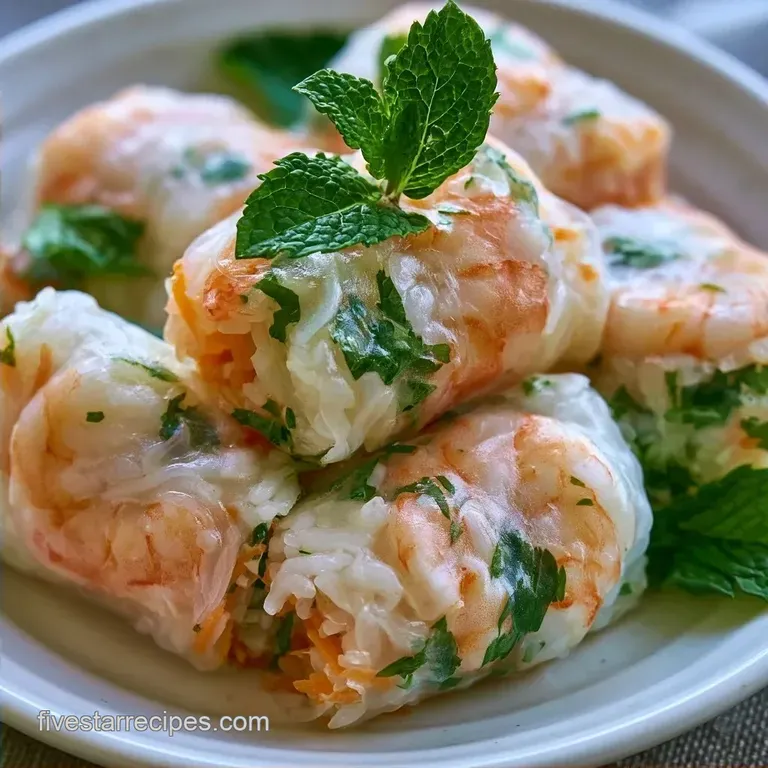
These Shrimp Rice Rolls are a total crowd pleaser. They look like something from a high end bistro, but they're actually quite easy once you get the hang of the rolling technique. You get that contrast of warm, seared shrimp against a chilled, crisp interior.
The goal here is a roll that stays tight and looks clean. We're focusing on layering the colors so the shrimp shows through the translucent paper. It's all about that visual pop and a hit of bold flavor from the peanut sauce.
Making Fresh Shrimp Rice Rolls
- - Lukewarm Water
- Using water that is too hot makes the paper dissolve too quickly, while ice cold water takes forever to soften.
- - Shrimp Placement
- Putting the shrimp on the top third ensures they stay visible through the skin once rolled.
- - Tight Tuck
- Applying firm pressure during the final roll prevents the filling from shifting or creating air gaps.
| Method | Time | Texture | Best For |
|---|---|---|---|
| Fresh (Raw Paper) | 25 mins | Chewy & Crisp | Light Lunches |
| Fried (Oil) | 40 mins | Crunchy & Heavy | Party Apps |
These Vietnamese Shrimp Rice Paper Rolls rely on a few key elements to stay together. If you've ever had a roll that fell apart the second you dipped it, it usually comes down to over hydrating the paper. According to techniques shared by Serious Eats, the paper should still be slightly firm when it hits the board.
Ingredient Deep Dive
| Ingredient | What It Does | Best Swap |
|---|---|---|
| Rice Paper | Provides structure | Soy based wrappers |
| Shrimp | Adds lean protein | Tofu strips |
| Rice Noodles | Adds bulk and chew | Shredded cabbage |
| Peanut Butter | Creates the creamy base | Almond butter |
Essential Kitchen Gear
You don't need a professional kitchen for this. A wide, shallow bowl is the most important tool because it allows the rice paper to flatten out without folding. I use a large ceramic pie dish.
A sharp knife is a must for the julienne vegetables. If your carrots are too thick, the rolls will bulge and likely tear. You want those thin, matchstick cuts for a sleek look.
Finally, a whisk for the sauce. You want the peanut butter to fully incorporate with the hoisin and vinegar so you don't end up with clumps of nut butter at the bottom of the bowl.
Ingredients & Substitutes
- 1 lb medium shrimp, peeled and deveined Why this? Fast cooking time and great snap. (Swap: Prawns)
- 12 circular rice paper wrappers (22cm) Why this? Standard size for a handheld roll. (Swap: Wheat wrappers)
- 4 oz dried thin rice noodles Why this? Neutral flavor that absorbs sauce. (Swap: Vermicelli)
- 2 medium carrots, julienned Why this? Adds a bright orange color and crunch. (Swap: Daikon)
- 1 large cucumber, julienned Why this? Provides a cooling, watery contrast. (Swap: Zucchini)
- 1/2 cup fresh mint leaves Why this? Essential for that aromatic, fresh hit. (Swap: Basil)
- 1/2 cup fresh cilantro leaves Why this? Adds a citrusy, bold note. (Swap: Parsley)
- 1 cup red cabbage, thinly sliced Why this? Adds a stunning purple hue. (Swap: Purple radicchio)
- 1/2 cup creamy unsweetened peanut butter Why this? Richness and stability for the sauce. (Swap: Cashew butter)
- 2 tbsp hoisin sauce Why this? Salty, sweet, and deep flavor. (Swap: Plum sauce)
- 1 tbsp rice vinegar Why this? Cuts through the fat of the peanut butter. (Swap: Apple cider vinegar)
- 4 tbsp warm water Why this? Thins the sauce to a pourable consistency. (Swap: Coconut water)
- 1 tsp fresh lime juice Why this? Brightens the entire flavor profile. (Swap: Lemon juice)
Step by step Guide
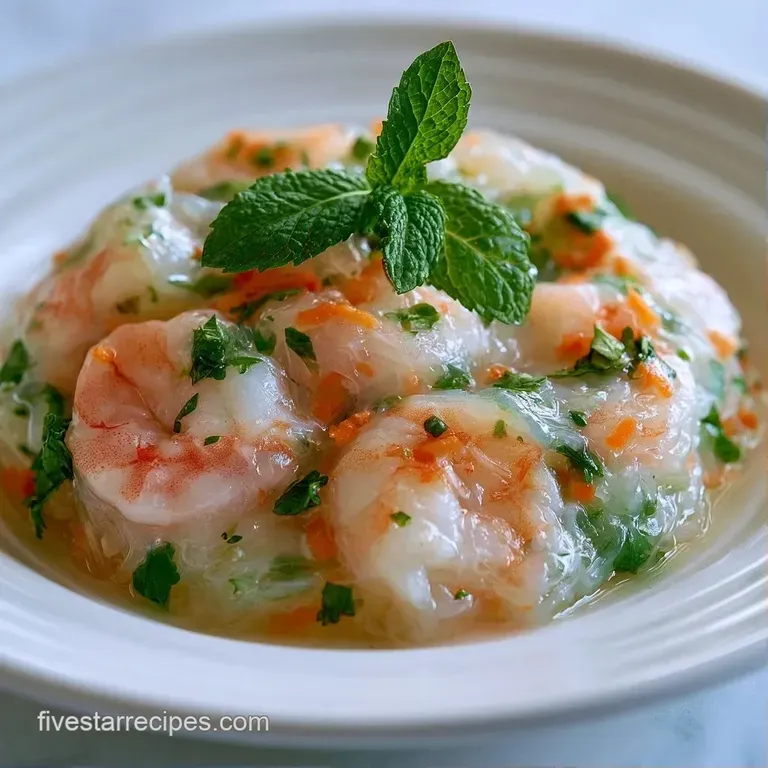
- Bring a pot of water to a boil. Cook the rice vermicelli for 2–3 minutes until tender but firm; drain and rinse with cold water. Note: Rinsing stops the noodles from clumping together.
- Sear the shrimp over medium high heat for 2 minutes per side until opaque and pink. Slice each shrimp in half lengthwise. Note: Slicing them makes the rolls easier to close.
- Fill a wide bowl with lukewarm water. Dip one rice paper sheet for 5 10 seconds until slightly softened but not limp.
- Lay the paper flat on a damp board. On the upper third, arrange 3 shrimp halves (pink side down) and a few mint leaves.
- Below the shrimp, add a small handful of noodles, carrots, cucumber, and cabbage.
- Fold the bottom edge over the filling, fold in both sides like an envelope, and roll forward firmly until the edge seals tightly.
- Whisk together peanut butter, hoisin sauce, rice vinegar, warm water, and lime juice until smooth and glossy for the dipping sauce.
- Repeat the process for the remaining 11 Shrimp Rice Rolls.
- Arrange on a platter and serve immediately with the peanut dip.
Chef's Note: If the rice paper feels too sticky while you're rolling, keep a damp paper towel nearby to wipe your fingers. It prevents the wrapper from clinging to your skin instead of the filling.
Common Fixes and Tips
I've had my fair share of "roll disasters." The most common is the "balloon effect," where there is too much air inside the roll, making it unstable. The fix is to press down firmly on the vegetables before you start the first fold.
Torn Rice Paper
This happens when the paper is either under hydrated (too stiff) or over hydrated (too mushy). If it's too stiff, it cracks. If it's too wet, it tears under the weight of the shrimp. Aim for that "just pliable" stage.
Sticking Issues
Rice paper is naturally tacky. If your Shrimp Rice Rolls are sticking together on the plate, leave a small gap between them or place a piece of mint leaf between each roll.
Stopping the "Soggy Roll" Syndrome
Overcooking the noodles or using watery cucumbers can make the wrapper soggy from the inside. Ensure your julienned veg is patted dry with a towel before rolling.
| Problem | Root Cause | Solution |
|---|---|---|
| Wrapper tears | Too much water | Dip for 5 seconds only |
| Roll is loose | Not enough tension | Pull tighter during final fold |
| Sauce is chunky | Cold peanut butter | Use warm water to thin |
Adjusting the Batch Size
When making a smaller batch, like 6 rolls, you can't really halve a single shrimp, so just use the amount of protein you need and scale the vegetables accordingly. Reduce the sauce volume by half, but keep the lime juice the same to maintain the brightness.
For a larger party (24-36 rolls), don't try to prep everything at once. Prep all the veg and shrimp first, then roll in batches of six. If you roll 30 at once, the first few will start to dry out or stick together before you finish.
According to USDA FoodData, shrimp is a lean protein, so you can easily double the shrimp amount if you want a heartier version without adding too many calories.
| Sauce Style | Base | Key Add in | Vibe |
|---|---|---|---|
| Classic | Peanut | Hoisin | Rich & Savory |
| Spicy | Peanut | Sriracha | Bold & Zesty |
| Light | Rice Vinegar | Sesame Oil | Clean & Tangy |
Truth About the Rolls
You don't actually need a bamboo rolling mat. While they're common in some kitchens, your hands are actually better for feeling the tension of the rice paper. A mat can sometimes over compress the vegetables, squeezing out the juice and making the roll soggy.
Some people think you need boiling water to soften the wrappers. That's a mistake. Boiling water cooks the starch too quickly and turns the paper into a gummy mess. Lukewarm water is the way to go.
Storage and Scraps
Store these in an airtight container in the fridge for up to 2 days. However, be warned that the rice paper will naturally tighten and the vegetables will lose some of their crunch. If you like this style, my Shrimp Rice Noodle Rolls are another great option for meal prep.
To prevent them from sticking in the fridge, line the container with parchment paper. When you're ready to eat, don't microwave them that will turn the paper into a rubbery film. Just let them come to room temperature for 10 minutes.
For zero waste, take the leftover carrot ends and cucumber peels and toss them into a freezer bag for homemade veggie stock. The cabbage cores can be thinly sliced and added to a stir fry or a slaw for another meal.
Serving Suggestions
These are stunning on a platter with the peanut sauce in a central bowl. To add more variety, serve them alongside a few pieces of fresh pineapple or mango slices. The sweetness of the fruit cuts through the richness of the peanut butter.
If you want something with more color, try these Red Cabbage Shrimp Rolls. They use more of the purple cabbage for a more dramatic look. For a different texture, you could experiment with Shrimp Rice Paper Rolls Air Fryer style to get a crispy exterior.
You can also try Steamed Shrimp Rice Paper Rolls for a softer, more dumpling like experience. For those looking for a Healthy Shrimp Spring Roll Recipe, keep the peanut sauce on the side and use a light soy ginger dressing instead.
If you're tracking calories, Low Calorie Shrimp Rice Rolls work best when you increase the cucumber ratio and decrease the peanut butter.
Regardless of the variation, the beauty of these Shrimp Rice Rolls is how they bring a fresh, international energy to the table. They are a light, vibrant way to start a meal that leaves everyone feeling satisfied but not stuffed. Just remember to keep that paper dip short and your tuck tight, and you're all set.
Recipe FAQs
How to prevent rice paper from tearing during rolling?
Dip the sheets for only 5 10 seconds. Use lukewarm water until the paper is slightly softened but not limp to ensure it stays strong enough to hold the filling.
What is the best sauce for shrimp rice rolls?
A creamy peanut dipping sauce. Whisk together peanut butter, hoisin, rice vinegar, warm water, and lime juice for a balanced flavor; if you need a quicker version, try my spring roll sauce which is ready in 5 minutes.
How to stop rice noodles from clumping together?
Rinse them with cold water immediately after draining. This process removes the excess surface starch that causes the noodles to stick to each other.
How to prepare the shrimp for easier rolling?
Slice each seared shrimp in half lengthwise. This creates a flat profile that allows the rice paper to close firmly without bulging or ripping.
Is it true that rice paper should be soaked until completely limp?
No, this is a common misconception. You only want the paper slightly softened; if it becomes fully limp, it becomes overly sticky and much more prone to tearing.
How to store these rolls to prevent them from sticking?
Line an airtight container with parchment paper. This provides a non-stick barrier, though be aware the rice paper will naturally tighten over two days in the fridge.
How to reheat the rolls without making them rubbery?
Let them sit at room temperature for 10 minutes. Never use a microwave, as the heat transforms the rice paper into a rubbery, unappealing film.
Shrimp Rice Rolls 2