Whipped Goat Cheese Board: Velvety and Tangy
- Time: 10 min active + 2 min cooking = Total 12 mins
- Flavor/Texture Hook: Velvety cheese with a pomegranate shatter
- Perfect for: Dinner party starters or a bold brunch spread
Whipped Goat Cheese Board
The sharp, zesty scent of fresh lemon hitting a wooden board always takes me back to the small markets in Provence. I remember watching the local cheesemongers handle chèvre like it was gold, treating the goat cheese not just as food, but as a cultural anchor for the whole region.
In France, the apéritif hour isn't just about drinks, it's about that specific moment of transition from the workday to the evening, usually centered around something salty and tangy.
But here's the thing: traditional goat cheese can sometimes feel too dense or overwhelming for a crowd. I wanted that rustic French soul but with a texture that felt lighter, almost like a cloud. That's how this Whipped Goat Cheese Board became my go to. By introducing air and a bit of Greek yogurt, we transform a heavy log of cheese into something that feels modern and international, especially when you add those jewel like pomegranate seeds.
You can expect a platter that hits every single taste bud. You've got the salt from the sea salt, the acid from the lemon, the fat from the cheese, and the sweetness from the honey. It's a bold way to start a meal that looks like it took hours of work, but honestly, it's just a few minutes in a food processor.
Trust me, your guests will think you spent the whole afternoon on this.
Why This Works
The magic here isn't about fancy ingredients, it's about how we change the structure of the fat. When you whip the cheese, you're basically trapping tiny bubbles of air within the fat globules, which is why it goes from a thick paste to a velvety cream.
This is similar to how we treat heavy cream for a topping, though the goat cheese has more structure.
- Air Incorporation
- Rapid pulsing creates tiny air pockets, making the cheese feel lighter on the tongue.
- Acid Balance
- The lemon juice cuts through the heavy fat, preventing the cheese from feeling too "cloying".
- Textural Contrast
- The toasted walnuts and pomegranate seeds provide a necessary shatter to contrast the smooth base.
- Stability
- Greek yogurt adds a touch of moisture without breaking the emulsion, according to Serious Eats, which helps maintain those soft peaks.
If you're planning a larger spread, this pairs beautifully with my Meat and Cracker Platter, which adds a savory, cured element to the table.
Serving Size Calculator
| Guests | Goat Cheese | Greek Yogurt | Honey Amount | Baguette Slices |
|---|---|---|---|---|
| 4 People | 4 oz | 2 tbsp | 1 tbsp | 8-10 slices |
| 8 People | 8 oz | 1/4 cup | 2 tbsp | 16-20 slices |
| 16 People | 16 oz | 1/2 cup | 4 tbsp | 32-40 slices |
The Ingredient Breakdown
Before we get into the "how," let's talk about the "what." Not all goat cheeses are created equal. You want the soft, spreadable kind, often sold as a log. If you use a hard, aged goat cheese, you'll end up with a grainy mess instead of a velvety swirl.
Component Analysis
| Ingredient | Science Role | Pro Secret |
|---|---|---|
| Soft Goat Cheese | Structural Fat | Use room temp to avoid lumps |
| Greek Yogurt | Hydration/Tang | Full fat version prevents splitting |
| Lemon Zest | Aromatic Oil | Zest before juicing for more oil |
| Raw Honey | Natural Glaze | Warm it slightly for a smoother pour |
Required Kitchen Gear
You don't need a professional kitchen for this, but a few specific tools make the process faster. A food processor is the gold standard here because it incorporates air much faster than a hand mixer. If you're using a hand mixer, just be prepared to spend an extra few minutes beating the cheese to get those soft peaks.
For the board itself, a wooden platter or a slate slab works best. Wood absorbs a bit of the moisture from the cheese, which helps the base stay put instead of sliding around the plate. A small offset spatula or just the back of a spoon is all you need to create that signature spiral well for the honey.
Prep to Plate Guide
Right then, let's crack on. Make sure your cheese is truly at room temperature. If it's too cold, the processor will just chop it into chunks rather than whipping it into a cream.
- Place the room temperature goat cheese in a food processor and pulse until the cheese begins to break down. Note: This prevents large lumps from remaining in the final dip.
- Add the Greek yogurt, lemon juice, lemon zest, and sea salt to the processor.
- Process on high for 2-3 minutes until the mixture transforms from a thick paste into a light, fluffy cream. You're looking for soft peaks that hold their shape.
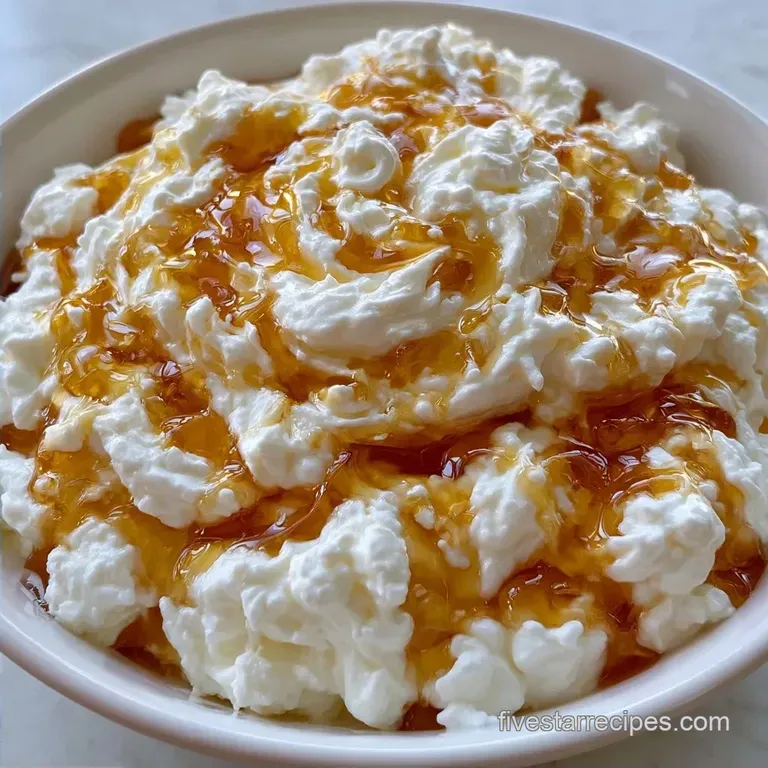
- Spoon the whipped mixture onto the center of a wooden serving board, using the back of a spoon to create a deep spiral well. Note: The deeper the well, the more honey it can hold without overflowing.
- Slowly drizzle the raw honey into the center of the spiral.
- Press the toasted walnuts and fresh pomegranate seeds into the cheese, focusing on the edges of the honey swirl.
- Garnish with fresh thyme leaves.
- Toast the baguette slices for 2 mins until they are golden and crackling.
- Arrange the toasted baguette slices or cucumber rounds around the perimeter of the board.
Chef's Note: To get that professional look, don't just sprinkle the pomegranate. Press them in clusters. It creates a more organic, gourmet feel.
Fix Common Issues

Even the easiest recipes can go sideways. Usually, it's a temperature issue or a ratio problem. If your cheese feels too heavy, you might have skipped the high speed processing phase.
Troubleshooting Common Issues
| Issue | Solution |
|---|---|
| Why Your Cheese Is Grainy | This usually happens if the goat cheese was too cold when it hit the processor. The fat doesn't emulsify with the yogurt, leaving tiny hard bits. Let it sit for 30 minutes and whip it again. |
| Why the Base Is Too Runny | Too much yogurt or lemon juice can break the structure. If it doesn't hold a peak, fold in an extra ounce of cold goat cheese by hand to thicken it back up. |
| Why Honey Is Soaking In | If the cheese is too porous, the honey will disappear into the base. Make sure you create a smooth, compressed spiral with the spoon before pouring the honey. |
Quick Fix Table
| Problem | Root Cause | Solution |
|---|---|---|
| Lumpy texture | Cheese too cold | Let warm, then re whip |
| Bland taste | Lack of salt/acid | Add a pinch more salt or lemon |
| Honey bleeding | Base too soft | Chill board 10 mins before honey |
Common Mistakes Checklist
- ✓ Used room temperature cheese (Cold cheese = lumps)
- ✓ Zested the lemon before juicing (Easier to grate)
- ✓ Processed for the full 3 minutes (Ensures aeration)
- ✓ Pressed toppings in rather than sprinkling (Better stability)
- ✓ Toasted bread just before serving (Prevents sogginess)
Easy Dietary Swaps
Depending on who's coming over, you might need to pivot on a few ingredients. This recipe is quite flexible, but keep in mind that fat is what holds the air, so low-fat swaps will change the texture.
| Original Ingredient | Substitute | Why It Works |
|---|---|---|
| Soft Goat Cheese | Feta (soaked) | Similar tang. Note: Texture will be grainier |
| Greek Yogurt | Labneh | Thicker consistency. Note: Adds more saltiness |
| Raw Honey | Maple Syrup | Similar sweetness. Note: Lighter color, less floral |
| Baguette | Cucumber Rounds | Fresh crunch. Note: Lower calorie, high water content |
| Walnuts | Pistachios | Bold color and flavor. Note: Slightly sweeter profile |
If you're looking for a low carb alternative, almond flour crackers work well, though they lack the shatter of a toasted baguette. For a dairy-free version, you can use a cashew based "goat cheese" alternative, though you'll need to increase the whipping time as plant fats behave differently.
Texture Comparison: Baguette Toasting
| Method | Time | Texture | Best For |
|---|---|---|---|
| Oven | 5-8 mins | Uniformly crisp | Large batches |
| Stovetop | 2-3 mins | Buttery and charred | Small batches, bold flavor |
Scaling the Spread
Scaling this is pretty straightforward, but you can't just multiply everything linearly if you're going huge.
For a smaller batch (half), use a small food processor or a handheld mixer. Since the volume is lower, reduce the processing time by about 20% so you don't over work the fats and cause the mixture to split.
When scaling up for a party (2x or 4x), work in batches. If you overfill your processor, the cheese at the bottom won't get aerated, and you'll end up with a split texture. Also, be careful with the salt. I suggest only increasing the salt to 1.5x for a double batch, then tasting.
Too much salt can draw moisture out of the cheese, making the board weep.
Storage and Waste
If you have leftovers, store the whipped cheese in an airtight container in the fridge for up to 4 days. The honey and toppings are better added fresh, so if you're prepping ahead, store the base separately.
To reheat the baguette, a quick 30 seconds in a toaster oven brings back that shatter. Do not microwave the bread, or it will turn into rubber.
For zero waste, don't toss those lemon hulls. You can freeze them to use in your garbage disposal for a fresh scent, or simmer them in a pot of water with a cinnamon stick to make a natural room freshener. If you have leftover pomegranate seeds, they are stunning in a morning yogurt bowl or tossed into a spinach salad.
Pairing Suggestions
To make this a full experience, you need the right drink and side. The acidity of the goat cheese loves something that can stand up to it. A Classic Margarita is a surprising but brilliant pairing, as the lime and tequila cut through the richness of the cheese and honey.
For a non alcoholic option, a sparkling pomegranate spritzer echoes the toppings on the board. If you're serving this as part of a larger appetizer spread, include some chilled olives or marinated artichokes to provide a briny contrast to the sweet honey. According to USDA FoodData, the pomegranate seeds provide a great hit of antioxidants, making the board feel a bit more balanced.
Whether you're hosting a fancy cocktail hour or just want a bold snack for a movie night, this Whipped Goat Cheese Board delivers a high impact look with very little effort. Just remember to keep that cheese warm and that processor running until it's truly fluffy. Enjoy!
Recipe FAQs
What do you whip goat cheese with?
Greek yogurt, lemon juice, lemon zest, and sea salt. These ingredients break down the density of the cheese to create a light, fluffy cream.
Is it true that goat cheese must be cold to whip properly?
No, this is a common misconception. You must use room-temperature goat cheese so the fat emulsifies with the yogurt; otherwise, the texture will remain grainy.
What goes well with whipped goat cheese?
Raw honey, toasted walnuts, pomegranate seeds, and fresh thyme. These pairings provide a balance of sweetness and crunch when served with toasted baguette slices or cucumber rounds.
How to make the perfect whipped cheese board?
Process room-temperature cheese and yogurt for 2–3 minutes until soft peaks form. Spoon the mixture into a spiral on a platter, then drizzle with honey and press in walnuts and pomegranate seeds.
How to fix whipped cheese that is too runny?
Fold in an extra ounce of cold goat cheese by hand. This thickens the base if too much yogurt or lemon juice was added during processing.
Is goat cheese a good choice for a cheese board?
Yes, it adds a creamy, tangy element that contrasts well with harder cheeses. If you enjoy this texture, you can apply similar pairing logic to a mini charcuterie board.
How to prep a board for a special occasion like Valentine's Day?
Arrange the whipped goat cheese in the center of a wooden board. Garnish with red pomegranate seeds and heart-shaped toasted baguette slices for a romantic visual appeal.
Whipped Goat Cheese Board in 12 Minutes