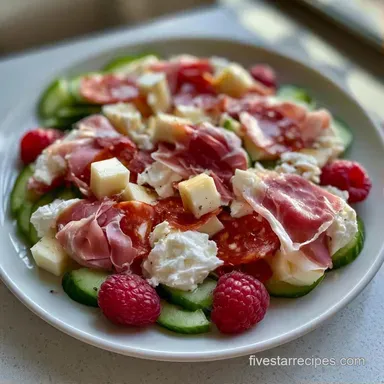
Mini Charcuterie Board: Fresh and Individual
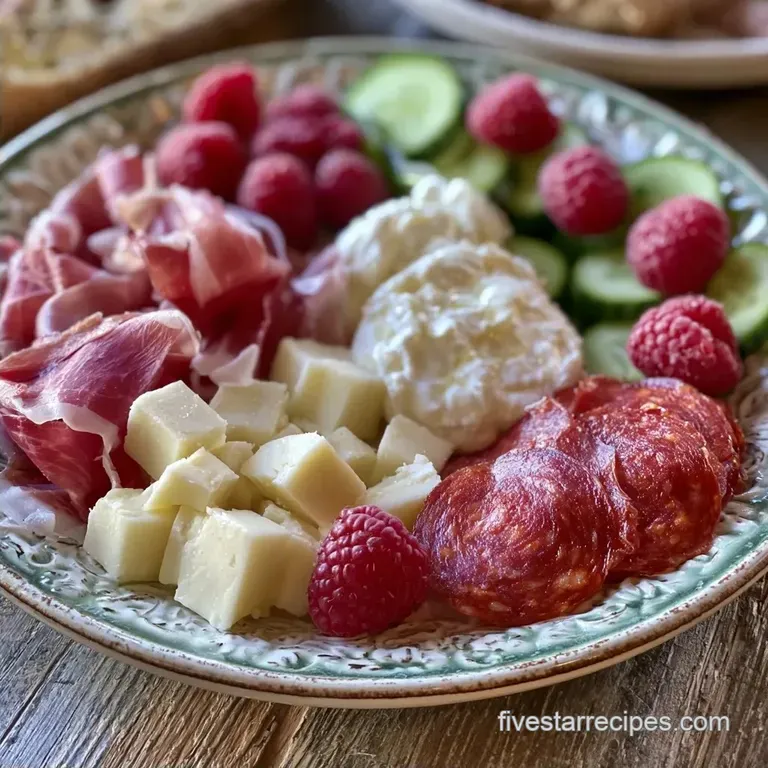
- Time:20 minutes active = Total 20 minutes
- Flavor/Texture Hook: Salty cured meats paired with velvety cheese and a shatter crisp cracker
- Perfect for: Solo treats, date night starters, or a sophisticated lunch
- Building Your Mini Charcuterie Board
- How the Flavors Balance
- Component Analysis
- Ingredients & Substitutes
- Bringing It Together
- Fixing Common Assembly Issues
- Troubleshooting Common Issues
- Adjusting For More People
- Flavor Myths
- Storage and Freshness Tips
- Visual Styling Hacks
- Critical Sodium Level
- Recipe FAQs
- 📝 Recipe Card
Ever wondered why the smallest plates at high end bistros always look more stunning than the massive party platters we struggle with at home? There is something about the constraint of a small space that forces you to be intentional.
When you're not just filling a giant wooden slab with random snacks, you start noticing how the pungent, salty scent of prosciutto actually changes when it's paired with a tiny drop of honey.
I remember the first time I tried making a small plate for a friend. I just threw things on a saucer, and by the time we sat down, the olives had leaked juice all over the crackers, turning them into soggy cardboard. It was a disaster. I realized then that a Mini Charcuterie Board isn't just a "small version" of a big board, it's a completely different game of spatial awareness and flavor layering.
Trust me on this, once you get the proportions right, you'll never go back to those oversized, messy platters. We're talking about a concentrated burst of international flavors where every single bite is curated.
It's about that specific moment when the sharp tang of white cheddar hits the sweetness of a fresh raspberry, and suddenly your taste buds are awake.
Building Your Mini Charcuterie Board
The secret to this recipe is all about the interplay of intensities. You can't just pick things you like; you have to pick things that fight each other in a good way. I've found that the best boards use a "high low" strategy, mixing expensive cured meats with simple, fresh elements like cucumber.
When you're assembling an Individual Charcuterie Board, the goal is to create a landscape. You want peaks and valleys. If everything is flat, it looks like a snack plate. If you fold your meats and cluster your cheeses, it looks like a piece of art. It's the difference between a pile of food and a curated experience.
Right then, let's look at what's actually happening behind the scenes. Most people just graze, but if you want that "wow" factor, you have to think about the structural integrity of the board. You don't want your goat cheese migrating toward the edge of the plate the moment you pick it up.
How the Flavors Balance
The Salt Sweet Bridge: Honey and raspberries act as a buffer for the intense salt in prosciutto and olives, preventing "palate fatigue" where everything starts tasting the same.
Textural Contrast: Pairing the velvety softness of goat cheese with the raw crunch of almonds ensures that each bite feels different in your mouth.
Acidic Cleansing: The brine from the green olives cuts through the heavy fats of the cheddar and pepperoni, refreshing your tongue for the next flavor.
Spatial Anchoring: Placing a heavy ramekin first creates a physical stop, preventing the smaller, rounder ingredients from rolling across the board.
| Budget Level | Ingredient Choice | Impact on Taste | Potential Savings |
|---|---|---|---|
| Premium | Prosciutto di Parma | Deep, nutty saltiness | - |
| Budget | Thin sliced Black Forest Ham | Sweeter, milder salt | $3-5 per board |
| Premium | Aged Manchego | Complex, sheep's milk tang | - |
| Budget | Sharp White Cheddar | Bold, familiar punch | $2-4 per board |
This balance is key because, without the acidity, the fat from the cheeses can feel cloying. If you're looking for more ways to play with these contrasts, you might enjoy my whipped feta dip which uses a similar balance of salt and honey.
Component Analysis
| Ingredient | Science Role | Pro Secret |
|---|---|---|
| Prosciutto | Umami Base | Fold into "roses" to create height and air pockets |
| Goat Cheese | Creamy Acid | Keep chilled until the last second for easier shaping |
| Honey | Flavor Binder | Use raw honey for a more floral, complex aroma |
| Whole Grain Crackers | Structural Crunch | Keep them furthest from the cucumber to avoid moisture |
Ingredients & Substitutes
- 2 oz prosciutto, thinly sliced Why this? High umami and easy to fold. (Substitute: Serrano ham for a smokier note)
- 1 oz turkey pepperoni Why this? Adds a spicy, firm texture. (Substitute: Salami for a more traditional feel)
- 1 oz sharp white cheddar, cubed Why this? Provides a bold, salty bite. (Substitute: Aged Gouda for a nuttier taste)
- 1 oz goat cheese, chilled Why this? Adds a velvety, tangy contrast. (Substitute: Brie for a buttery richness)
- 1/2 cup cucumber slices Why this? Freshness and hydration. (Substitute: Radish slices for a peppery kick)
- 60g fresh raspberries Why this? Tart sweetness. (Substitute: Blueberries for a milder sweetness)
- 30g green olives, pitted Why this? Briny acid cut. (Substitute: Kalamata olives for a deeper salt profile)
- 15g whole grain crackers Why this? Hearty, neutral base. (Substitute: gluten-free seed crackers for a nuttier crunch)
- 1 tbsp raw almonds Why this? Earthy crunch. (Substitute: Walnut halves for a more bitter edge)
- 1 tsp honey Why this? Ties salty and tangy together. (Substitute: Fig jam for a thicker, fruitier binder)
Bringing It Together
- Place a small ramekin containing the honey slightly off center on the board to act as the anchor. Note: This stops everything else from shifting.
- Arrange the cubed sharp white cheddar and goat cheese in a small cluster adjacent to the ramekin to create a stable foundation.
- Fold the prosciutto into ribbons or roses to add height and tuck the turkey pepperoni in small, overlapping stacks to create a visual border.
- Tuck the cucumber slices and raspberries into the remaining open spaces on the board. Until the board looks lush and full.
- Scatter the raw almonds and green olives into the smallest crevices until the bottom of the board is no longer visible. Note: This is the "gap filling" stage.
- Place the whole grain crackers on the board, ensuring they are separated from wet ingredients like olives and cucumbers by the cheese or nuts to prevent sogginess.
- Check the aroma; you should smell the brine of the olives and the floral honey hitting you first.
- Give the board a gentle shake to ensure the "anchor" ingredients are holding everything in place.
Chef's Tip: Try freezing your goat cheese for 10 minutes before cubing it. It prevents the cheese from sticking to the knife, giving you those clean, professional edges.
Fixing Common Assembly Issues
Troubleshooting Common Issues
| Issue | Solution |
|---|---|
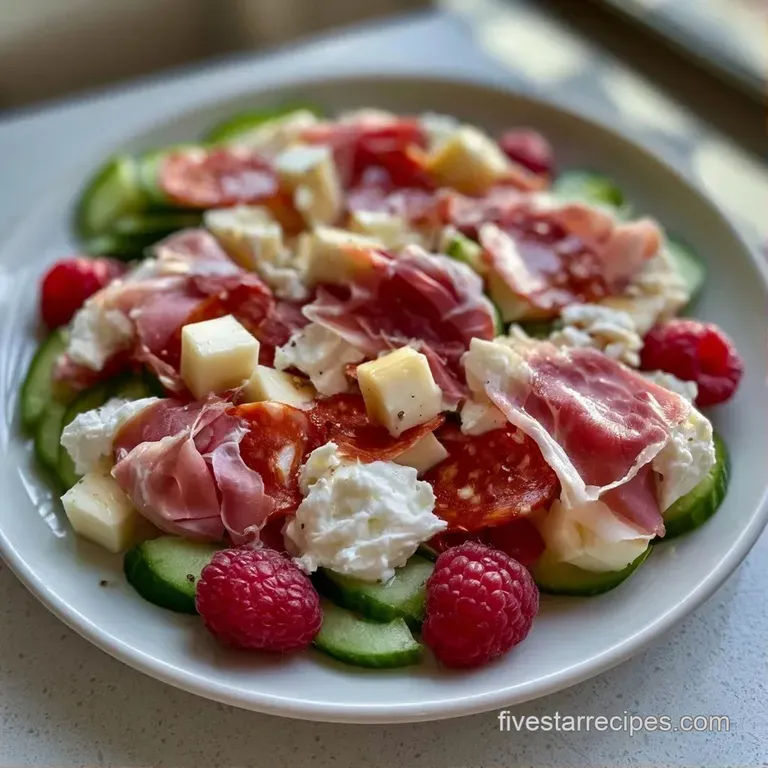
| Why Your Board Looks Flat | If your Mini Charcuterie Board looks like a cafeteria tray, you've missed the "height" phase. The key is folding. Instead of laying prosciutto flat, bunch it up. |
| Why Your Crackers Get Soggy | This usually happens because of "moisture migration." According to food safety and quality standards, high moisture vegetables like cucumbers release water over time. |
| Why Ingredients Slide Around | You probably didn't use an anchor. Without a ramekin or a large piece of cheese to act as a wall, the smaller items (olives, nuts) will slide the moment you tilt the plate. |
Common Mistakes Checklist
- ✓ Using room temperature goat cheese (too soft to shape)
- ✓ Overcrowding the center (blocks the anchor)
- ✓ Forgetting the acid (too much fat, no balance)
- ✓ Placing crackers first (they get buried and soggy)
- ✓ Using pre cut fruit (often too wet/mushy)
Adjusting For More People
If you're moving from a single serving to a larger group, don't just multiply everything by ten and throw it on one giant board. I've found that creating several Individual Charcuterie Board Ideas is much more impressive and hygienic.
For a group of 4-6, I recommend using a larger platter but maintaining the "cluster" method. Instead of one honey ramekin, use three smaller ones spread across the board. This creates multiple anchor points. Keep the meat to cheese ratio at about 2:1 to ensure the board doesn't feel too heavy.
When scaling up, be careful with the salt. If you're adding more olives and prosciutto, increase the raspberries and cucumber proportionally. If you don't, the overall salt level will become overwhelming. If you want a more filling appetizer for a crowd, you could serve these alongside some easy baked jalapeno poppers for an extra kick of heat.
Flavor Myths
"Charcuterie must be expensive." Not true. You don't need a 20 year aged Iberico ham. A sharp white cheddar from the grocery store and some decent turkey pepperoni can be just as satisfying if the balance of sweet and acid is there.
"More variety is always better." Actually, too many ingredients on a Mini Individual Charcuterie Board DIY project can clutter the palate. It's better to have five things that work perfectly together than fifteen things that clash.
Storage and Freshness Tips
Store the assembled board in an airtight container in the fridge for up to 24 hours. However, I strongly suggest keeping the crackers in their original packaging until the moment you serve. If you refrigerate the crackers, they can absorb the smells of the cured meats, which ruins their neutral flavor.
For the leftovers, don't toss the remaining olives or nuts. I like to toss the leftover olives and feta into a quick pasta salad. Any remaining prosciutto can be crisped up in a pan for 2 minutes and used as a salty topping for a salad.
Visual Styling Hacks
To get that professional look, focus on the "Rule of Odds." Place your raspberries in groups of three or five. It's a weird quirk of human perception, but odd numbers look more natural and less staged.
Use a "S curve" for your proteins. Instead of a straight line of pepperoni, curve it across the board. This leads the eye through the different flavors. Finally, make sure there's no "dead space." If you see the board's surface, fill it with a single almond or a raspberry. A dense board looks abundant and luxurious.
Critical Sodium Level
1603 mg 1,603 mg of sodium per serving (70% 70% of daily value)
The American Heart Association recommends a daily sodium limit of 2,300mg, with an ideal limit of 1,500mg for most adults.
Tips to Reduce Sodium
-
Replace Processed Meats-25%
Swap the prosciutto and turkey pepperoni for fresh, uncured lean meats or grilled chicken breast to drastically lower salt intake.
-
Rinse or Replace Olives-20%
Rinse green olives under cold water to remove excess brine, or replace them with fresh cherry tomatoes for a similar burst of flavor.
-
Choose Low-Sodium Cheese-15%
Replace the sharp white cheddar with a lower sodium alternative like Swiss cheese or reduce the total amount of cheese used.
-
Switch to Unsalted Crackers-15%
Use unsalted whole grain crackers or replace the crackers entirely with sliced bell peppers or cucumber rounds.
-
Enhance with Fresh Aromatics
Add freshly cracked black pepper, lemon zest, or fresh basil to add depth and brightness without adding any sodium.
Recipe FAQs
How to make a mini charcuterie board?
Place a small ramekin of honey slightly off-center to act as an anchor. Arrange your cheeses around it, then fill the remaining space with cured meats, produce, and whole grain crackers.
How do I prevent my board from looking flat?
Fold your meats to create height. Instead of laying prosciutto flat, bunch it into ribbons or roses to add visual dimension and a professional look.
Why are my crackers getting soggy on the board?
Separate wet ingredients from the crackers. Use the cubed sharp white cheddar or raw almonds as a physical buffer between crackers and moisture heavy items like cucumber slices or green olives.
What are the best items for a small charcuterie board?
Combine salty, sweet, and acidic elements. Use sharp white cheddar, goat cheese, prosciutto, turkey pepperoni, fresh raspberries, cucumber slices, green olives, raw almonds, and honey.
How to make a Valentine's Day charcuterie board?
Fold the prosciutto into roses to add a romantic touch. Pair these with bright red raspberries and a honey ramekin for a polished, themed presentation.
How long can I store an assembled charcuterie board?
Keep it in an airtight container for up to 24 hours. Store the whole grain crackers separately until the moment of serving to prevent them from absorbing odors from the cured meats.
What should I serve with a mini charcuterie board for a full brunch?
Pair it with something sweet and fluffy. If you enjoyed balancing salty and sweet flavors here, see how that same contrast works in our banana pancakes.
Mini Charcuterie Board in 20 Minutes