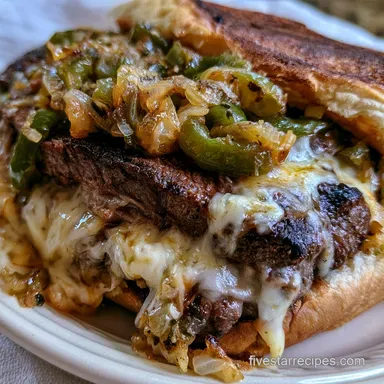
Philly Cheesesteak: Failure-Proof and Tender
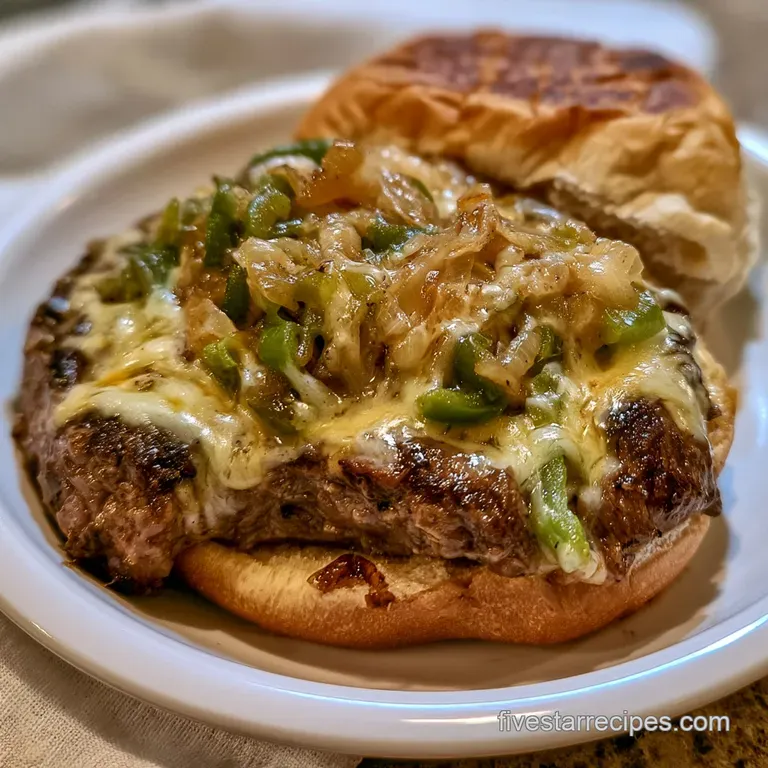
- Time:20 minutes active + 30 minutes freezing = Total 1 hours 5 mins
- Flavor/Texture Hook: Searing ribeye for a brown crust with a buttery, garlic toasted crunch
- Perfect for: Game day hosting, a gourmet weekend dinner, or impressive date night
- The Best Philly Cheesesteak Recipe
- Why This Recipe Works
- Meat and Veggie Analysis
- What You'll Need
- Equipment Needed
- From Prep to Plate
- Common Mistakes & Troubleshooting
- Variations & Substitutions
- Steak House Myths
- Storage & Reheating
- What to Serve This With
- Critical Sodium Level
- Recipe FAQs
- 📝 Recipe Card
The Best Philly Cheesesteak Recipe
The sizzle of thinly shaved ribeye hitting a smoking hot pan is a sound I can still hear if I close my eyes. A few years back, I spent a weekend in Philadelphia, convinced that the only way to get that specific, melt in-your mouth texture was to have a massive, industrial flat top grill.
I spent weeks trying to replicate it at home with mediocre results, mostly because I was treating the steak like a traditional steak.
The real epiphany came when I stopped trying to "cook" the meat and started trying to "sear" it. Forget everything you know about medium rare steaks here. In a philly cheesesteak recipe, the goal isn't a pink center; it's about those tiny, charred edges and a velvety cheese melt that binds everything together.
You don't need a professional kitchen to do this; you just need a heavy pan and a bit of patience with your prep.
Trust me on this: the magic is in the temperature contrast. We're talking about ice cold beef hitting a scorching pan, paired with rolls that are toasted just until they shatter slightly when you bite into them. It's a balance of rich fats, sharp provolone, and the sweetness of caramelized onions. Let's crack on.
Why This Recipe Works
- The Flash Freeze: Chilling the ribeye for 30 minutes firms up the muscle fibers, allowing you to slice it into paper thin shavings that cook in seconds.
- over High heat Searing: Using a high smoke point oil on a high flame creates a savory crust on the beef without overcooking the center.
- Steam Melting: Covering the meat with a lid for 30 seconds creates a mini steam chamber, ensuring the provolone melts into every crevice.
- Garlic Butter Barrier: Toasting the rolls with garlic butter creates a crisp seal, preventing the meat juices from making the bread soggy.
| Method | Time | Texture | Best For |
|---|---|---|---|
| Fast (Ground Beef) | 20 mins | Crumbly | Quick weeknight meal |
| Classic (Ribeye) | 65 mins | Velvety/Tender | Special occasions |
Meat and Veggie Analysis
| Ingredient | Science Role | Pro Secret |
|---|---|---|
| Ribeye Steak | Fat distribution | Freeze for 30 mins for easier slicing |
| Provolone | Melting point | Use slices, not shredded, for better coverage |
| Vegetable Oil | Heat conductor | Prevents sticking at very high temperatures |
| Unsalted Butter | Flavor carrier | Sauté onions in butter for deeper sweetness |
What You'll Need
For the steak, we're using high-quality ribeye. Honestly, don't even bother with lean cuts like sirloin here; you need the intramuscular fat to keep the meat juicy during the over high heat sear.
- 1.5 lb (680g) ribeye steak, thinly shaved Why this? High fat content prevents dryness
- 1 tsp kosher salt Why this? Coarse grains season evenly
- 1 tsp cracked black pepper Why this? Adds a pungent, woody heat
- 2 tbsp vegetable oil Why this? High smoke point for searing
- 1 large yellow onion, thinly sliced Why this? Sweeter when caramelized
- 1 large green bell pepper, thinly sliced Why this? Classic aromatic bitterness
- 2 tbsp unsalted butter Why this? Adds richness to vegetables
- 4 hoagie rolls Why this? Sturdy enough for heavy fillings
- 8 oz (225g) provolone cheese Why this? Superior melt and mild tang
- 2 tbsp melted butter Why this? For the toasted crust
- 1 clove garlic, minced Why this? aromatic punch for the bread
If you can't find ribeye, you can use top sirloin, but be careful not to overcook it or it will become rubbery. For the bread, look for "Italian" or "French" rolls that have a slightly crisp exterior.
Equipment Needed
You don't need a Blackstone, but a heavy bottomed skillet is non negotiable. I prefer a cast iron skillet because it holds heat better, which is essential for this philly cheesesteak recipe.
If you use a thin non stick pan, the temperature will drop the moment the meat hits the surface, and you'll end up boiling the beef in its own juices instead of searing it.
You'll also need a sharp chef's knife for those thin slices. If your knife is dull, you'll end up tearing the meat instead of slicing it. A wide metal spatula is also a must for chopping the beef directly in the pan.
From Prep to Plate
- Chill the beef. Place the ribeye steak in the freezer for 30 minutes to firm up. Note: This makes the meat easier to slice thinly.
- Slice and season. Once firmed, slice against the grain into paper thin shavings and season with salt and black pepper. For the best results, follow the steak slicing guide from Serious Eats to ensure the grain is correctly identified.
- Sauté the veg. Melt 2 tablespoons of butter in a skillet over medium high heat. Add sliced onions and peppers, sautéing 5-7 mins until translucent and golden brown. Move vegetables to the side of the pan.
- Sear the beef. Increase heat to high and add vegetable oil. Add the beef in a single layer and sear undisturbed for 2 mins until a brown crust forms.
- Chop the steak. Use your spatula to chop the beef into smaller bits and stir until just browned.
- Melt the cheese. Divide the meat into four equal mounds. Top each mound with provolone cheese slices and cover with a lid for 30 seconds until the cheese is fully melted and velvety.
- Prepare garlic butter. Combine melted butter and minced garlic in a small bowl.
- Toast the rolls. Brush the interior of the hoagie rolls with the garlic butter and toast in a separate pan until golden brown.
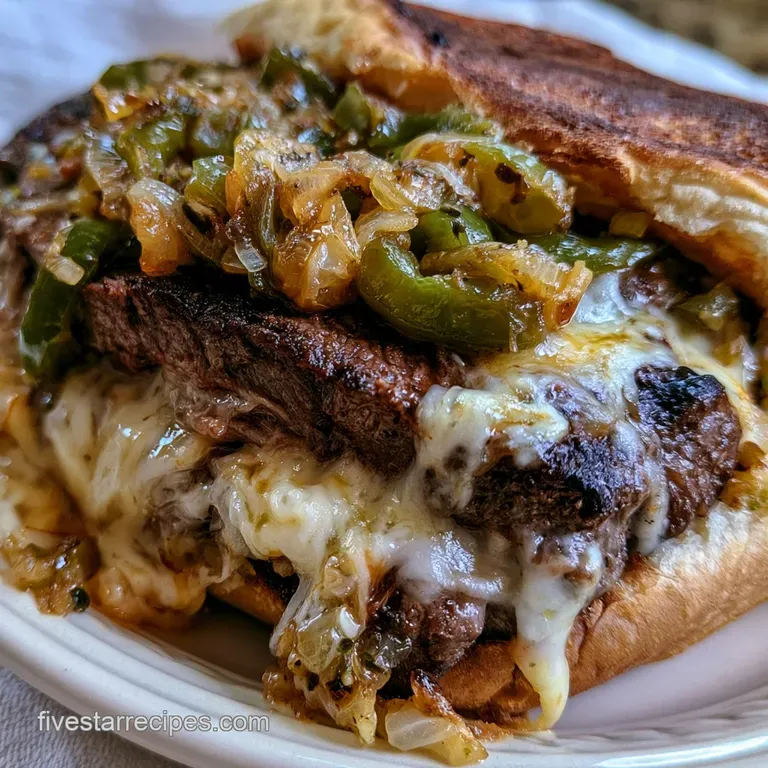
- Assemble. Using a spatula, scoop the cheesy meat and sautéed vegetables into the toasted rolls.
Chef's Note: Don't overcrowd the pan when searing the meat. If you put too much in at once, the temperature drops, and you lose that crucial sizzle. Work in two batches if your skillet is small.
Common Mistakes & Troubleshooting
| Issue | Solution |
|---|---|
| Why Your Meat Is Chewy | If the beef feels rubbery, you likely sliced with the grain or overcooked the meat. Ribeye is forgiving, but high heat for too long will toughen the fibers. Ensure you slice across the muscle fibers f |
| Why Your Bread Is Soggy | Sogginess happens when the meat juices soak directly into the crumb of the bread. Toasting the roll with butter creates a fat barrier that keeps the bread crisp even with all those juicy fillings. |
| Why Cheese Isn't Melting | If the cheese isn't draping over the meat, you've missed the steam step. Using a lid for just 30 seconds traps the heat and moisture, forcing the provolone to melt instantly. |
Success Checklist:
- ✓ Beef was frozen for at least 30 mins
- ✓ Sliced against the grain
- ✓ Pan was smoking hot before adding oil
- ✓ Rolls were buttered and toasted
- ✓ Lid used to melt the cheese
Variations & Substitutions
While this authentic philly cheesesteak recipe uses ribeye and provolone, you can tweak it based on what's in your fridge. If you want something a bit lighter, you can substitute the provolone for Swiss or sharp white cheddar.
For those who don't have hoagie rolls, you can actually use a toasted garlic naan bread as a unique, softer alternative that holds the toppings well. If you're looking for a different protein, you can use philly cheesesteak ground beef for a quicker, more budget friendly version, though you'll lose that steakhouse texture.
- If you want it spicier
- Add sliced jalapeños to the onion mix.
- If you want it creamier
- Use a mix of provolone and cream cheese.
- If you're using a Blackstone
- Cook the meat and veg in separate zones, then drag them together for the cheese melt.
| Original Ingredient | Substitute | Why It Works |
|---|---|---|
| Ribeye Steak | Top Sirloin | Leaner option. Note: Cooks faster, higher risk of toughness |
| Provolone | White American | Melts more smoothly. Note: Less complex flavor than provolone |
| Hoagie Roll | Ciabatta | Great crust. Note: Denser crumb, may require more toasting |
Steak House Myths
One common misconception is that you need a professional flat top grill to achieve the "authentic" taste. The truth is that a cast iron skillet provides the same thermal mass and heat retention as a commercial griddle. As long as your pan is heavy, the result is identical.
Another myth is that you should "seal in the juices" by searing. In reality, searing doesn't lock moisture in it creates flavor through browning. The reason this philly cheesesteak recipe stays juicy is the fat content of the ribeye and the short cooking time, not a "seal" on the meat.
Storage & Reheating
If you have leftovers, store the meat and vegetable mixture in an airtight container in the fridge for up to 3 days. I strongly recommend storing the bread separately. If you store the assembled sandwiches, the bread will inevitably become soggy.
To reheat, avoid the microwave if you can. Instead, place the meat mixture in a skillet over medium heat with a tiny splash of water or butter to loosen the cheese. Once hot, slide it into a fresh, toasted roll. If you must use a microwave, heat the filling first, then add it to the bread to keep the texture intact.
For zero waste, use any leftover sliced onions and peppers as a base for a breakfast omelet or a topping for a homemade burger.
What to Serve This With
Because this dish is so rich and buttery, you need sides that cut through the fat. A crisp coleslaw with a vinegar based dressing or a side of salty, seasoned fries is the traditional route.
If you want something a bit more balanced, a simple arugula salad with a lemon vinaigrette works wonders. The peppery greens and acidity cleanse the palate between bites of that cheesy beef. For a drink, a cold ginger ale or a crisp lager complements the savory notes of the garlic butter and provolone perfectly.
Critical Sodium Level
1420 mg 1,420 mg of sodium per serving (62% 62% of daily value)
The American Heart Association recommends a daily sodium limit of 2,300 mg, though an ideal limit of 1,500 mg is suggested for most adults to reduce cardiovascular risk.
Tips to Reduce Sodium in Your Philly Cheesesteak
-
Omit Added Salt-25%
Completely remove the kosher salt from the steak seasoning; the provolone cheese provides enough salinity to flavor the meat.
-
Modify the Cheese-15%
Substitute the standard provolone for a low-sodium provolone or reduce the total amount of cheese used per sandwich.
-
Choose Better Bread-10%
Swap store-bought hoagie rolls for low-sodium bread options or a homemade version to avoid processed sodium additives.
-
Boost Flavor with Aromatics
Increase the minced garlic or add fresh cracked black pepper and dried oregano to enhance the taste without adding salt.
Recipe FAQs
What is the secret ingredient in Philly cheesesteak?
There is no secret ingredient, just high-quality ribeye and provolone. The real magic comes from searing the meat on high heat and using garlic butter on the rolls.
What goes in an authentic Philly cheesesteak?
Ribeye steak, provolone cheese, yellow onion, green bell pepper, and hoagie rolls. Keep it simple with salt and black pepper to let the beef flavor stand out.
What seasonings do I use for Philly cheesesteaks?
Stick to kosher salt and cracked black pepper. These basic seasonings enhance the natural richness of the ribeye without masking the taste of the melted cheese.
What is the sauce on Philly cheesesteak?
Traditional cheesesteaks do not use a sauce. The moisture comes from the melted provolone and the garlic butter used to toast the bread.
How to prevent the bread from getting soggy?
Toast the interior of the rolls with garlic butter. This creates a fat barrier that stops meat juices from soaking into the bread. If you enjoyed the savory garlic butter technique here, see how we use a similar garlic cheese profile in our stuffed mushrooms.
Is it true that you must cook the meat for a long time to make it tender?
No, this is a common misconception. Searing thinly shaved ribeye undisturbed for 2 minutes on high heat creates a perfect crust while keeping the meat tender.
How to slice the ribeye for paper thin shavings?
Place the steak in the freezer for 30 minutes to firm up. Once chilled, slice against the grain to ensure the meat is easy to chew and not rubbery.
Philly Cheesesteak Recipe: Tender Ribeye