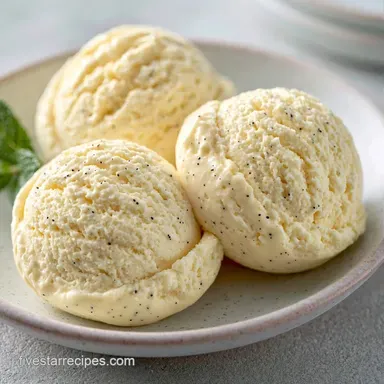
Vanilla Frozen Custard Recipe with Vanilla Bean Paste
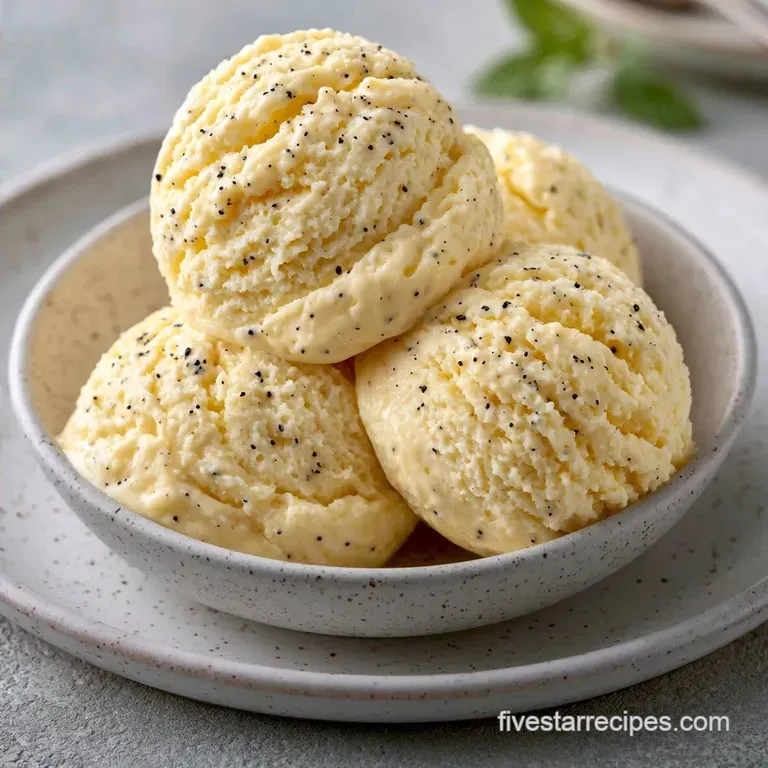
- Time: 30 min active + 6 hrs chilling/churning
- Flavor/Texture Hook: Rich, dense, and glossy
- Perfect for: A fancy weekend treat
The smell of warm vanilla beans and simmering cream always takes me back to those old school custard stands in the Midwest. There's something about the way they serve it, just slightly softer than ice cream, that feels like a slice of Americana. It isn't just a dessert, it's a tradition of indulgence.
I spent years wondering why the home versions never matched that specific, dense mouthfeel. Most recipes just make a fancy ice cream, but true custard is all about the egg ratio and the temperature. This Vanilla Frozen Custard Recipe focuses on the precision of the cook to get that professional result.
You can expect a treat that is heavier and creamier than your standard tub of vanilla. It doesn't melt into a puddle instantly, and the flavor lingers. Trust me, once you move to a custard base, regular ice cream feels a bit thin.
Vanilla Frozen Custard Recipe
The core of this dish is the balance between fat and protein. By using six egg yolks, we create a structure that holds onto air differently than a Philadelphia style ice cream. This results in a denser, more satisfying bite.
The process requires patience, especially the chilling phase. If you rush the cooling, you risk getting ice crystals. But if you follow the 4 hour chill rule, you get a smooth, consistent freeze every time.
Recipe Specs
The precision here is what separates a gourmet result from a grainy mess. Keep a close eye on your thermometer.
| Goal | What to change |
|---|---|
| More density | Add one more egg yolk |
| Stronger vanilla | Use bean paste instead of extract |
| Faster freeze | Chill base overnight |
Shopping List Breakdown
Get the highest fat content you can find for the dairy. low-fat options won't provide the necessary structure.
- Whole Milk (2 cups): Provides the water base. Why this? Keeps the custard from becoming too buttery. Substitute: Half and half (reduce heavy cream slightly).
- Heavy Cream (1 cup): Adds the essential fat. Why this? Creates the creamy mouthfeel. Substitute: Mascarpone (whipped in).
- Granulated Sugar (3/4 cup): Sweetens and lowers the freezing point. Why this? Ensures the custard stays scoopable. Substitute: Caster sugar.
- Egg Yolks (6 large): The primary emulsifier. Why this? Gives the custard its signature density. Substitute: None for authentic custard.
- Vanilla Bean Paste (1 tbsp): Concentrated flavor. Why this? Adds those beautiful black specks. Substitute: Pure vanilla extract.
- Fine Sea Salt (1/4 tsp): Balances the sugar. Why this? Makes the vanilla pop. Substitute: Kosher salt.
- Vanilla Bean (1 pod): Deep, aromatic notes. Why this? Fresh pods provide the most complexity. Substitute: Extra bean paste.
Equipment Needed
While professional equipment isn't necessary, having these specific tools will simplify the process.
- Heavy bottomed saucepan: Keeps the milk from scorching.
- Digital thermometer: Vital for hitting exactly 170°F.
- Whisk and wooden spoon: For continuous stirring.
- Fine mesh strainer: Filters out any stray egg bits.
- Ice cream maker: Used for the final aeration.
- Plastic wrap: Prevents a skin from forming.
The Cooking Process
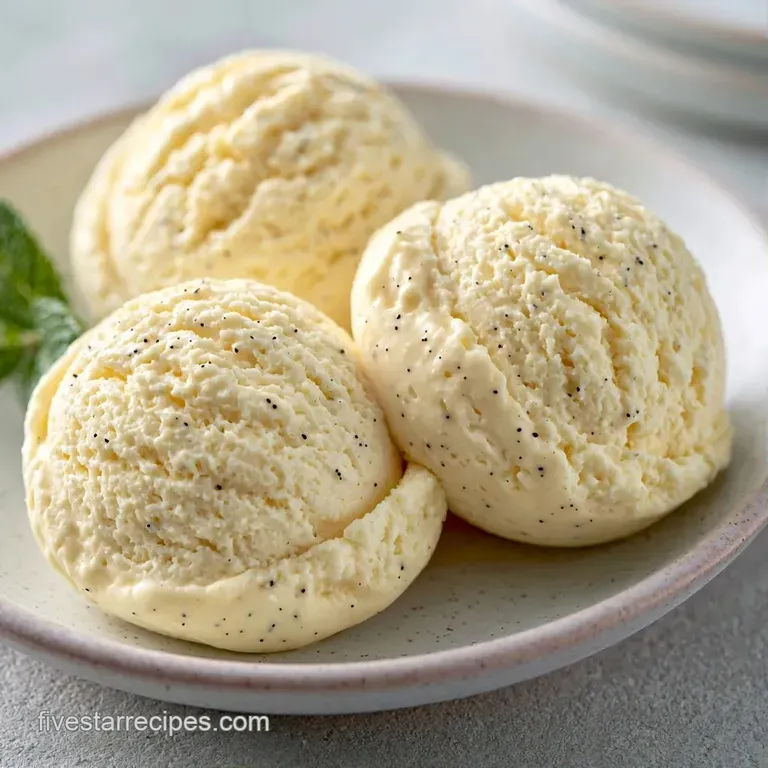
Alright, let's dive in. We're aiming for a thick, lustrous base that hasn't been overdone.
Phase 1: The Dairy Infusion
Place the whole milk, heavy cream, and salt in a saucepan. Warm over medium heat, stirring every now and then, until it reaches a light simmer. If using a vanilla bean, add the seeds to the milk now. Take the pan off the heat just before it reaches a boil to prevent scorching.
Phase 2: The Tempering Technique
In a medium bowl, whisk together the egg yolks and sugar until they become a pale, lemon yellow. While whisking constantly, slowly stream in one cup of the warmed dairy. This gradually raises the temperature of the eggs. Once tempered, stir the egg mixture back into the saucepan.
Phase 3: Thickening the Base
Set the pan back over medium-low heat. Use a whisk or wooden spoon to stir continuously. Cook for 10 mins until the custard thickens and clings to the back of a spoon (170°F / 77°C). It should appear glossy rather than like a dense pudding.
Remove from the heat right away.
Phase 4: Straining and Chilling
Mix in the vanilla bean paste. Pass the base through a fine mesh sieve into a clean bowl. Lay plastic wrap across the top, touching the custard. Refrigerate for a minimum of 4 hours; this is essential for achieving a silky texture.
Phase 5: The Final Churn
Transfer the cold custard to your ice cream machine. Churn for 20 to 25 mins until it reaches a soft serve consistency. For a firmer result, move it to a freezer-safe container.
Troubleshooting Guide
Most issues with a Vanilla Frozen Custard Recipe come down to temperature control. If the eggs cook too fast, you get "sweet scrambled eggs."
Fixing a Grainy Texture
Graininess usually means the eggs curdled. This happens if the heat was too high or you didn't temper the yolks. If this happens, you can try blending the base with an immersion blender and straining it again, though the flavor might be slightly "eggier."
Preventing Icy Crystals
Large ice crystals appear when the base isn't cold enough before churning or if the freezer is too warm. Ensure the custard is fully chilled for 4 hours. You can also add a tablespoon of vodka to the base to lower the freezing point.
Dealing with Thin Custard
If the custard doesn't thicken, it likely never hit 170°F. You can put it back on the heat, but be very careful not to overcook it this time. Constant whisking is your best friend here.
| Problem | Root Cause | Solution |
|---|---|---|
| Grainy base | Overheated eggs | Use a thermometer; strain through mesh |
| Icy texture | Insufficient chilling | Chill for 4+ hours before churning |
| Too runny | Under cooked base | Reheat slowly to 170°F |
Make It Your Own
This base is a blank canvas. You can easily pivot the flavor while keeping that dense texture.
For a more traditional approach, try a French Vanilla Frozen Custard Recipe by adding a pinch of nutmeg and using a higher ratio of bean paste. If you want something slightly lighter, you can check out my custard ice cream which uses a different fat ratio.
For a salted caramel twist, swirl in homemade caramel sauce during the last two minutes of churning. For a chocolate version, whisk in 1/2 cup of melted dark chocolate during the thickening phase.
Storage and Reheating
Because of its egg content, custard has a different consistency than ice cream, remaining softer for a longer duration.
Keep the finished custard in an airtight tub; it will last 2 months when frozen. To avoid freezer burn, press a sheet of parchment paper against the surface before sealing the lid.
Any leftover custard base that hasn't been frozen can be refrigerated for 72 hours. You can turn this base into vanilla pudding by simmering it a little longer to thicken it.
Don't toss the empty vanilla bean pod, either, place it in a jar of sugar for two weeks to make vanilla-infused sugar for your morning coffee.
Presentation Tips
The way you serve this affects the experience. Because it's so rich, you want a balance of temperature and texture.
Serve the custard in chilled bowls to prevent the edges from melting too quickly. A simple garnish of fresh berries or a sprig of mint cuts through the richness. For a real treat, top it off with some vanilla whipped cream for extra indulgence.
The classic sundae approach works best here. Add a drizzle of warm fudge and a few toasted pecans. The contrast between the hot sauce and the cold, velvety custard is brilliant.
Why This Recipe Works
The magic of this dessert is all in the emulsion. According to Serious Eats, egg yolks contain lecithin, which binds the water in the milk with the fats in the cream.
The Power of Yolks: Yolks act as natural emulsifiers, binding water and fat. This creates a denser texture that doesn't melt as quickly as standard ice cream.
The Tempering Advantage: By slowly warming the eggs, we prevent the proteins from clamping shut and curdling. This ensures the base stays smooth and glossy.
Optimized Chilling: A cold base churns faster, which means smaller ice crystals. This is why the 4 hour wait is the most important part of the process.
Recipe FAQs
Is vanilla ice cream just frozen custard?
Actually, no. Custard contains egg yolks which create a denser, creamier texture than standard ice cream.
Tip: use a fine-mesh strainer to ensure the base is perfectly smooth before chilling.
What is the secret to making the best frozen custard?
Bring the milk and cream to a light simmer before tempering the yolks.
Tip: Lay plastic wrap across the top of the mixture to prevent a skin from forming.
How to keep homemade custard creamy and not icy?
Chill the custard base for at least 4 hours before churning.
Tip: churn for 20 to 25 minutes until it reaches a soft-serve consistency.
Do I need to boil the custard base for it to thicken?
False. Stir over medium-low heat just until the mixture thickens and reaches 170°F.
Tip: take the pan off the heat the moment it hits this temperature.
Which method prevents the egg yolks from curdling during the process?
Drizzle one cup of hot milk into the yolks slowly while whisking vigorously.
Tip: this tempering process stabilizes the eggs before they hit the hot pan.
Could you suggest desserts that pair with vanilla frozen custard?
Serve this alongside a warm apple crisp for a classic contrast.
Tip: scoop the custard while slightly softened for easier plating.
Where should the finished custard be stored to avoid freezer burn?
Lay a sheet of parchment paper over the surface before sealing the tub.
Tip: Maintain peak quality by keeping it frozen for a maximum of 2 months.
Vanilla Frozen Custard Recipe in 40 Min