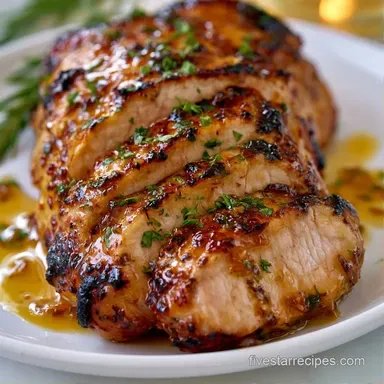
Honey Dijon Grilled Tenderloin with Garlic
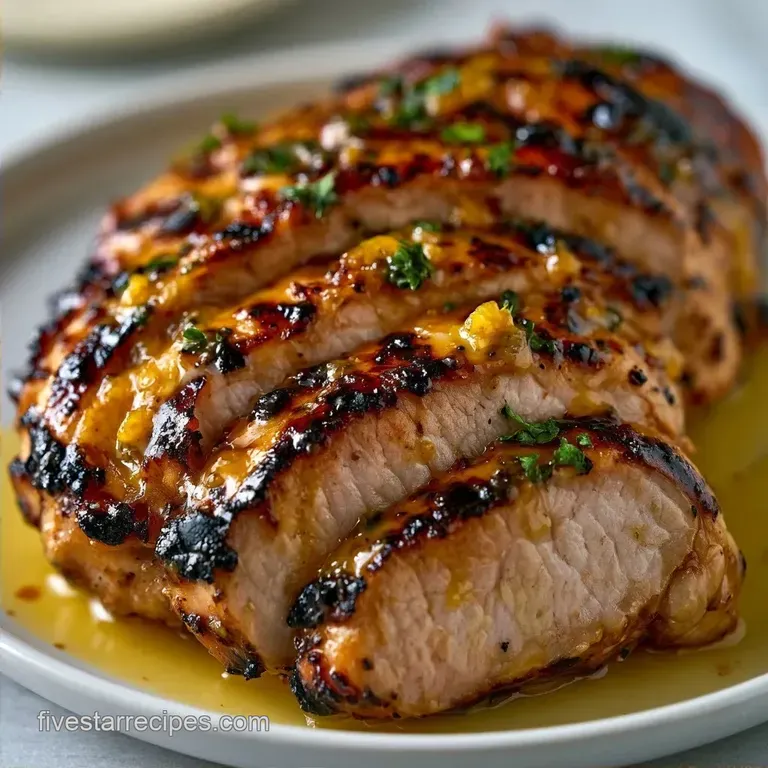
- Time: 10 min active + 15 min cooking + 10 min resting
- Flavor/Texture Hook: Tangy, tacky glaze with a deep brown sear
- Perfect for: Special occasion dinners or a fancy Sunday lunch
- Honey Dijon Grilled Tenderloin for Special Nights
- Why the Glaze Actually Sticks
- What Each Ingredient Does
- Gathering Your Essentials
- Required Cooking Tools
- Steps From Prep to Plate
- Solving Common Cooking Issues
- Troubleshooting Common Issues
- Ways to Customize Flavor
- Adjusting the Portion Size
- Debunking Pork Myths
- Storing and Reheating Pork
- Best Side Dish Pairings
- Recipe FAQs
- 📝 Recipe Card
That first sizzle when the meat hits the hot grates is everything. I remember the first time I tried to do a honey based glaze on the grill; I left it on too long and ended up with something that looked like charcoal but tasted like candy. It was a mess. But once I figured out the timing, everything changed.
The real hero here is the Dijon mustard. I've tried using yellow mustard or even honey mustard blends from a bottle, but they just don't have the same punch. Dijon has this specific, sharp bite that cuts right through the richness of the pork and the sweetness of the honey. Without it, the dish feels flat.
You can expect a meal that feels fancy but doesn't keep you in the kitchen all night. We're talking about a Honey Dijon Grilled Tenderloin that stays juicy inside while the outside gets that glossy, mahogany finish.
It's the kind of dish that makes people ask for the recipe before they've even finished their first plate.
Honey Dijon Grilled Tenderloin for Special Nights
Right then, let's get into why this works. Most people just slap a marinade on and hope for the best, but the timing of the glaze is where the magic happens.
The Sugar Balance: Honey caramelizes quickly. By adding it in two stages, we get flavor deep in the meat and a sticky crust on the outside.
The Acid Hit: Apple cider vinegar breaks down some of the surface proteins. This helps the glaze stick better and keeps the pork from tasting too heavy.
| Method | Time | Texture | Best For |
|---|---|---|---|
| Grill | 15 mins | Charred & Smoky | Outdoor dining |
| Stovetop | 18 mins | Deeply Browned | Cold weather |
| Oven | 25 mins | Evenly Roasted | Hands off cooking |
Why the Glaze Actually Sticks
I used to wonder why some glazes just slid off the meat. It comes down to how we prep the surface.
Dry Surface: Patting the meat with paper towels removes surface moisture. This means the oil and mustard bond directly to the protein instead of steaming in a layer of water.
Tacky Reduction: The heat evaporates the water in the vinegar and honey. This turns the marinade into a thick syrup that grips the meat.
What Each Ingredient Does
| Ingredient | What It Does | Best Swap |
|---|---|---|
| Dijon Mustard | Provides tang and emulsifies the oil | Whole grain mustard (chunkier texture) |
| Honey | Creates sweetness and caramelization | Maple syrup (more woody flavor) |
| Apple Cider Vinegar | Balances sugar with acidity | White wine vinegar (sharper) |
| Garlic | Adds aromatic depth | Garlic powder (less pungent) |
Gathering Your Essentials
For this, you'll need a quality cut of meat. I suggest a center cut pork tenderloin to keep the thickness consistent.
- 680g (1.5 lb) pork tenderloin Why this? Lean and cooks quickly on high heat
- 60ml (1/4 cup) honey Why this? For that characteristic sticky glaze
- 45ml (3 tbsp) Dijon mustard Why this? The sharp flavor profile is non negotiable
- 15ml (1 tbsp) apple cider vinegar Why this? Brightens the overall taste
- 2 cloves garlic, minced Why this? Fresh garlic beats powder here
- 5g (1 tsp) salt Why this? Draws out flavor
- 2g (1/2 tsp) black pepper Why this? Adds a subtle heat
- 15ml (1 tbsp) olive oil Why this? Prevents sticking and carries heat
Required Cooking Tools
Keep it simple. You don't need a professional kitchen to pull this off, just a few basics.
- A meat thermometer (digital is best)
- A pastry brush or silicone brush for the glaze
- Paper towels
- A small whisk and bowl
- Grill or heavy cast iron skillet
Chef's Note: If you're using a grill, make sure the grates are scrubbed clean and lightly oiled. This prevents the honey from sticking and ripping the meat when you flip it.
Steps From Prep to Plate
Let's crack on with the cooking. Trust me on the resting time don't skip it.
- Whisk together the honey, Dijon, vinegar, minced garlic, salt, pepper, and olive oil in a small bowl. Mix until the mixture is velvety and smooth.
- Pat the pork tenderloin dry with paper towels. Coat the pork thoroughly in about 2/3 of the mixture. Note: Leave the rest in the bowl for later.
- Preheat your grill to medium high heat.
- Place the tenderloin on the grates. Sear for 3–5 minutes per side until a deep, caramelized brown color and distinct grill marks appear.
- Rotate the meat every few minutes to ensure even browning.
- During the last 5 minutes of grilling, brush the reserved honey mustard glaze generously over the pork.
- Rotate the meat frequently during the glazing phase until the glaze is bubbling and tacky.
- Remove the pork from the grill once the internal temperature reaches 60°C (140°F).
- Transfer to a cutting board and let it rest uncovered for 5–10 minutes before slicing. Note: The temperature will rise to about 63-65°C while resting.
Solving Common Cooking Issues
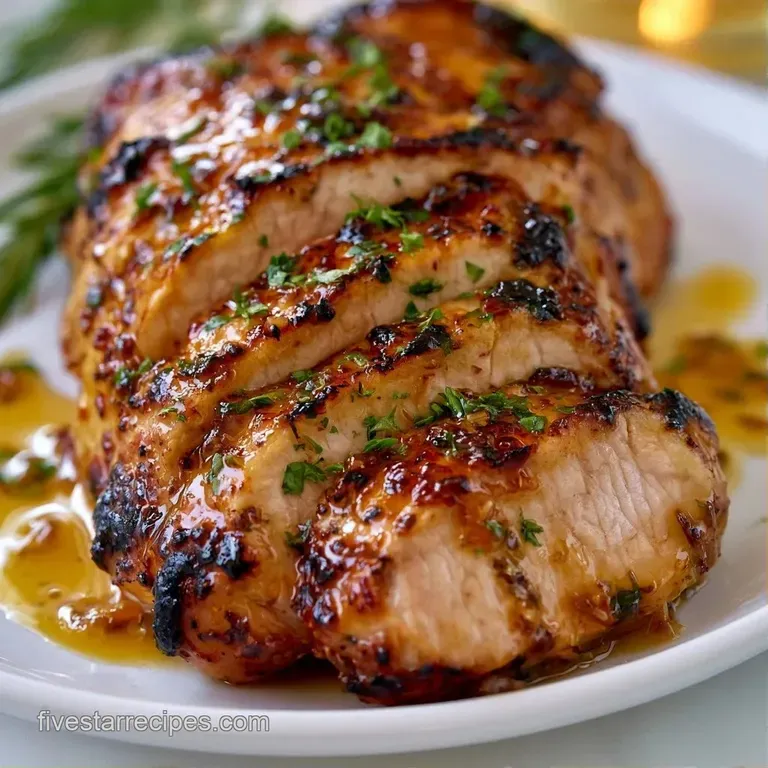
Getting the heat right is the hardest part of this Honey Dijon Grilled Tenderloin. If your grill is too hot, the honey burns before the middle is cooked.
Troubleshooting Common Issues
| Issue | Solution |
|---|---|
| Why Your Glaze Burns Too Quickly | Honey is pure sugar, and sugar burns fast. If you see black spots appearing too early, move the meat to a cooler part of the grill (indirect heat) and finish it there. |
| Why Your Meat Feels Tough | Overcooking pork tenderloin is easy because it's so lean. Always use a thermometer. If you go past 71°C (160°F), it'll turn into a hockey puck. |
| Why You Have No Grill Marks | This happens when the grill isn't hot enough or the meat is too wet. Make sure the grates are sizzling before the meat touches them. |
Ways to Customize Flavor
Once you've nailed the basics, you can play around with the profile. If you want something slightly different, try these tweaks.
- For a Spicy Kick: Add a teaspoon of chipotle powder or a pinch of cayenne to the marinade.
- For a Smoky Profile: Use smoked paprika instead of black pepper.
- For an Herbaceous Twist: Stir in some chopped fresh rosemary or thyme.
If you're in the mood for something more acidic, you might like my Grilled Tenderloin for 4 recipe, which swaps the honey mustard vibe for a rich, vinegary glaze.
Decision Shortcut
- Want it smokier? Use hickory wood chips on the grill.
- Want it leaner? Trim any remaining silver skin before marinating.
- Want it faster? Slice the pork into 5cm medallions and grill for 3 minutes per side.
Adjusting the Portion Size
Scaling this recipe is pretty straightforward, but don't just double everything blindly.
Cutting it in half: Use a smaller pan or a tighter grill area. Reduce the cooking time by about 20% as smaller pieces of meat reach temperature faster.
Doubling the batch: When making two tenderloins, don't double the salt and pepper use about 1.5x. This prevents the seasoning from becoming overpowering. Work in batches if your grill is small to avoid crowding, which causes the meat to steam rather than sear.
Debunking Pork Myths
You've probably heard that you need to cook pork "well done" to be safe. That's old advice from decades ago. According to USDA guidelines, pork is safe to eat at a medium internal temperature, which keeps the Honey Dijon Grilled Tenderloin much juicier.
Another one: "Searing seals in the juices." It doesn't. Searing creates flavor through browning, but it doesn't stop moisture from leaving the meat. The only way to keep it juicy is to not overcook it and let it rest.
Storing and Reheating Pork
This dish is best served fresh, but leftovers are still great if handled right.
Storage: Wrap the sliced pork tightly in foil or place it in an airtight container. It stays good in the fridge for 3 to 4 days.
Freezing: You can freeze the cooked pork for up to 2 months. Thaw it in the fridge overnight before reheating.
Reheating: Avoid the microwave if you can; it toughens the meat. Instead, place the slices in a pan with a splash of water or broth over low heat. Cover it with a lid for 5 minutes to steam it back to life.
Zero Waste: Don't toss the leftover marinade in the bowl. If you didn't use it on the meat, you can simmer it in a pan for 2 minutes to kill any raw pork bacteria and use it as a dipping sauce for vegetables.
Best Side Dish Pairings
Since the Honey Dijon Grilled Tenderloin has a strong, sweet and tangy profile, you want sides that balance it out.
I love serving this with something green and crisp, like roasted asparagus or a sharp arugula salad with lemon. For a starch, a creamy mash or some wild rice works well. If you're looking for more pork inspiration, you can check out my juicy grilled pork tenderloin for a more classic approach.
The key is to avoid other heavy, sweet sides. Stay away from candied carrots or sweet potato mash, or the whole plate will taste like dessert. Keep the sides salty or bitter to make the honey and Dijon pop.
Right then, you've got the plan. Get that grill hot, pat your meat dry, and remember to pull it off the heat at 60°C. You've got this!
Recipe FAQs
How to cook pork tenderloin on a gas grill?
Preheat the grill to medium high heat. Sear the marinated pork for 3 5 minutes per side and brush on the reserved glaze during the final 5 minutes of cooking.
How to cook pork tenderloin on a charcoal grill?
Set up a two-zone fire with a hot side for searing and a cool side for indirect heat. Sear for 3 5 minutes per side, then move the meat to the cool zone if the honey glaze begins to burn.
How long should you grill pork tenderloin on a gas grill?
Grill for approximately 3 5 minutes per side. Remove the meat from the heat once the internal temperature reaches 140°F (60°C) and let it rest for 5 10 minutes.
How to cook a 2 lb pork tenderloin?
Follow the same searing method but increase the cooking time slightly. Always use a meat thermometer to ensure you pull the pork at 140°F (60°C) regardless of the weight.
What marinades taste good on pork?
A combination of honey, Dijon mustard, and apple cider vinegar creates a perfect sweet tart balance. If you are serving guests, this flavor profile pairs beautifully with a summer meat board.
How to cook a pork loin?
Use lower temperatures and longer cooking times than you would for a tenderloin. A pork loin is much larger and leaner, requiring a roasting approach rather than a quick sear.
Is it true that pork must be cooked to 160°F before removing it from the grill?
No, this is a common misconception. Pull the meat at 140°F (60°C) and allow it to rest; carryover cooking will bring it to the safe temperature without drying it out.
Honey Dijon Grilled Tenderloin in 35 Min