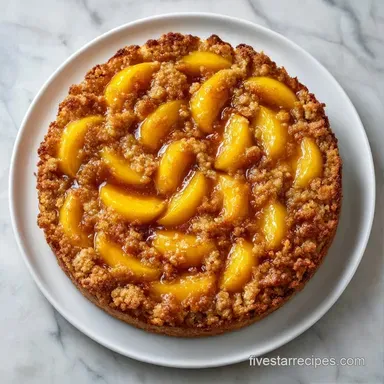
Fresh Peach Cobbler: Old Fashioned and Tender
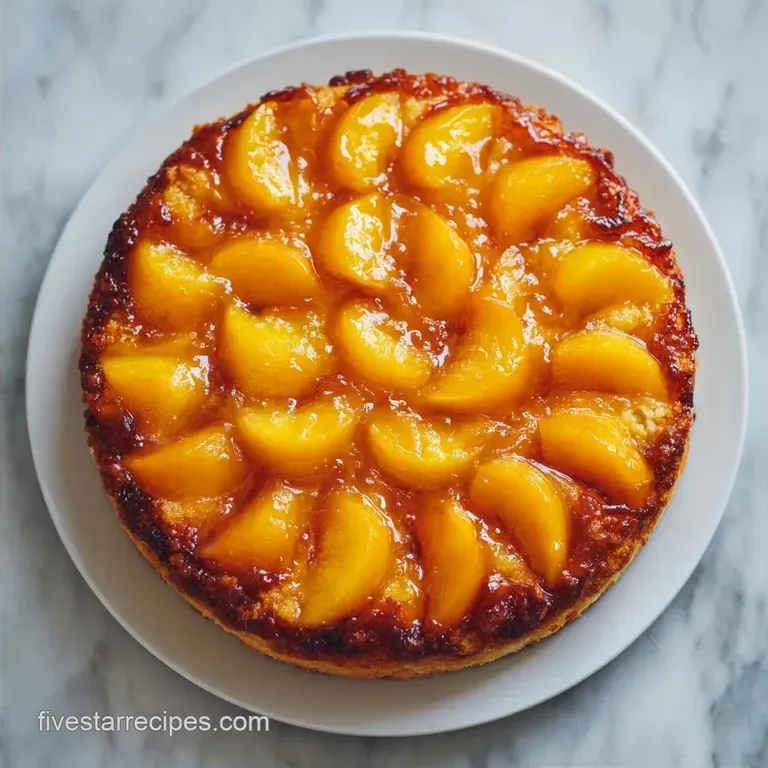
- Time: 20 min active + 30 min baking
- Flavor/Texture Hook: Mahogany colored crust with bubbling, syrupy peaches
- Perfect for: Summer family gatherings or a warm weekend treat
The smell of cinnamon and bubbling fruit hitting the oven air is honestly the best part of August. I remember the first time I tried this, I dumped everything in a bowl and hoped for the best. I ended up with a soggy, pale mess that looked more like peach porridge than a cobbler.
It was a disaster, but it taught me that the order of operations actually matters when you're dealing with high moisture fruit.
You don't need a professional kitchen to get this right. You just need a few basic pantry staples and some ripe peaches. The goal is a contrast between the tender, cake like topping and the jammy fruit underneath.
If you follow the timing and temperature exactly, you'll get those browned, caramelized edges that everyone fights over.
This Fresh Peach Cobbler isn't a complex project, but it does require a little patience during the fruit prep. We're going for a result that feels like a cozy Sunday afternoon. Once you see those bubbles breaking the surface of the crust, you'll know it's ready to come out.
My Go To Fresh Peach Cobbler
Right then, let's talk about why this specific approach works. Most people just toss everything together, but the layering is what prevents the dreaded "soggy bottom." By pouring the batter first and then topping it with the fruit, we allow the cake to lift the peaches as it expands.
It's a simple physics trick that changes the whole texture.
I've found that using fresh peaches is non negotiable here. Frozen ones can work in a pinch, but they release too much water, which can dilute the flavor. When you pick your peaches, look for ones that give slightly to pressure but aren't mushy.
If they're too hard, they won't break down into that syrupy consistency we want.
Trust me on the lemon juice too. It doesn't just add a bright note to the flavor, it also helps the cornstarch stabilize the juices. Without it, you might find a pool of liquid at the bottom of your pan. We want a thick, pourable syrup, not a soup.
Techniques for Better Baking
The success of this dish depends on a few specific mechanisms. Understanding these helps you avoid the common pitfalls that lead to undercooked centers.
- Osmotic Pull: Sugar draws moisture out of the peach cells through osmosis, creating a natural syrup.
- CO2 Expansion: The baking powder reacts with the milk's acidity to create carbon dioxide, which lifts the batter.
- Fat Insulation: The melted butter at the bottom of the pan creates a non stick barrier and fries the bottom layer of the cake.
- Starch Gelatinization: Cornstarch granules swell and trap liquid as they heat, thickening the fruit juices into a glaze.
Depending on how you prefer your crust, you might choose different methods. Most home cooks prefer the oven, but some use stovetop methods for a different result.
| Method | Time | Texture | Best For |
|---|---|---|---|
| Oven Bake | 30 mins | Cake like and browned | Classic family servings |
| Stovetop | 20 mins | Softer and steamed | Small batches/Quick cravings |
| Slow Cooker | 4 hours | Pudding like | Set and forget meals |
What Each Ingredient Does
Precision in baking is everything. Even a small change in the amount of leavening or fat can change how the crust interacts with the peaches. According to King Arthur Baking, the protein content in your flour affects the tenderness of the final crumb.
| Ingredient | What It Does | Best Swap |
|---|---|---|
| All Purpose Flour | Provides structure | White whole wheat (denser) |
| Baking Powder | Creates the lift | Baking soda + cream of tartar |
| Cornstarch | Thickens peach juices | Arrowroot powder |
| Whole Milk | Hydrates the flour | Full fat buttermilk (tangier) |
Essential Baking Tools
You don't need a fancy arsenal for this. A 9x9 inch baking dish is the standard here. If you use a larger pan, the batter will spread too thin and you'll lose that height. A whisk is better than a fork for the batter to ensure there are no flour clumps.
I also recommend a sharp paring knife or a vegetable peeler for the peaches. If you're not a fan of peeling, you can leave the skins on, but the texture is a bit more rustic. I personally prefer the smooth finish of peeled fruit.
Step by step Instructions
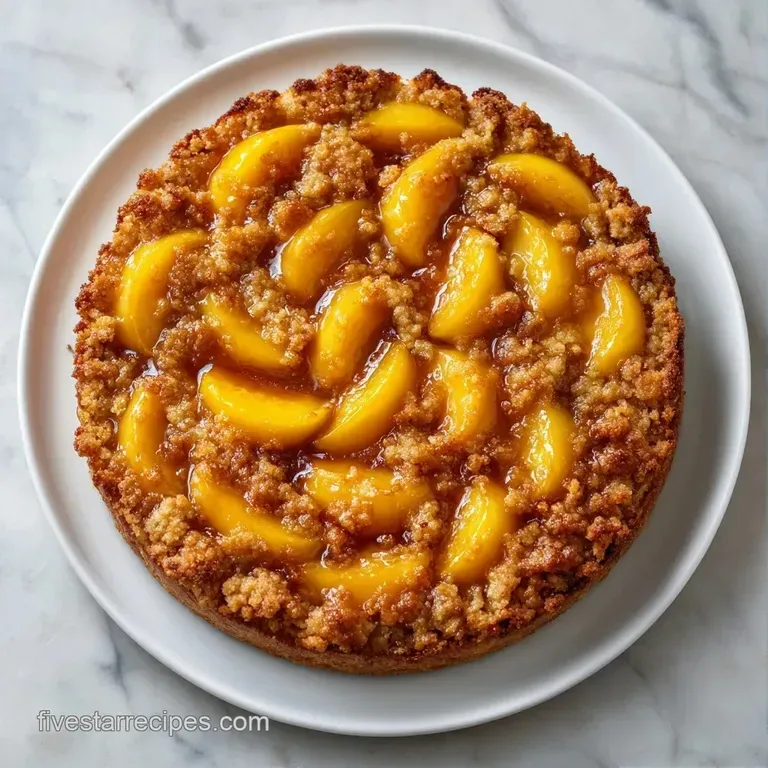
Let's crack on with the actual cooking. Keep your oven preheated to 350°F (175°C) so the batter starts rising the moment it hits the heat.
Phase 1: Preparing the Fruit 1. Peel and slice the peaches into uniform wedges. Note: Uniform slices ensure they cook at the same rate. 2. In a bowl, toss the peaches with 1/2 cup granulated sugar, 1 tbsp lemon juice, 1 tsp cinnamon, and 1 tbsp cornstarch. 3.
Let the mixture sit for 10 minutes. Wait until you see a pool of syrup forming at the bottom of the bowl.
Phase 2: Mixing the Batter 4. In a separate mixing bowl, whisk together 1 cup all purpose flour, 1 cup granulated sugar, 1 tbsp baking powder, and 1/2 tsp salt. 5. Stir in 1 cup whole milk. Mix until the batter is smooth but stop before it becomes elastic. 6.
Fold the 1/2 cup melted butter into the batter. Note: Do not over mix here or the crust will be tough.
Phase 3: The Bake 7. Pour a portion of the melted butter into a 9x9 inch baking dish, swirling to coat the bottom. 8. Pour the batter directly over the butter in the pan. Do not stir the batter into the butter. 9.
Spoon the macerated peach mixture and all its syrup over the top of the batter. 10. Bake at 350°F (175°C) for 30 minutes until the topping is mahogany colored and the fruit is bubbling.
Fixing Common Baking Errors
Even with a plan, things can go sideways. Most issues with Fresh Peach Cobbler stem from moisture control or temperature fluctuations.
Why Your Topping Didn't Rise
If the crust stays flat and dense, you likely over mixed the batter. Over mixing develops too much gluten, which traps the air bubbles and prevents the cake from lifting. Stir until just combined and then stop.
Excess Liquid in the Pan
A soupy cobbler usually means the peaches weren't allowed to macerate or the cornstarch wasn't mixed in well. Ensure the fruit sits for the full 10 minutes so the cornstarch can properly integrate with the released juices.
Burnt Edges, Raw Center
This happens when your oven runs hot or the pan is too deep. Check your oven temp with a separate thermometer. If the edges brown too fast, tent the pan with foil for the last 10 minutes.
| Problem | Root Cause | Solution |
|---|---|---|
| Pale Crust | Oven too cool | Increase temp to 350°F |
| Tough Cake | Over mixing | Fold gently by hand |
| Bland Fruit | Under ripe peaches | Add 1 tsp extra lemon juice |
Simple Ingredient Swaps
You can tweak this recipe to fit your needs without ruining the chemistry. If you want something more traditional, you can look at Southern Peach Cobbler for variations on the crust.
- gluten-free: Use a 1:1 gluten-free flour blend. Note: The crust will be slightly more fragile.
- dairy-free: Swap whole milk for full fat oat milk and butter for coconut oil. Note: Coconut oil adds a slight tropical flavor.
- Lower Sugar: Reduce the batter sugar to 3/4 cup. The peaches provide plenty of natural sweetness.
If you're making a huge batch for a party, keep in mind that scaling isn't always linear.
For a double batch, use two 9x9 pans rather than one giant pan. If you crowd the pan, the center won't cook through before the edges burn. Reduce the baking powder slightly to 1.5x instead of 2x to prevent the cake from collapsing under its own weight.
Baking Truths and Myths
There are a few things people say about cobblers that just aren't true. Let's clear those up.
Some people claim you have to peel peaches to get a good texture. That's not true. The skins are edible and add a bit of color, though they can be slightly chewy. It's a preference, not a rule.
Another myth is that you should stir the fruit into the batter. If you do this, you're making a peach cake, not a cobbler. The distinct layers are what create the signature "cobbled" look and the specific texture.
Storage and Waste Tips
This dish is best served warm, but leftovers are great too. Store any remaining cobbler in an airtight container in the fridge for up to 4 days. To reheat, put a slice in the oven at 300°F for 10 minutes or use a microwave for 30 seconds.
For freezing, let the cobbler cool completely. Cut it into squares and freeze them individually on a baking sheet before transferring them to a bag. They'll keep for 3 months. Thaw in the fridge overnight before reheating.
Don't throw away the peach skins if you've peeled a large batch. You can simmer them with a bit of sugar and water to make a quick, rustic peach syrup for pancakes or yogurt.
Serving and Pairing Ideas
The contrast of a hot cobbler with something cold is the whole point. A scoop of vanilla bean ice cream is the classic choice. If you want something more integrated, try a serving of Peach Ice Cream to double down on the fruit flavor.
For a lighter option, a dollop of freshly whipped cream with a pinch of cinnamon works well. If you're serving this at a brunch, a side of salty prosciutto or sharp cheddar cheese can create a great sweet and savory balance.
Right then, that's how you handle a Fresh Peach Cobbler. Keep your eye on that mahogany color, don't over mix your batter, and let those peaches do their thing. It's a simple process, but the precision in the layering makes all the difference. Enjoy!
Recipe FAQs
Can you use fresh peaches for cobbler?
Yes, fresh peaches are the best choice. They provide a superior texture and create a natural, thick syrup when macerated with sugar and lemon juice.
What are the most common mistakes when making peach cobbler?
Over mixing the batter or skipping the maceration step. Excessive stirring makes the topping tough, while failing to let the fruit sit for 10 minutes prevents the syrup from forming.
Can dogs eat peaches?
Yes, but in small amounts. Always remove the pit and skin first, as the pit contains cyanide and is a dangerous choking hazard.
Can peaches help lower cholesterol?
Yes, they can. The soluble fiber found in peaches helps the body eliminate cholesterol from the bloodstream.
How to make an easy peach cobbler?
Toss sliced peaches with sugar, lemon juice, cinnamon, and cornstarch. Let them rest for 10 minutes, then spoon the mixture over a simple flour and-milk batter and bake at 350°F.
What is the best way to make a peach cobbler?
Layer the batter over melted butter in a 9x9 inch dish. Pour the macerated peaches and syrup on top without stirring, then bake at 350°F until the topping is mahogany colored.
What is the best way to serve peach cobbler?
Serve warm with a creamy topping. This dish pairs perfectly with a dollop of vanilla whipped cream to balance the sweetness of the fruit.
Fresh Peach Cobbler