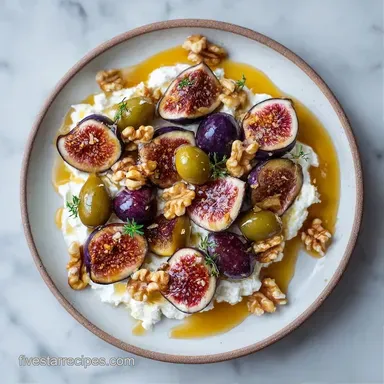
Fig Walnut Board: Fresh and Gourmet
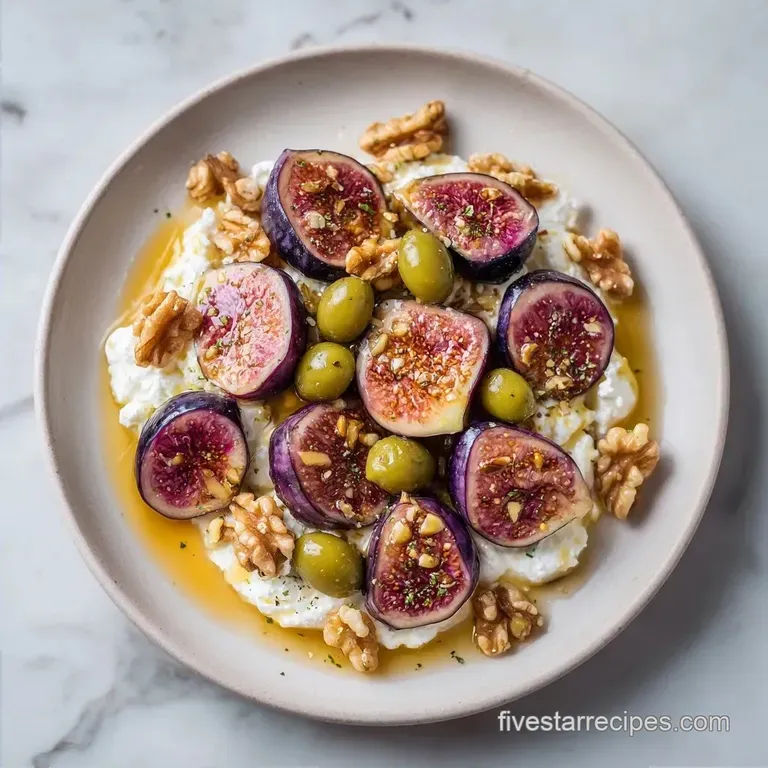
- Time: 20 min active + 5 min cook
- Flavor/Texture Hook: Velvety goat cheese with shatter crisp walnuts
- Perfect for: High impact starters for dinner parties
The smell of honey hitting a wooden board, mixed with the sharp, vinegary scent of balsamic glaze, is enough to make anyone hungry. I remember the first time I tried to throw together a fruit and nut platter for a few friends.
I just piled everything on a plate, but by the time guests arrived, the figs had leaked their juices into the cheese, leaving me with a soggy, pale mess that looked more like a mistake than an appetizer.
The real trick isn't just about the ingredients, it's about how you anchor the board. You need "zones" to keep the moisture from migrating. By using small ramekins and placing the cheese strategically, you stop the "board swamp" and keep everything looking bold and fresh.
This Fig Walnut Board is designed to be a showstopper. We're talking about an international mix of flavors, from the buttery Castelvetrano olives to the earthy raw walnuts. It’s a sophisticated starter that takes almost no effort but looks like it came from a high end bistro.
The Secrets to a Stunning Fig Walnut Board
To get this right, you have to understand why these specific ingredients play so well together. It isn't just luck, it's about balancing the palate.
The Glue Effect: Honey and balsamic glaze act as a flavor bridge. They bind the earthy walnuts and the tart cheese, creating a singular, cohesive taste.
Salt Contrast: Adding flaky sea salt directly to the raw walnuts cuts through the sugar of the figs. It wakes up the taste buds so the sweetness doesn't become cloying.
Aromatic Lift: Fresh thyme adds a woody, lemon like scent. This prevents the board from tasting too "heavy" or overly rich.
Texture Layering: The snap of a seedless grape against the velvety goat cheese creates a sensory variety that keeps guests reaching for more.
| Fresh Figs | Dried Figs | Impact on Taste | Best For |
|---|---|---|---|
| Jammy, soft, floral | Chewy, concentrated, sugary | Dried is much sweeter | Winter months |
| High moisture | Low moisture | Fresh is more refreshing | Summer parties |
| Short shelf life | Long shelf life | Dried is more convenient | Quick prep |
Component Analysis
Before you start grabbing jars, let's look at what each part actually does for the board.
| Ingredient | Science Role | Pro Secret |
|---|---|---|
| Goat Cheese | Acidic Base | Keep it slightly chilled until 10 mins before serving for better shape |
| Fresh Figs | Natural Sugar | Slice them lengthwise to show off the interior "bloom" |
| Raw Walnuts | Bitter/Tannic | A quick toast in a pan for 3 mins makes them far more fragrant |
| Balsamic Glaze | Acetic Acid | Use a thick glaze rather than vinegar to prevent soaking the board |
Shopping List and Smart Swaps
Stick to these quantities for a balanced board that serves five people. I’ve added a few substitutes if you can't find something at your local market.
- 1 lb fresh figs, halved or quartered Why this? Fresh figs provide that essential jammy texture. (Sub: Dried figs, soaked in warm water)
- 1 cup raw walnut halves Why this? The slight bitterness balances the honey. (Sub: Pecans or almonds)
- 2 sprigs fresh thyme Why this? Adds an earthy, international aroma. (Sub: Fresh rosemary)
- 6 oz soft goat cheese Why this? The tanginess cuts through the fruit sweetness. (Sub: Feta or cream cheese)
- 1 cup seedless grapes Why this? Adds a juicy, refreshing "pop". (Sub: Pomegranate seeds)
- 1/2 cup Castelvetrano olives Why this? Buttery flavor that bridges savory and sweet. (Sub: Kalamata olives)
- 2 tbsp raw honey Why this? Raw honey has more complex floral notes. (Sub: Maple syrup)
- 1 tbsp balsamic glaze Why this? Concentrated acidity without the liquid run off. (Sub: Reduced pomegranate molasses)
- 1/2 tsp flaky sea salt Why this? Large crystals provide a sudden burst of salt. (Sub: Coarse kosher salt)
Essential Tools for Assembly
You don't need a professional kitchen, but a few specific items make this easier. A 12 inch wooden grazing board is the standard here. Wood is better than marble because it doesn't chill the cheese too quickly, which keeps the goat cheese spreadable.
You'll also need two small ceramic ramekins. These aren't just for looks, they act as barriers for the olives and grapes so they don't roll all over the place. A small honey dipper or a spoon is helpful for the drizzle, and a sharp paring knife is a must for those figs.
From Prep to Plate
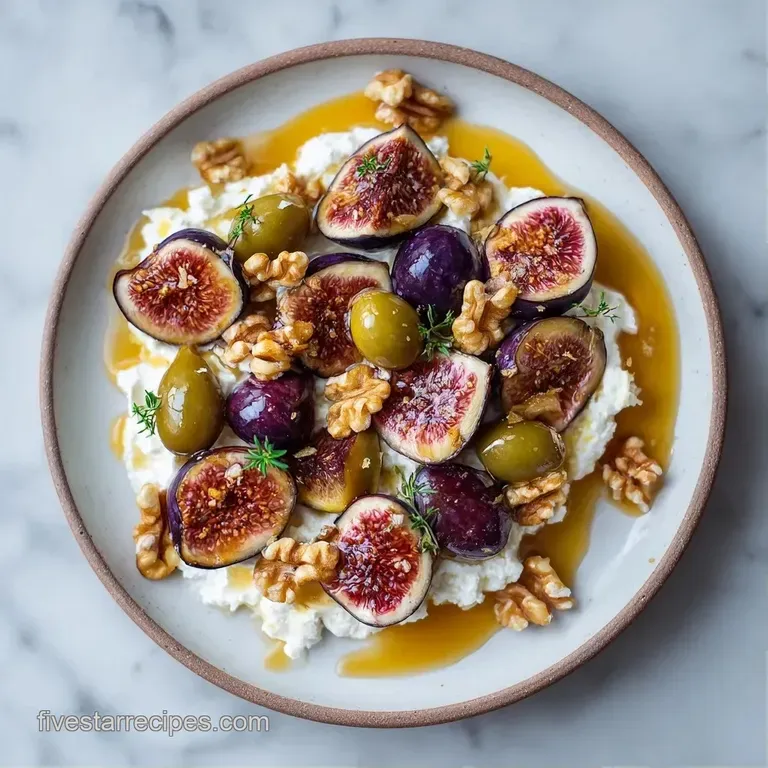
Follow these steps to build your Fig Walnut Board. Pay attention to the scents and colors as you go.
- Place two small ceramic ramekins on the board to anchor the arrangement. Note: This prevents the ingredients from shifting.
- Position the goat cheese log slightly off center as the focal point.
- Arrange the halved figs in small clusters around the cheese. Wait until you see the deep red centers for the best visual contrast.
- Scatter the walnut halves organically into the gaps.
- Drizzle the raw honey over the goat cheese. Listen for the slow, thick drip as it coats the cheese.
- Apply the balsamic glaze over the figs in thin lines.
- Sprinkle the flaky sea salt over the walnuts. You should see the crystals glisten against the brown nut skins.
- Garnish the entire board with fresh thyme leaves.
- Fill the ramekins with seedless grapes and Castelvetrano olives.
- Let the board sit for 5 mins until the honey begins to settle into the cheese.
Pro Tips and Pitfalls
Even a simple board can go wrong if you aren't careful with the moisture.
Troubleshooting Common Issues
| Issue | Solution |
|---|---|
| Why Your Figs Leak | If your figs are overripe, they'll bleed juice all over the board. This happens when the cell walls break down too much. |
| Why Your Walnuts Taste Bitter | Raw walnuts can sometimes have a sharp, bitter skin. If you notice this, toss them in a dry pan over medium heat for 3 minutes. The heat mellows the tannins and brings out a toasted, buttery aroma. |
| Why Your Cheese is Too Firm | Straight from the fridge goat cheese can be rubbery. Let it sit at room temperature for about 15 minutes before putting it on the board. This ensures it has a velvety texture that's easy to scoop. |
Mistakes to Avoid:
- ✓ Don't use pre cut fruit; it loses its luster quickly.
- ✓ Avoid using a plastic board; it doesn't breathe and can feel cheap.
- ✓ Don't over drizzle the balsamic, or it will overwhelm the thyme.
- ✓ Never skip the salt on the walnuts; it's the secret to the "wow" factor.
Creative Twists and Swaps
If you want to change the vibe, you can easily pivot this recipe. For a more decadent version, try swapping the goat cheese for a fresh fig board using a wheel of Brie. The melted richness of Brie pairs beautifully with the balsamic.
If you're hosting a crowd and need more variety, you could serve this alongside an apricot walnut board to give guests a choice between different stone fruits.
For a vegan version, replace the goat cheese with a cashew based chèvre and use maple syrup instead of honey. The walnuts and olives stay exactly the same, as they provide the necessary savory weight.
Storage and Zero Waste
Since this is a fresh assembly, it's best eaten immediately. However, if you have leftovers, store the remaining cheese and nuts in airtight containers in the fridge for up to 3 days. Keep the fresh figs separate from the cheese to prevent them from getting mushy.
Don't throw away the olive brine! Use it to marinate some feta or add a tablespoon to a homemade vinaigrette for a salty, punchy kick. If you have leftover thyme stems, toss them into a pot of simmering vegetables or a roast chicken for extra aroma.
Presentation Tips
The goal is "calculated chaos." You want the Fig Walnut Board to look abundant, not structured. I call this the "Abundance Method." Instead of neat rows, create overlapping clusters.
The Foundation
Start with your largest items first. The cheese and ramekins set the boundaries. Once these are locked in, you have a map of where everything else should go.
The Focal Points
The figs are your color stars. Group them in threes or fives, as odd numbers are more visually appealing to the eye. Make sure the red interiors are facing upward.
The Final Flourish
The thyme and salt are the "jewelry" of the dish. Sprinkle them from a height to get an even, natural distribution. This makes the board look like it was assembled by a professional.
Quick Decision Guide:
- If you want it more savory: Double the olives and add some prosciutto.
- If you want it sweeter: Add a side of dried apricots and more honey.
- If you're short on time: Use pre washed grapes and pre halved figs.
Recipe FAQs
How to make a charcuterie board?
Anchor the board with ceramic ramekins and place the goat cheese off-center. Arrange halved figs in clusters and scatter walnuts in the gaps before drizzling with honey and balsamic glaze.
How to serve fresh figs on a charcuterie board?
Halve or quarter the fresh figs. Arrange them in small clusters around the cheese focal point to create a professional, organic look.
What kind of figs go on a charcuterie board?
Fresh figs are the ideal choice. They provide a juicy texture and natural sweetness that balances the salty Castelvetrano olives and tangy goat cheese.
What do fresh figs pair well with?
Honey, balsamic glaze, and soft goat cheese. These create a sweet and tangy balance, similar to the flavor profile used in our whipped feta dip.
What should I put on a charcuterie board for variety?
Combine textures using seedless grapes, Castelvetrano olives, and raw walnut halves. Adding fresh thyme leaves and flaky sea salt provides the aromatic and savory finish needed for a balanced board.
Is it true that raw walnuts must be served as-is for the best flavor?
No, this is a common misconception. If raw walnuts taste too bitter, toss them in a dry pan over medium heat for 3 minutes to mellow the tannins and add a buttery aroma.
Can you put kimchi on a charcuterie board?
No, it doesn't fit this specific flavor profile. The pungent fermentation of kimchi would clash with the delicate honey, balsamic glaze, and goat cheese.
Fresh Fig Walnut Board