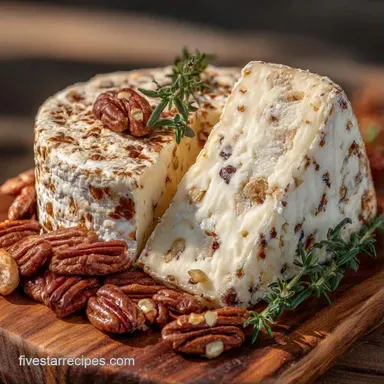
Cheese and Nut Board: Meatless and Savory
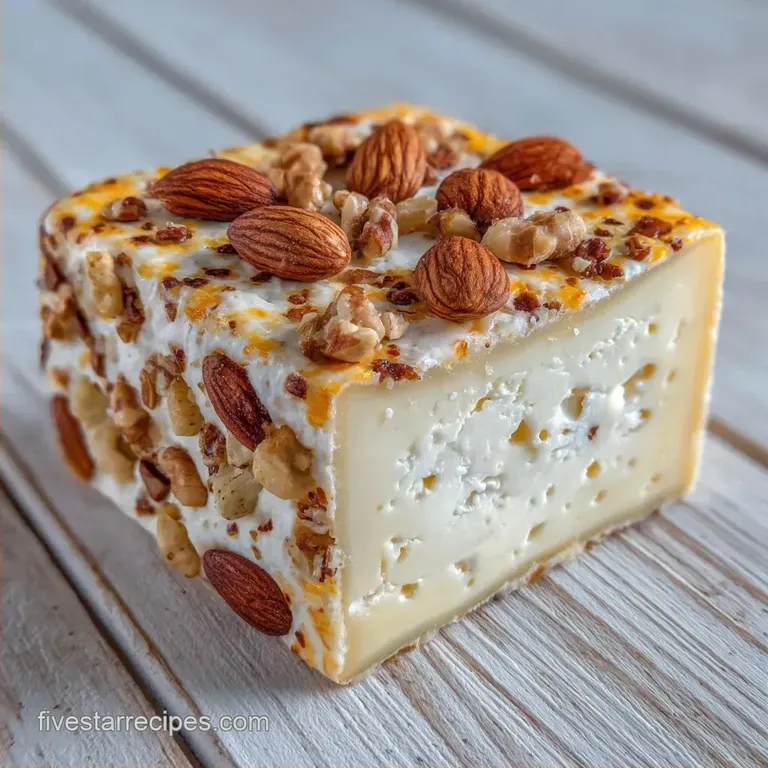
- Time:15 minutes active + 0 minutes chilling
- Flavor/Texture Hook: Velvety brie paired with the sharp shatter of aged cheddar and toasted nuts
- Perfect for: Holiday starters, wine nights, or a stunning vegetarian grazing platter
- Perfecting Your Cheese and Nut Board
- The Logic Behind the Layout
- The Core Flavor Components
- Component Analysis
- Flexible Ingredient Substitutions
- Gear for Pro Plating
- The Step-by-Step Assembly
- Fixing Common Platter Problems
- Flexible Ingredient Substitutions
- Freshness and Waste Guidelines
- Bold Flavor Pairings
- High in Sodium
- Recipe FAQs
- 📝 Recipe Card
Perfecting Your Cheese and Nut Board
The smell of briny Castelvetrano olives hitting the air always reminds me of that one disastrous party I hosted three years ago. I thought I could just "pile" things on a wooden slab, and it looked like a food landslide within ten minutes.
The brie had slid into the grapes, the crackers were soggy from the olive brine, and the whole thing just looked cluttered. It wasn't a curated experience; it was a heap.
That's where most people trip up. They focus on the ingredients but ignore the architecture. A great board isn't about having the rarest cheese from a hidden village in France, it's about how the flavors interact and how the items are anchored.
You want that specific contrast where a salty, toasted almond cuts through the richness of a creamy goat cheese, followed by the honeyed sweetness of a dried fig.
This guide is the fix for that "food pile" problem. We're going to build a Meatless Cheese and Nut Board that actually stays put and hits every single taste bud. I'll show you how to create "anchor points" so your board looks stunning from the first guest to the last.
Trust me, once you get the river flow of the crackers right, you'll never go back to just dumping things on a plate.
The Logic Behind the Layout
When you're putting together a platter, you're essentially managing fat, salt, and sugar. If you have too much of one, the palate gets tired. Here is why this specific arrangement works so well.
The Anchor Effect: Placing heavier, denser items first creates physical barriers that stop smaller nuts and fruits from rolling across the board.
Palate Cleansing: Alternating creamy cheeses with acidic elements like grapes or olives resets the taste buds, making each bite feel fresh.
Texture Layering: Combining the velvetiness of brie with the hard snap of multigrain crackers prevents the experience from feeling one dimensional.
Aroma Distribution: Spreading the strongest smelling items, like aged cheddar, across the board ensures the scent is balanced and not overpowering in one spot.
| Guest Count | Cheese Total | Nut Total | Fruit/Olive Total | Cracker/Bread Total |
|---|---|---|---|---|
| 2-3 People | 8 oz | 1 cup | 1.5 cups | 200g |
| 4-7 People | 16 oz | 1.5 cups | 2.5 cups | 400g |
| 8-12 People | 32 oz | 3 cups | 5 cups | 800g |
The Core Flavor Components
Selecting the right components is about more than just liking the taste. You need a range of textures and intensities. I've found that if you stick to a "one of each" rule (one hard, one soft, one funky), the board always feels balanced.
The Cheese Selection
We're using four distinct profiles here. The sharp aged cheddar brings a crystalline crunch and bold tang, while the brie offers that velvety, buttery melt. The goat cheese adds a bright, citrusy acidity that cuts through the fat, and the manchego provides a nutty, firm finish.
Honestly, don't even bother with low-fat versions of these; you need the full fat for the flavors to actually bloom at room temperature.
The Nut Collection
Nuts are the bridge between the cheese and the fruit. Roasted salted almonds provide a classic savory hit, while toasted walnut halves bring an earthy, slightly bitter depth. For the "wow" factor, candied pecans add a sugary glaze that pairs exceptionally well with the salty manchego.
If you're making a Simple Vegetarian Charcuterie Board, the nuts act as the "protein" anchor for the meal.
The Sweet Accents
Dried apricots and figs are essential because they provide a concentrated, chewy sweetness. Red grapes add a burst of hydration and a fresh, snap like texture. These aren't just garnishes, they're necessary to balance the salt from the olives and the richness of the brie.
The Crunchy Bits
The base is just as important as the toppings. Multigrain crackers offer a nutty, seedy shatter, while the baguette provides a softer, more neutral vessel. Pretzels are my secret weapon here, adding a distinct saltiness that makes the sweet dried fruits pop.
Component Analysis
| Ingredient | Science Role | Pro Secret |
|---|---|---|
| Aged Cheddar | High intensity salt/tang | Leave out 1 hour before serving to soften the fats |
| Brie | Creamy fat base | Cut a small wedge out first to invite guests to dive in |
| Candied Pecans | Sugar contrast | Toast them for 2 mins to wake up the oils |
| Castelvetrano Olives | Briny acidity | Pat them dry with a paper towel to avoid "leaking" |
Flexible Ingredient Substitutions
I'm all for mixing and matching based on what's in your fridge. The key is to replace an ingredient with something that has a similar "job" on the board. For example, if you don't have manchego, you need another firm, salty cheese.
- 4 oz sharp aged cheddar, cubed Why this? Bold tang and firm texture (Substitute: Pecorino Romano for a saltier hit)
- 4 oz brie, wedge Why this? Buttery and melting (Substitute: Camembert, though it's slightly more pungent)
- 4 oz goat cheese, log Why this? Tart and creamy (Substitute: Feta, but keep it in blocks)
- 4 oz manchego, sliced Why this? Nutty and firm (Substitute: Gruyère for a similar alpine vibe)
- 1/2 cup roasted almonds, salted Why this? Classic savory crunch (Substitute: Cashews for a creamier nut)
- 1/2 cup walnut halves, toasted Why this? Earthy depth (Substitute: Hazelnuts for a more floral note)
- 1/2 cup candied pecans Why this? Sweet contrast (Substitute: Dried cranberries for a tart sweetness)
- 1 cup red grapes, small clusters Why this? Freshness and juice (Substitute: Sliced apple or pear)
- 1/2 cup dried apricots, halved Why this? Chewy tartness (Substitute: Dried mango slices)
- 1/2 cup castelvetrano olives, pitted Why this? Buttery brine (Substitute: Kalamata olives for a sharper salt)
- 1/2 cup dried figs, quartered Why this? Honeyed richness (Substitute: Dates for a deeper sweetness)
- 150g multigrain crackers Why this? Seedy snap (Substitute: Water crackers for a neutral base)
- 250g baguette, sliced into rounds Why this? Soft, absorbent base (Substitute: Toasted sourdough slices)
- 1/2 cup pretzels Why this? Pure salt hit (Substitute: Corn nuts for more intensity)
| Original Ingredient | Substitute | Why It Works |
|---|---|---|
| Brie (4 oz) | Camembert (4 oz) | Similar texture. Note: More earthy and pungent aroma |
| Candied Pecans (1/2 cup) | Honey roasted Almonds (1/2 cup) | Similar sugar/salt balance. Note: Slightly harder crunch |
| Castelvetrano Olives (1/2 cup) | Caperberries (1/2 cup) | Provides the same briny acidity. Note: More vinegary taste |
Right then, if you're feeling like this is too focused on cheese, you can always pivot toward a more meat heavy option. My meat and cracker platter is a great alternative if you have guests who aren't as keen on a meatless grazing platter.
Gear for Pro Plating
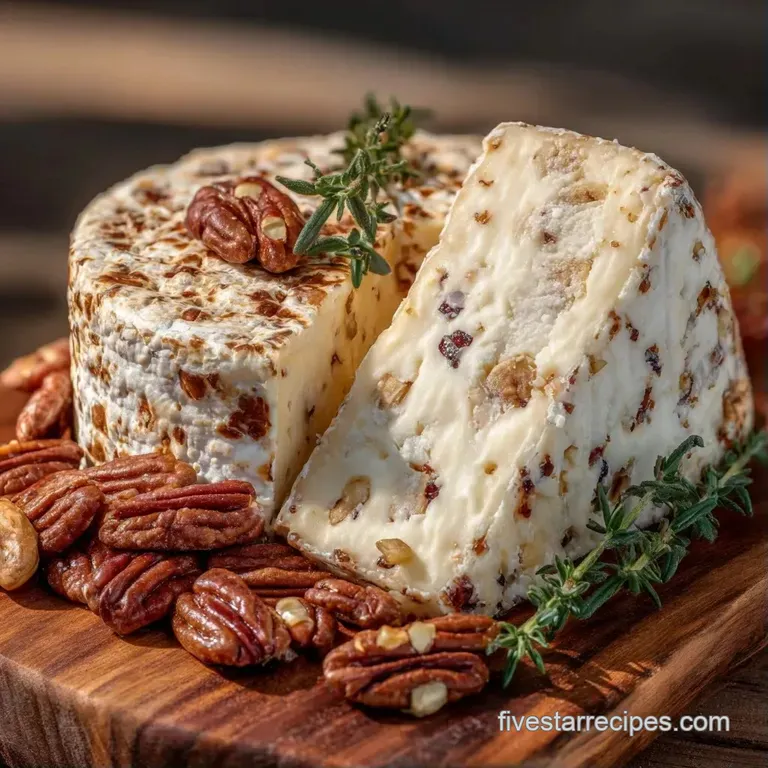
You don't need a professional studio, but the surface matters. I prefer a heavy wooden board or a slate slab. Wood is warmer and feels more rustic, while slate keeps the cheese slightly cooler for longer.
Avoid using plastic platters if you can. They don't have the "grip" that natural materials do, which means your nuts and olives will slide every time someone moves the board. You'll also need a few small ceramic ramekins.
Putting the olives and nuts in bowls instead of scattering them directly on the board prevents the oil and brine from soaking into your crackers, which is the number one cause of "soggy board syndrome."
Finally, grab a variety of knives. A soft cheese knife for the brie and a sharper pairing knife for the manchego. Placing these directly on the board isn't just for looks, it tells your guests, "Go ahead, help yourself."
The step-by-step Assembly
Let's crack on with the build. The secret here is the "Anchor and Flow" method. We aren't just placing food; we're designing a path for the eye (and the hand).
- Anchor the heavy hitters. Place the cubed cheddar, the brie wedge, the goat cheese log, and the ramekins of olives and nuts unevenly across the board. Note: This creates stable islands that keep everything else in place.
- Establish the "rivers". Fan the multigrain crackers and baguette slices in curving lines stemming from the cheese anchors. Arrange them until they overlap slightly, creating a flow that guides the guest's eye across the board.
- Tuck in the fruit. Nestle the red grape clusters and dried apricots into the empty spaces between the cheese and crackers. Note: The grapes act as natural "stoppers" for the smaller items.
- Fill the gaps with sweetness. Scatter the quartered dried figs and candied pecans into any remaining holes. Continue filling until the bottom of the platter is no longer visible, giving it that lush, abundant look.
- Add the final salt. Sprinkle the pretzels in the remaining small gaps, focusing on the edges of the board.
- Position the tools. Place the cheese knives directly on the board, leaning them against the largest cheese anchors.
- Final scent check. Give the board a quick sniff. You should smell the briny olives and the nutty toasted walnuts equally.
- Temperature set. Let the board sit at room temperature for about 30-60 minutes before serving. According to Serious Eats, cheese flavors are muted when cold and bloom fully as they warm.
Fixing Common Platter Problems
The biggest issue I see with a Cheese and Nut Board is the "clutter" effect, where everything looks like it was dropped from a height. This usually happens because people don't use enough "fillers." If you can see the board, you haven't added enough grapes or nuts.
Why Your Cheese is Sweating
If you see little beads of oil on your cheddar or manchego, it's usually because the cheese was brought from a very cold fridge into a very warm room too quickly. This is called "sweating." To fix this, take your cheese out an hour early and let it warm up gradually.
If it's already sweating, just gently pat it with a clean paper towel.
Why Your Crackers are Soggy
This happens when "wet" ingredients (olives, grapes, or juicy cheeses) touch the "dry" ingredients. The fix is simple: use ramekins for the olives and create a "buffer zone" of nuts between the olives and the crackers.
| Problem | Root Cause | Solution |
|---|---|---|
| Slipping Ingredients | Too much empty space | Fill gaps with grapes or nuts |
| Dull Flavor | Served too cold | 60 min room temp resting |
| Soggy Base | Brine contact | Use ramekins for olives |
Platter Pro Checklist:
- ✓ All "wet" items are in bowls
- ✓ No visible board surface (fully filled)
- ✓ Cheese is at room temperature
- ✓ Textures are varied (soft, hard, crunchy, chewy)
- ✓ Knives are placed for easy access
Flexible Ingredient Substitutions
If you want to change the vibe of the board, you can easily shift the flavor profile. For a more international feel, swap the manchego for an aged Gouda and the almonds for pistachios. If you're looking for a more dessert style board, increase the candied pecans and add some dark chocolate chunks.
Decision Shortcut:
- If you want it Salty/Savory: Double the olives and use smoked almonds.
- If you want it Sweet/Fruity: Add fresh berries and honey drizzled goat cheese.
- If you want it Budget-Friendly: Swap the manchego for a sharp white cheddar and use generic mixed nuts.
For those who want a more substantial appetizer, this is a great time to introduce some proteins. While this version is a meatless grazing platter, adding a few slices of prosciutto or salami can turn it into a full blown charcuterie experience.
Freshness and Waste Guidelines
The tragedy of a party board is the leftovers. Most people just wrap the whole board in plastic, which is a disaster because the crackers absorb the smells of the cheese and the fruit gets mushy.
Storage Instructions:
- Cheeses: Wrap them individually in parchment paper, then foil. They'll last in the fridge for 1-2 weeks.
- Nuts: Store in an airtight jar in the fridge to prevent the oils from going rancid (oxidation). They'll stay fresh for 3 months.
- Fruits: Put dried fruits in a sealed bag. Fresh grapes should be kept in the crisper drawer, unwashed, until you're ready to eat them.
- Crackers: Keep them in their original packaging or a sealed tin to maintain that shatter.
Zero Waste Tips: If you have leftover brie or goat cheese that's gotten a bit too soft, don't toss it. Melt it into a quick pasta sauce or use it as a base for a savory tart. Any leftover nuts can be pulsed in a blender to make a homemade almond meal for baking.
If your baguette has gone stale, slice it thin, brush with olive oil, and toast it into crostini for a future snack.
Bold Flavor Pairings
A board this bold needs a drink that can stand up to the fat of the brie and the salt of the olives. I usually go for something with a bit of acidity or bubbles to cut through the richness.
For a cocktail, a Classic Margarita is actually a stunning pairing. The lime acidity and salt rim mirror the flavors of the goat cheese and olives, creating a cohesive taste experience. If you prefer wine, a crisp Sauvignon Blanc or a bubbly Prosecco works best.
If you're serving this as a starter for a larger dinner, keep the portions small. Since the fats in the cheese are so satiating, you don't want your guests too full before the main event. Pair it with a light, citrusy salad to keep the energy high and the palate refreshed.
Trust me on this, the contrast between the heavy board and a light drink is what makes the whole experience feel high end.
High in Sodium
840 mg 840 mg of sodium per serving (37% 37% of daily value)
The American Heart Association recommends a daily sodium limit of no more than 2,300 mg for most adults to maintain heart health.
Tips to Reduce Sodium
-
Swap the Olives-25%
Replace the Castelvetrano olives with fresh sliced cucumbers or bell peppers to remove one of the highest sodium contributors.
-
Rethink the Pretzels-20%
Substitute the pretzels with unsalted air-popped popcorn or fresh crudités to significantly lower processed salt intake.
-
Choose Unsalted Nuts-15%
Swap the salted roasted almonds for raw or unsalted roasted almonds to avoid unnecessary added salt.
-
Modify the Cheese Selection-15%
Swap the sharp aged cheddar or manchego for fresh mozzarella or ricotta, which naturally contain less sodium than aged varieties.
-
Lower-Sodium Crackers-10%
Replace multigrain crackers with low-sodium whole-grain crackers or use more sliced baguette, which typically has less salt per gram.
-
Enhance with Fresh Herbs
Garnish the board with fresh rosemary, thyme, or parsley to add aromatic flavor without adding any sodium.
Recipe FAQs
How to assemble the board for a professional look?
Place the three smallest cheeses and ramekins of olives and nuts first. These create anchor points that prevent ingredients from sliding. Then, fan crackers in curving river patterns and tuck grapes and dried fruits into the remaining gaps.
What ingredients create the best flavor balance?
Combine sharp, creamy, and sweet elements. Use aged cheddar and manchego for salt, brie and goat cheese for richness, and candied pecans or dried apricots to cut through the fat.
Can I add kimchi to this cheese and nut board?
No, avoid adding kimchi here. The strong fermentation clashes with the delicate flavors of the brie and goat cheese. Use Castelvetrano olives for your briny, acidic component instead.
What kind of meat should I add to this board?
This specific board is meatless. If you prefer a protein-heavy version, apply the same anchoring technique found in an Italian meat board to keep the platter organized.
How to make the platter look "cute" and curated?
Fan the crackers and baguette slices in overlapping curving lines. Ensure these "rivers" stem directly from your cheese anchors. Finish by placing cheese knives directly on the board to fill final empty spaces.
Is it true that you can just pile ingredients on the board?
No, this is a common misconception. Simply piling food often leads to "food landslides" where moist items like brie bleed into the crackers. Strategic anchoring is the only way to maintain the layout.
What should I bring to a charcuterie party?
Bring a freshly sliced baguette or extra toasted walnut halves. These provide a neutral, crunchy base that complements various cheeses without overwhelming the host's flavor profile.
Cheese and Nut Board in 15 Minutes