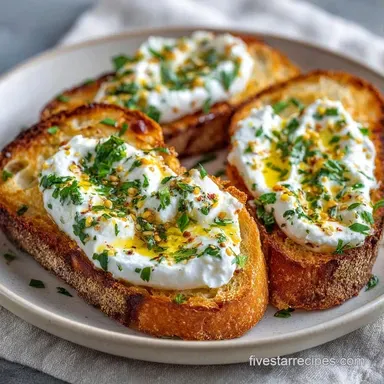
Crostini and Cheese Board: Garlic and Gourmet
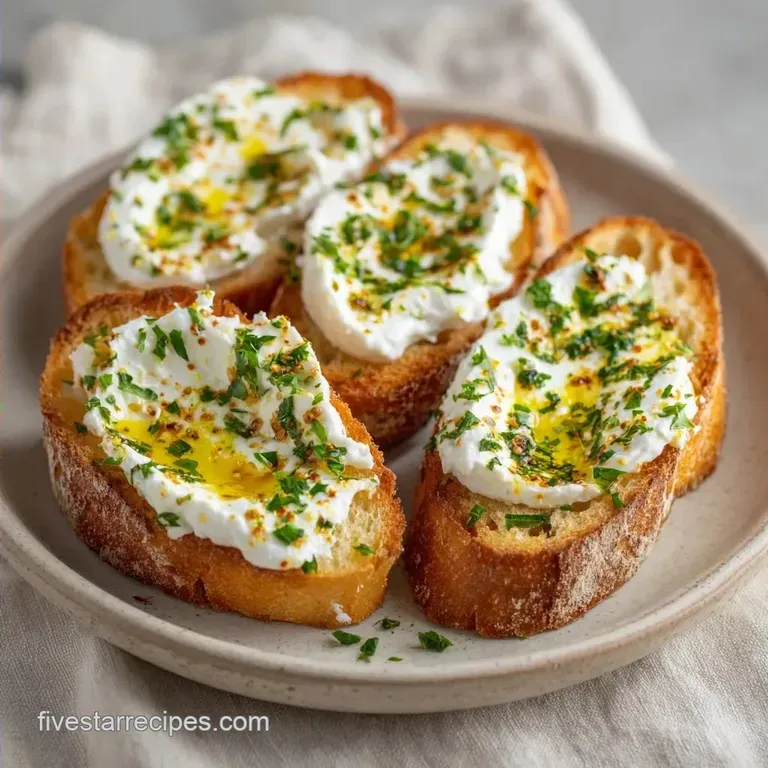
- Time:15 minutes active + 8 minutes cook
- Flavor/Texture Hook: Shatter crisp bread meets velvety burrata and pungent blue cheese
- Perfect for: Bold starters for a party or an impressive date night spread
- Nailing Your Crostini and Cheese Board
- The Secret Sauce
- The Ingredient Breakdown
- What You'll Need
- Must Have Gear
- Step-By-Step Assembly
- Avoiding Kitchen Disasters
- Troubleshooting Common Issues
- Customizing Your Platter
- Make-Ahead and Leftover Tips
- Stunning Serving Ideas
- Common Misconceptions
- Recipe FAQs
- 📝 Recipe Card
Think of that sound when you first bite into a piece of perfectly toasted baguette, that sharp "shatter" that gives way to a soft, buttery center. Then, you hit the creaminess of a cold Burrata or the sharp, crystalline bite of an aged Cheddar.
It's that contrast, the hot and the cold, the crisp and the velvety, that makes this board work.
I remember the first time I tried to put together a spread like this for a group of friends. I spent forever meticulously slicing everything, but I forgot the most important part: the temperature. I served the cheese straight from the fridge, and it tasted like... well, nothing. It was a flat experience.
The real magic happens when the cheeses have time to breathe and the bread is still warm enough to melt the edges of the Brie.
That's why this Crostini and Cheese Board isn't just about throwing things on a plate. It's about the interaction of flavors. We're playing with the sweetness of fig jam against the salty punch of Gorgonzola, and the brightness of cornichons to cut through all that rich fat. Let's crack on and get this looking stunning.
Nailing Your Crostini and Cheese Board
Right then, the secret here is the balance. You can't just have three creamy cheeses and call it a day, or your palate will just shut down after two bites. You need the "Flavor Quadrant" to keep people coming back for more. I always aim for a mix of Salt, Sweet, Acid, and Funk.
The Cheddar brings the salt, the fig jam and grapes bring the sweet, the cornichons provide the acid, and the Gorgonzola handles the funk.
When you're assembling your Crostini and Cheese Board, think of it as a landscape. You want peaks and valleys. Pile your toasted bread in a rustic heap to create height, and let your jam and honey drizzle naturally. It shouldn't look like a math problem; it should look like a lush, overflowing feast.
Trust me on this, don't overthink the "perfect" placement. The most stunning boards are the ones that look a bit effortless, like you just happened to have a bunch of world class ingredients and tossed them together. But the "effortless" look actually takes a bit of strategy, which is where the anchors come in.
The Secret Sauce
I'm not talking about an actual sauce here, but rather the logic that makes this specific combination work. It's all about how the ingredients interact on a molecular level without getting too academic about it.
Garlic Infusion: Rubbing raw garlic on hot, toasted bread uses the bread's rough surface like a grater, pushing the oils directly into the crumb.
Fat Saturation: The high fat content in Burrata and Brie coats the tongue, which allows the sharp acidity of the cornichons to "cut" through and refresh your taste buds.
Sugar Salt Bridge: Fig jam acts as a bridge between the salty Aged Cheddar and the creamy Brie, creating a balanced profile that doesn't lean too far in one direction.
Textural Layering: By combining "shatter" (crostini), "velvety" (Burrata), and "crunch" (almonds), you engage more sensory receptors, making the experience feel more satisfying.
| Feature | Homemade Crostini | store-bought Crackers |
|---|---|---|
| Texture | Shatter crisp & airy | Dense or overly flaky |
| Flavor | Garlic forward & buttery | Bland or overly salty |
| Heat | Served warm (melts cheese) | Room temperature |
| Impact | High "wow" factor | Standard party fare |
The Ingredient Breakdown
I've spent a lot of time figuring out which components actually move the needle. Some things are just fillers, but these are the heavy hitters. According to Serious Eats, the choice of fat in your bread preparation significantly alters the final crunch and flavor profile.
| Ingredient | Science Role | Pro Secret |
|---|---|---|
| Baguette | Structural Base | Use a day old loaf for a more consistent crunch |
| Extra Virgin Olive Oil | Heat Conductor | Brush both sides to prevent "soggy centers" |
| Raw Garlic | Aromatic Punch | Rub only after toasting to keep the flavor bright |
| Burrata | Creamy Contrast | Drizzle with oil and salt to highlight the milkiness |
What You'll Need
For this Crostini and Cheese Board, you want ingredients that provide a bold contrast. Don't bother with low-fat cheeses; they don't have the structure or the flavor to stand up to the garlic bread.
- 1 loaf (1 lb / 450g) French baguette, sliced into 1/2 inch rounds Why this? Provides the essential airy structure for toasting
- 1/3 cup (80ml) extra virgin olive oil Why this? High smoke point and rich flavor
- 2 cloves (6g) garlic, peeled and halved Why this? Fresh garlic provides a sharper, more authentic hit
- 1/2 tsp (3g) kosher salt Why this? Enhances all other flavors
- 1/4 tsp (1g) cracked black pepper Why this? Adds a subtle woody heat
- 8 oz (225g) Burrata Why this? The ultimate velvety center
- 6 oz (170g) Aged Cheddar Why this? Brings the necessary salty crystals
- 6 oz (170g) Brie Why this? Classic buttery melt
- 4 oz (115g) Gorgonzola Why this? The bold, pungent "funk" element
- 1/2 cup (125ml) fig jam Why this? Deep sweetness to balance the blue cheese
- 1/2 cup (60g) roasted almonds Why this? Earthy crunch
- 1 cup (150g) seedless grapes Why this? Bright, juicy bursts of freshness
- 1/4 cup (30g) cornichons Why this? Essential acid to cut through the fat
| Original Ingredient | Substitute | Why It Works |
|---|---|---|
| Burrata | Fresh Mozzarella | Similar mild flavor. Note: Lacks the creamy center |
| Gorgonzola | Roquefort | Both are bold blue cheeses. Note: Roquefort is saltier/tangier |
| Fig Jam | Apricot Preserves | Sweet and fruity. Note: Lighter, more floral notes |
| Roasted Almonds | Walnuts | Earthy and crunchy. Note: Slightly more bitter finish |
For the bread, I highly recommend checking out guides from King Arthur Baking if you're feeling brave enough to bake your own baguette, but a high-quality store-bought one works just as well for this recipe.
Must Have Gear
You don't need a professional kitchen for this, but a few specific tools make it way easier.
- Large Baking Sheet: You need plenty of room so the bread doesn't steam itself.
- Pastry Brush: Essential for getting that olive oil into every nook and cranny of the baguette.
- Cheese Knives: A soft cheese knife (for the Brie) and a hard cheese knife (for the Cheddar).
- Wooden Board or Slate: A large surface (at least 12x18 inches) to allow the ingredients to breathe.
Step-by-step Assembly
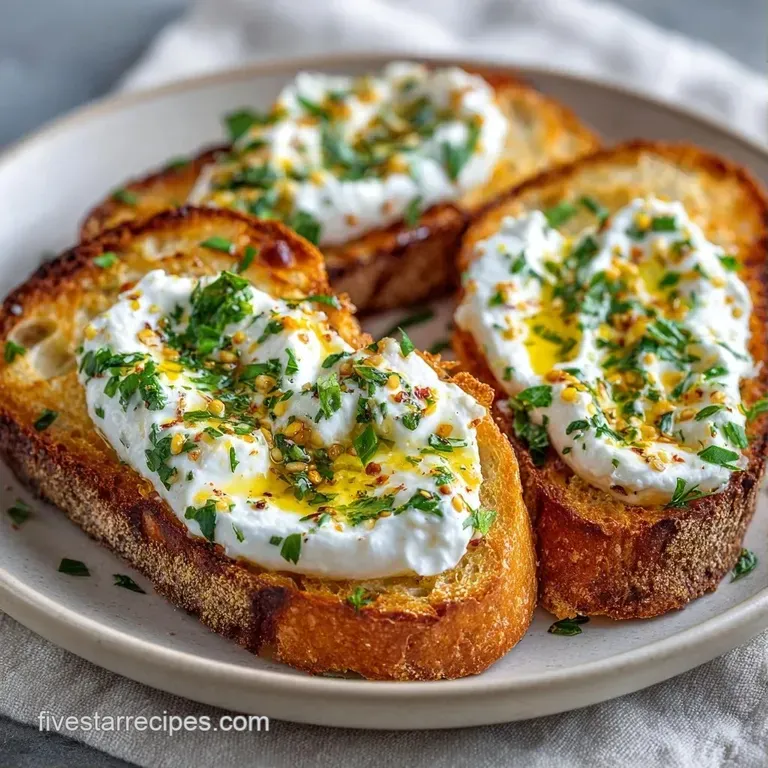
Let's get into the actual process. The timing here is tight, so have everything prepped before the bread hits the oven.
- Preheat your oven to 400°F (200°C). Note: A hot oven is key for that mahogany crust
- Arrange baguette slices in a single layer on the baking sheet.
- Whisk olive oil, salt, and pepper in a bowl; brush generously over each side of the bread.
- Toast for 5–8 minutes, flipping halfway through, until the edges are mahogany colored and the centers are crisp.
- While the bread is still hot, rub the cut side of the raw garlic cloves across the surface of each slice. Note: The heat pulls the garlic oil into the bread
- Place the largest cheeses (Brie and Burrata) on the board first to act as anchors.
- Nestle the cubed hard cheeses and crumbled blue cheese in the gaps.
- Pile the toasted crostini in a rustic stack or a sweeping curve around the cheeses.
- Dollop the fig jam in small bowls or directly on the board near the Brie.
- Fill the remaining gaps with grapes, nuts, and cornichons to create a lush appearance.
- Drizzle a small amount of olive oil over the Burrata and sprinkle with a pinch of flaky salt.
Avoiding Kitchen Disasters
The biggest mistake I see with a Crostini and Cheese Board is "The Soggy Bottom." This happens when you put wet ingredients (like jam or juicy grapes) directly against the toasted bread for too long.
Troubleshooting Common Issues
| Issue | Solution |
|---|---|
| Why Your Bread Got Soggy | If your crostini lose their crunch, it's usually because they were piled too high while still steaming, or they were placed directly on a bed of jam. |
| Why Your Garlic Tastes Bitter | If you toast the garlic with the bread, it often burns, which creates a bitter, acrid taste. The trick is the raw rub after the toast. |
| Why Your Board Looks Cluttered | When everything is just "placed," the board looks like a grocery store shelf. The fix is "clustering." Instead of spreading the almonds evenly, put them in one dense pile. |
Common Mistakes Checklist
- ✓ Rubbing garlic on cold bread (too late!)
- ✓ Using "shredded" cheese instead of blocks (won't hold shape)
- ✓ Crowding the baking sheet (prevents crisping)
- ✓ Forgetting the acid/cornichons (makes it too heavy)
- ✓ Using a cold board (chills the cheese too quickly)
Customizing Your Platter
Once you've nailed the basics of the Crostini and Cheese Board, you can start playing with the flavor profiles. I love shifting the mood depending on who I'm hosting. If you're doing a more meat heavy spread, this pairs perfectly with a Cracker Platter for 4 recipe to add some savory protein.
Shifting the Flavor Profile
If you want something more "Autumnal," swap the grapes for sliced pears and the fig jam for a spicy quince paste. For a "Summer" vibe, go with fresh raspberries and a drizzle of honey over the Burrata.
Adapting for Dietary Needs
For a gluten-free version, you can use a certified GF baguette, but be careful, they often burn faster. Lower the oven temp to 375°F (190°C) and watch them like a hawk.
For a dairy-free board, you'll need to lean heavily on the "accoutrements" like olives, marinated artichokes, and vegan nut based cheeses, though the texture will be less velvety.
Adding a Protein Element
While this is a cheese focused board, adding a few ribbons of Prosciutto or some spicy Salami can really round things out. The saltiness of the cured meat plays beautifully with the sweetness of the fig jam.
Make-ahead and Leftover Tips
You can't really "assemble" this board 24 hours in advance, or the bread will be a sponge and the cheese will be a puddle. But you can definitely prep the components.
Storing the Crostini
If you're prepping a day early, toast the bread without the garlic rub. Store them in an airtight container at room temperature. When you're ready to serve, pop them in a 350°F (180°C) oven for 2 minutes to wake them up, then do the garlic rub.
Handling Leftover Cheese
Don't throw away those leftover nubs of Cheddar or Brie! I usually toss them into a pot of homemade mac and cheese or a savory tart. The Gorgonzola is incredible melted into a cream sauce for pasta.
Zero Waste Hacks
If you have leftover baguette ends (the heels), don't toss them. Brush them with oil and garlic just like the slices and toast them for a crunchy snack. Any leftover grapes can be roasted with a bit of olive oil and thyme for a stunning side dish.
Stunning Serving Ideas
The presentation is 50% of the experience. I always use the "S Curve" method. Place your largest cheese anchors (Brie and Burrata) at opposite ends of the board, then create a winding path of crostini and fruits that connects them. This leads the eye across the board and makes it look professional.
For the ultimate pairing, I highly recommend a Classic Margarita. The lime's acidity and the tequila's earthy notes cut right through the richness of the cheeses, making every bite feel like the first one.
The Flavor Map for Success:
- Salty: Aged Cheddar, Flaky Salt on Burrata
- Sweet: Fig Jam, Seedless Grapes
- Acidic: Cornichons, Lime (in drinks)
- Funk: Gorgonzola
Right then, just remember the most important rule: don't be too precious with it. A cheese board is meant to be picked at, moved around, and enjoyed with a drink in hand. Let the cheeses sweat a little, let the jam drip, and let your guests dive in.
Common Misconceptions
There are a few things people always tell me about cheese boards that just aren't true. Let's clear them up.
"Only expensive, imported cheeses make a board look gourmet." This is a total myth. A high-quality sharp Cheddar from a local farm can often outperform a fancy European cheese if it's fresher. It's about the contrast of flavors, not the price tag.
"You have to mince the garlic to get the flavor." Honestly, don't even bother with mincing for crostini. Minced garlic often burns in the oven or stays as raw, pungent chunks that overpower the cheese. The raw rub method is the only way to go for a balanced, aromatic finish.
"Brie must be served cold to keep its shape." Actually, if you serve Brie cold, you're missing out on the best part. It should be slightly slumped and soft. If it's too firm, just give it a very quick 30 second zap in the microwave or let it sit at room temperature for an hour.
Recipe FAQs
What should I put on a cheese board?
Use a variety of textures and flavors. Combine soft cheeses like Brie and Burrata with harder options like Aged Cheddar, then add accents like fig jam, grapes, and roasted almonds for balance.
How to make the perfect cheese board?
Place the largest cheeses first as anchors. Fill gaps with cubed hard cheeses and crumbled Gorgonzola, then arrange toasted crostini in a rustic curve. If you enjoyed mastering the clustering technique here, see how the same principle works in our Salami and Cheese Board.
What is the 3-3-3 rule for cheese board?
It is a guideline suggesting three cheeses, three meats, and three accompaniments. While helpful for beginners, you can deviate for specific themes, such as focusing on a wider variety of cheeses like the four used in this recipe.
What is crostini traditionally served with?
They are typically paired with spreads, cheeses, or savory toppings. In this recipe, they serve as the perfect vehicle for Burrata, Brie, and a dollop of fig jam.
Is it true that garlic should be toasted with the bread for the best flavor?
No, this is a common misconception. Toasting garlic with the bread often burns it and creates a bitter taste; instead, rub raw garlic on the hot crust immediately after baking.
Are charcuterie boards okay for diabetics?
Yes, but with mindful selections. Focus on the high-protein cheeses, roasted almonds, and cornichons while limiting the fig jam and grapes to manage sugar intake.
How to prevent crostini from getting soggy?
Avoid piling them too high while still steaming. Keep them separate from wet ingredients like jam until the moment of serving to maintain their mahogany-colored crispness.
Crostini and Cheese Board in 23 Minutes