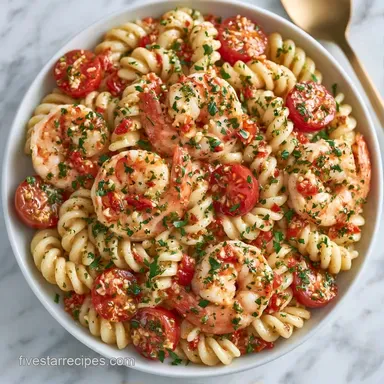
Shrimp Cherry Tomato Pasta in 30 Minutes
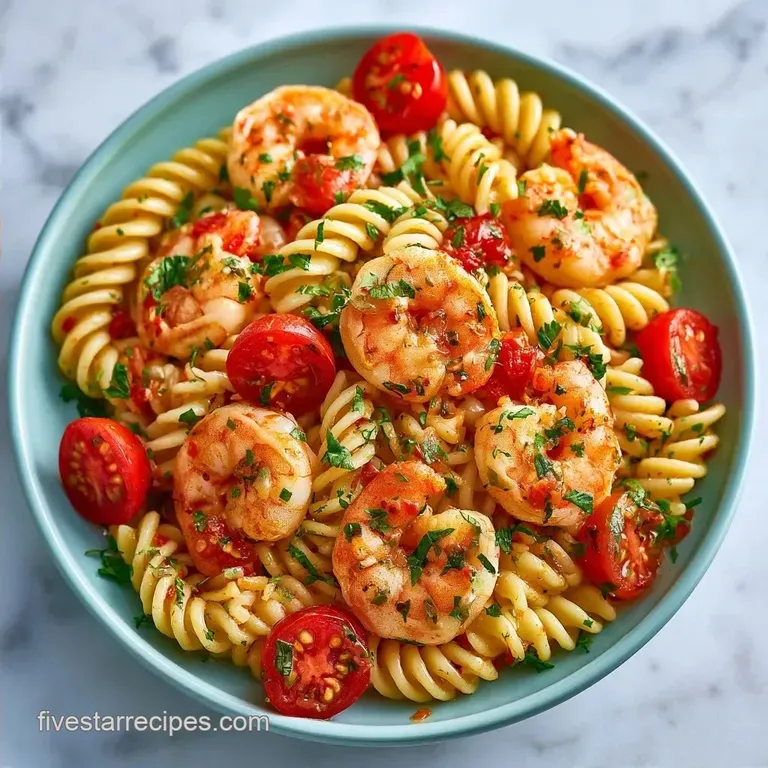
- Time: 10 min active + 20 min cook
- Flavor/Texture Hook: Blistered, jammy tomatoes with snap tender shrimp
- Perfect for: A sophisticated weeknight dinner that feels like a date night
The sound of shrimp hitting a hot skillet is my favorite part of the day. That aggressive sizzle means you're getting a proper sear, which is where all the depth lives. I once spent an entire evening trying to make a similar dish by simmering everything together, but the shrimp turned into rubber balls and the tomatoes just boiled.
It was a disaster.
The trick is treating the ingredients separately before bringing them together at the end. By searing the shrimp first and removing them, you get a golden crust without overcooking the center. Then, you let the cherry tomatoes break down into a jammy consistency. This is what makes Shrimp Cherry Tomato Pasta feel like a restaurant meal rather than a quick home stir fry.
You can expect a dish that balances the bright acidity of the wine and tomatoes with the richness of butter and Parmesan. It's a vibrant plate, bursting with red, pink, and green. Trust me, once you see those tomatoes blister and collapse, you'll never go back to the "one pot" method.
Quick Shrimp Cherry Tomato Pasta Specs
This recipe is built for speed without sacrificing the quality of the ingredients. You aren't spending hours simmering a sauce, but you are using a few specific techniques to build layers of flavor. It's a fast paced process, so have your garlic minced and your shrimp patted dry before you even turn on the stove.
The balance here is key. The acidity of the dry white wine cuts through the fat of the butter, and the red pepper flakes add a tiny bit of warmth that doesn't overpower the sweetness of the shrimp. Because we use a "two stage" cook, the textures remain distinct.
| Feature | Fast Method | Classic Sauce |
|---|---|---|
| Cook Time | 30 minutes | 2-3 hours |
| Tomato Texture | Blistered/Whole | Pureed/Smooth |
| Sauce Base | Wine & Butter | Slow simmered Tomato |
The Fresh Ingredients
The real hero of this dish is the cherry tomato. I prefer the smallest ones I can find because they have a higher skin to flesh ratio, which means they blister and pop more effectively. When they hit the hot butter, they release a concentrated burst of sweetness and acidity.
Using canned tomatoes would be a mistake here; you'd lose that fresh, bright pop that defines the dish.
For the shrimp, go for large, peeled, and deveined. If you use frozen, make sure they are completely thawed and dried. Any excess moisture on the shrimp will cause them to steam instead of sear, and you'll miss out on that golden brown color.
As for the pasta, spaghetti or linguine are the standards. They provide enough surface area for the sauce to cling to without becoming a clump of dough. I always recommend a dry white wine like Pinot Grigio or Sauvignon Blanc.
Avoid "cooking wines" found in grocery stores, as they are often overly salty and lack the nuanced acidity needed to balance the butter.
Essential Kitchen Tools
While you don't need a commercial kitchen, a couple of specific tools will make things easier. A heavy-bottomed skillet is crucial. I recommend cast iron or stainless steel for their superior heat retention, which ensures the shrimp sear and tomatoes blister rapidly.
Non-stick pans are an option, though the protein won't develop as rich of a crust.
Naturally, you'll need a large pot for the pasta. Use a colander that allows you to save some of the cooking liquid. If a measuring cup isn't available, a simple ladle works perfectly to scoop out that starchy water before draining.
Lastly, a sturdy pair of tongs is indispensable. Use them to turn the shrimp and vigorously mix the pasta at the finish. This action is key to emulsifying the sauce, as it binds the fats and starches together.
Step-by-step Cooking
Phase 1: The Pasta Foundation
- Boil a large pot of water seasoned generously with salt. Stir in 450g (1 lb) of spaghetti, cooking it for 1-2 minutes shorter than the package directions. Note: This lets the pasta complete its cooking process in the sauce.
- Reserve 240ml (1 cup) of the starchy pasta water before draining. Strain the noodles and set them aside.
Phase 2: The Precision Sear
- Use paper towels to pat 680g (1.5 lbs) of shrimp totally dry. Season them with salt and pepper. Note: Moisture-free shrimp result in a golden crust.
- Warm 45ml (3 tbsp) of olive oil in a pan over a medium-high flame until it shimmers.
- Arrange shrimp in one layer. Sear without moving for 2 minutes until golden brown, then flip and cook for an additional minute.
- Move the shrimp to a plate right away. Note: To avoid a rubbery texture, remove them from the pan immediately.
Phase 3: Blistering & Emulsifying
- Lower the heat to medium. Stir the remaining oil and 28g (2 tbsp) of butter into the pan.
- Add 300g (2 cups) of cherry tomato halves. Sauté for 4-5 minutes until the skins blister and collapse.
- Mix in 4 minced garlic cloves and 1/2 tsp red pepper flakes, cooking for 30-60 seconds until fragrant.
- Deglaze the pan with 120ml (1/2 cup) of dry white wine. Raise the heat to medium-high and scrape up the browned bits. Simmer for 2-3 minutes until the liquid reduces by half.
Phase 4: The Final Assembly
- Return the pasta and seared shrimp to the pan. Pour in 120ml (1/2 cup) of the reserved pasta water.
- Toss everything over medium heat for 1-2 minutes until the sauce is a glossy, velvety glaze.
- Remove from heat. Stir in 1/2 cup of torn fresh basil and 1/2 cup of grated Parmesan cheese.
Why This Method Works
The magic here happens in the final toss. The starch in the pasta water acts as a bridge between the fat in the butter and the water based wine. This creates a stable emulsion, as explained in several Serious Eats guides, which means the sauce clings to the pasta instead of sliding off.
Two Stage Cooking: Searing shrimp separately prevents them from overcooking while the tomatoes soften. Deglazing: The white wine lifts the brown bits (fond) from the pan, incorporating all that concentrated shrimp flavor back into the sauce.
Fixing Common Glitches
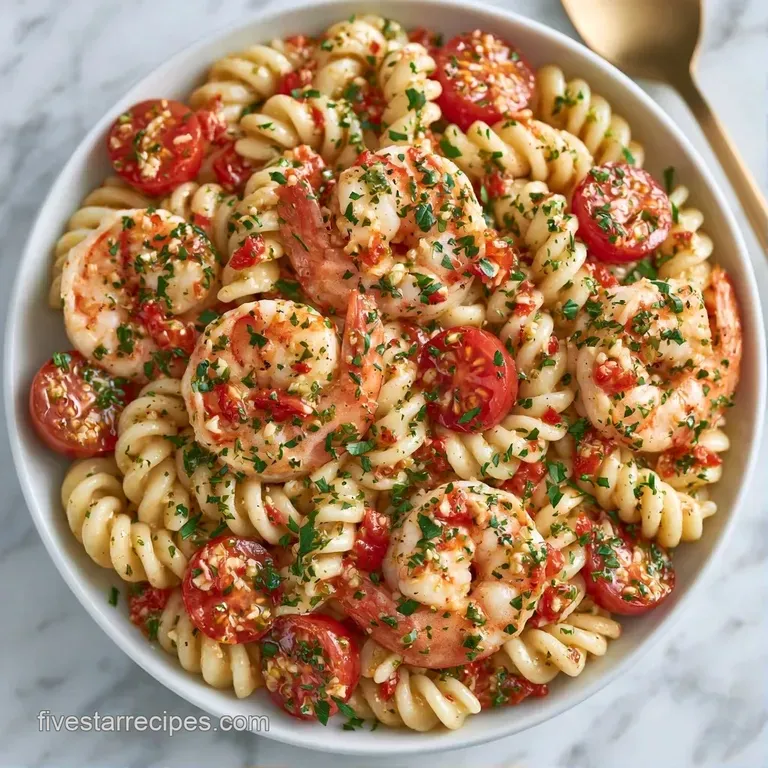
The most common issue is a sauce that feels too thin or watery. This usually happens if the wine wasn't reduced enough or if the pasta wasn't tossed long enough over the heat. You want to see the liquid bubble and thicken into a glaze that coats the back of a spoon.
Another common pitfall is overcooking the shrimp. Shrimp go from perfect to rubbery in about 30 seconds. That's why we move them to a plate immediately after the sear. They will warm back up during the final assembly, so undercooking them by a tiny margin in the first stage is actually a safety net.
Fixing a Runny Sauce
If the sauce is too thin, keep the pan on medium heat and toss for another minute. The heat will evaporate the excess water and thicken the starch.
Preventing Rubbery Shrimp
Always pat the shrimp dry. If they are wet, they steam. Steaming takes longer to get color, which means the inside overcooks before the outside looks done.
Balancing Too Much Acidity
If the wine or tomatoes make the dish too tart, add an extra knob of butter at the very end. The fat neutralizes the sharp acidity.
| Problem | Root Cause | Solution |
|---|---|---|
| Sauce is watery | Wine not reduced or insufficient tossing | Simmer 2 mins more or toss vigorously over heat |
| Shrimp are tough | Overcooked during sear or final assembly | Remove from pan sooner; add back only at the end |
| Garlic tastes burnt | Heat was too high when adding garlic | Lower heat to medium before adding aromatics |
Storage and Waste Tips
While this meal is best enjoyed immediately, leftovers can be kept in a sealed container in the fridge for 2 days. To reheat, stir in a bit of butter or a splash of water and warm over a medium flame, tossing gently to keep the shrimp intact.
Reduce waste by saving your shrimp shells in a freezer bag to whip up a quick seafood stock for another dish. You can also blend remaining basil stems into a pesto or freeze them in olive oil cubes for future sautéing.
Tasty Flavor Twists
Feel free to swap the protein to suit your taste. Scallops are an excellent choice, though they need slightly higher heat for a proper sear. For a meat-free alternative, try using halloumi cheese or chunks of roasted cauliflower.
If you enjoy greens, stir in some baby spinach right at the end; the residual heat from the pasta will wilt it in about 30 seconds. For a more concentrated flavor, apply the Roasted Cherry Tomato Pasta method by roasting the tomatoes in the oven before adding them to the pan.
For a meal that focuses more on vegetables, try my Cherry Tomato Spinach Pasta for a lighter version.
- For more heat
- increase red pepper flakes to 1 tsp.
- For a richer sauce
- use 3 tbsp butter instead of 2.
- For a lighter dish
- substitute the butter with more extra virgin olive oil.
Adjusting the Serving Size
If you're scaling this down for two, use a smaller skillet to keep the heat concentrated. Since smaller batches cook faster, reduce the tomato cooking time by about 20%. Adjust the garlic as well; while 4 cloves are perfect for 6 people, that's too strong for two, so use 2 cloves instead.
For larger groups, sear the shrimp in batches. Overfilling the pan causes them to release moisture and steam instead of searing, which prevents that golden crust. You can increase the liquids for the sauce, but only multiply the salt and red pepper flakes by 1.5x, as it's easy to over-salt larger portions.
Pasta Myths Debunked
You'll often hear that you should add oil to your pasta water to stop the noodles from sticking. This is a myth. Oil just floats on top and then coats the pasta, which actually prevents the sauce from sticking to the noodles. Salt is the only thing that belongs in your water.
Another common belief is that you need to rinse your pasta after draining. Never do this. Rinsing washes away the surface starch, which is exactly what we need to make the Shrimp Cherry Tomato Pasta sauce emulsify and cling to the spaghetti.
Perfect Pairing Ideas
To make this feel like a gourmet occasion, focus on the color balance. The red of the blistered tomatoes and the pink of the shrimp are stunning, but they need the bright green of the torn basil for contrast. Add the basil and a final sprinkle of Parmesan just before serving to keep the colors vivid.
For a side, a simple arugula salad with lemon vinaigrette is the best bet. The peppery greens and citrusy dressing cut through the richness of the butter sauce. If you need something heartier, a slice of toasted ciabatta rubbed with a raw garlic clove is a must.
Use the bread to mop up every last drop of the wine butter glaze.
A chilled glass of the same white wine used in the recipe completes the meal. It echoes the flavors in the pan and keeps the whole dinner feeling cohesive and sophisticated.
Recipe FAQs
How to make a sauce with cherry tomatoes?
Sauté halved cherry tomatoes in olive oil and butter for 4–5 minutes. Stir until the skins blister and collapse before adding garlic and red pepper flakes.
Can you combine tomatoes and pesto in the same dish?
Yes, these flavors pair perfectly. If you enjoyed balancing fresh basil and tomatoes here, see how we apply a similar flavor profile in our creamy pesto.
Why is the pasta water necessary?
It emulsifies the fats and liquids. Adding 1/2 cup of reserved cloudy water transforms the pan juices into a glossy, velvety glaze that clings to the pasta.
Is it true that shrimp should be rinsed before searing?
False. Rinsing adds surface moisture that prevents browning; always pat shrimp completely dry with paper towels to ensure a golden sear.
Do I have to use white wine?
No, you can substitute it with additional reserved pasta water. However, the wine provides a critical acidity that balances the richness of the butter and Parmesan.
Should I cook shrimp longer for more flavor?
Actually, no. Overcooking makes shrimp rubbery; stick to the 2-minute first side and 1-minute second side timing for the best texture.
What happens if the sauce is too dry?
Add more reserved pasta water one tablespoon at a time. Toss vigorously over medium heat until the glaze reaches your preferred consistency.
Shrimp Cherry Tomato Pasta in 30 Minutes