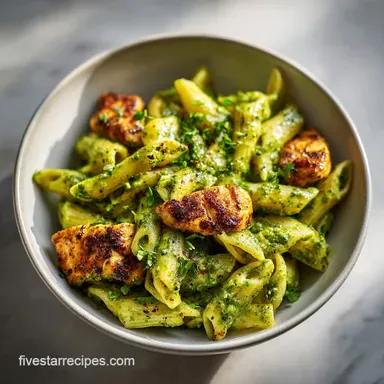
Chicken Pesto Pasta: Creamy and Gourmet
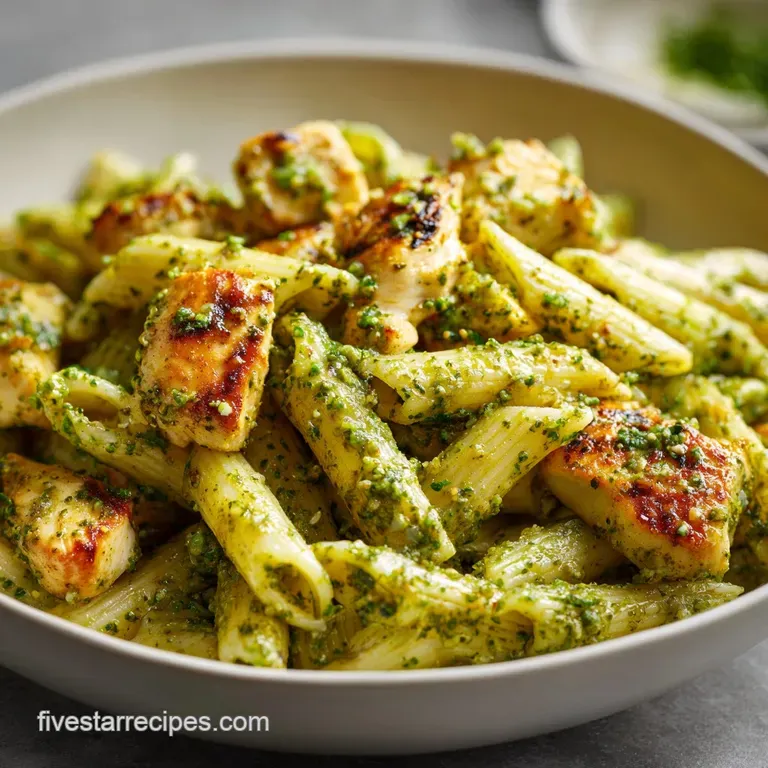
- Time:10 minutes active + 20 minutes cooking = Total 30 minutes
- Flavor/Texture Hook: Velvety cream sauce with zesty, bright basil notes
- Perfect for: A polished weeknight dinner or an impressive date night
- The Best Chicken Pesto Pasta
- Why the Sauce Stays Silky
- Essential Components and Swaps
- The Right Kitchen Gear
- Step by Step Guide
- Fixing Common Texture Issues
- Troubleshooting Common Issues
- Variations for Every Taste
- Storage and Waste Tips
- Perfect Sides for This Meal
- Final Thoughts on Pesto
- Critical Sodium Level
- Recipe FAQs
- 📝 Recipe Card
That sharp, peppery scent of fresh basil hitting a hot pan is, for me, the smell of a successful kitchen. I remember the first time I tried to make this, I used a budget pesto from a jar that had turned a weird, brownish grey color. The result was a dish that tasted more like canned peas than a fresh Italian garden.
It was a hard lesson in how the quality of your pesto dictates the entire vibe of the meal.
The real hero here is the basil pesto. It's not just a flavor additive, it's the soul of the sauce. When you use a pesto rich in high-quality olive oil and fresh Parmesan, it provides a depth that heavy cream alone can't touch.
If you go for a low-fat version or a cheap substitute, you lose that luxurious mouthfeel and the bright, herbaceous punch that makes this dish sing.
We're aiming for a result that is silky and cohesive, not a greasy mess of separated oil. By the time we're done, you'll have a Chicken Pesto Pasta that looks like it came from a bistro but only took half an hour of your time. Trust me, the secret is all in the timing of the pasta water and the heat of the pan.
The Best Chicken Pesto Pasta
Right then, let's get into why this actually works. Most people just dump pesto and cream together, but that's where they go wrong. To get that restaurant style finish, you need to understand how the ingredients interact.
- Starch Bridge
- The reserved pasta water contains gelatinized starches that act as a glue, binding the oily pesto to the watery cream.
- Fat Balance
- Heavy cream mellows out the sharp garlic and acidic lemon, creating a smoother flavor profile.
- Protein Searing
- Cooking the chicken in a single layer creates a crust that holds its own against the rich sauce.
- Leafy Integration
- Adding spinach at the very end ensures it wilts without turning into a soggy, dark green mush.
Actually, if you've ever made my velvety meat sauce recipe, you know that the "pan sauce" technique is everything. Here, we're doing something similar by deglazing the chicken bits with the cream and pesto.
| Style | Prep Time | Texture | Best For |
|---|---|---|---|
| Fast (Jarred) | 5 mins | Thinner, more uniform | Quick lunch |
| Classic (Fresh) | 15 mins | Chunky, vibrant, rich | Dinner party |
Why the Sauce Stays Silky
Before we get to the list, let's look at the components. Not every ingredient is just there for taste, some are doing the heavy lifting for the texture.
| Ingredient | Science Role | Pro Secret |
|---|---|---|
| Heavy Cream | Stabilizer | Keeps the pesto from separating when heated |
| Pasta Water | Emulsifier | The "liquid gold" that makes the sauce velvety |
| Parmesan | Thickener | Adds salt and body as it melts into the cream |
| Lemon Juice | Brightener | Cuts through the heavy fat to wake up the palate |
Essential Components and Swaps
I've listed everything you need below. I've stuck to the classics here, but if you're missing something, don't panic. Just use the substitutions.
- 1 lb (450g) boneless skinless chicken breasts, cubed Why this? Lean protein that absorbs the pesto flavor well
- 2 tbsp (30ml) olive oil Why this? High smoke point for searing chicken
- 3 cloves (15g) garlic, minced Why this? Adds a pungent, aromatic base
- Salt and black pepper to taste
- 12 oz (340g) penne or bow tie pasta Why this? Ridges hold onto the creamy sauce better
- ¾ cup (180ml) basil pesto Why this? The primary flavor driver of the dish
- ½ cup (120ml) heavy cream Why this? Provides the luxurious, silky texture
- ½ cup (50g) freshly grated Parmesan cheese Why this? Adds a salty, nutty finish
- ¼ cup (60ml) reserved pasta water Why this? Prevents the sauce from becoming too thick
- ½ cup (80g) sun dried tomatoes, sliced Why this? Adds a tart, concentrated sweetness
- 2 cups (60g) fresh baby spinach Why this? Adds color and a fresh, earthy note
- 1 tsp (5ml) lemon juice Why this? Balances the richness of the cream
| Original Ingredient | Substitute | Why It Works |
|---|---|---|
| Heavy Cream | Full fat Coconut Milk | Similar fat content. Note: Adds a slight tropical flavor |
| Penne Pasta | Fusilli or Rigatoni | Similar shape. Note: Rigatoni is heartier |
| Baby Spinach | Kale or Arugula | Leafy greens. Note: Kale needs 2 extra mins to wilt |
| Basil Pesto | Walnut Pesto | Similar base. Note: More earthy, less "fresh" |
The Right Kitchen Gear
You don't need a professional kitchen for this, but a few things make life easier. I personally use a wide stainless steel skillet such as an All Clad because it distributes heat evenly, which is key for the chicken.
You'll want a large pot for the pasta, a colander for draining, and a good set of tongs. Tongs are way better than a spoon for tossing the pasta, as they prevent the noodles from breaking.
Also, a microplane for the Parmesan is a must, since pre shredded cheese is coated in cornstarch and won't melt as smoothly into the sauce.
Step by step Guide
Let's crack on with the cooking. Follow these steps exactly to ensure the textures are spot on.
- Bring a large pot of salted water to a rolling boil. Add the pasta and cook until just al dente. Scoop out a small cup of the cloudy pasta water before draining. Note: Al dente means it still has a slight bite; it will finish cooking in the sauce.
- Heat olive oil in a skillet over medium high heat. Add cubed chicken breasts in a single layer and sear for 3-4 minutes until golden brown, then stir and cook until opaque.
- Stir in minced garlic for the final 60 seconds. Note: Don't add garlic too early or it will burn and turn bitter.
- Lower the heat to medium. Stir in the basil pesto, heavy cream, and sun dried tomatoes.
- Simmer gently for 2 minutes until the sauce is glossy and integrated.
- Toss the drained pasta and baby spinach into the skillet.
- Add the Parmesan cheese and reserved pasta water, stirring continuously for 1-2 minutes until the spinach wilts and the sauce coats the pasta.
- Finish the dish with a squeeze of fresh lemon juice before serving. Note: The acid from the lemon wakes up all the other flavors.
Chef's Tip: To get a truly shatter like sear on your chicken, pat the cubes completely dry with a paper towel before they hit the oil. Moisture is the enemy of browning.
Fixing Common Texture Issues
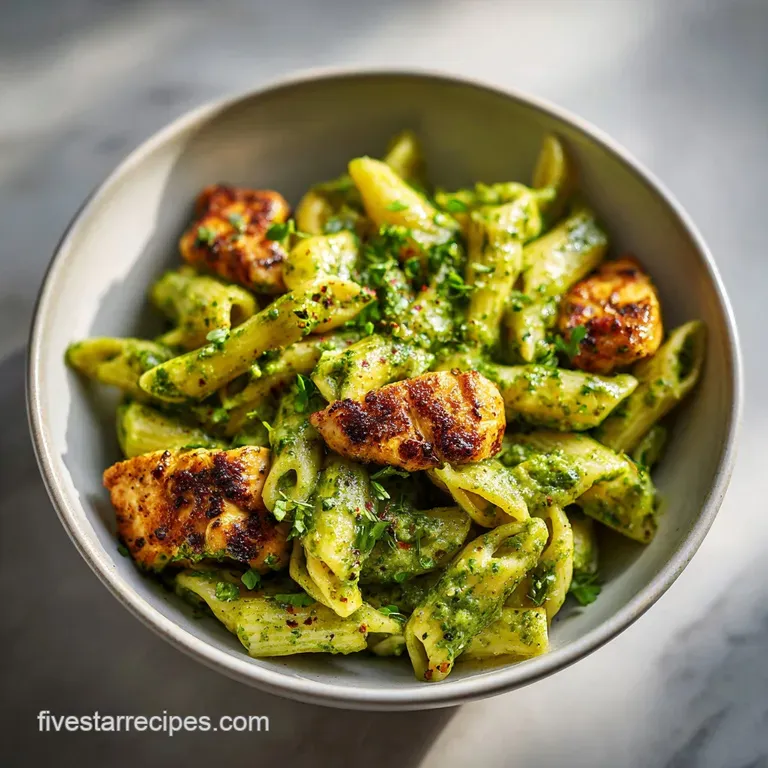
Sometimes, even with a great recipe, things go sideways. Usually, it's a heat issue or a ratio problem.
Troubleshooting Common Issues
| Issue | Solution |
|---|---|
| Why Your Sauce Separates | If you see pools of oil floating on top of your Chicken Pesto Pasta, you likely overheated the sauce. Pesto is an emulsion, and too much heat breaks that bond. Lower the heat and whisk in a tablespoon |
| Why Your Chicken Is Rubbery | Rubbery chicken usually comes from overcrowding the pan. If the pieces are touching too much, they steam instead of sear. Cook in batches if you have to, ensuring every piece has space to brown. |
| Why the Pasta Is Dry | This happens when the pasta absorbs the sauce too quickly. This is where that reserved pasta water comes in. Add it one tablespoon at a time until the sauce is velvety. |
Common Mistakes Checklist
- ✓ Did you salt the pasta water? (It should taste like the sea)
- ✓ Did you reserve the pasta water before draining?
- ✓ Did you sear the chicken in a single layer?
- ✓ Did you add the lemon juice at the end, not the beginning?
- ✓ Is the heat on medium low when adding the cream?
Variations for Every Taste
If you want to change things up, there are a few ways to pivot this recipe. For instance, if you're looking for a healthier Chicken Pesto Pasta, you can swap the penne for zoodles (zucchini noodles) or chickpea pasta. Just be careful with zoodles, as they release a lot of water and don't need the reserved pasta water.
You can also turn this into a bake. Toss everything together, put it in a baking dish, top with extra mozzarella, and broil for 5 minutes until bubbly. It's a total crowd pleaser for families. For a zesty kick, add a pinch of red pepper flakes during the garlic step.
If you're serving this for a fancy dinner, you might consider a dessert pairing to balance the richness. A classic lemon meringue pie works beautifully here because the tartness cleanses the palate after the creamy pesto.
| Goal | Adjustment | Impact |
|---|---|---|
| More Protein | Add grilled shrimp | Adds a seafood twist and extra lean protein |
| Lower Calorie | Replace cream with Greek yogurt | Tangier taste, lower fat, but can curdle if boiled |
| Extra Crunch | Top with toasted pine nuts | Adds a nutty, buttery texture to the finish |
Storage and Waste Tips
To refrigerate: store in an airtight container for 3-4 days (per USDA guidelines for storing cooked chicken).
For freezing, I'd be honest, I don't recommend freezing the finished pasta because the cream can split and the pasta gets mushy. However, you can freeze the cooked chicken and the pesto sauce separately for up to 2 months. Just thaw and combine with fresh pasta.
When reheating, do it on the stovetop over low heat. Add a splash of milk or water to loosen the sauce, as the pasta will have absorbed most of the moisture while sitting in the fridge.
To avoid waste, use the stems of your basil if you made the pesto from scratch. Blend them into a pesto or freeze them in oil cubes. If you have leftover sun dried tomato oil, use it to roast potatoes or sauté vegetables.
Perfect Sides for This Meal
Since this is a rich, creamy dish, you want sides that provide a contrast. A crisp, bitter salad with a light vinaigrette is the classic choice. It cuts through the fat and refreshes your mouth between bites.
If you want something heartier, a piece of toasted sourdough rubbed with a raw garlic clove is a winner. For those who want a veggie forward side, roasted asparagus or broccolini with a squeeze of lemon complements the basil perfectly.
Presentation Levels
| Level | Plating Style | Key Tweak |
|---|---|---|
| Simple | Deep bowl, generous portion | Sprinkle of fresh pepper on top |
| Polished | Twirled pasta mound, center plate | Place 3 sun dried tomato slices on top |
| Restaurant | Tight spiral, micro greens | Drizzle of extra virgin olive oil and lemon zest |
Final Thoughts on Pesto
Before I let you go, let's clear up a few things. I've heard people say that you should never heat pesto because it "kills the flavor." While it's true that high heat can dull the freshness, a gentle simmer in a cream sauce actually helps the garlic and basil integrate with the chicken.
Another myth is that searing the chicken "seals in the juices." It doesn't. The moisture loss happens regardless. However, the brown crust creates a depth of flavor that you simply cannot get from poaching or boiling.
Right then, you're all set. This Chicken Pesto Pasta is a masterclass in balancing richness with brightness. Just remember to keep your heat in check and don't forget that liquid gold pasta water. Enjoy!
Critical Sodium Level
1150 mg 1,150 mg of sodium per serving (50% 50% of daily value)
The American Heart Association recommends a daily sodium limit of no more than 2,300 mg, with an ideal limit of 1,500 mg for most adults.
Sodium Reduction Strategies
-
Omit Added Salt-25%
Skip the 'salt to taste' entirely; the pesto and Parmesan cheese already provide significant sodium levels.
-
Low-Sodium Pesto-20%
Replace store-bought pesto with a low-sodium version or make a homemade blend to control the salt content.
-
Rinse Sun-Dried Tomatoes-20%
Rinse the sun-dried tomatoes under cold water to remove excess brine, or substitute them with fresh cherry tomatoes.
-
Reduce Parmesan-15%
Cut the amount of Parmesan cheese in half and add a touch of nutritional yeast to maintain the savory, nutty flavor.
-
Unsalted Pasta Water-10%
Boil your pasta in unsalted water so the reserved pasta water used for the sauce doesn't add hidden sodium.
-
Enhance with Aromatics
Increase the lemon juice, black pepper, and minced garlic to brighten the dish without relying on salt.
Recipe FAQs
What do you put in chicken pesto pasta?
Cubed chicken breasts, penne or bow tie pasta, and basil pesto. This base is enriched with heavy cream, Parmesan, sun-dried tomatoes, baby spinach, garlic, and a splash of lemon juice.
What type of pasta goes with pesto chicken?
Penne or bow tie pasta. These shapes are ideal because their ridges and folds capture the thick pesto cream sauce effectively.
Can you have pesto with GERD?
Generally no. Pesto contains garlic, olive oil, and lemon, all of which are common triggers for acid reflux.
How to jazz up chicken pesto pasta?
Turn it into a bake. Toss the ingredients in a dish, top with extra cheese, and broil for 20 minutes until bubbly. For a healthier swap, use zoodles similar to the veg prep in our sauteed zucchini.
Why is my chicken rubbery?
You likely overcrowded the pan. When pieces touch too much, they steam rather than sear; cook in batches to ensure every piece browns properly.
Is it true that I should boil the pesto to make it stick to the pasta?
No, this is a common misconception. Boiling pesto breaks the emulsion and kills the fresh basil flavor; instead, simmer it gently for only 2 minutes.
How to prevent the pesto sauce from separating?
Keep the heat at medium. High temperatures break the emulsion of the pesto, so lower the heat and stir in reserved pasta water to bring the sauce back together.
Creamy Chicken Pesto Pasta