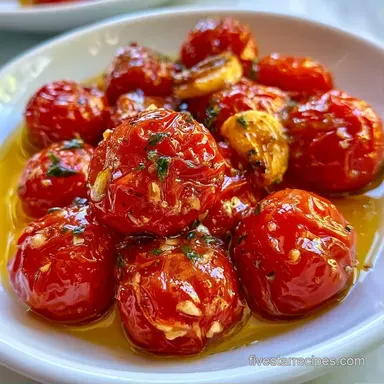
Jammy Slow Roasted Cherry Tomatoes
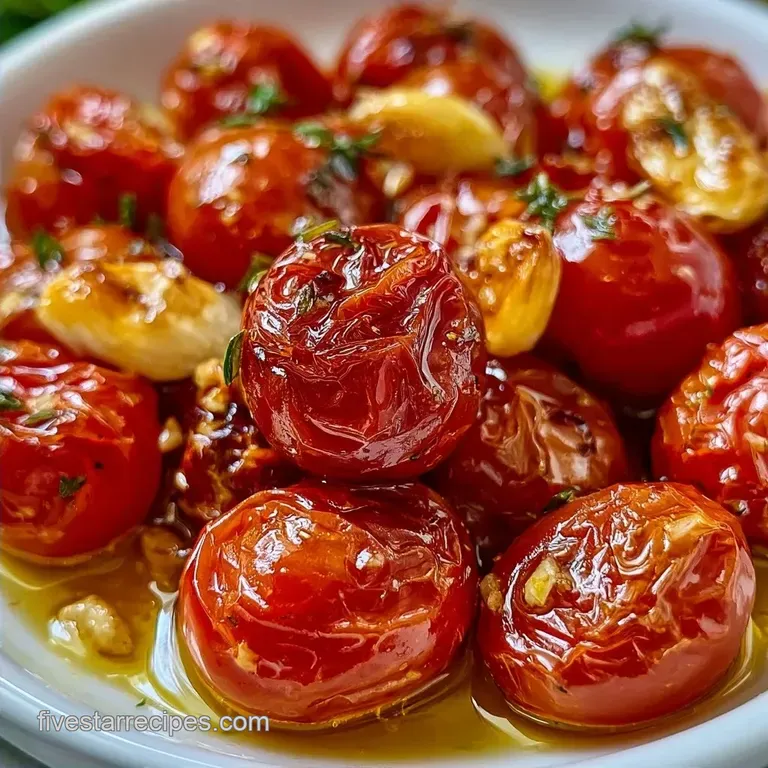
- Time: 15 min active + 120 min roasting
- Flavor/Texture Hook: Jammy, concentrated, and mahogany colored
- Perfect for: Bold appetizers or fancy toast toppers
Forget everything you know about "roasting" vegetables at high heat. Most people blast their tomatoes at 400°F (200°C) and wonder why they end up with a watery mess on a baking sheet. High heat just boils the insides, causing the skins to pop and the juice to run everywhere.
The real magic happens when you drop the temperature. I used to think this took too long, but the result is a completely different animal. You get these concentrated, shriveled little flavor bombs that are sweet, tangy, and intensely savory.
You can expect a kitchen that smells like a rustic Italian villa by the end of the process. Slow Roasted Cherry Tomatoes don't just cook, they evolve into something rich and jammy that puts store-bought sun dried tomatoes to shame.
Quick Details for the Roast
The goal here is a slow dehydration. We aren't looking for a char or a sear, but a gentle shriveling that keeps the tomato intact while the water disappears.
| Method | Heat Level | Texture Result | Flavor Profile |
|---|---|---|---|
| Stovetop | Medium High | Soft/Mushy | Fresh, bright |
| Oven (Slow) | Low (250°F) | Jammy/Chewy | Concentrated, sweet |
Right then, let's get into the gear you need.
What Makes the Flavor Pop
The oil is your medium here. It doesn't just prevent sticking, it infuses the tomatoes with the garlic and herbs. Since we're roasting for two hours, the oil essentially becomes a flavored condiment you can use for other things later.
Garlic is the backbone. Smashing the cloves instead of mincing them prevents them from burning at the low temp, allowing them to soften into sweet, buttery nuggets. The balsamic vinegar is a late addition, providing a sharp, acidic contrast to the deep sweetness of the cooked fruit.
Tools for the Job
While a professional kitchen isn't necessary, a few specific items are helpful. A large mixing bowl is essential for tossing the ingredients without creating a mess.
Stick with a heavy-duty baking sheet, as thinner pans may warp over the two-hour cooking time. Parchment paper is a must, as the sugars in the tomatoes tend to caramelize and stick to the metal, making cleanup much harder.
The Roasting Process
Phase 1: The Infused Toss
Set your oven to 250°F (120°C). In a large mixing bowl, combine the cherry tomatoes, olive oil, smashed garlic, salt, and pepper. Gently stir with a spatula until every tomato is well-coated. Note: The aroma of raw garlic and oil will be immediate.
Phase 2: The Low and Slow Roast
Arrange the mixture in a single layer on a parchment-lined baking sheet. Ensure the tomatoes have enough space to allow moisture to evaporate. Roast them in the oven for 120 minutes.
Wait for the tomatoes to become jammy, with mahogany-colored, slightly shriveled skins.Note: Around the 90-minute mark, the scent transitions from fresh to a deep, sugary fragrance.
Phase 3: The Final Flavor Boost
Drizzle the balsamic vinegar over the tomatoes during the last 15 minutes of roasting. Cook until the vinegar bubbles and thickens a bit. Pull the tray from the oven and discard the thyme sprigs. Let the tomatoes cool on the pan so the juices condense into a rich syrup.
Avoiding Common Roast Issues
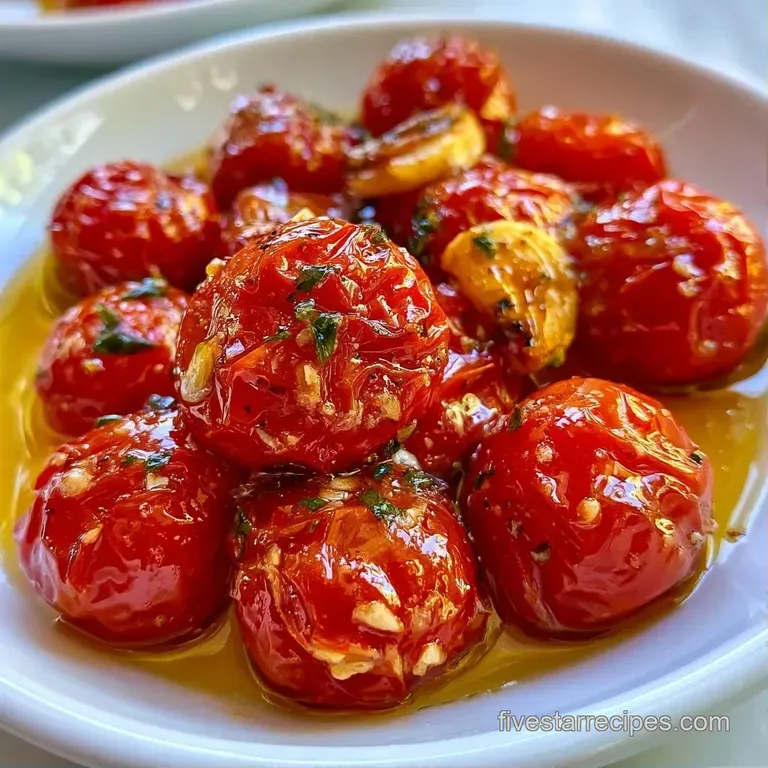
If your tomatoes are leaking, you're likely dealing with a temperature spike. Some ovens run hot, and if the tomatoes "pop" or burst violently, they are boiling rather than dehydrating. Just drop the temperature by 10°C and keep going.
Burnt garlic is another worry, though less common at 250°F. If you see the garlic turning dark brown too early, push the cloves toward the center of the tray where they are slightly shielded by the tomatoes.
Watery results usually come from overcrowding the pan. If the tomatoes are touching too much, the steam gets trapped, and they just stew in their own juice. Give them space to breathe.
| Problem | Root Cause | Solution |
|---|---|---|
| Burst skins | Oven too hot | Lower temp by 10-15°C |
| Burnt garlic | Direct heat exposure | Smash garlic; keep in center |
| Watery texture | Overcrowded tray | Use two pans; increase spacing |
Twists and Swaps
If you want more of a "confit" style, you can increase the oil and use a deeper dish. For those who prefer a different vibe, check out my Cherry Tomato Confit for a more oil saturated result.
For those in a rush, you can try oven roasted Cherry Tomatoes which uses higher heat and a shorter window, though you lose that jammy depth.
Quick adjustments:
Extra tang? $to$ add 1 tsp lemon zest after roasting.
Spicier kick? $to$ toss in 1/2 tsp red pepper flakes.
Herby punch? $
to$ swap thyme for fresh rosemary.
| Original Ingredient | Substitute | Why It Works |
|---|---|---|
| Olive Oil (45ml) | Avocado Oil (45ml) | High smoke point. Note: Neutral flavor, loses the peppery olive notes |
| Thyme (3 sprigs) | Oregano (3 sprigs) | Same earthy family. Note: Gives a more traditional "pizza" aroma |
| Balsamic Vinegar (15ml) | Red Wine Vinegar (15ml) | Sharp acidity. Note: Less sweetness than balsamic |
Keeping Them Fresh
Store these in a glass jar. Pour the leftover oil from the pan over the tomatoes to create a seal. They stay good in the fridge for 10 days.
Don't freeze them in the oil, as the oil can go rancid or separate weirdly. If you must freeze, pat them dry first and freeze them in a single layer on a tray before bagging.
For zero waste, don't throw away that garlic infused oil. It's gold. Use it to sear a steak or whisk it into a vinaigrette for a bold salad.
Best Ways to Serve
These are stunning as starters. The most bold way to serve them is over a ball of cold burrata. The contrast between the hot, jammy tomatoes and the creamy cheese is a winner.
They also work brilliantly in a pasta. Toss them into a pan with some spaghetti and a splash of pasta water. The tomatoes break down just enough to create a silky sauce that clings to the noodles.
Another great move is a simple crostini. Rub a toasted baguette slice with a raw garlic clove, smear a bit of goat cheese, and top it with two slow roasted tomatoes.
Why the Low Heat Works
The magic here is just simple evaporation. By keeping the heat at 250°F (120°C), we avoid the boiling point of the tomato's internal water.
Water Removal: Slow heating allows moisture to escape as steam without breaking the skin. This concentrates the natural sugars and acids.
Flavor Density: Because the water leaves but the solids stay, the glutamate levels concentrate. This creates that deep, savory "umami" punch you usually only find in sun dried tomatoes.
Recipe FAQs
How to slow roast cherry tomatoes?
Toss tomatoes with olive oil, smashed garlic, salt, and pepper. Spread them in a single layer on a parchment-lined sheet and roast at 250°F for 2 hours.
What oven temperature is best for slow roasting?
Set the oven to 250°F (120°C). This low heat dehydrates the fruit to concentrate the sugars rather than boiling it.
Do cherry tomatoes need a long time to roast?
Yes, they require 2 hours. This duration allows the moisture to evaporate, leaving behind a jammy, mahogany-colored result.
Should I cut the tomatoes before roasting?
Leave them whole. Keeping them intact prevents the juices from running out too quickly and maintains a better texture.
Is it true that high heat creates the best jammy texture?
False. High heat typically boils the interior and pops the skins, resulting in a watery mess instead of a concentrated consistency.
Which side dish pairs well with these tomatoes?
Serve them alongside savory appetizers. If you enjoyed building a flavor-packed topping here, see how the same savory balance works in our meat and cracker platter.
Slow Roasted Cherry Tomatoes with Garlic