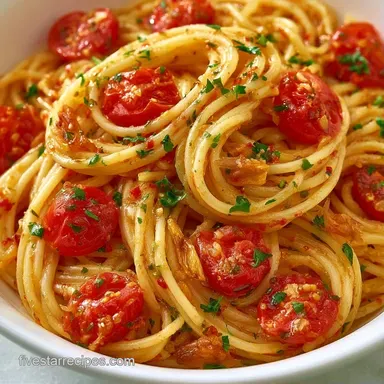
Cherry Tomato Pasta in 20 Minutes
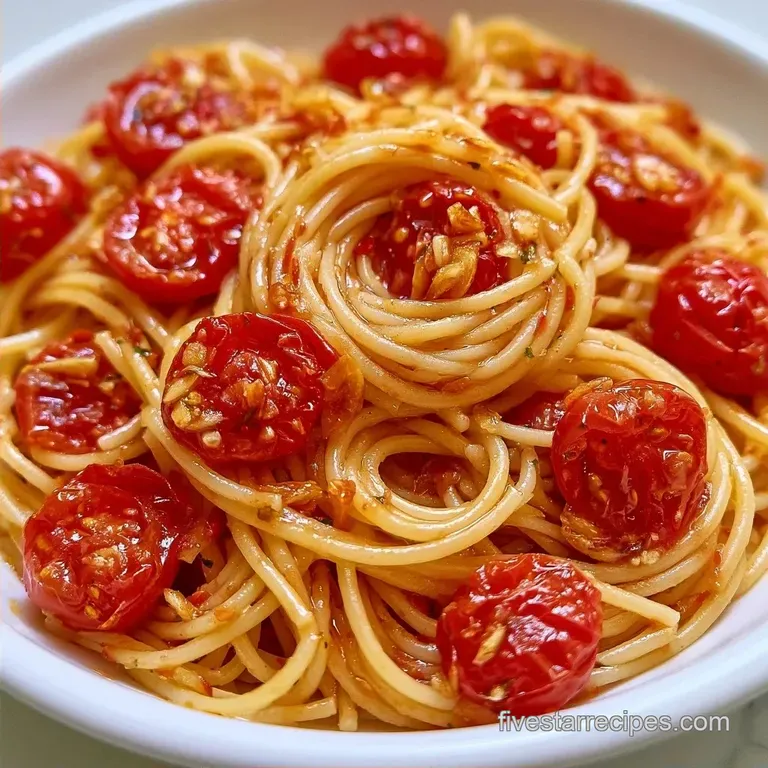
- Time: 5 min active + 15 min cooking
- Flavor/Texture Hook: Bursting sweet tart tomatoes with a glossy finish
- Perfect for: Fast weeknight dinners or an impressive date night
The sound is the best part. That specific, soft popping noise when the cherry tomatoes finally give in to the heat and release their juices into the olive oil. I remember making this for a friend who thought "quick" pasta always meant a jar of store-bought sauce.
When I tossed the noodles into that bubbling, bright red pan, the look on their face said it all.
It's a dish that feels fancy but takes almost no effort. You get these little pockets of concentrated tomato flavor that cling to the pasta. It's bright, acidic, and smells like a summer afternoon in Italy, even if you're just in your pajamas on a Tuesday.
You can expect a meal that's light but satisfying. This Cherry Tomato Pasta doesn't weigh you down with heavy fats, but the Parmesan and olive oil provide enough richness to keep it from feeling like a side dish. It's all about the balance between the sweetness of the fruit and the zing of fresh lemon.
Simple and Fresh Cherry Tomato Pasta
Wait, before we get into the heat, let's look at the basics. This recipe is designed for speed, but it doesn't sacrifice that gourmet feel. We're using metric measurements here to keep things precise.
The goal is a sauce that's a glaze, not a soup. By controlling the heat and using the pasta water, we create a texture that is naturally smooth.
Why the Sauce Works
The logic here is pretty simple, but it's where most people go wrong.
Tomato Pectins: High heat ruptures the skins, releasing natural pectins and sugars that thicken the oil. Starch Binding: The reserved pasta water acts as a bridge, pulling the oil and tomato juices together into one cohesive sauce.
| Method | Time | Texture | Best For |
|---|---|---|---|
| Fresh Blistered | 20 mins | Chunky & Glossy | Fresh, bright flavor |
| Slow Simmered | 45 mins | Smooth & Jammy | Deep, concentrated taste |
| Raw/Tossed | 10 mins | Light & Watery | Summer salads |
The difference between a "watery" pasta and a "saucy" one is almost always that scoop of starchy water. Don't drain your pasta completely.
The Core Ingredients
I've found that the quality of olive oil is crucial here. A basic refined oil won't offer that peppery note that pairs so well with the tomatoes.
Ingredient Deep Dive
| Ingredient | What It Does | Best Swap |
|---|---|---|
| Cherry Tomatoes | Main flavor and body | Grape tomatoes (slightly firmer) |
| Extra Virgin Olive Oil | Delivers flavor and binds | Avocado oil (neutral taste) |
| Pasta Water | Thickens the sauce glaze | None (essential for texture) |
| Parmesan | Adds saltiness and richness | Pecorino Romano (saltier) |
For ideal results, follow the quantities below. Linguine is recommended as it holds the sauce better than spaghetti.
- 600g cherry tomatoes
- 45ml extra virgin olive oil Why this? This adds a rich, peppery foundation
- 20g garlic, thinly sliced
- 2g red pepper flakes
- 6g kosher salt
- 3g cracked black pepper
- 450g spaghetti or linguine
- 240ml reserved pasta water
- 50g freshly grated Parmesan cheese
- 30g fresh basil leaves, torn
- 15ml fresh lemon juice Why this? Balances the oil and lifts the tomato flavor
Essential Kitchen Gear
While no fancy equipment is required, a wide pan is essential. A 12-inch skillet allows the tomatoes to blister properly without crowding, preventing them from simply steaming in their own juices.
I typically use stainless steel, though non-stick works just as well. You'll also need a colander and a pot spacious enough to boil 450g of pasta comfortably. For the Parmesan, a microplane or fine grater is best, as pre-shredded cheese often contains cornstarch that can hinder it from melting smoothly into the sauce.
The Cooking Process
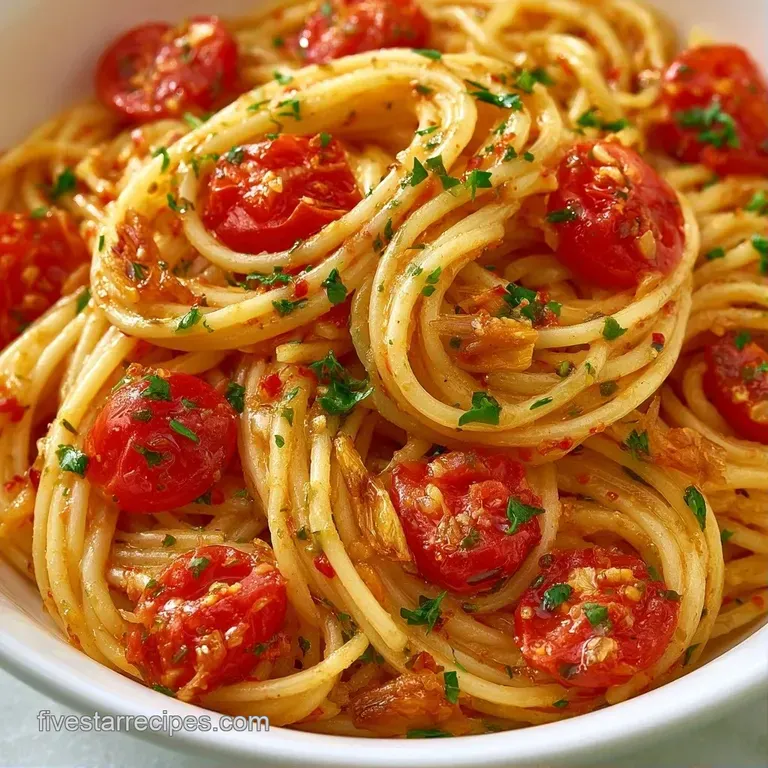
Let's get moving. The key here is the timing between the pan and the pot.
Phase 1: Aromatics
Heat the olive oil in your 12 inch skillet over medium heat. Add the sliced garlic and red pepper flakes. Sauté for 1-2 minutes until the garlic is translucent and smells fragrant. Be careful not to brown the garlic, or it'll turn bitter.
Phase 2: Blistering
Turn the heat up to medium high and toss in the cherry tomatoes. Let them sit undisturbed for 3-4 minutes. Stir occasionally until the skins pop and the juices start to bubble. This creates the base for your Cherry Tomato Pasta.
Phase 3: The Pasta
Boil your spaghetti in a large pot of salted water. Cook until al dente. Before you drain it, scoop out about 240ml of that cloudy pasta water. Toss the noodles directly into the skillet.
Phase 4: Finishing
Pour in 120ml of the pasta water and the lemon juice. Toss vigorously over medium heat for 2 minutes until the sauce thickens into a silky glaze.
Phase 5: Final Touch
Remove the pan from the heat. Stir in the Parmesan and the torn basil leaves. The residual heat will melt the cheese without breaking the sauce.
Chef Note: If the sauce looks too thick, add another splash of that reserved pasta water. It's the easiest way to adjust the consistency on the fly.
Solving Common Problems
Sometimes the sauce doesn't behave. Usually, it's a temperature issue or a water ratio problem.
Sauce is Too Dry
If the pasta looks matte and the sauce isn't clinging, you probably didn't use enough pasta water. The starch is what creates that glossy look. Add water one tablespoon at a time and toss over heat.
Garlic Tastes Burnt
Burnt garlic happens when the oil is too hot before the garlic hits the pan. If you see dark brown spots on the garlic, it's best to start over. It will ruin the delicate sweetness of the Cherry Tomato Pasta.
Tomatoes Won't Pop
This usually happens if the pan isn't hot enough or the tomatoes are too crowded. Crank up the heat to medium high and give them a few more minutes of undisturbed searing.
| Problem | Root Cause | Solution |
|---|---|---|
| Watery Sauce | Not enough tossing/reduction | Toss over medium heat for 1 more minute |
| Bland Flavor | Under salted pasta water | Add a pinch more salt or extra Parmesan |
| Clumped Cheese | Heat was too high when adding | Remove from heat before stirring in cheese |
If you're finding this too simple and want to add more protein, a Chicken Pesto Pasta is another great option for a filling meal.
Fun Flavor Variations
You can take this base in a few different directions. Since the tomato and garlic profile is so neutral, it handles additions really well.
Adding Feta
For a Creamy Cherry Tomato Pasta with Feta, toss in 100g of crumbled feta at the same time as the Parmesan. The feta doesn't melt completely, leaving these tangy, creamy chunks that contrast with the acidic tomatoes.
Making a Bake
If you want a Cherry Tomato Pasta Bake, transfer the finished mixture to a baking dish. Top with a layer of mozzarella and broil for 3-5 minutes until the cheese is bubbling and browned.
Plant Based Version
To make this vegan, swap the Parmesan for nutritional yeast or a cashew based parmesan. Use a high-quality vegan butter for a bit more richness if the olive oil feels too light.
| Goal | What to change |
|---|---|
| More Zing | Add 5ml extra lemon juice |
| More Heat | Increase red pepper flakes to 4g |
| Heartier | Add sautéed shrimp or chicken |
If you're craving something cold and zingy for a lunch option, try a Bruschetta Pasta Salad instead of a hot dish.
Saving and Reheating
Pasta is known for absorbing sauce as it rests in the refrigerator. This means your Cherry Tomato Pasta might seem drier the following day, but it's quite easy to remedy.
Refrigeration: Keep in a closed container for no more than 3 days.
Freezing: I would avoid freezing this recipe. The tomatoes break down and the sauce typically separates, which leaves you with an oily result.
Reheating: To restore the ideal consistency, add a little water or a pat of butter to your pan. Heat on medium-low, stirring gently until the sauce loosens and regains its shine.
Zero Waste: Save those basil stalks and tomato stems instead of binning them. Store them in a freezer bag to use later in a homemade vegetable broth.
Best Serving Ideas
This meal is sophisticated enough for a dinner party yet simple enough for a Tuesday night. For a more elevated presentation, serve it in wide, shallow bowls rather than deep plates.
Pair the pasta with a bright arugula salad tossed in lemon and olive oil; the bitterness of the greens perfectly balances the rich Parmesan. For a truly indulgent touch, serve a slice of toasted sourdough rubbed with a raw garlic clove to ensure no sauce goes to waste.
To finish your Cherry Tomato Pasta, garnish with a few whole basil leaves and a final sprinkle of grated Parmesan. These small details make the dish look like it came from a professional bistro.
Once you master the art of blistering fresh tomatoes, you'll likely ditch canned sauces for good. It completely changes your perspective on what an "easy" meal can be. Now, get your pan hot and dive in.
High in Sodium
810 mg 810 mg of sodium per serving (35% 35% of daily value)
The American Heart Association recommends a limit of 2,300mg of sodium per day to maintain heart health and lower blood pressure.
Tips to Reduce Sodium
-
Reduce Kosher Salt-25%
Cut the kosher salt in half or omit it entirely, relying on the other seasonings for flavor.
-
Lower Pasta Water Salt-15%
Reduce the amount of salt used when boiling the spaghetti to lower the sodium concentration in the reserved pasta water.
-
Limit Parmesan Cheese-15%
Reduce the Parmesan cheese by half or substitute it with a small amount of nutritional yeast for a similar nutty, salty taste.
-
Enhance with Aromatics
Increase the amount of fresh basil and lemon juice to provide bright, bold flavors that compensate for less salt.
Recipe FAQs
Which pasta shapes pair best with cherry tomatoes?
Spaghetti or linguine are ideal. Their long, smooth surfaces allow the silky tomato glaze to coat every strand evenly.
How to get the cherry tomatoes to burst properly?
Cook undisturbed on medium-high heat for 3–4 minutes. Stirring too early prevents the skins from rupturing and releasing their natural juices.
Is it true that you need heavy cream to achieve a glossy sauce?
False. The combination of starchy pasta water and olive oil creates a natural emulsion that mimics a creamy texture.
Can I add pesto to this dish?
Yes, it adds a deeper herbal note. If you enjoyed balancing the acidity here, the same principle of flavor layering works in our creamy tuscan dish.
Why is my sauce watery instead of a thick glaze?
You likely didn't toss vigorously enough. Stirring the pasta and reserved water over medium heat for 15 minutes is essential for the sauce to thicken.
What happens if the garlic turns brown?
It becomes bitter and ruins the sauce. Keep the heat at medium and sauté for only 1–2 minutes until the garlic is translucent.
Do I need to peel the tomatoes before adding them?
No, leave the skins on. The skins hold the tomato together until they burst, adding texture and concentrating the flavor.
Could it be true that you should drain all pasta water before tossing?
This one's false: reserving 1 cup of starchy water is the only way to bind the olive oil and tomato juices into a sauce.
Cherry Tomato Pasta in 20 Minutes