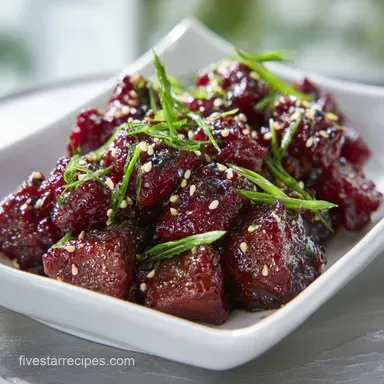
General Tso's Chicken: Crispy and Glazed
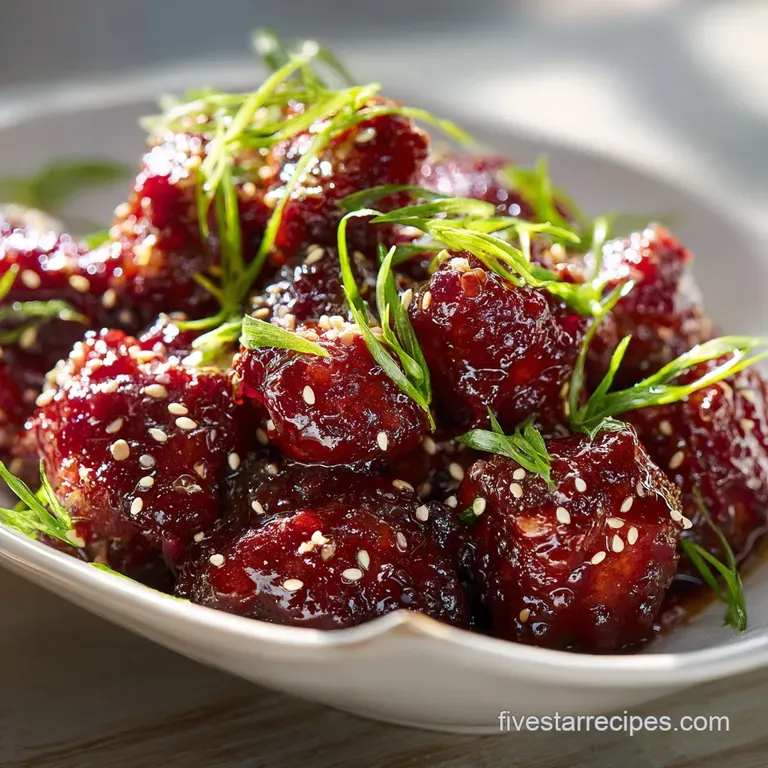
- Time: 15 min active + 20 min cook = Total 35 min
- Flavor/Texture Hook: Shatter crisp exterior with a glossy, mahogany glaze
- Perfect for: Dinner parties or a gourmet weeknight win
- General Tso's Chicken
- The Secret to Success
- Ingredient Component Analysis
- Ingredients and Substitutes
- Essential Kitchen Tools
- Step-by-Step Instructions
- Troubleshooting Guide
- Adjusting the Batch Size
- Common Kitchen Myths
- Storage and Zero Waste
- Presentation and Plating
- CRITICAL: Very High in Sodium
- Recipe FAQs
- 📝 Recipe Card
That first sound is everything. The aggressive sizzle when the cornstarch coated chicken hits 175°C oil is the moment you know you're on the right track. I remember the first time I tried this at home, and I was too impatient.
I tossed the chicken in before the oil was actually hot, and instead of a crisp shell, I got something that felt like a wet sponge. It was a total disaster, and I almost gave up on the dish entirely.
But then I realized it was all about the "shimmer." Once the oil reaches that point where it looks like liquid silver and dances slightly, the coating transforms. It creates a barrier that keeps the juices inside while the outside becomes a rigid, golden shell.
That's the secret to a General Tso's Chicken that doesn't turn into mush the second the sauce touches it.
We're aiming for a specific result here: chicken that is lacquered in a sticky, sweet, and spicy sauce but still has a bit of a bite. This isn't just a quick stir fry; it's a game of textures.
If you follow these steps, you'll get that restaurant style finish where the sauce clings to the meat without soaking through it.
General Tso's Chicken
The goal is to achieve a high contrast experience. You want the heat from the Sriracha to hit first, followed by the depth of the hoisin, and finally the bright acidity of the rice vinegar. It's a balance that makes this dish feel gourmet even though the ingredients are mostly pantry staples.
When you're prepping the chicken, make sure the cubes are uniform. If some are huge and others are tiny, the small ones will overcook and turn woody while the big ones stay raw in the middle. Aim for exactly 1 inch cubes. This ensures they all hit the same internal temperature at the same time.
I've found that using chicken breast is the most consistent for this specific style. While thighs are more forgiving, the breast provides a cleaner canvas for the cornstarch crust to shine. Just don't overcook them in the oil, or you'll lose that velvety interior.
The Secret to Success
To get this right, you have to understand what's happening in the pan. It's not just about following a list of steps; it's about managing moisture and heat.
- The Starch Barrier: Cornstarch creates a tighter, crispier seal than flour. It prevents the sauce from penetrating the meat too quickly, which is why the chicken stays crunchy.
- Sugar Caramelization: The brown sugar doesn't just add sweetness. As it boils with the soy sauce, it thickens and creates that signature mahogany color and glossy sheen.
- Acidic Balance: Rice vinegar cuts through the heavy oil and sugar. Without it, the dish would feel cloying and heavy on the tongue.
- The Slurry Snap: Adding a cornstarch slurry at the very end creates a "gel" that binds the sauce to the chicken. It turns a thin liquid into a thick glaze that wraps around every piece.
Between the methods, there's a big difference in how the final dish feels. If you're in a rush, shortcuts work, but the result is never quite the same as starting from scratch.
| Method | Prep Time | Texture | Best For |
|---|---|---|---|
| Fresh Scratch | 15 mins | Shatter crisp | Special Occasions |
| Pre breaded | 5 mins | Soft/Soggy | Ultra fast Lunch |
| air-fried | 20 mins | Chewy/Dry | Healthier Option |
The choice depends on your timeline, but for a dinner that feels like a special occasion, the fresh scratch method is the only way to go.
Ingredient Component Analysis
Not every ingredient is just for flavor. Some are there to do a specific job in the pan. If you remove one, the whole structure of the sauce can change.
| Ingredient | Science Role | Pro Secret |
|---|---|---|
| Cornstarch | Hydration Barrier | Shake off excess to avoid "clumpy" batter |
| Brown Sugar | Viscosity Agent | Pack it tight for a deeper, molasses flavor |
| Rice Vinegar | pH Balancer | Use seasoned vinegar for a softer acidity |
| Soy Sauce | Salt & Umami | Use low sodium to control the salt level |
When you're looking at the components, remember that the ratio of sugar to vinegar is what defines the "Tso" flavor profile. If it's too sweet, add a splash more vinegar. If it's too sharp, a pinch more brown sugar fixes it instantly.
Ingredients and Substitutes
Here is everything you'll need. I've included some swaps in case your pantry is looking a bit bare. If you love a rich sauce, you might also enjoy my velvety meat sauce recipe for a different kind of comfort meal.
- Substitute
- Chicken thighs (juicier, but less "crunch" contrast)
- Substitute
- Potato starch (similar result, slightly lighter)
- Substitute
- 2 tbsp cornstarch slurry (for a gluten-free/egg free bind)
- Substitute
- Peanut oil (classic for Asian frying)
- Substitute
- Water (less flavor, but works in a pinch)
- Substitute
- Tamari (for a gluten-free option)
- Substitute
- Honey (makes it stickier and floral)
- Substitute
- Apple cider vinegar (slightly fruitier)
- Substitute
- Plum sauce (sweeter, less salty)
- Substitute
- Chili garlic sauce (more chunky texture)
The Finishing Touches 1 tsp cornstarch mixed with 1 tbsp water (Slurry) Why this? Thickens the sauce instantly 2 stalks green onion, sliced Why this? Fresh color contrast 1 tbsp toasted sesame seeds Why this? Nutty
Aroma and visual pop
Essential Kitchen Tools
You don't need a professional kitchen, but a few specific tools make the process smoother.
- Heavy Bottomed Skillet or Wok: You need something that distributes heat evenly so the chicken doesn't have "cold spots" where it stays soggy.
- Wire Cooling Rack: Never put fried chicken on a paper towel for too long. The steam gets trapped underneath, and the bottom becomes mushy. Put it on a rack to let the air circulate.
- Whisk: Essential for the slurry. If you have lumps of cornstarch in your sauce, it'll look grainy rather than glossy.
- Digital Thermometer: If you're unsure about the oil, a thermometer is your best friend. 175°C (350°F) is the magic number.
Step-by-step Instructions
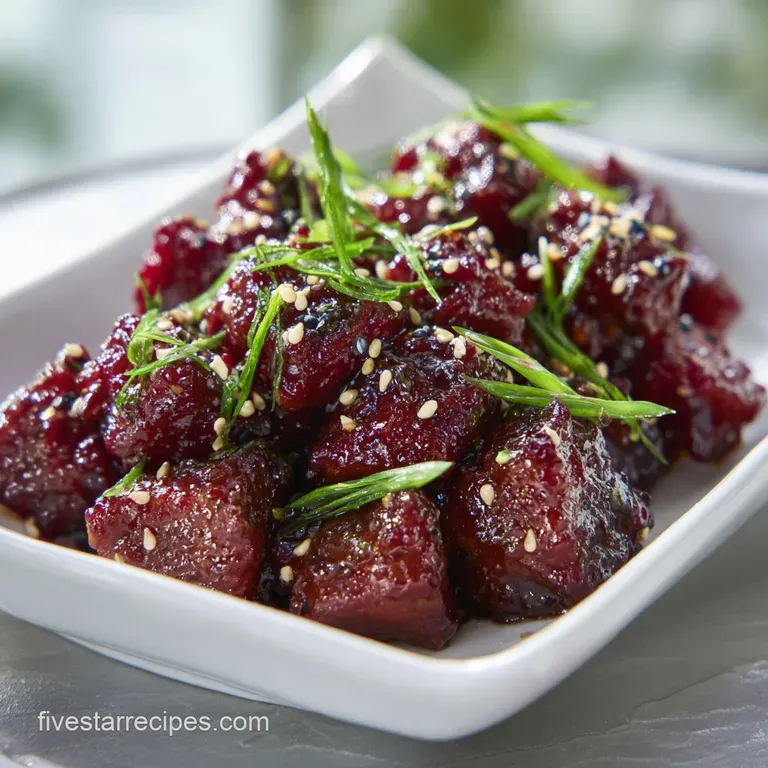
Right then, let's get into the cooking. This is where the magic happens. Pay close attention to the visual cues.
Phase 1: The Velvet Crisp Coating 1. Whisk together the cornstarch, salt, and pepper in a medium bowl. Ensure there are no large clumps. 2. Dip chicken cubes into the beaten egg, then toss them in the cornstarch mixture.
Shake off any excess powder Note: too much powder leads to a doughy crust.
Phase 2: The over High heat Sear 3. Heat vegetable oil in your skillet over medium high heat. Wait until the oil shimmers (around 175°C). 4.
Fry the chicken in a single layer for 3–4 minutes per side until golden brown and firm. Remove the chicken and place it on a wire rack.
Phase 3: The Mahogany Glaze 5. Drain all but 1 tablespoon of oil from the pan. Sauté the minced garlic and ginger for 30 seconds until they smell fragrant but aren't browned. 6. Stir in the chicken broth, soy sauce, brown sugar, rice vinegar, hoisin, and Sriracha.
Bring the mixture to a simmer over medium heat. 7. Whisk in the cornstarch slurry and stir constantly for 1–2 minutes until the sauce thickens into a glossy glaze.
Phase 4: The Final Lacquer 8. Return the fried chicken to the pan. Toss rapidly for 60 seconds until every piece is lacquered in sauce. 9. Garnish immediately with sliced green onion and toasted sesame seeds.
Chef's Note: If you find your sauce thickening too quickly, add a tablespoon of water. You want it to coat the chicken like a thick syrup, not a paste.
Troubleshooting Guide
Even the best of us have off days in the kitchen. If your General Tso's Chicken isn't behaving, it's usually a temperature or moisture issue.
| Issue | Solution |
|---|---|
| Why Your Coating Is Soggy | This is the most common issue. Usually, it happens because the oil wasn't hot enough, or you overcrowded the pan. When you put too much chicken in at once, the oil temperature drops, and the chicken b |
| Why the Sauce Is Too Thin | If the sauce is running off the chicken instead of clinging to it, the cornstarch slurry didn't activate. Cornstarch needs to hit a certain temperature to "bloom" and thicken. Make sure the sauce is s |
| Why the Chicken Is Dry | Overfrying is the culprit here. Because we're using breast meat, it can go from juicy to woody in about 60 seconds. Stick to the 3 4 minute window per side. |
Common Mistakes Checklist
- ✓ Patted chicken dry before dredging?
- ✓ Oil shimmered before adding meat?
- ✓ Frying in batches instead of crowding?
- ✓ Sauce reached a simmer before adding slurry?
- ✓ Tossed chicken quickly to avoid over soaking?
Adjusting the Batch Size
Whether you're cooking for two or a crowd, you can't always just double everything. Some ingredients don't scale linearly.
Scaling Down (½ Batch) If you're making this for just a couple of people, use a smaller skillet. Reduce the frying time by about 20% because smaller batches often heat up faster. Beat one egg and use only half of it to keep the coating to meat ratio correct.
Scaling Up (2x-4x Batch) When doubling the recipe, be careful with the salt and spices. Increase the soy sauce and brown sugar fully, but only increase the Sriracha and ginger to about 1.5x the original amount. Taste the sauce before adding the chicken to ensure it's not too salty.
The most important part of scaling up is the frying. Work in batches. If you dump 3 lbs of chicken into one pan, you will get soggy chicken. Fry in 3 or 4 separate turns to keep the oil temperature high.
If you're serving this for a big group, you might want a side that's just as impressive. I've found that homemade garlic naan bread works surprisingly well as a scoop for the extra sauce.
Common Kitchen Myths
There are a few things people say about stir fry and frying that just aren't true. Let's clear them up.
The "Seal in Juices" Myth You'll hear that searing meat "seals" the juices inside. It doesn't. Searing creates flavor and texture through browning, but moisture loss happens regardless of how you start. The real secret to juicy General Tso's Chicken is not overcooking the meat.
The "Wok Necessary" Myth While a wok is great for over high heat tossing, a heavy stainless steel or cast iron skillet works just as well for this recipe. The key is the heat management, not the shape of the pan.
The "Cornstarch Only" Myth Some say you can use flour for everything. While flour works, it creates a softer, more "bread like" crust. For the specific shatter crisp texture of this dish, cornstarch is non negotiable.
Storage and Zero Waste
General Tso's Chicken is best fresh, but we all have leftovers. The trick is preserving that texture.
Fridge and Freezer Guidelines Store leftovers in an airtight container in the fridge for up to 3 days. To freeze, let the chicken cool completely, then freeze in a single layer on a tray before transferring to a bag. This prevents them from clumping together. It'll stay good for about 2 months.
Reheating for Crunch Avoid the microwave if you can. It turns the breading into a sponge. Instead, use an air fryer at 180°C for 3–5 minutes, or a toaster oven. This draws the moisture out of the coating and brings back some of that original crispiness.
Zero Waste Tips Don't throw away the leftover egg from the dredging process. Whisk it into your morning scrambled eggs. If you have leftover ginger or garlic scraps, toss them into a freezer bag to make a quick vegetable broth later.
Even the leftover sauce can be used as a glaze for roasted carrots or tofu the next day.
Presentation and Plating
Because the chicken is a deep mahogany color, you need high contrast colors to make the plate look gourmet.
The Color Contrast Place the chicken on a clean white plate or a slate grey platter. The dark glaze pops against a light background. Pile the chicken in a mound in the center rather than spreading it flat. This keeps the heat in and looks more professional.
The Garnish Strategy Don't just sprinkle the green onions and sesame seeds randomly. Slice the onions on a sharp bias (diagonal) to get long, elegant slivers. Place them on top of the mound, then finish with a light dusting of sesame seeds.
This adds height and a fresh, green contrast to the rich sauce.
The Final Pairing Serve this alongside a bowl of steamed jasmine rice or brown rice to soak up the extra glaze. For a touch of elegance, add a side of steamed bok choy or snap peas.
The bright green of the vegetables balances the deep tones of the General Tso's Chicken, making the meal feel complete and balanced.
CRITICAL: Very High in Sodium
1680 mg 1,680 mg of sodium per serving (73% 73% of daily value)
The American Heart Association recommends a limit of 2,300mg of sodium per day, with an ideal limit of no more than 1,500mg for most adults.
Tips to Reduce Sodium
-
Swap the Broth-30%
Replace the standard chicken broth with low-sodium or no-salt added chicken broth.
-
Skip Added Salt-25%
Remove the ½ tsp of salt from the chicken coating; the soy and hoisin sauces provide ample seasoning.
-
Lower Sodium Soy-20%
Use low-sodium soy sauce or coconut aminos instead of regular soy sauce to reduce salt intake.
-
Limit Hoisin Sauce-20%
Reduce the amount of hoisin sauce or substitute it with a mixture of honey and a dash of five spice powder.
-
Enhance Aromatics
Increase the amount of fresh ginger and garlic to add depth and punch without adding any sodium.
Recipe FAQs
What are the ingredients for General Tso's chicken?
Chicken breast, cornstarch, and a sweet spicy glaze. The sauce is made from chicken broth, soy sauce, brown sugar, rice vinegar, hoisin, Sriracha, garlic, and ginger.
What is the secret ingredient in General Tso's chicken?
The cornstarch coating and hoisin sauce. Cornstarch creates the signature "velvet" crunch, while hoisin provides a deep, savory complexity that simple soy-based sauces lack.
What is the difference between Kung Pao and General Tso's chicken?
General Tso's is sweeter and crispier. Kung Pao typically features stir fried chicken with peanuts and dried chilies, whereas General Tso's uses battered, fried chicken tossed in a thickened, glossy glaze.
How to prevent the chicken coating from becoming soggy?
Heat the vegetable oil to 350°F/175°C before frying. Avoid overcrowding the skillet, as adding too many pieces at once drops the oil temperature and leads to a doughy crust.
Can I substitute chicken breast with thighs?
Yes, chicken thighs work well. They are juicier and harder to overcook during the frying process. If you enjoy balancing bold, savory flavors with protein, you might also like our Thai noodle bowl.
How to reheat General Tso's chicken without losing the crunch?
Use an air fryer at 180°C for 3 5 minutes. Avoid the microwave because it turns the breading spongy; a toaster oven is a reliable alternative for restoring the crisp texture.
Is it true that you must deep fry the chicken in a large pot of oil?
No, this is a common misconception. You can achieve the same lacquered finish by shallow frying in a skillet over medium high heat until the oil shimmers.
General Tso S Chicken