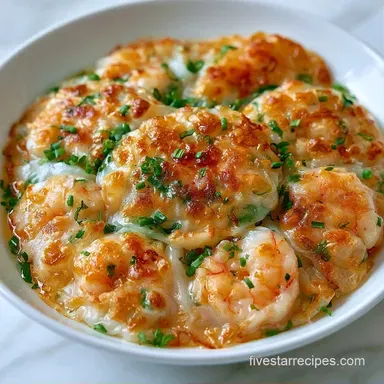
Ultra-Crispy Shrimp Rice Paper Dumplings
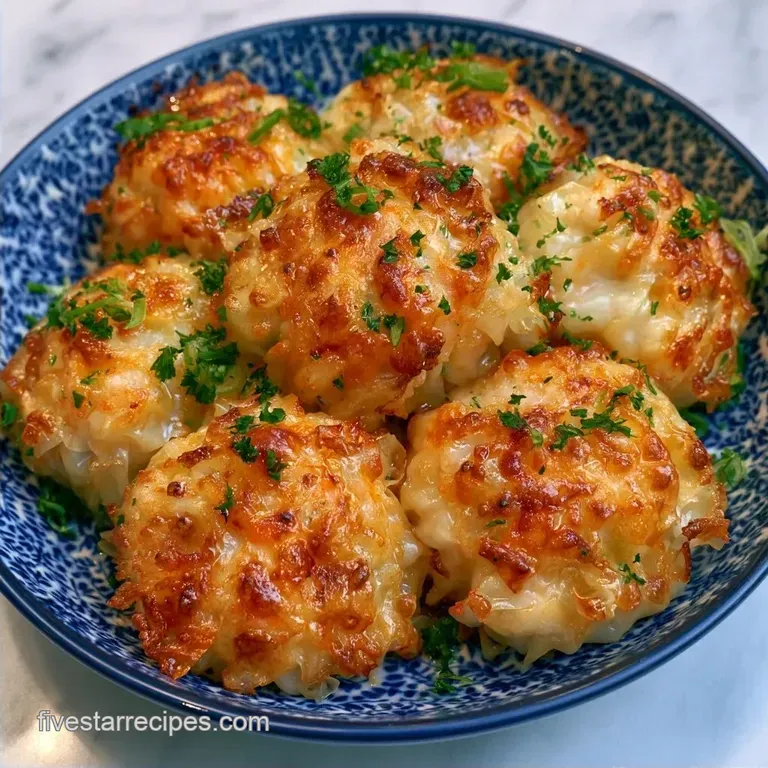
- Time:20 minutes active + 10 minutes cook
- Flavor/Texture Hook: Shattering, mahogany colored crust with a juicy, bold shrimp center
- Perfect for: Stunning international starters or party appetizers
- Why These Starters Hit Different
- What Each Ingredient Does
- The Tools You'll Need
- Putting These Dumplings Together
- Fixing Common Dumpling Issues
- Troubleshooting Common Issues
- Ways to Twist the Flavor
- Scaling These Dumplings
- Storage and Reheating Tips
- Best Pairings for Your Platter
- Recipe FAQs
- 📝 Recipe Card
The first thing you'll notice is that sharp, toasted sesame aroma hitting the pan. It's a scent that takes me straight back to the street markets in Vietnam, where the air smells like searing seafood and sweet rice paper.
I remember trying these for the first time and being confused by the texture, since rice paper is usually for soft rolls.
But once you fry them, everything changes. You get this wild contrast between the thin, crisp shell and the bouncy shrimp inside. These Shrimp Paper Dumplings are a total showstopper when you put them on a platter for guests.
Trust me on this, the crunch is different from any other dumpling you've had. It's not a breaded crunch, but more of a thin, crackling layer that breaks apart instantly. It's a bold way to serve shrimp that feels a bit more exciting than the usual cocktail sauce approach.
Why These Starters Hit Different
The trick here is the rice paper. Most people only use it for fresh rolls, but frying it creates a unique, translucent shell.
The Sugar Dip: Adding sugar to the water helps the wrappers caramelize faster. This gives you that deep mahogany color without overcooking the shrimp.
The Texture: By pulsing instead of pureeing, you keep chunks of shrimp. This creates a bouncy, meaty interior rather than a paste.
According to frying guides at Serious Eats, maintaining a steady oil temperature is what prevents the wrapper from absorbing too much grease, keeping it crisp.
| Feature | Fast Rice Paper Method | Classic Flour Wrapper |
|---|---|---|
| Prep Time | Very Quick (No dough) | Slower (Kneading/Resting) |
| Texture | Glass like, shattering | Chewy, doughy |
| Appearance | Translucent/Mahogany | Opaque/Golden |
What Each Ingredient Does
The balance of ginger and sesame oil is what gives the filling its international flare.
| Ingredient | What It Does | Best Swap |
|---|---|---|
| Raw Shrimp | Provides the bouncy, juicy core | Firm white fish (like cod) |
| Rice Paper | Creates the ultra thin, crisp shell | Spring roll pastry (thicker) |
| Sesame Oil | Adds a toasted, nutty aroma | Toasted walnut oil |
| Sugar | Helps the wrapper brown quickly | Honey (dissolved in water) |
The Tools You'll Need
You don't need a professional kitchen for this, but a few specific things make it easier.
- Food Processor: For the rough chop of the shrimp.
- Zip top Bag: Used for piping the filling so you don't tear the rice paper.
- Non stick Skillet: Essential so the rice paper doesn't glue itself to the pan.
- Wide Shallow Dish: To dip the rice paper sheets comfortably.
Putting These Dumplings Together
Right then, let's get into it. The goal is to keep the shrimp juicy and the shell thin.
Phase 1: Preparing the Filling
- Pulse the raw shrimp in a food processor 8 10 times until roughly chopped. Note: Don't over process or it becomes a paste.
- Transfer the shrimp to a bowl and stir in chopped scallions, grated ginger, salt, white pepper, and sesame oil.
- Spoon the mixture into a zip top bag and squeeze out all the air. Note: This makes filling the wrappers much faster.
Phase 2: Wrapping the Dumplings
- Mix 2 cups of warm water with 1 tsp of sugar in your shallow dish.
- Dip one sheet of rice paper into the water for 2 3 seconds until just hydrated.
- Pipe a spoonful of shrimp filling onto the center, fold the sides, and roll tightly into a dumpling.
Phase 3: Achieving the Crunch
- Heat 3 tbsp of neutral oil in a non stick skillet over medium heat.
- Fry the Shrimp Paper Dumplings for about 5 minutes per side until they are mahogany colored and shatter when touched.
Chef's Note: If you see the rice paper sticking to the pan, your oil isn't hot enough. Wait for the oil to shimmer before adding the dumplings.
Fixing Common Dumpling Issues
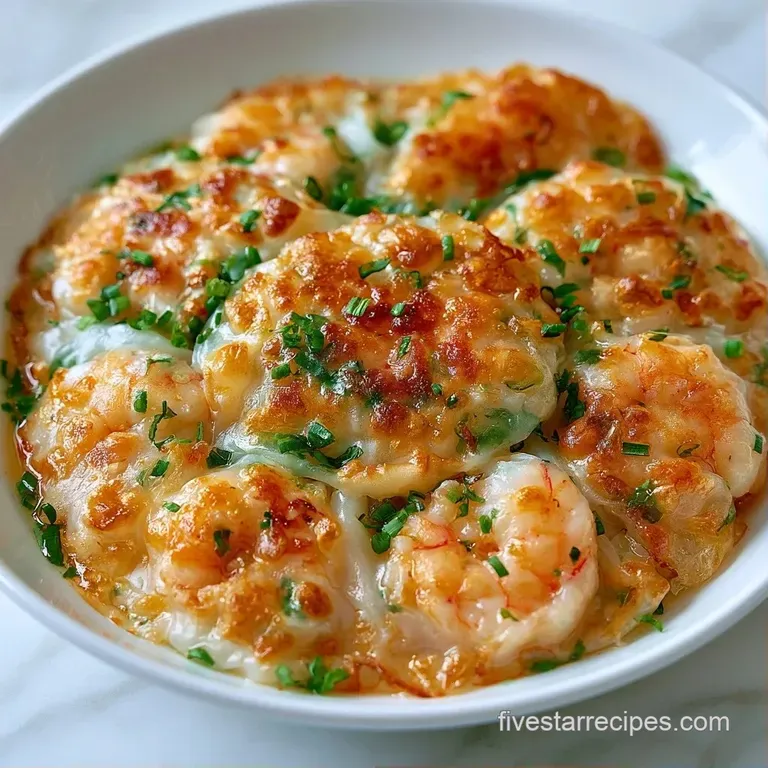
If your dumplings aren't turning out right, it's usually a moisture problem. Rice paper is temperamental, but easy to manage once you know the cues.
Troubleshooting Common Issues
| Issue | Solution |
|---|---|
| Why Your Dumplings Are Soft | If the shell doesn't crack, the oil temperature likely dropped. When you add cold dumplings to the pan, the oil cools down and the wrapper absorbs fat instead of searing. |
| Why the Wrapper Tears | Over soaking is the main culprit here. If the paper feels slimy, it's too wet. It should still feel slightly firm when you pull it out of the water, as it will soften further once you add the filling. |
| Why They Stick Together | Rice paper becomes extremely sticky when hot. If they touch in the pan, they will fuse. Give them plenty of space and don't crowd the skillet. |
Ways to Twist the Flavor
You can easily change the vibe of this recipe. If you want a bit more heat, stir a teaspoon of sriracha or chopped Thai chilies into the shrimp mixture. For a more earthy taste, replace the scallions with chopped cilantro and a pinch of cumin.
If you're in the mood for something fresh instead of fried, you could try my shrimp rice rolls which use the same rice paper but keep things raw and healthy.
Decision Shortcut: If you want a smokier taste, add a drop of liquid smoke to the filling. If you want a tighter crunch, double wrap the dumplings with two sheets of rice paper. If you're short on time, use pre minced ginger from a jar.
Scaling These Dumplings
When making a larger batch, don't just multiply everything blindly.
Scaling Up (2x-4x): Work in batches. If you put 24 dumplings in one pan, the temperature will plummet, and you'll lose the crunch. Keep the salt and white pepper at 1.5x the original amount rather than double, as these flavors can become overwhelming.
Scaling Down (½): Use a smaller skillet to keep the oil deep enough. Since you're using fewer shrimp, the pulsing time in the food processor will be faster, so watch them closely to avoid a puree.
Storage and Reheating Tips
You can prep these ahead of time, but the frying must happen last.
Fridge: Store uncooked dumplings in an airtight container lined with parchment paper. They stay good for 2 days.
Freezer: Flash freeze the rolled dumplings on a baking sheet for 1 hour before transferring them to a freezer bag. They last up to 2 months.
Reheating: Don't use a microwave, or they'll turn into rubber. Use an air fryer at 180°C for 5 minutes or a dry skillet over medium heat until the shell crisps back up.
Zero Waste: Use the leftover shrimp shells and scallion ends to make a quick seafood stock. Simmer them with a bit of water and ginger for 20 minutes to create a base for a soup.
Best Pairings for Your Platter
These are bold, so you need something to cut through the richness. A simple dip of lime juice, fish sauce, and a pinch of sugar is the classic choice.
If you're planning a full spread, these pair well with a zesty slaw or my shrimp spring rolls for a mix of fried and fresh textures.
The Fresh Balance Serve these with sliced cucumbers and pickled carrots. The acidity of the pickles resets your palate between each bite of the rich, fried Shrimp Paper Dumplings.
The Spicy Kick A side of sweet chili sauce mixed with a bit of lime zest brings out the sweetness of the shrimp and the mahogany crust.
Recipe FAQs
How to fry Vietnamese rice paper spring rolls?
Heat neutral oil in a non-stick skillet over medium heat. Fry the dumplings until the exterior is mahogany colored and creates a shattering, glass like crust.
What is the best sauce for spring rolls?
A savory sweet peanut dip is the gold standard. I recommend a spicy peanut sauce to cut through the richness of the fried shrimp.
Can you freeze Vietnamese spring rolls?
Yes, they freeze well for up to 2 months. Flash freeze the rolled dumplings on a baking sheet for 1 hour before transferring them into a freezer bag.
What makes spring rolls crispy?
The rapid evaporation of moisture from the rice paper in hot oil. This process creates a thin, brittle shell that shatters upon impact.
Why are my rice paper dumplings soft instead of crispy?
The oil temperature likely dropped too low. Adding cold dumplings can cool the pan, causing the wrapper to absorb fat rather than searing.
Why does the rice paper wrapper keep tearing?
Over soaking the paper is the primary cause. Pull the wrapper from the water while it still feels slightly firm, as it will continue to soften once the filling is added.
How to reheat fried rice paper dumplings?
Use an air fryer at 180°C for 5 minutes. Alternatively, use a dry skillet over medium heat until the shell crisps back up; avoid the microwave to prevent a rubbery texture.
Crispy Shrimp Paper Dumplings