Cheesecake and Brownie Cake: Velvety Swirl
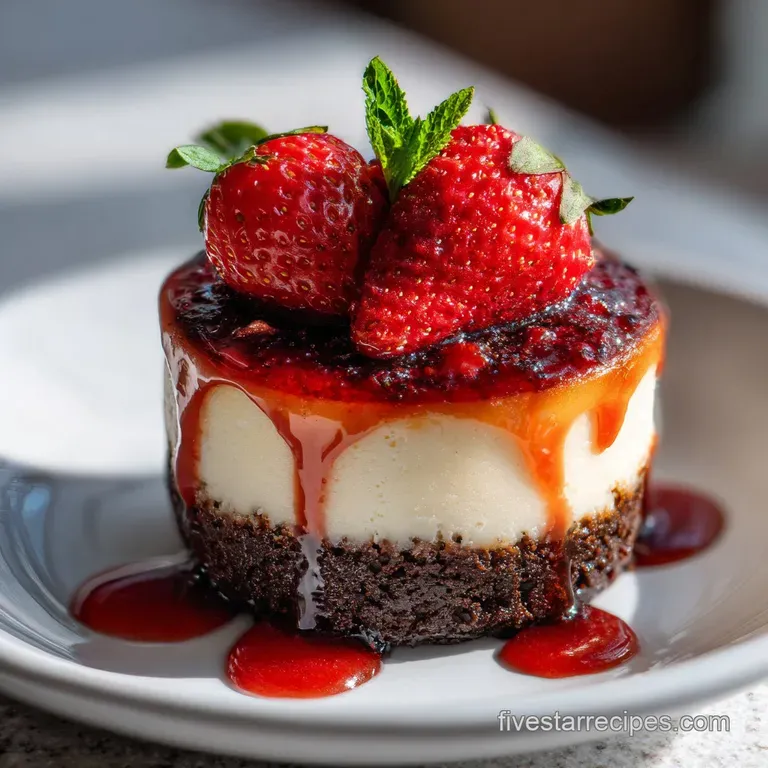
- Time: Active 20 minutes, Passive 45 minutes, Total 1 hours 5 mins
- Flavor/Texture Hook: Fudgy, velvety, and intensely chocolatey
- Perfect for: Dinner parties or a weekend baking project
- Master the Art of Cheesecake and Brownie Cake
- Understanding the Science Behind This Perfect Texture
- Technical Performance Metrics and Essential Doneness Checkpoints
- Sourcing the Best Elements for Your Gourmet Dessert
- Professional Equipment Needed for Consistent Five Star Results
- Precise Instructions for a Fudgy and Creamy Finish
- Troubleshooting Common Baking Mistakes and Technical Pitfalls
- Simple Ingredient Adaptations for Diverse Dietary Requirements
- Storage Guidelines and Sustainable Kitchen Waste Tips
- Perfect Pairings to Enhance Your Dessert Experience
- Culinary Myths and Misconceptions
- Recipe FAQs
- 📝 Recipe Card
Master the Art of Cheesecake and Brownie Cake
The first time I attempted this cheesecake and brownie cake, I was mesmerized by the way the dark, molten chocolate batter folded into the pale, thick cream cheese. There is something truly therapeutic about watching that initial swirl take shape.
As the butter melts and you whisk in the cocoa, the kitchen fills with a scent so deep it’s almost earthy. It’s that moment where you know the result is going to be something special.
I remember my biggest mistake early on was using cold cream cheese. I thought the mixer could handle the chunks, but I ended up with a lumpy mess that looked like cottage cheese on top of a brownie. Now, I let everything sit on the counter until it’s perfectly soft.
This small act of patience ensures the cheesecake layer remains velvety and smooth, draping over the brownie like a dream.
We aren't just making a standard traybake here; this is a gourmet experience. Whether you're a seasoned baker or just starting out, this cheesecake brownie cake recipe provides the precision needed for a foolproof result every time.
We are going for a texture that is dense enough to hold its shape but soft enough to melt away the second it hits your tongue.
Understanding the Science Behind This Perfect Texture
The secret to this specific bake lies in the protein and fat interaction. When we combine Dutch process cocoa with melted butter, we create a fat saturated environment that prevents the flour from developing too much gluten, keeping the brownie fudgy rather than bready.
- Starch Gelatinization: The flour hydrates at a specific rate to provide structure without masking the cocoa notes.
- Lactic Acid Tenderization: The Greek yogurt adds acidity, which breaks down protein strands in the cheesecake for a silkier mouthfeel.
- Fat Emulsification: Room temperature eggs ensure the fats and liquids bond, preventing the batter from breaking or becoming oily.
- Controlled Aeration: By whisking the eggs gently, we avoid trapping too much air, which keeps the brownie from rising and collapsing into a "cakey" texture.
Comparison of Baking Methods
| Method | Time | Texture | Best For |
|---|---|---|---|
| Classic Swirl | 1 hours 5 mins | Fudgy with creamy pockets | Authentic aesthetic |
| Layered Style | 1 hours 15 mins | Defined chocolate and cheese | Clean presentation |
| One Bowl Fast | 55 minutes | Uniformly blended | Quick cravings |
While the one bowl method is tempting for a fast fix, the classic swirl offers the best cheesecake brownie recipe experience because it allows the distinct flavors of cocoa and tangy cheese to coexist without merging into a singular, dull note.
Technical Performance Metrics and Essential Doneness Checkpoints
To achieve professional grade results, we need to move beyond "guessing" and focus on numeric precision. Baking is a science of ratios and temperatures, and this dish is no exception. If you love the technical side of baking, you might also find the precision required for our No Bake Strawberry Cheesecake recipe quite interesting.
Component Performance Analysis
| Ingredient | Science Role | Pro Secret |
|---|---|---|
| Dutch Cocoa | Provides color and structure | Sift it to prevent "cocoa bombs" |
| Cream Cheese | Adds fat and stability | Use full fat for better setting |
| Greek Yogurt | Moisture and acidity | Acts as a natural flavor enhancer |
| Maple Syrup | Hygroscopic sweetener | Keeps the cheesecake layer moist |
Using Dutch process cocoa is non negotiable here. Because it’s been treated with alkali, it has a neutral pH and a darker color, which reacts beautifully with the sweetness of the cheesecake layer.
Sourcing the Best Elements for Your Gourmet Dessert
For a truly tasty brownie cheesecake, you need to be picky about your pantry. I always reach for sea salt rather than table salt; those larger crystals provide tiny pops of contrast against the sugar.
- 1/2 cup (115g) unsalted butter: Melted and cooled to room temperature.
- 3/4 cup (150g) coconut sugar or cane sugar: Provides the sweetness and helps create the crinkle top.
- 2 large eggs: These must be at room temperature to emulsify properly.
- 1 tablespoon vanilla extract: Use high-quality extract, not imitation.
- 2/3 cup (60g) unsweetened Dutch process cocoa powder: For that deep, dark chocolate base.
- 1/2 cup (65g) all purpose flour: Just enough to hold everything together.
- 1/2 teaspoon sea salt: To balance the richness.
- 8 oz (225g) low-fat cream cheese: Softened until it's easily spreadable.
- 1/4 cup (60g) plain Greek yogurt: Choose 2% or 5% for the best fat to moisture ratio.
- 3 tablespoons maple syrup or honey: This sweetens the cheese layer naturally.
- 1 large egg yolk: Adds extra richness to the cheesecake portion.
- 1 teaspoon vanilla extract: Extra aromatic for the white swirl.
Chef Tip: Add 1/2 teaspoon of espresso powder to the brownie batter. It doesn't make it taste like coffee, but it makes the chocolate taste exponentially more intense.
Professional Equipment Needed for Consistent Five Star Results
You don't need a kitchen full of gadgets, but a few specific tools will make your life much easier. I highly recommend using a light colored metal baking pan. Dark pans absorb heat too quickly and can cause the edges of your homemade cheesecake brownie cake to burn before the center is set.
A sturdy whisk and a silicone spatula are your best friends here. You also want a kitchen scale. Measuring flour by the cup is notoriously inaccurate, and in a recipe with this little flour, an extra tablespoon can turn your fudgy brownie into a dry biscuit. If you've mastered the brownies, you might want to compare the technique to our Fudgy Brownie from recipe to see how the addition of cheese changes the baking physics.
Precise Instructions for a Fudgy and Creamy Finish
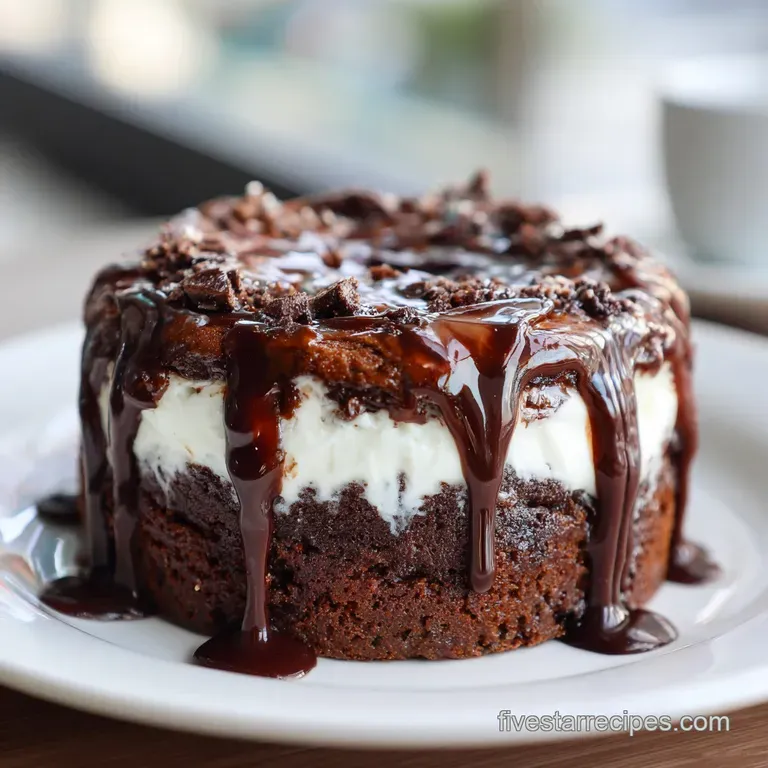
Preparing the Fudgy Base
- Preheat your oven to 350°F (180°C) and line an 8 inch square pan with parchment paper. Note: Leave an overhang to lift the bars out easily.
- Whisk the melted butter and coconut sugar in a large bowl.
- Add the two large eggs and vanilla, whisking until the mixture is glossy and smooth.
- Sift in the cocoa powder, flour, and sea salt.
- Fold the dry ingredients in gently using a spatula until no streaks of flour remain.
Whipping the Creamy Layer
- In a separate bowl, beat the softened cream cheese and Greek yogurt together.
- Stir in the maple syrup, egg yolk, and vanilla until the mixture is velvety.
- Pour the brownie batter into the pan, reserving about 1/4 cup.
- Dollop the cheesecake mixture over the brownie base and drop the reserved brownie batter on top.
- Use a knife to swirl the layers together. Bake for 40-45 minutes until the edges are set and the center slightly jiggles.
Troubleshooting Common Baking Mistakes and Technical Pitfalls
Why Your Cheesecake Cracked
Cracking usually happens because of two things: overbeating the cheesecake mixture or overbaking. When you beat the cheese too vigorously, you incorporate air bubbles. These bubbles expand in the heat and then collapse, causing cracks. The yogurt in this recipe helps mitigate this, but you still need to be gentle.
| Problem | Root Cause | Solution |
|---|---|---|
| Dry Brownies | Overbaked or too much flour | Pull from oven while center still jiggles |
| Lumpy Cheesecake | Cold cream cheese | Ensure cheese is room temperature before mixing |
| Oily Surface | Butter was too hot | Let melted butter cool for 10 minutes |
Similar to the troubleshooting we do for a Rainbow Cake Rainbow recipe, temperature management is everything. If your oven runs hot, the cheesecake will puff up like a souffle and then sink.
Common Mistakes Checklist
- ✓ Use a scale to weigh the flour and cocoa for absolute precision.
- ✓ Tap the pan on the counter three times before baking to pop air bubbles.
- ✓ Don't skip the sifting step; cocoa powder is notorious for stubborn clumps.
- ✓ Allow the cake to cool completely in the pan before slicing for clean edges.
- ✓ Wipe your knife with a warm, damp cloth between every single cut.
Simple Ingredient Adaptations for Diverse Dietary Requirements
If you want a deeper chocolate flavor, use 1/4 cup extra cocoa and reduce the flour by 2 tablespoons. This creates a truffle like consistency that is incredibly decadent.
| Original Ingredient | Substitute | Why It Works |
|---|---|---|
| All Purpose Flour | Almond Flour (1:1) | Moisture rich but denser crumb than AP flour |
| Maple Syrup | Agave Nectar | Similar viscosity with a more neutral sweetness |
| Greek Yogurt | Sour Cream | Higher fat content provides an even tangier finish |
For those looking for a gluten-free version, the almond flour swap works remarkably well here because the brownie doesn't rely on gluten for its structure. The result is slightly more delicate but just as satisfying.
Storage Guidelines and Sustainable Kitchen Waste Tips
Store your cheesecake and brownie cake in the refrigerator for up to 5 days. Because of the dairy content in the cheesecake layer, it shouldn't sit out at room temperature for more than two hours. I actually think these taste better on day two, as the flavors have time to settle and the texture becomes even denser.
Freezing Instructions: Wrap individual squares tightly in plastic wrap and then foil. They will stay fresh for up to 3 months. To eat, thaw them in the fridge overnight. Don't microwave them, or the cheesecake layer will lose its silky texture and become rubbery.
Zero Waste Tip: If you have leftover brownie scraps from trimming the edges, don't throw them away. Crumble them over vanilla bean ice cream or mix them into a milkshake for an instant dessert upgrade.
Perfect Pairings to Enhance Your Dessert Experience
A dish this rich needs something to cut through the fat. I love serving this with a handful of tart raspberries or a light dusting of sea salt on top. The acidity of the berries perfectly complements the tang of the Greek yogurt in the cheesecake.
If you are serving this at a party, consider a side of lightly sweetened whipped cream or even a cold glass of milk. For a more sophisticated pairing, a small glass of tawny port or a strong espresso provides a bitter contrast that highlights the Dutch process cocoa.
It's all about finding that balance between the sweet, the salty, and the bitter.
Culinary Myths and Misconceptions
One common myth is that you must use a water bath for any cheesecake related recipe. For cheesecake brownie bars, this isn't necessary. The brownie base acts as an insulator for the cheesecake layer, protecting it from the direct, harsh heat of the oven.
As long as you don't overbake it, you'll get a perfect set without the hassle of a bain marie.
Another misconception is that "low-fat" means "less flavor." In this recipe, the low-fat cream cheese combined with Greek yogurt actually allows the chocolate flavor to shine more brightly than a heavy, high fat cream cheese would.
The yogurt provides a bright tang that balances the sugar, making the entire cake feel more sophisticated and less cloying.
Recipe FAQs
Should I use a water bath when baking cheesecake and brownie cake?
No, a water bath is generally unnecessary. The brownie base acts as an insulator, protecting the cheesecake layer from direct, harsh heat. Only worry about a water bath if your oven runs significantly hot.
How to ensure the cheesecake layer is velvety smooth instead of lumpy?
Ensure all dairy ingredients are perfectly room temperature. Cold cream cheese traps air and leads to a chunky texture when mixed, even with strong equipment. If you nail the texture here, the same principle of emulsification applies when preparing our Buttery Nipple Shot recipe.
How to enhance the chocolate flavor in the brownie layer?
Add 1/2 teaspoon of instant espresso powder. This boosts the depth of the cocoa without adding a coffee taste, making the chocolate notes significantly more intense. This technique relies on enhancing existing flavor profiles, much like balancing acid in savory dishes.
Is it true that using only all-purpose flour results in a cakey brownie texture?
Yes, using too much AP flour can make it cakey. This recipe is balanced with minimal flour and high fat content to force a fudgy texture. For a true fudge texture, weigh your flour precisely.
How to prevent the cheesecake swirl from sinking or collapsing after baking?
Pull the cake from the oven when the center still has a slight jiggle. Overbaking is the primary cause of collapse; the residual heat will finish setting the center as it cools. Watch for doneness cues rather than relying strictly on time.
How to adapt this recipe for a gluten-free version?
Substitute the all-purpose flour 1:1 with almond flour. Almond flour is higher in fat and moisture, which works well to keep the brownie component dense and tender. This swap maintains great structure, similar to using alternatives in our Peanut Butter Icing Recipe.
What is the best way to store leftover cheesecake brownie cake?
Store leftovers tightly wrapped in the refrigerator for up to five days. Due to the cream cheese content, it should not be left at room temperature for more than two hours. These bars freeze exceptionally well if wrapped securely first.
Cheesecake Brownie Cake Recipe
Ingredients:
Instructions:
Nutrition Facts:
| Calories | 167 kcal |
|---|---|
| Protein | 3.6 g |
| Fat | 10.0 g |
| Carbs | 18.1 g |
| Fiber | 1.3 g |
| Sugar | 12.6 g |
| Sodium | 88 mg |
