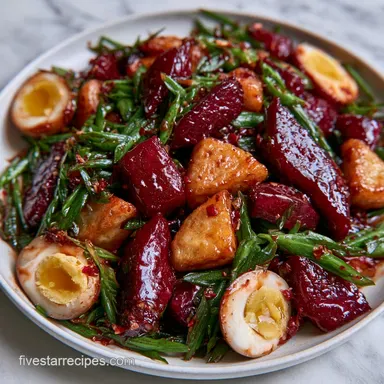
Authentic Tteokbokki Recipe: Bold and Chewy
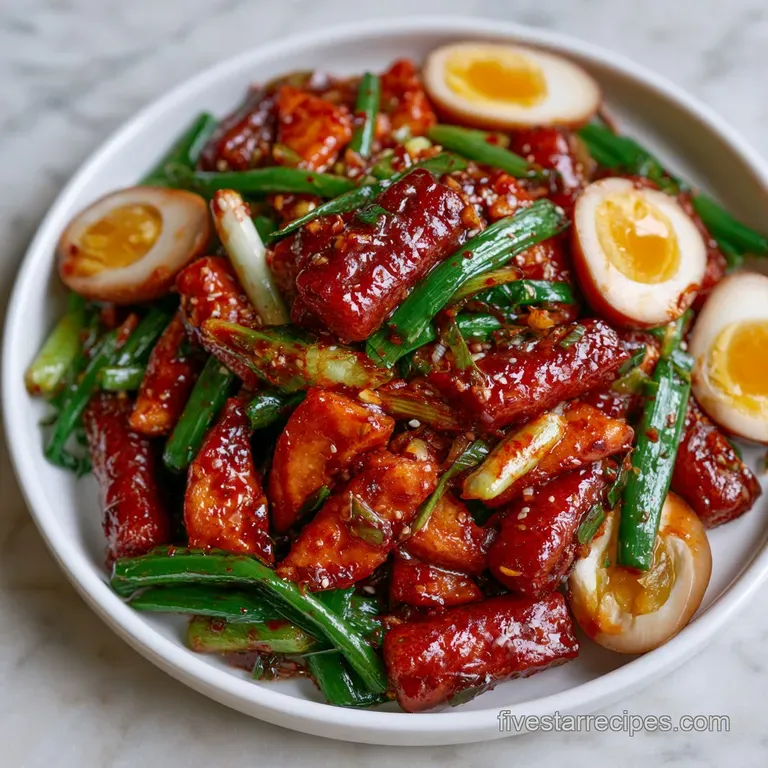
- Time: 10 min active + 15 min cook + 15 min hydrating = Total 40 minutes
- Flavor/Texture Hook: Chewy, spicy sweet rice cakes in a glossy, bold sauce
- Perfect for: A stunning starter or a cozy, spicy street food night at home
- Authentic Tteokbokki Recipe
- The Secret to the Gloss
- Quick Decision Guide
- The Flavor Component Breakdown
- Your Kitchen Arsenal
- The Step-by-Step Method
- Fixing Common Sauce Blunders
- Troubleshooting Common Issues
- Making it Your Own
- Adjusting the Portion Size
- Rice Cake Misconceptions
- Keeping Leftovers Fresh
- Stunning Pairings and Sides
- High in Sodium
- Recipe FAQs
- 📝 Recipe Card
Authentic Tteokbokki Recipe
That first hit of smell is what gets you. Imagine the scent of bubbling gochujang hitting a hot pan, mixing with the briny, deep aroma of anchovy stock. It's a bold, pungent, and slightly sweet fragrance that instantly transports you to a crowded street corner in Seoul, where the steam from the giant pans clouds your glasses and the air feels electric with heat.
I remember the first time I tried to make this at home. I rushed the sauce, and the rice cakes stayed hard in the middle while the outside turned into mush. It was a disaster. But once I learned to hydrate the cakes first and let the sauce reduce slowly, everything changed.
This authentic tteokbokki recipe is the result of those lessons, focusing on that specific, addictive chew.
You're in for a treat. We're talking about rice cakes that have a satisfying bounce, fish cakes that soak up the spicy goodness, and a sauce that's so glossy you can almost see your reflection in it. It's a bold international flavor profile that brings a serious wow factor to any table.
The Secret to the Gloss
To get this right, you need to understand how the sauce actually behaves. It's not just about the heat, but about how the starch from the rice cakes interacts with the sugar and paste.
Starch Release: As the rice cakes simmer, they shed a small amount of starch into the broth. This acts as a natural thickener, turning a watery soup into a velvety glaze.
Sugar Caramelization: The brown sugar doesn't just add sweetness, it helps the sauce bind to the cakes. This is similar to how a velvety meat sauce builds depth through slow reduction, creating a concentrated flavor punch.
Fermentation Depth: Gochujang is fermented, meaning it has a complex, funky undertone. When heated, these flavors mellow out and blend with the salty soy sauce.
Hydration Balance: Soaking the cakes prevents them from absorbing too much of your precious sauce too quickly, which would leave you with a dry pan and undercooked centers.
Quick Decision Guide
Depending on how much time you have or what vibe you're going for, you can tweak the method. Some people want the fast version, but the classic approach is where the magic happens.
| Method | Time | Texture | Best For |
|---|---|---|---|
| Fast Simmer | 10 mins | Thinner sauce, softer cakes | Quick weeknight craving |
| Classic Slow | 15 mins | Glossy glaze, chewy bounce | Authentic street food feel |
| Oven Baked | 30 mins | Caramelized edges, dense | Party appetizer platters |
Right then, let's look at what's actually happening inside the pot before we get into the gear.
The Flavor Component Breakdown
Not every ingredient is just for taste. Each one has a specific job in making this authentic tteokbokki recipe work.
| Ingredient | Science Role | Pro Secret |
|---|---|---|
| Garaetteok | Structure & Thickening | Soak in room temp water to ensure even cooking |
| Gochujang | Base Flavor & Body | Use a brand with high chili content for more kick |
| Anchovy Stock | Umami Foundation | Add a piece of kelp for a cleaner, oceanic depth |
| Brown Sugar | Viscosity & Balance | Use brown over white for a deeper, molasses note |
Your Kitchen Arsenal
You don't need a professional kitchen for this, but the right pan makes a world of difference. I always reach for a wide, shallow skillet or a wok. This allows the liquid to evaporate more evenly, which is the key to that thick, clinging sauce.
A sturdy whisk is also essential. Gochujang can be stubborn and clump up if you just stir it with a spoon. You want that paste fully integrated into the stock before the cakes ever touch the pan. For the eggs, a small pot for boiling is all you need.
The step-by-step Method
Let's crack on. Follow these steps closely, and keep an eye on those sensory cues.
Phase 1: The Texture Prep
- Place the sliced rice cakes in a bowl of room temperature water for 10-15 minutes to hydrate, then drain before using. Note: This ensures the cakes cook through without the sauce burning.
Phase 2: Building the Flavor Base
- Combine the anchovy stock, gochujang, gochugaru, brown sugar, soy sauce, and minced garlic in a skillet.
- Whisk over medium heat until the paste is fully dissolved and the liquid begins to bubble. You should smell a sharp, spicy aroma filling the room.
Phase 3: The Simmer and Reduction
- Add the drained rice cakes and fish cakes to the bubbling red sauce.
- Lower the heat to medium low and simmer gently, stirring frequently to prevent sticking, for 10-12 minutes until the sauce becomes a thick, glossy glaze.
- Look for the "bubble pop" - the sauce should make a heavier, slower sound as it thickens.
Phase 4: The Finishing Touch
- Fold in the scallions and hard boiled eggs during the last 2 minutes of cooking.
- Remove from heat once the scallions are wilted but still vibrant green. Note: Overcooking the greens ruins the fresh contrast.
Chef's Tip: If you want an extra layer of flavor, add a teaspoon of toasted sesame oil right before serving. It adds a nutty aroma that cuts through the spice.
Fixing Common Sauce Blunders
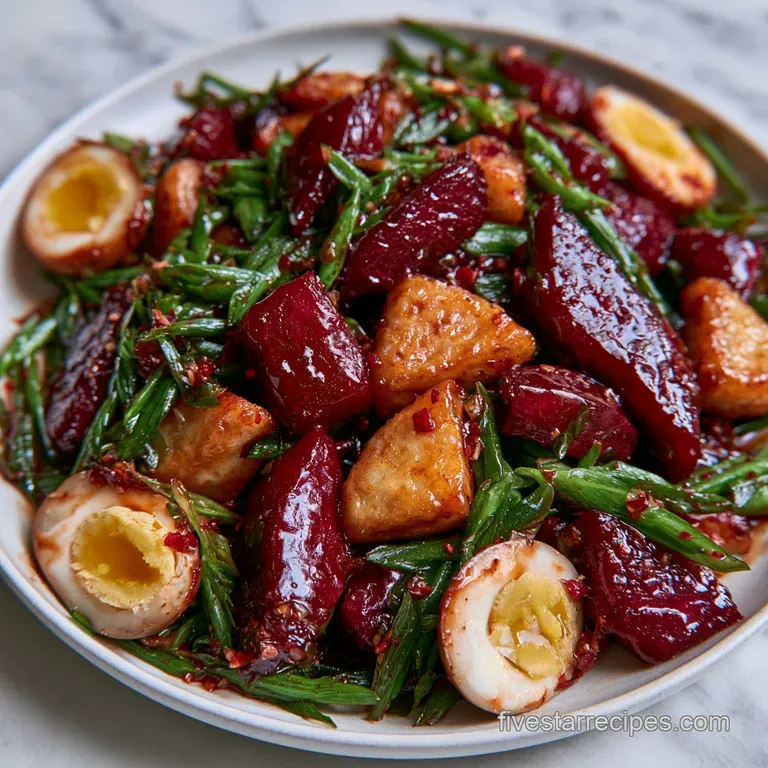
Even with an authentic tteokbokki recipe, things can go sideways. Usually, it's a matter of heat management or liquid ratios.
Troubleshooting Common Issues
| Issue | Solution |
|---|---|
| Why Your Sauce Is Too Watery | This usually happens if the heat was too low or the simmer time was too short. The starch hasn't had time to release and bind with the sugar. |
| Why Your Sauce Is Too Thick | If you simmered it for too long or used too much sugar, the sauce can become like a paste. It's a quick fix, but it happens if you get distracted. |
| Why Your Rice Cakes Are Clumpy | This is almost always because the cakes weren't stirred frequently enough during the reduction phase. The starch makes them naturally sticky. |
- ✓ Always hydrate rice cakes before cooking.
- ✓ Whisk the gochujang fully before adding solids.
- ✓ Stir every 2 minutes during the simmer.
- ✓ Remove from heat while scallions are still bright green.
- ✓ Use a wide pan for faster, more even reduction.
Making it Your Own
While this is an authentic tteokbokki recipe, the beauty of street food is how it evolves. You can easily pivot this to suit your taste or dietary needs.
For a Creamy "Rose" Twist
If the heat is too intense, stir in 1/2 cup of heavy cream or coconut milk at the very end. This creates a "Rose Tteokbokki" which is incredibly popular in Seoul right now. It turns the sauce a beautiful orange and makes the texture velvety.
For a Vegan Friendly Version
Swap the anchovy stock for a dried mushroom and kelp broth. Replace the fish cakes with sliced king oyster mushrooms or fried tofu puffs. They provide a similar chew and soak up the sauce just as well.
For Lower Heat
Reduce the gochugaru (flakes) to half a tablespoon and add an extra teaspoon of brown sugar. This keeps the flavor profile but tones down the burn.
Adjusting the Portion Size
When you're cooking for a crowd or just yourself, you can't always just double the ingredients. The way liquids evaporate changes based on the volume in the pan.
Scaling Down (½ batch): Use a smaller skillet to keep the sauce depth. Reduce the simmer time by about 20%, as smaller amounts of liquid reduce much faster. For the eggs, boil one and slice it in half.
Scaling Up (2x-4x batch): Don't double the salt or soy sauce immediately; start at 1.5x and taste. Liquids should be reduced by about 10% compared to a direct double, because a larger pot often traps more steam. Work in batches if your pan is too small, or the cakes will steam instead of glaze.
Rice Cake Misconceptions
There are a few things people get wrong when they first try to make homemade tteokbokki. Let's clear those up.
The "Sealing" Myth: Some think you need to sear the rice cakes in oil first to "lock in" the texture. This isn't necessary. The chewy texture comes from the hydration and the slow simmer in the sauce, not from a crust.
The "More is Better" Sauce Myth: Adding more gochujang doesn't always mean more flavor; it can actually make the sauce too thick and salty. The balance of stock and sugar is what allows the chili flavor to shine.
Keeping Leftovers Fresh
Tteokbokki is best fresh, but you can save it if you're careful. The rice cakes will continue to absorb liquid as they sit, so they'll be much thicker the next day.
Fridge Storage: Store in an airtight container for up to 3 days.
Freezing: I don't recommend freezing the finished dish. The rice cakes often change texture and become grainy or overly soft upon thawing. However, you can freeze the sauce base separately for months.
Reheating: This is the tricky part. Do not microwave them on high, or the cakes will get rubbery. Instead, place them in a small pot with a splash of water or stock. Heat over low medium, stirring constantly, until the sauce loosens up and the cakes are tender again.
Stunning Pairings and Sides
Since this is a bold, spicy dish, you need something to balance the palate. I love serving this with a side of pickled radish (danmuji) for that sharp, vinegary crunch.
If you're looking for a full meal, some steamed eggs or a bowl of simple rice work wonders. For those who want a complete contrast, a sweet dessert is the perfect end. I highly recommend a serving of Mango Sticky Rice to cool down your taste buds after all that gochujang heat.
Trust me on this: the combination of the spicy, chewy cakes and a cooling, creamy dessert is the ultimate way to experience these international flavors. Now, go get that pan sizzling!
High in Sodium
810 mg 810 mg of sodium per serving (35% 35% of daily value)
The American Heart Association recommends a limit of 2,300mg of sodium per day for most adults to maintain heart health.
Tips to Reduce Sodium
-
Swap the Sauces-25%
Use low-sodium soy sauce and reduce the gochujang by half, adding extra gochugaru to maintain the spicy heat without the salt.
-
Better Fish Cake Choice-20%
Choose low-sodium Korean fish cakes or replace them with fresh shrimp or firm tofu to significantly cut processed salt.
-
Lighten the Broth-15%
Prepare a homemade unsalted kelp stock or dilute the anchovy stock with more water to lower the sodium concentration.
-
Enhance Natural Aromatics
Increase the minced garlic and scallions, or add fresh ginger to provide a flavor punch that compensates for less salt.
Recipe FAQs
What is in traditional tteokbokki?
Rice cakes, fish cakes, and a spicy sweet sauce. It uses a base of gochujang, gochugaru, and anchovy stock, finished with scallions and hard boiled eggs.
What is the secret to good tteokbokki?
Achieving a thick, glossy glaze. Simmer the sauce on medium low for 10-12 minutes and stir frequently so the rice cake starch naturally thickens the liquid.
Can diabetics eat Korean rice cakes?
Generally no, or in very small portions. These cakes are dense carbohydrates and the sauce contains brown sugar. For a high protein alternative, try our tender ribeye.
What do Koreans add to tteokbokki?
Fish cakes, hard boiled eggs, and scallions. These additions provide contrasting textures and help balance the heat of the chili paste and flakes.
How to prevent rice cakes from cracking?
Soak the sliced rice cakes in room temperature water for 10 15 minutes. Drain them before cooking to ensure they are fully hydrated and stay chewy.
How to reheat leftover tteokbokki?
Add a splash of water and heat on a skillet over medium low. Stir constantly until the sauce loosens and the rice cakes soften again.
Why is my tteokbokki sauce too watery?
Increase the heat or simmer for longer. This happens if the heat was too low or the simmer time was too short for the starch to bind with the brown sugar.
Authentic Tteokbokki Recipe: 4 Servings