Whipped Cream Recipe with Milk: Silky Topping
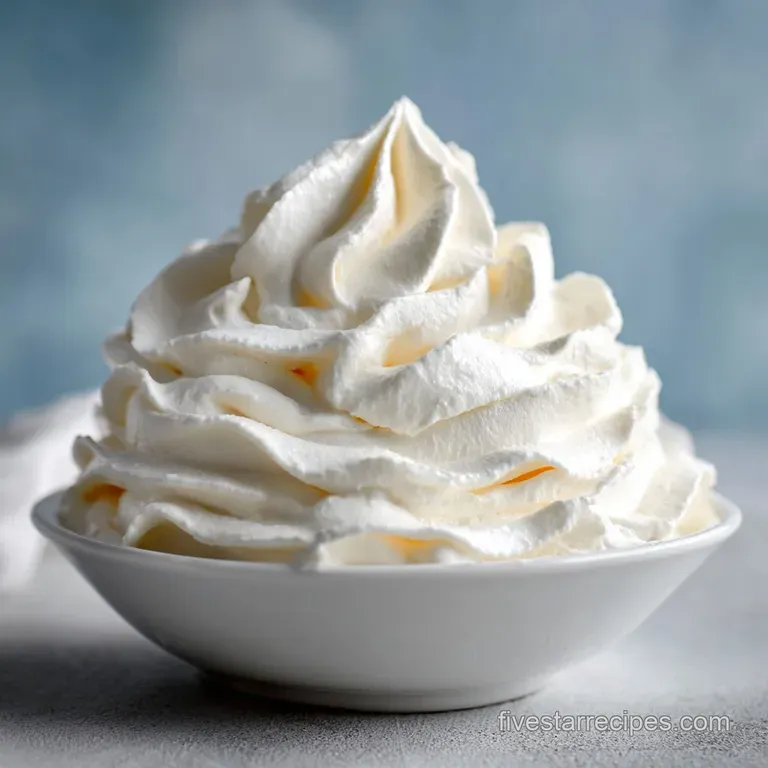
- Time: Active 10 mins, Passive 20 mins, Total 30 mins
- Flavor/Texture Hook: Silky, translucent, and cloud like
- Perfect for: Lightweight dessert toppings or calorie conscious garnishes
- Master the Silky Whipped Cream Recipe with Milk
- Science Behind This Aerated Topping
- Precise Measurements for Success
- Key Components for Structure
- Essential Tools for Whipping
- Methodical Steps for Perfect Peaks
- Expert Fixes for Common Errors
- Smart Adaptations and Swaps
- Precise Scaling Guidelines
- Topping Myths Debunked
- Storage and Waste Management
- Finishing Touches and Presentation
- Recipe FAQs
- 📝 Recipe Card
Master the Silky Whipped Cream Recipe with Milk
The first time I tried to whip milk, I ended up with a kitchen counter covered in white splashes and a very deflated ego. I was midway through making a birthday cake when I realized the "heavy cream" in my fridge was actually just half and half.
I thought I could just beat it harder and faster, but physics had other plans. It stayed stubbornly liquid, mocks me with every rotation of the whisk.
Discover the secret to an irresistibly light and airy Whipped Cream Recipe with Milk and Vanilla. After that first failure, I obsessed over the science of stabilization. It turns out, you don't need the 36% fat content of heavy cream to create a velvety peak.
You just need a structural "skeleton" to hold the air bubbles in place. This method uses unflavored gelatin to create that lattice, giving you a topping that holds its shape even in a warm room.
Science Behind This Aerated Topping
The Architecture of a Cloud
Protein Scaffolding: Gelatin molecules create a three dimensional network that traps air bubbles, compensating for the lack of butterfat typically found in heavy cream. This molecular cage provides the rigidity necessary to prevent the liquid from weeping or collapsing under its own weight.
- Thermal Regulation: Cold temperatures are vital because they slow down the movement of the milk proteins, making it easier for the gelatin to "set" around the air you're incorporating.
- Emulsification Stability: The powdered sugar contains a small amount of cornstarch, which acts as an additional drying agent to absorb excess moisture.
- Surface Tension: Whipping at high speeds breaks the milk's surface tension, while the gelatin immediately coats the newly formed bubbles to prevent them from merging back into liquid.
Methodical Stability Check
| Method | Prep Time | Stability | Texture |
|---|---|---|---|
| Classic Cream | 5 minutes | Low (wilts fast) | Dense and buttery |
| Milk Recipe | 30 minutes | High (stays firm) | Light and translucent |
| Non Stabilized | 2 minutes | Zero | Liquid and bubbly |
Precision is the difference between a gourmet topping and a puddle of sweet milk. We're using a specific cooling phase to ensure the gelatin doesn't clump when it hits the ice cold milk base.
Precise Measurements for Success
Before we start, let's talk about the specific checkpoints you need to hit. This isn't a recipe where you can "eyeball" the measurements. If you use too much gelatin, you'll end up with milk flavored rubber; too little, and it won't hold a peak.
| Servings | Milk Needed | Sugar Amount | Whip Time |
|---|---|---|---|
| 8 people | 0.6 cups | 2 tbsp | 4 mins |
| 16 people | 1.25 cups | 1/4 cup | 7 mins |
| 32 people | 2.5 cups | 1/2 cup | 12 mins |
Using the right vessel is just as important as the ingredients. A stainless steel bowl is preferred over plastic because it retains the cold much better, which is essential for our protein scaffolding to set correctly.
Key Components for Structure
To achieve a five star result, we have to treat each ingredient with a bit of respect. We aren't just mixing things; we're building a chemical bond.
Component Analysis
| Ingredient | Science Role | Pro Secret |
|---|---|---|
| Whole Milk | Liquid Base | Use "ice cold" milk to keep proteins tight |
| Gelatin | Structural Lattice | Bloom in cold milk first to avoid graininess |
| Powdered Sugar | Stabilizer/Sweetener | Sift twice to ensure a velvety mouthfeel |
- 1/4 cup whole milk (cold): Why this? Used to bloom the gelatin properly without heat shock.
- 1 teaspoon unflavored gelatin: Why this? The "glue" that allows low-fat milk to hold air.
- 1 cup whole milk (ice cold): Why this? Must be near freezing to encourage rapid aeration.
- 1/4 cup powdered sugar (sifted): Why this? Dissolves faster than granulated and adds cornstarch stability.
- 1 tablespoon pure vanilla extract: Why this? high-quality extract provides the aromatic depth milk lacks.
Essential Tools for Whipping
You don't need a professional laboratory, but a few specific tools will prevent the most common failure modes. Avoid using a handheld whisk unless you want an Olympic level arm workout; an electric mixer is almost mandatory here.
Chef's Tip: Place your metal mixing bowl and whisk attachments in the freezer for 15 minutes before starting. This prevents the friction of the motor from warming up the milk, which would cause the gelatin to lose its grip.
If you're using a stand mixer like a KitchenAid, use the whisk attachment, not the paddle. We need to incorporate as much air as possible as quickly as possible. If you are looking for a denser treat, my Peanut Butter Fudge recipe uses similar cooling techniques to achieve a specific set.
Methodical Steps for Perfect Peaks
Phase 1: Bloom Gelatin
- Place 1/4 cup cold milk in a small, heat proof bowl.
- Sprinkle the unflavored gelatin evenly over the surface. Note: Don't dump it in a pile or the center won't hydrate.
- Let it sit for 5 minutes until it looks like thick applesauce.
Phase 2: Combine and Chill
- Microwave the bloomed mixture for 15-20 seconds until the liquid is clear and fluid.
- Whisk the melted gelatin into the remaining 1 cup of ice cold milk.
- Stir in the sifted powdered sugar and vanilla extract.
- Refrigerate the mixture for 20 minutes until it is slightly thickened but not set.
Phase 3: The High Speed Whip
- Pour the chilled mixture into your frozen metal bowl.
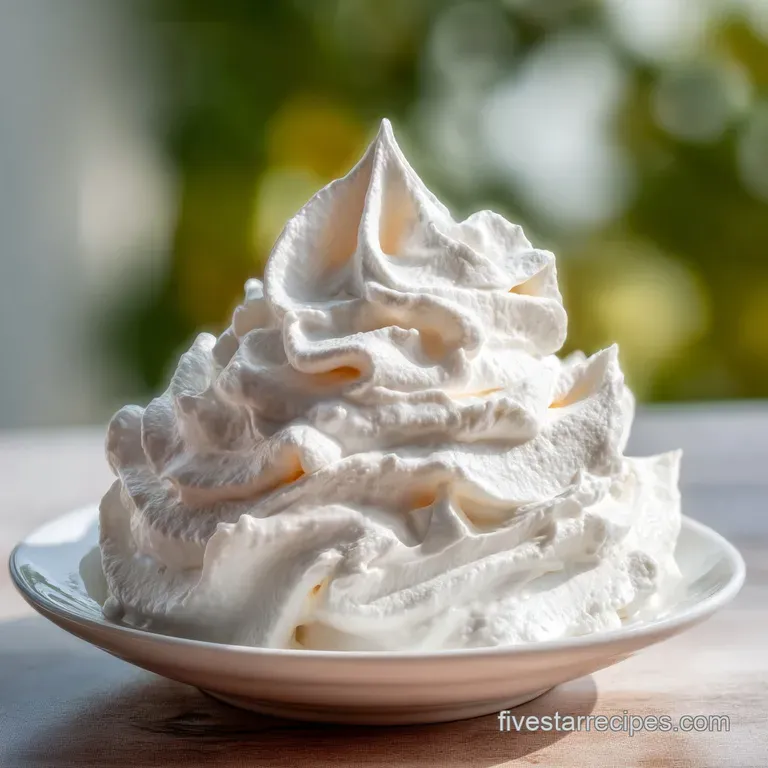
- Beat on high speed for 5-7 minutes until billowy peaks form.
- Stop immediately once the whisk leaves a clear trail in the foam.
Expert Fixes for Common Errors
The most frustrating part of this Whipped Cream Recipe with Milk is when it refuses to thicken. Usually, this is a temperature issue. If your kitchen is over 75°F (24°C), the gelatin has a hard time transitioning from a liquid to a semi solid state.
Why Your Cream Stays Runny
If the mixture hasn't thickened after 7 minutes of whipping, the most likely culprit is that the milk wasn't cold enough or the gelatin didn't fully dissolve. Don't keep whipping it indefinitely; you'll just heat it up further with friction.
| Problem | Root Cause | Solution |
|---|---|---|
| Grainy Texture | Gelatin clumped | Strain through a fine mesh sieve |
| Won't Peak | Mixture is too warm | Chill for another 10 mins and re whip |
| Sharp Aftertaste | Too much vanilla | Add a tablespoon of plain milk |
Common Mistakes Checklist
- ✓ Ensure the gelatin is fully dissolved (no amber crystals visible)
- ✓ Sift the powdered sugar to prevent "sweet lumps" in the foam
- ✓ Never use skim or 1% milk; the lack of fat leads to a watery collapse
- ✓ Stop whipping the moment peaks form to avoid a "bubbly" texture
- ✓ Use a deep bowl to minimize splashing during the high speed phase
Smart Adaptations and Swaps
While this recipe is designed for whole milk, you can make adjustments based on what's in your pantry. Just keep in mind that every change affects the "heaviness" of the final product. For another whipped topping variation, you might enjoy my Peanut Butter Icing Recipe which uses different stabilizers for a richer finish.
| Original Ingredient | Substitute | Why It Works |
|---|---|---|
| Whole Milk | Evaporated Milk | Higher protein content leads to a sturdier foam |
| Powdered Sugar | Honey (1.5 tbsp) | Adds floral notes but Note: yields softer peaks |
| Vanilla Extract | Almond Extract | Provides a gourmet, cherry like aroma |
Precise Scaling Guidelines
Reducing the Batch
If you only need a small dollop for a single slice of pie, you can halve this recipe easily. Use 1/2 teaspoon of gelatin and reduce the chilling time to 12 minutes. The whipping will also happen faster, usually around 3-4 minutes.
Large Scale Production
When doubling or tripling this recipe for a party, do not simply double the gelatin. Use a 1.5x ratio for the stabilizer to avoid a rubbery texture. Use a larger bowl than you think you'll need, as the volume increases significantly once the air is incorporated.
Topping Myths Debunked
Myth: You can't whip milk without a high fat content. Truth: While fat is the traditional stabilizer in heavy cream, proteins and gelling agents like gelatin can perform the same physical role. This recipe proves that structure is about chemistry, not just fat percentages.
Myth: Stabilized milk cream tastes exactly like heavy cream. Truth: It is noticeably lighter and less "coating" on the tongue. It lacks the buttery richness of 36% fat cream but carries flavors like vanilla and espresso much more cleanly.
Storage and Waste Management
This stabilized topping is surprisingly hardy. Unlike traditional whipped cream which might separate after an hour, the gelatin lattice keeps this intact for quite a while.
- Fridge: Store in an airtight container for up to 2 days. If it loses a bit of volume, give it a quick 30 second whisk by hand to revive the air bubbles.
- Freezer: I don't recommend freezing this. The ice crystals will puncture the delicate protein walls created by the gelatin, leaving you with a watery mess once thawed.
Zero Waste Tip: If you have leftovers that have finally lost their air, don't toss them! Use the liquid as a base for a gourmet French toast soak or stir it into your morning coffee.
Since it already has sugar, vanilla, and a bit of thickness, it makes an incredible "melted" creamer that adds a velvety body to your brew.
Finishing Touches and Presentation
To get that five star look, timing is everything. While this recipe is stabilized, it looks best when served within 30 minutes of whipping. Use a piping bag with a large star tip for elegant swirls on top of a latte or a bowl of fresh berries.
For Elegant Plating
If you find the cream is a bit too translucent for your liking, you can add a single tablespoon of instant vanilla pudding mix during the whipping phase. This adds a bit of "opacity" and a yellow tint that mimics the look of high fat dairy.
Dusting the finished peaks with a bit of cocoa powder or cinnamon adds a visual contrast that highlights the billowy texture of the peaks.
The beauty of this Whipped Cream Recipe with Milk is its versatility. It’s a foolproof solution for the home cook who wants gourmet results without a last minute trip to the grocery store. Just remember: keep it cold, be patient with the bloom, and watch those peaks rise.
Recipe FAQs
Can you make whipped cream from only milk?
No, not successfully without stabilization. Standard milk lacks the necessary butterfat (typically 30%+) required for aeration to hold peaks on its own.
How much sugar and vanilla do you add to whipping cream?
Use 1/4 cup powdered sugar and 1 tablespoon vanilla per 1 cup of liquid base. Powdered sugar dissolves faster and its cornstarch acts as a secondary stabilizer.
How to thicken milk into whipped cream?
Bloom 1 teaspoon of unflavored gelatin in cold milk first. Gently heat the mixture until clear, then chill the entire base until slushy before whipping it vigorously.
How long does it take to whip cream from milk?
Expect 5 to 7 minutes of high speed mixing once the base is properly chilled. The time depends on your mixer speed, but stop immediately when firm peaks form to avoid turning it grainy.
Is it true that using skim milk will ruin the whipped topping?
Yes, skim milk is a poor choice for this recipe. The minimal fat content provides no structural support, leading to a very fast collapse even with gelatin added.
Why does my gelatin mixture seem grainy after melting?
This usually happens if the gelatin was dumped directly into hot liquid instead of being bloomed first. If this occurs, strain the entire mixture through a fine mesh sieve before chilling to remove undissolved clumps.
Can I use this stabilized topping as a filling instead of heavy cream for layered desserts?
Yes, its enhanced stability makes it great for fillings, similar to the binding structure needed for smooth recipes. If you mastered the stable emulsion here, apply that temperature precision to our Creamy Mashed Potatoes Recipe for guaranteed silkiness.
Milk Whipped Cream Recipe
Ingredients:
Instructions:
Nutrition Facts:
| Calories | 22 kcal |
|---|---|
| Protein | 0.8 g |
| Fat | 0.6 g |
| Carbs | 2.9 g |
| Fiber | 0 g |
| Sugar | 2.5 g |
| Sodium | 9 mg |
