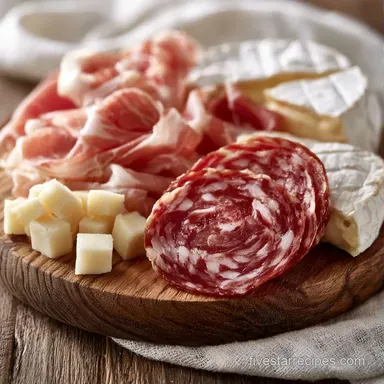
Meat and Cheese Board: Simple and Stunning
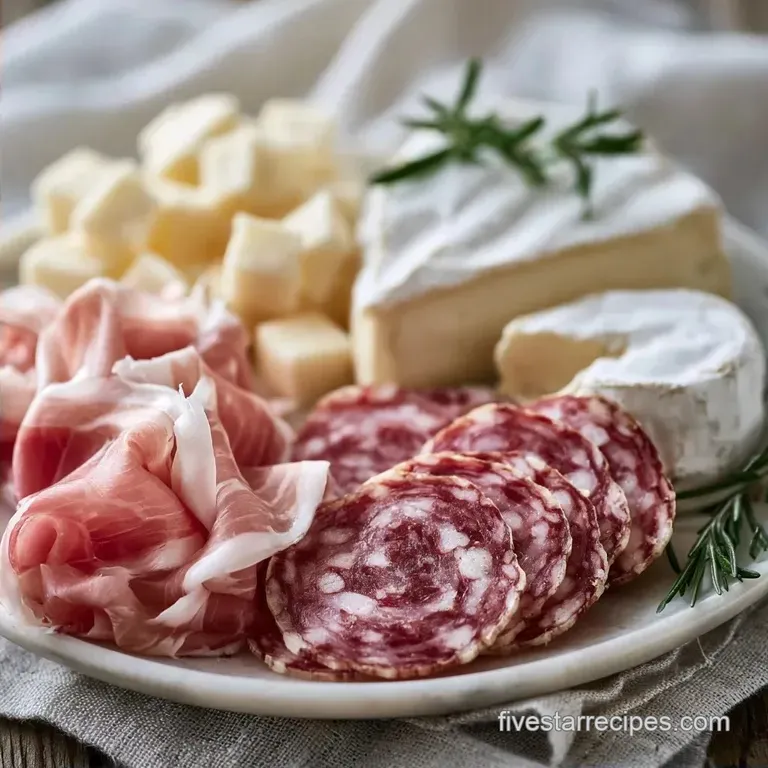
- Time:20 minutes active = Total 20 minutes
- Flavor/Texture Hook: Velvety brie paired with a sharp, salty snap
- Perfect for: Party starters, cocktail hour, or a bold date night in
Building a Bold Meat and Cheese Board
The first time I tried to put together a spread for a group of friends, I went completely overboard. I thought more was better, so I bought every single cheese the deli had and piled it high. It looked like a mountain of dairy, but it tasted... flat.
Everything was just "salty" or "creamy" without any break in the flavor. I remember staring at this massive pile and realizing that without some acidity or sweetness, my guests were just eating fat.
Forget the myth that you need a professional catering degree or a three hundred dollar budget to make a stunning spread. You don't need twenty different types of artisan crackers or a rare cheese from a remote village in France. The real secret is just balance.
Once I stopped trying to impress people with quantity and started focusing on the "flavor map," everything changed. Now, my go to Meat and Cheese Board is more about the interaction between ingredients than the ingredients themselves.
I want to show you how to get that "wow" factor without the stress. We're talking about that specific moment when a guest sees the board and immediately reaches for a slice of prosciutto and a dried apricot.
It's about creating a visual and taste experience that feels lush and international, but takes almost no actual effort. Trust me on this, the "messy chic" look is actually the goal.
The Secret to Flavor Balance
When you're putting together a Meat and Cheese Board, you're essentially playing a game of opposites. If you have a rich, buttery cheese, you need something sharp or acidic to cut through that heaviness. This is why we don't just throw random things on a tray. We're building a landscape of flavors.
The Salt Acid Reset: High fat cheeses and cured meats coat the tongue, which can dull your taste buds. Adding olives or cucumber provides an acidic "reset" that makes the next bite of cheese taste just as bold as the first.
The Texture Gradient: A board is boring if everything is soft. You need things that shatter, like a crisp cracker, and things that are velvety, like a ripe Brie. This contrast keeps your brain interested in the food.
Sweet and Savory Bridge: Dried fruits and grapes act as a bridge between the salt of the bresaola and the tang of the goat cheese. This prevents the salt from becoming overwhelming.
Temperature Window: Cheese tastes better when it's not ice cold. Letting your cheeses sit out for a bit allows the fats to soften, which releases the full aroma and flavor. If you're pairing this with a drink, a Classic Margarita is a killer choice because the lime cuts right through the richness.
Budget vs Premium Options
Depending on who's coming over, you might want to go all out or keep it lean. Here is how I handle the trade offs without losing the "wow" factor.
| Premium Choice | Budget Alternative | Impact | Savings |
|---|---|---|---|
| Bresaola (Air dried beef) | Hard Salami | Slightly less lean, more garlic notes | High |
| Castelvetrano Olives | Sliced Green Olives | Less buttery, more vinegary | Medium |
| Aged White Cheddar | Sharp Block Cheddar | Less crystalline texture | Low |
| Prosciutto di Parma | Standard Prosciutto | Slightly saltier, less silky | Medium |
It's worth noting that while the budget options work, the premium choices usually have a more distinct "international" feel. But honestly, when you pile everything together, most guests can't even tell the difference.
Ingredient Roles and Secrets
I've learned the hard way that not all ingredients serve the same purpose. Some are the stars, and some are just there to make the stars look better.
| Ingredient | Science Role | Pro Secret |
|---|---|---|
| Brie | Creamy Base | Let it reach room temp to get that "ooze" |
| Prosciutto | Salty Protein | Fold it into ribbons for height and volume |
| Dried Apricots | Sweet Contrast | Soak in warm water for 5 mins for a plumper texture |
| Dijon Mustard | Acidic Punch | Use a small bowl to keep it from soaking the crackers |
The Protein Base (Lean & Savory)
The meats are the anchors of the board. Prosciutto provides that melt in-your mouth silkiness, while salami brings a chewy, spiced punch. Bresaola is the secret weapon here, offering a deep, beefy flavor that isn't as aggressive as pepperoni.
The Cheese Trio (Variety of Textures)
I always stick to three textures: a hard cheese (White Cheddar), a soft ripened cheese (Brie), and a fresh/tangy cheese (Goat Cheese). This covers every possible craving.
The Fiber & Crunch (Healthier Swaps)
Almonds and crackers provide the necessary "shatter" factor. If you want to keep it lighter, you can swap the crackers for sliced cucumber, which adds a refreshing water content to the mix.
The Fresh & Acidic (Palate Cleansers)
Grapes and olives aren't just fillers. They are the "cleansers" that stop the board from feeling too heavy. Castelvetrano olives are particularly great because they are mild and buttery.
Gear for the Perfect Setup
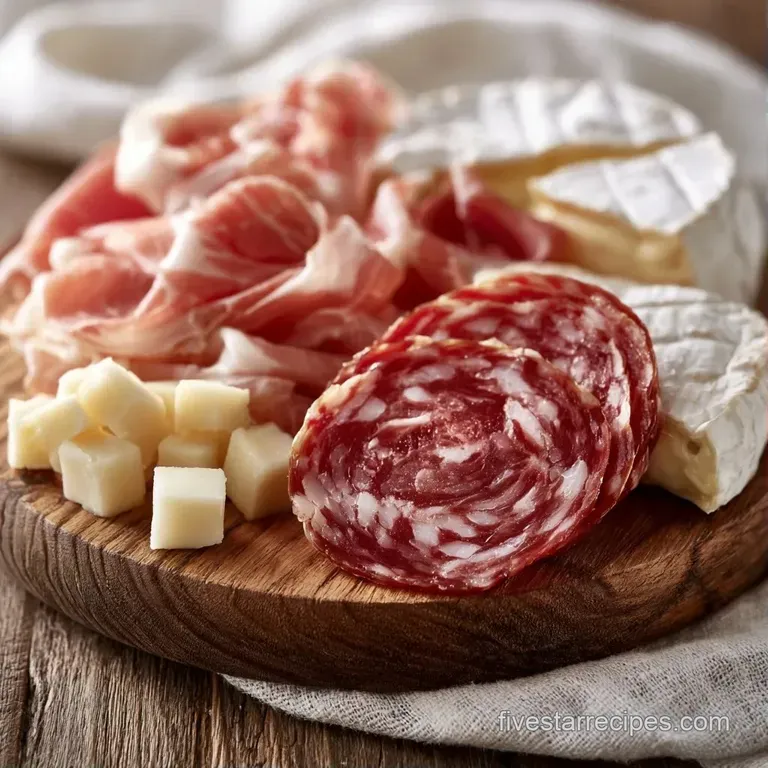
You don't need a professional kit, but a few things make this way easier. A large wooden board is the gold standard, but a slate platter or even a large ceramic plate works. The wood helps absorb a bit of the moisture from the fruits and cheeses.
I also highly recommend having three or four small ramekins. These "anchors" hold your liquids (like the mustard and olives) so they don't run into your crackers and make them soggy. If you don't have ramekins, small jam jars or even espresso cups do the trick.
Chef Note: Don't use a plastic tray. It doesn't breathe, and the cheese can sometimes develop a "plastic" taste if it sits too long. Wood or stone is the way to go.
Step by step Board Assembly
The goal here is to make the board look like it happened naturally, even though we're being very intentional about where things go.
- Place the anchors. Set three small bowls on your board and fill them with the olives, Dijon mustard, and any jam or honey you're using. Note: This gives you a structural starting point.
- Position the cheeses. Place the Brie wedge and the Goat Cheese log at opposite ends of the board. Cube the sharp white cheddar into bite sized pieces and pile them in a small mound.
- Create the meat rivers. Fold the prosciutto into loose, flowing ribbons. Roll the salami into tight, little cylinders. Arrange them in a curving line that flows between your bowls and cheeses.
- Add the "shatter" elements. Tuck the whole grain crackers around the edges of the meat and cheese, leaning them against the bowls for height.
- Tuck in the grapes. Place small clusters of red grapes in the larger gaps. Note: Keep them in small bunches so guests can just grab a few.
- Fill the voids with cucumber. Slot the sliced cucumbers into any remaining open spaces, creating a fresh green border.
- Scatter the almonds. Sprinkle the raw almonds across the board, filling in the tiny holes.
- Finish with dried fruit. Tuck the dried apricots into the gaps near the cheeses. Arrange them until the board looks lush and overflowing.
Fixing Common Board Mishaps
The most common mistake I see is the "flat board" look. If everything is just laid out in straight lines, it looks like a school lunch tray. You want curves, height, and overlapping ingredients.
Why Your Board Looks Empty
This usually happens because people are too afraid to overlap their food. The secret to a stunning board is "the pile." Don't be afraid to let the prosciutto lean on the Brie or have a grape touching a cracker. It creates a sense of abundance.
Why Your Cheese Is Sweating
If you put your cheese out too early in a humid room, it will develop little oil droplets on the surface. This is normal, but it looks a bit unappealing. Just pat it dry with a paper towel.
| Problem | Root Cause | Solution |
|---|---|---|
| Soggy Crackers | Contact with olives/mustard | Use bowls for all wet ingredients |
| Bland Flavor | Lack of acidity | Add more lemon zest or extra olives |
| Meat looks flat | Slicing too thin/flat | Fold or roll the meat into 3D shapes |
Board Success Checklist
- ✓ At least three different cheese textures (Hard, Soft, Fresh)
- ✓ Something sweet (Fruit/Jam) to balance the salt
- ✓ No "naked" spots on the board (fill gaps with nuts/berries)
- ✓ All wet ingredients contained in bowls
- ✓ Cheese brought to room temperature 30 mins before serving
Fun Twists and Swaps
Once you've got the basic Meat and Cheese Board down, you can start playing with themes. I love switching things up based on the season or the vibe of the party.
The Mediterranean Twist
Swap the cheddar for Manchego and the salami for Chorizo. Add some marinated artichoke hearts and a dollop of hummus. Instead of crackers, you could serve this with some Homemade Garlic Naan torn into pieces for a more rustic, international feel.
The Winter Warmth Board
Go for heavier, muskier flavors. Use a smoked gouda instead of cheddar and add some candied walnuts. Swap the grapes for dried figs and add some pomegranate seeds for a pop of bright red color.
The Plant Based Swap (Vegan)
You can still get the same contrast using cashew based "cheeses" and marinated tofu or vegan salami. Use a lot of olives, capers, and dried fruits to keep the flavor profile bold and exciting.
The Low Carb/Keto Pivot
Simply remove the crackers and increase the amount of cucumber slices and almonds. You can also add some celery sticks or bell pepper strips to keep that "crunch" factor without the carbs.
Storage and Waste Tips
I hate seeing good charcuterie go to waste. Since these are mostly cured meats and hard cheeses, they actually keep quite well if you handle them right.
Storage Guidelines If you have leftovers, don't leave them on the board. Move the cheeses back into airtight containers or wrap them in parchment paper (not plastic wrap, which can make them taste like chemicals). Cured meats should be kept in a sealed bag in the fridge for up to 5 days.
Zero Waste Ideas Don't throw away those leftover rinds! The hard rinds from the cheddar or parmesan can be tossed into a pot of simmering vegetable soup or broth to add a massive amount of savory depth.
If you have a few lonely olives or pieces of meat left, chop them up and toss them into a pasta salad for a quick lunch the next day.
The Best Drink Pairings
The final touch to any and Cheese Board is the drink. Because this board is so rich, you need something that can cut through the fat.
Sparkling Wines Prosecco or Champagne is the gold standard. The bubbles literally scrub your palate clean between bites of creamy Brie and salty prosciutto.
Bold Reds If you're leaning heavily into the Bresaola and sharp cheddar, a Cabernet Sauvignon or a Syrah works beautifully. The tannins in the red wine bind to the proteins in the meat and cheese, creating a smooth finish.
Non Alcoholic Options A sparkling water with a heavy squeeze of lime and a sprig of mint is a great way to keep things fresh. The acidity of the lime mimics the effect of a dry wine, keeping the flavors of the board sharp.
This recipe is all about the joy of sharing. Whether you're using a Simple Meat and Cheese Board for a casual hangout or going all out for a holiday party, the goal is to create something that looks stunning and tastes even better. Just remember: salt, acid, fat, and sweet.
Keep those four in balance, and you'll have a winner every single time. Now go grab a board and start piling!
Recipe FAQs
What goes on a meat and cheese board?
Cured meats, varied cheeses, and fresh accompaniments. This board features prosciutto, salami, bresaola, sharp white cheddar, brie, and goat cheese paired with almonds, dried apricots, grapes, cucumber, olives, and Dijon mustard.
How to make a charcuterie board?
Place small bowls of olives and mustard as structural anchors. Position cheese wedges at opposite ends, fold prosciutto into ribbons, and roll salami into cylinders. Fill remaining gaps with grapes and cucumber slices before scattering almonds and dried fruits.
What is the 3-3-3 rule for cheese boards?
It is a guideline to include three types of cheese, three meats, and three accompaniment categories. For example, you can pair a mix of hard and soft cheeses with salty cured meats and a balance of sweet, acidic, and crunchy sides.
How to make a small meat and cheese platter?
Scale down the quantities while maintaining variety. Pick one meat and one cheese from each texture category to keep the board lush. If you enjoyed this streamlined assembly, apply the same efficiency to our buffalo chicken wraps.
What should I avoid putting on a charcuterie board?
Avoid overly wet ingredients that leak or overpower other flavors. Steer clear of watery fruits that may soak into the whole grain crackers or pungent items that mask the subtle taste of the brie.
How to make a cheese platter look professional?
Create "rivers" of meat and use structural anchors. Flow your salami and prosciutto in curving lines between the bowls and cheeses to create a sense of abundance and movement.
How to store leftover charcuterie board items?
Move cheeses to airtight containers and wrap cured meats in sealed bags. Store these items in the fridge to keep them fresh for up to 5 days.
Meat and Cheese Board in 20 Minutes