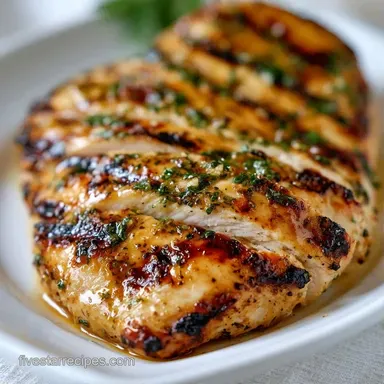
Juicy Grilled Chicken Breast with Lemon Garlic
- Time: 10 min active + 30 min marinating + 10 min resting
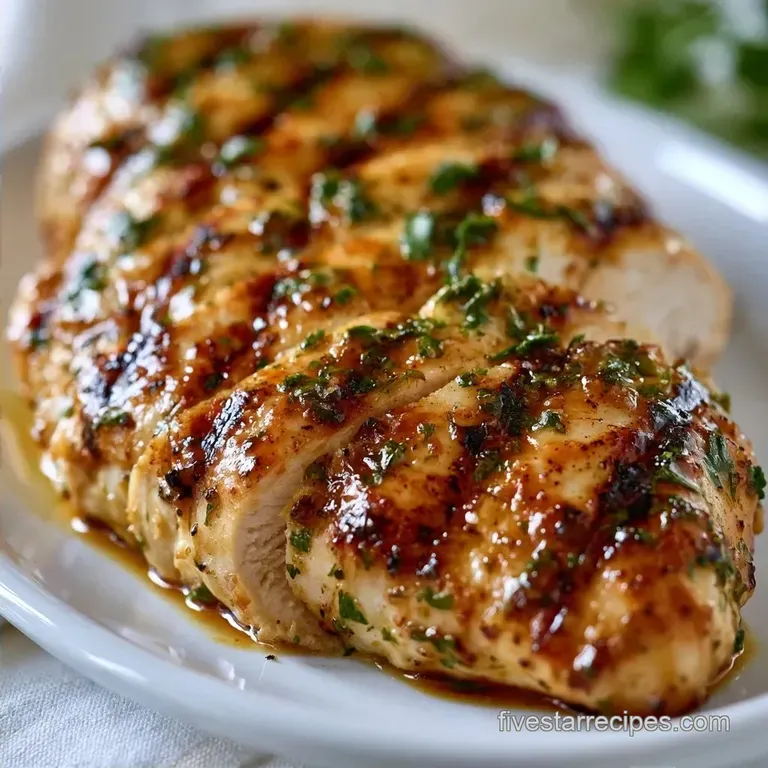
- Flavor/Texture Hook: Mahogany colored crust with tender insides
- Perfect for: Dinner parties or healthy meal prep
That loud, aggressive sizzle when the meat hits the grate is the only sound that matters. I used to think you had to cook chicken breasts until they were practically charcoal to be safe. I spent years eating meat that felt like chewing on a gym shoe because I was terrified of undercooking it.
Forget the idea that high heat for the entire cook is the way to go. If you leave a lean breast over direct flames the whole time, you lose the moisture. The goal is a deep sear and a gentle finish.
This method for Juicy Grilled Chicken focuses on temperature control. You'll get a crust that looks professional and a center that stays tender. It's a reliable way to handle lean protein without the stress.
Tips for Juicy Grilled Chicken
The real trick is managing how the heat hits the meat. Most people just throw the chicken on the grill and hope for the best, but that's how you get the "burnt outside, raw inside" disaster.
Salt and Acid: Salt pulls moisture into the meat while lemon juice breaks down tough fibers. This combination lets the flavors penetrate deeper in just 30 minutes.
Two Zone Heat: Using a hot side for the sear and a cool side for finishing prevents the outer layer from toughening. It's a simple shift that changes the whole result.
| Approach | Heat Method | Texture | Best For |
|---|---|---|---|
| Fast Sear | Direct Heat Only | Firm/Charred | Quick lunch |
| Classic | Two Zone Heat | Tender/Juicy | Dinner parties |
Why These Ingredients Work
The choice of fats and acids determines how the meat reacts to the fire. We want a marinade that creates a barrier and adds brightness.
Olive Oil: This prevents sticking and helps the heat transfer evenly. It's a stable fat that handles the grill's temperature well.
Lemon Juice: The citric acid tenderizes the proteins. However, leaving it too long can make the meat mushy, which is why we stick to a short window.
Garlic and Oregano: These provide a savory base that caramelizes during the sear.
| Ingredient | What It Does | Best Swap |
|---|---|---|
| Olive Oil | Conducts heat/prevents sticking | Avocado oil (higher smoke point) |
| Lemon Juice | Tenderizes protein | Lime juice (adds a zestier note) |
| Dried Oregano | Earthy aroma | Dried thyme (more subtle/floral) |
The Shopping List
Gather everything before you fire up the grill. Using a consistent size of chicken breast ensures they all finish at the same time.
- 4 (6 oz) boneless skinless chicken breasts Why this? Uniform size prevents some from drying while others stay raw
- 3 tbsp extra virgin olive oil Why this? high quality oil prevents a greasy aftertaste
- 2 tbsp fresh lemon juice Why this? Fresh juice has a brighter acidity than bottled
- 3 cloves minced garlic Why this? Fresh garlic provides a sharper, cleaner flavor
- 1 tsp dried oregano Why this? Adds a classic Mediterranean profile
- 1 tsp sea salt Why this? Coarser grains help with the crust
- 1/2 tsp cracked black pepper Why this? Coarse pepper stands up to the char
Necessary Cooking Tools
You don't need a professional kitchen, but a few specific tools make this easier. A sturdy pair of tongs is non negotiable so you aren't piercing the meat and letting juices escape.
A digital meat thermometer is the only way to guarantee Juicy Grilled Chicken. Guessing based on color or "the poke test" is how you overcook the meat. I recommend an instant read probe for the most accuracy.
Finally, a clean grill grate is a must. Use a wire brush to remove old residue. If the grates are dirty, the chicken will bond to the metal and tear when you flip it.
Bringing It Together
Right then, let's get to the cooking. Follow these steps to keep the moisture locked in.
- Whisk the olive oil, lemon juice, garlic, oregano, salt, and pepper in a bowl.
- Pat the chicken breasts dry with paper towels and place them in the marinade for 30 minutes. Note: Drying the meat first helps the marinade stick
- Preheat your grill to medium high heat.
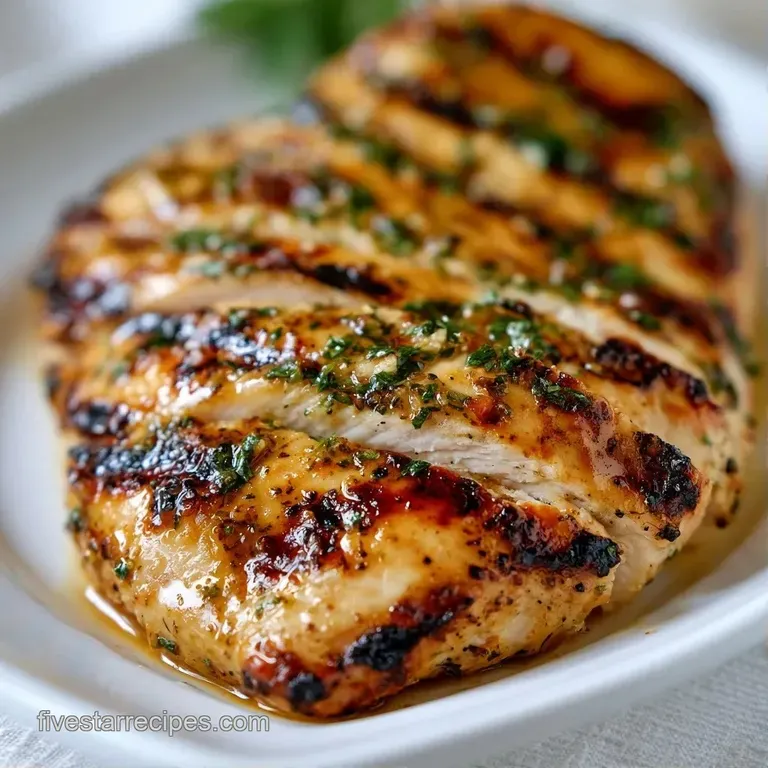
- Place the breasts smooth side down on the direct heat zone. Grill undisturbed for 5–6 minutes until a deep, mahogany colored crust forms.
- Flip the chicken and move it to the indirect heat zone. Cook for another 4–6 minutes, or until the internal temperature hits 160°F (71°C).
- Remove from heat and let the meat rest for 5–10 minutes. Wait until the temperature rises to 165°F (74°C) before slicing.
Chef's Note: If you see flare ups from the oil, move the chicken to the cool side immediately. You want a brown crust, not a black soot covering.
Fixing Common Issues
Even experienced cooks run into trouble. Usually, it's a matter of temperature or timing.
The Chicken Sticks to the Grates
This happens if the grill isn't hot enough or the meat is flipped too early. The proteins need to sear and release naturally. If it's sticking, give it another minute.
Charred Outside, Raw Inside
This is a sign your direct heat was too aggressive. Shift to the indirect zone sooner. According to the guides at Serious Eats, managing heat zones is the most reliable way to cook lean meats.
The Meat Feels Rubbery
Rubbery texture comes from overcooking. Even a few degrees over 165°F can tighten the protein fibers too much. Always pull the meat at 160°F.
| Problem | Root Cause | Solution |
|---|---|---|
| Sticking | Grill too cold | Wait for the sear to release |
| Dry Meat | Overcooked | Pull at 160°F and rest |
| Pale Meat | Low heat | Increase temp for initial sear |
Scaling For Groups
Adjusting for a crowd is simple, but don't just multiply everything blindly.
For smaller batches (2 servings), use half the marinade but keep the grill temperature the same. Since you're using a smaller area, you might find the chicken cooks about 20% faster.
When scaling up for 8 or more people, don't double the salt and spices. Use 1.5x the seasoning for the larger volume of meat to avoid it becoming overly salty. Work in batches if your grill is small. Crowding the grates drops the temperature, which leads to steaming instead of searing.
Storage and Reheating
Leftover Juicy Grilled Chicken is a gift for the next day. Store the slices in an airtight container in the fridge for up to 4 days.
For the freezer, wrap the cooked breasts tightly in foil and place them in a freezer bag. They'll stay good for 2 months. To reheat without drying them out, place them in a baking dish with a splash of water or broth.
Cover with foil and warm at 300°F (150°C) for 10–15 minutes.
To avoid waste, use any leftover marinade as a base for a salad dressing. Just simmer it in a small pan for 3 minutes to kill any raw chicken bacteria before serving.
Serving and Enjoying
This dish is versatile enough for any occasion. If you want a tropical vibe, pair it with my Hawaiian Chicken Coconut Rice. The sweetness of the coconut balances the lemon acidity.
For something punchier, try serving the slices over a bed of arugula with a side of with Chimichurri for 4 recipe. The fresh herbs in the chimichurri brighten the char of the meat.
When plating, slice the chicken against the grain. This breaks up the muscle fibers and makes every bite feel more tender.
Tasty Flavor Variations
You can use this same method for different flavor profiles. The two zone heat rule always applies.
Zesty Lime & Cilantro: Swap the lemon for lime juice and add a handful of chopped cilantro to the marinade. This is great for tacos.
Smoky Paprika & Cumin: Add 1 tsp of smoked paprika and 1/2 tsp of cumin. This gives the meat a deep, earthy flavor that mimics a slow cooked BBQ style.
The Creamy Greek Swap: Use Greek yogurt instead of olive oil in the marinade. The lactic acid tenderizes the meat even more effectively.
The Sodium Conscious Swap: Replace the sea salt with a squeeze of extra lemon and a pinch of onion powder. You'll lose some of the crust's depth, but the flavor remains bright.
Whether you're hosting a summer bash or just making a weeknight dinner, this approach to Juicy Grilled Chicken removes the guesswork. Stick to the temperatures, trust the rest period, and you'll never serve a dry breast again.
Recipe FAQs
How to grill chicken to be juicy?
Use a two-zone heat setup. Sear the breasts on direct heat for 5 6 minutes to create a crust, then move them to an indirect heat zone to finish cooking.
How do you keep grilled chicken moist?
Marinate for 30 minutes and let the meat rest. The lemon juice and salt tenderize the fibers, while a 5 10 minute rest allows juices to redistribute before slicing.
Can I eat grilled chicken with diabetes?
Yes, this is a diabetes friendly option. It relies on lean protein and healthy fats without added sugars. For more lean meal prep ideas, try our Chicken Burrito Bowl.
What is the trick to juicy chicken?
Pull the chicken off the grill at 160°F. Carry over cooking during the resting period brings the internal temperature to a safe 165°F without overcooking the meat.
How do I reheat grilled chicken without drying it out?
Place slices in a baking dish with a splash of water. Cover the dish with foil and warm at 300°F for 10 15 minutes to lock in moisture.
Is it true that I must cook chicken to 165°F while it's still on the grill?
No, this is a common misconception. Removing the meat at 160°F and letting it rest to reach 165°F prevents the chicken from becoming tough and dry.
How long should I marinate the chicken?
Marinate for 30 minutes. This duration is the sweet spot for the lemon juice and salt to penetrate the meat without compromising the texture.
Juicy Grilled Chicken with Lemon Garlic