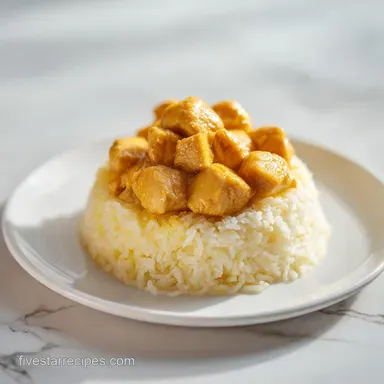
Hawaiian Chicken Coconut Rice: Grilled and Tropical
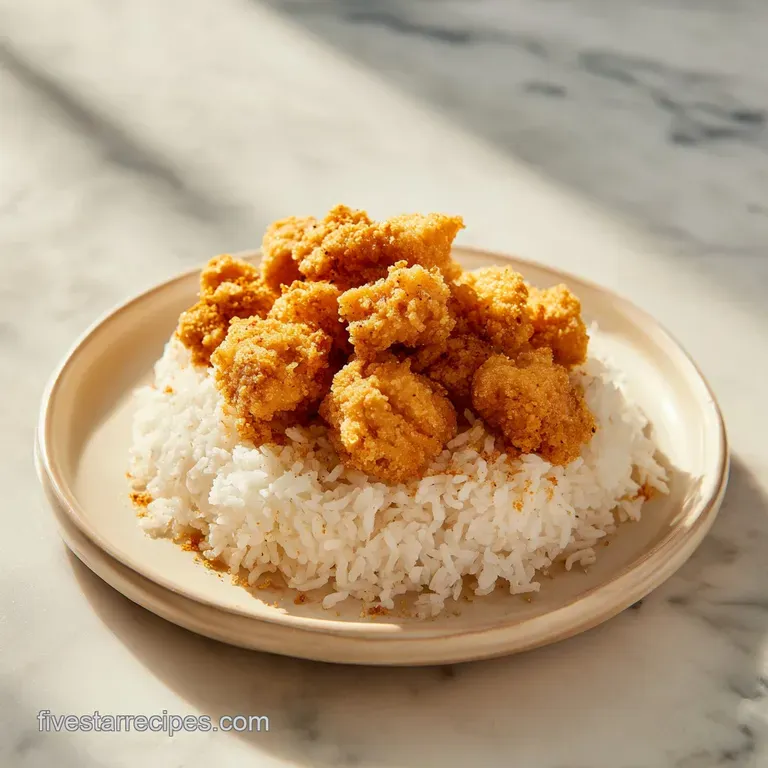
- Time:15 minutes prep + 30 minutes cook/rest = Total 45 minutes
- Flavor/Texture Hook: Velvety coconut rice paired with a sticky, charred pineapple glaze
- Perfect for: A tropical themed dinner party or a high effort-feeling weeknight meal
- Nailing Your Hawaiian Chicken Coconut Rice
- Quick Recipe Specs
- The Secret Texture Logic
- The Essential Building Blocks
- The Right Cooking Gear
- Step-by-Step Cooking Guide
- Avoiding Common Cooking Pitfalls
- Smart Swaps and Tweaks
- Storing and Reheating Tips
- The Best Serving Ideas
- Critical Sodium Level
- Recipe FAQs
- 📝 Recipe Card
Nailing Your Hawaiian Chicken Coconut Rice
That first sizzle when the chicken hits the hot oil, followed by the sweet, tropical scent of pineapple caramelizing in the pan, is honestly the best part of the whole process. I remember the first time I tried this for a group of friends.
I was so eager to get it on the table that I skipped the resting period for the rice. I ended up with something that felt more like a coconut porridge than a fluffy bed of grains. It was a disaster, but it taught me the most important lesson about jasmine rice: patience is literally an ingredient.
Since then, I've tweaked the heat levels and the glaze reduction time to make sure the chicken stays juicy while the sauce gets that thick, lacquer like finish. You don't want a soupy sauce that runs all over the plate, you want a glaze that clings to every piece of chicken.
When you get it right, the contrast between the creamy, fragrant rice and the tangy, slightly spicy chicken is a total knockout.
Trust me on this, the secret is in the sear. If you crowd the pan, the chicken will steam instead of brown, and you'll miss out on that deep, charred flavor that makes this dish feel like it came from a high end bistro. Let's crack on and get this sorted.
Quick Recipe Specs
Before we jump into the heat, let's look at how this meal behaves. Since this is an occasion ready dish, timing is everything. You want the rice to finish resting just as the chicken glaze reaches its peak thickness.
If you're hosting, I recommend getting the rice started first. It's the most passive part of the process. Once it's simmering, you have about 15 minutes of downtime to prep your garlic and ginger. This flow ensures everything hits the plate hot.
The balance of fats here is quite high thanks to the coconut milk and oil, which is why the rice vinegar and sriracha are non negotiable. They cut through the richness and keep the dish from feeling too heavy.
DIVTABLE_0
Right then, let's talk about what's actually happening in the pot. The way the ingredients interact is what turns simple chicken and rice into something that feels gourmet.
The Secret Texture Logic
Understanding why these steps matter helps you avoid the pitfalls I fell into. It's not about following a script, it's about managing heat and moisture.
Starch Control: Rinsing the jasmine rice removes excess surface starch, which prevents the grains from clumping together into a sticky mass.
Fat Emulsion: Coconut milk provides a saturated fat base that carries the aroma of the jasmine rice deeper into every grain.
Sugar Reduction: Simmering the honey and pineapple juice evaporates the water, concentrating the sugars until they form a thick, velvety coating.
Acid Balance: The rice vinegar breaks down the heavy feel of the coconut milk, creating a bright contrast that wakes up the taste buds.
The Essential Building Blocks
Selecting the right versions of these ingredients changes the entire outcome. For example, using light coconut milk would leave the rice tasting thin and watery, which completely ruins the vibe.
Component Analysis
| Ingredient | Science Role | Pro Secret |
|---|---|---|
| Jasmine Rice | Fragrant Base | Rinse until water is crystal clear |
| Coconut Milk | Creamy Texture | Use full fat canned, not the carton |
| Honey | Glaze Viscosity | Add at the end to prevent burning |
| Fresh Pineapple | Natural Acid | Sauté until edges are dark brown |
Ingredients & Substitutes
For the Coconut Rice
- 1.5 cups (300g) Jasmine rice, rinsedWhy this? Natural floral aroma and soft texture
- 1 can (400ml) Full fat coconut milkWhy this? Essential for the velvety mouthfeel
- 0.75 cup (180ml) WaterWhy this? Balances the thickness of the milk
- 1 tsp (6g) SaltWhy this? Sharpens the coconut flavor
- 1 tbsp (14g) Coconut oilWhy this? Prevents clumping and adds sheen
- Substitute: Use Basmati rice for a firmer, less sticky grain (note: may require 20ml more water)
For the Pineapple Chicken
- 1.5 lbs (680g) Chicken breast, cut into 1 inch cubesWhy this? Even sizes ensure uniform cooking
- 2 tbsp (30ml) Vegetable oilWhy this? High smoke point for a better sear
- 1 cup (240g) Fresh pineapple chunksWhy this? Fresh fruit has a better "pop" than canned
- 2 cloves (6g) Garlic, mincedWhy this? Pungent aromatic base
- 0.5 tsp (3g) Fresh ginger, gratedWhy this? Adds a zesty, warm heat
- Substitute: Chicken thighs for a juicier, more forgiving protein (note: takes 2 mins longer to sear)
For the Sticky Glaze
- 0.5 cup (120ml) Pineapple juiceWhy this? Ties the fruit and meat together
- 3 tbsp (45ml) Soy sauceWhy this? Provides the essential salt and umami
- 2 tbsp (42g) HoneyWhy this? Creates the glossy, sticky finish
- 1 tbsp (15ml) Rice vinegarWhy this? Cuts through the fat
- 1 tsp (5g) SrirachaWhy this? Subtle back end heat
- Substitute: Maple syrup instead of honey for a deeper, earthier sweetness
The Right Cooking Gear
You don't need a professional kitchen, but a few specific tools make the process way smoother. Honestly, don't even bother with a non stick pan for the chicken if you can avoid it.
A stainless steel or cast iron skillet is your best friend here. Why? Because those materials allow for "fond" to build up, which is that brown bit of caramelization on the bottom of the pan. When you pour in the glaze, that fond dissolves and incorporates back into the sauce, adding a massive layer of flavor.
For the rice, any medium pot with a tight fitting lid will work. If the lid is loose, steam escapes, and you'll end up with undercooked, crunchy rice. If you're unsure, place a piece of foil or a clean kitchen towel between the pot and the lid to create a better seal.
Step-by-step Cooking Guide
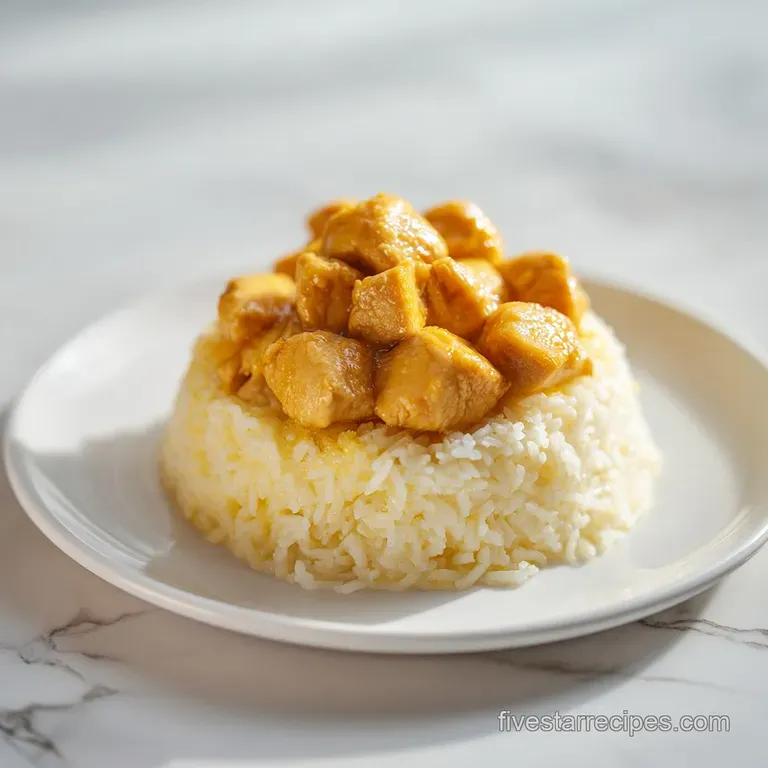
Let's get into it. Follow these steps closely, especially the timing for the rice.
Phase 1: Steaming the Aromatic Rice
- Combine the rinsed jasmine rice, coconut milk, water, salt, and coconut oil in a medium pot. Note: Rinsing the rice is non negotiable for separate grains.
- Bring the mixture to a boil over medium high heat. Listen for the bubble and watch for the first few pops of steam.
- Immediately reduce the heat to low, cover with a tight lid, and simmer for 15-18 minutes. Do not lift the lid to check on it, or you'll lose the steam.
- Remove the pot from the heat and let it sit, covered, for 5 minutes. Note: This allows the moisture to redistribute, making the rice fluffy.
Phase 2: Searing the Protein
- Heat the vegetable oil in a large skillet over medium high heat. Wait until the oil shimmers and almost smokes before adding the meat.
- Add chicken cubes in a single layer. Sear for 3 minutes per side until golden brown and slightly charred.
- Toss in the pineapple chunks, garlic, and ginger. Sauté for another 2-3 minutes until the pineapple edges are caramelized.
Phase 3: The Glaze Reduction
- In a small bowl, whisk together the pineapple juice, soy sauce, honey, rice vinegar, and sriracha.
- Pour the mixture over the chicken and pineapple. Listen for the immediate sizzle as the liquid hits the hot pan.
- Increase the heat to medium and stir constantly for 3-5 minutes until the sauce reduces into a sticky glaze that coats the chicken like a thick syrup.
Chef's Note: If the glaze thickens too quickly and looks like it's burning, add a splash of water or extra pineapple juice to loosen it up.
Avoiding Common Cooking Pitfalls
Even the most experienced home cooks can hit a snag with this one. Most of the time, it comes down to heat management.
Why Rice Gets Mushy
This usually happens for two reasons: either you didn't rinse the rice, or you stirred it while it was simmering. Stirring breaks the grains and releases more starch, which turns your rice into a thick paste.
Why Glaze Stays Runny
If your sauce isn't sticking to the chicken, you probably didn't reduce it enough. The sauce needs to reach a certain temperature where the water evaporates and the sugars concentrate. Keep stirring on medium heat until it looks like a glossy varnish.
DIVTABLE_1
Common Mistakes Checklist
- ✓ Pat chicken cubes dry with a paper towel before searing (prevents steaming)
- ✓ Use a tight lid on the rice pot to trap every bit of steam
- ✓ Don't crowd the skillet; cook chicken in two batches if needed
- ✓ Let the rice rest for the full 5 minutes before fluffing with a fork
Smart Swaps and Tweaks
The beauty of this recipe is how flexible it is. Depending on what's in your pantry, you can shift the flavor profile slightly. If you're looking for more tropical vibes, you could serve this alongside my Coconut Shrimp recipe for a full feast.
If you want to make this a bit healthier, you can swap the chicken breast for extra firm tofu. Just press the tofu for 20 minutes first to remove excess water, then sear it exactly like the chicken. It absorbs the glaze beautifully.
For those who like a bit more kick, double the sriracha or add a pinch of red pepper flakes during the garlic and ginger sauté. If you prefer a more "citrusy" finish, squeeze half a lime over the finished dish just before serving.
DIVTABLE_2
Right then, let's talk about how to handle this if you're making it for later.
Storing and Reheating Tips
Because of the coconut milk and honey, this dish stores quite well, but the texture of the rice can change.
Fridge Storage: Store the coconut rice and the pineapple chicken in separate airtight containers. They'll stay fresh for up to 3 days. Mixing them in the fridge can make the rice overly soggy as it absorbs the glaze.
Freezing: I don't recommend freezing the rice, as it often becomes grainy. However, the pineapple chicken freezes brilliantly for up to 2 months. Thaw it in the fridge overnight before reheating.
Reheating: For the rice, add a tablespoon of water and microwave for 1-2 minutes, or steam it on the stovetop. For the chicken, a skillet over medium heat is best. Add a tiny splash of water or pineapple juice to loosen the glaze back into a velvety consistency.
Zero Waste Tips: Don't throw away the pineapple core! You can blend it into a smoothie or simmer it with water and cinnamon to make a light syrup for pancakes. Also, if you have leftover coconut milk in the can, freeze it in ice cube trays for future curries.
The Best Serving Ideas
Presentation is everything when you want a dinner to feel like a special occasion. Start by scooping a generous mound of coconut rice into the center of a shallow bowl. Use a fork to fluff it up so it looks light and airy.
Spoon the glossy chicken and charred pineapple over the top, ensuring every plate gets a few pieces of fruit. Garnish with sliced green onions, toasted sesame seeds, or a sprig of fresh cilantro. The pop of green against the golden chicken looks stunning.
If you're looking for other tropical inspired meals, you might enjoy my Hawaiian Haystacks for a more comfort food approach. For a beverage pairing, a crisp Riesling or a chilled Sparkling Water with a squeeze of lime complements the sweetness of the glaze and the creaminess of the rice.
Finally,, a side of steamed bok choy or a quick cucumber salad with rice vinegar would add a fresh, crunchy element to the plate, balancing the rich coconut flavors.
Critical Sodium Level
1280 mg 1,280 mg of sodium per serving (56% 56% of daily value)
The American Heart Association recommends a daily limit of no more than 2,300 mg of sodium to reduce the risk of high blood pressure and heart disease.
Tips to Reduce Sodium
-
Swap the Soy Sauce-30%
Replace the 3 tbsp of soy sauce with low-sodium soy sauce or coconut aminos to significantly cut the primary sodium source.
-
Reduce Added Salt-25%
Reduce the 1 tsp of salt in the rice to 1/4 tsp or omit it entirely, as the coconut milk provides a rich flavor that compensates.
-
Modify the Heat-10%
Substitute the Sriracha with fresh chili flakes or a pinch of cayenne pepper to maintain the spice without the added sodium.
-
Boost Fresh Aromatics
Add fresh lime juice or extra minced ginger to enhance the brightness and depth of the sauce without adding salt.
Recipe FAQs
Does coconut rice go with Hawaiian chicken?
Yes, it is a classic pairing. The creamy, subtle sweetness of the coconut rice balances the bold, tangy pineapple glaze of the chicken perfectly.
What are common mistakes when making coconut rice?
Using a loose lid or skipping the resting phase. A tight lid is required to trap steam for even cooking, and letting the rice sit for 5 minutes after cooking ensures a fluffy texture.
Is it true that Hawaiian chicken is always called Huli Huli chicken?
No, this is a common misconception. Huli Huli refers to a specific style of grilled chicken, whereas Hawaiian chicken is a broader category of tropical-inspired dishes like this skillet version.
What is the difference between Hawaiian chicken and teriyaki chicken?
The primary difference is the flavor profile. While both use soy sauce, Hawaiian chicken relies on pineapple juice and honey for tropical sweetness, while teriyaki focuses on a ginger-soy reduction.
How should I store leftovers?
Store the rice and chicken in separate airtight containers. This prevents the rice from absorbing the glaze and becoming soggy; both will remain fresh in the refrigerator for up to 3 days.
How to prevent the chicken from steaming in the pan?
Pat the chicken cubes dry with a paper towel before searing. If you enjoyed mastering the sear here, see how the same principle works in our honey garlic chicken.
How to get the sauce to become a sticky glaze?
Increase the heat to medium and stir constantly for 3-5 minutes after pouring in the sauce. This reduction process thickens the liquid until it clings to the chicken and pineapple.
Hawaiian Chicken Coconut Rice with Coconut Milk: Grilled