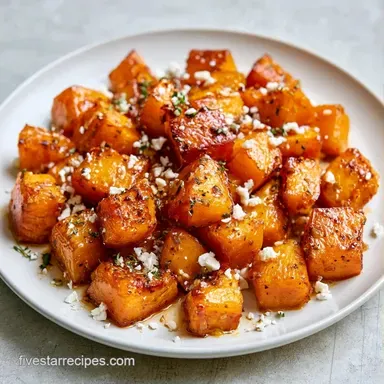
Roasted Butternut Squash Feta Salad
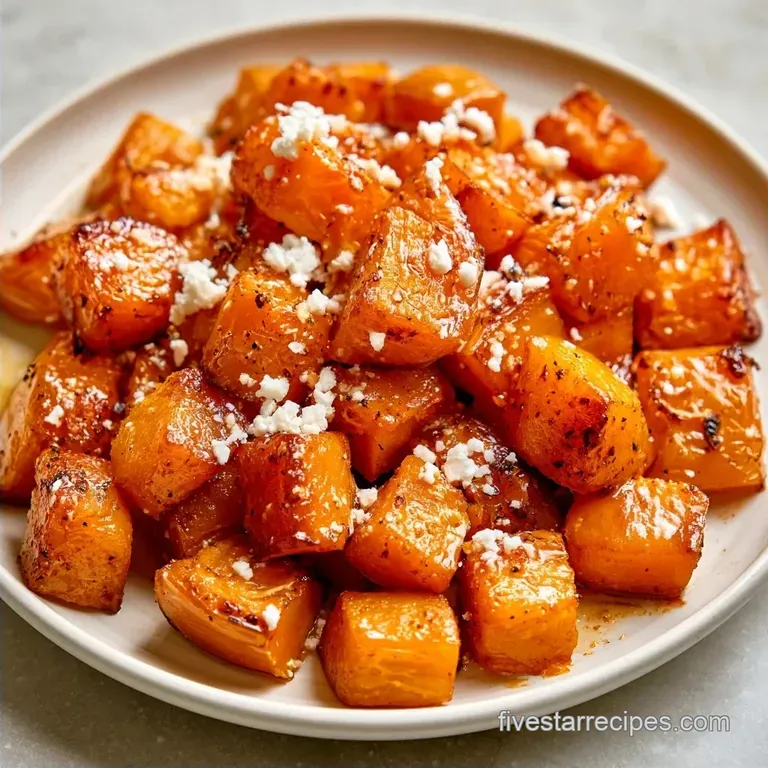
- Time: 15 min active + 25 min roasting
- Flavor/Texture Hook: Tangy maple glaze with a salty, creamy finish
- Perfect for: Festive dinner sides or a nutrient dense weekday lunch
- Butternut Squash Feta Salad
- Why These Flavors Hit
- The Essentials You'll Need
- Ingredient Swaps
- Tools for the Job
- Step by Step Preparation
- Why This Recipe Works
- Quick Decision Shortcut
- Fixing Common Salad Issues
- Storage and Waste Tips
- Squash Prep Realities
- Scaling the Recipe
- Mix and Match Swaps
- Pairing Your Side Dish
- Recipe FAQs
- 📝 Recipe Card
Butternut Squash Feta Salad
The smell of butternut squash roasting in the oven is one of those things that just feels like autumn. I remember trying to make a similar dish years ago and I spent way too much time trying to cut the squash into these perfectly identical, tiny cubes.
I thought the uniformity was the point, but I ended up with mushy, steamed little bits instead of those gorgeous, mahogany colored edges. It was a lesson in trusting the heat and the size of the cut.
Once I stopped obsessing over the shape and started focusing on the sear, everything changed. This Butternut Squash Feta Salad isn't about precision cutting. It's about that contrast between the warm, caramelized squash and the cold, crisp arugula.
The feta adds a briny punch that cuts right through the sweetness of the maple syrup.
You can expect a dish that feels high end but uses basic pantry staples. It's vibrant, fresh, and doesn't require a fancy kitchen to pull off. Trust me, the trick is all in the roasting pan.
If you crowd the pan, you're just steaming the vegetables, and you'll miss out on that deep, nutty flavor that makes this recipe work.
Why These Flavors Hit
High Heat: Roasting at 200°C (400°F) browns the natural sugars in the squash, creating a rich, nutty base.
Acid Balance: The apple cider vinegar and Dijon mustard cut through the richness of the oil and feta.
Texture Contrast: Pairing soft roasted squash with crunchy pepitas and peppery arugula keeps every bite interesting.
| Method | Time | Texture | Best For |
|---|---|---|---|
| Classic Roast | 40 mins | Caramelized & Tender | Dinner Parties |
| Quick Steam | 15 mins | Soft & Clean | Fast Weeknight Lunch |
The Essentials You'll Need
Butternut squash is the star of this dish. I prefer the bell shaped variety whenever possible, as they're typically denser and sweeter. If you're using the long necked type, keep in mind that the neck area can be a bit more fibrous.
Make sure to skip any squash with soft spots or skin that gives way under pressure, as these are no longer fresh.
For the Roast:
- 450g (1 lb) butternut squash, peeled and cubed into 2.5cm (1 inch) piecesWhy this? Offers an earthy, sweet base.
- 30ml (2 tbsp) extra virgin olive oil
- 2.5g (1/2 tsp) kosher salt
- 1g (1/4 tsp) cracked black pepper
- 2.5g (1/2 tsp) garlic powder
For the Maple Vinaigrette:
- 45ml (3 tbsp) extra virgin olive oil
- 15ml (1 tbsp) apple cider vinegarWhy this? Contributes a fruity tartness that complements the squash.
- 15ml (1 tbsp) pure maple syrup
- 5ml (1 tsp) Dijon mustardWhy this? Emulsifies the dressing for a smooth, glossy finish.
For the Assembly:
- 140g (5 oz) baby arugula or mixed spring greens
- 110g (4 oz) feta cheese, crumbled
- 60g (1/4 cup) dried cranberries
- 30g (1/4 cup) toasted pepitas
- 60g (1/4 cup) thinly sliced red onion
| Component | Purpose | Substitute Notes |
|---|---|---|
| Butternut Squash | Main Body | Delicata squash: No peeling needed, slightly nuttier flavor |
| Feta Cheese | Salt/Tang | Goat cheese: Creamier and less salty, but still works |
| Arugula | Peppery Base | Baby spinach: Milder flavor, less "bite" |
| Pepitas | Crunch | Toasted walnuts: Deeper earthiness, slightly more bitter |
Ingredient Swaps
If you don't have maple syrup on hand, honey works just fine. It's a bit thicker and has a more floral note, but it provides the same sweetness to balance the vinegar. If you're avoiding vinegar, a squeeze of fresh lemon juice provides a similar brightness, though you lose that specific "fall" aroma that apple cider vinegar brings.
For the greens, arugula is the gold standard here because its peppery profile stands up to the sweetness of the squash. If you find it too sharp, a mix of spring greens softens the overall taste.
For the crunch, if you can't find pepitas, sunflower seeds are a great budget friendly alternative that provides a similar snap.
| Original Ingredient | Substitute | Why It Works |
|---|---|---|
| Feta Cheese | Goat Cheese | Similar tang. Note: Result is creamier and less crumbly |
| Dried Cranberries | Dried Cherries | Similar tartness. Note: Adds a slightly deeper fruit flavor |
| Arugula | Spinach | Fresh greens. Note: Lacks the peppery kick of arugula |
Tools for the Job
You can keep it simple, though a couple of tools help. A very sharp knife is a must for butternut squash; the skin is hard, and a dull edge can easily slide. If you're not comfortable cutting the squash, pre-cubed store-bought options work, though they are frequently frozen or contain preservatives that can hinder browning.
Use a large rimmed baking sheet. I prefer lining it with parchment paper to stop the squash from sticking and to keep cleanup simple. If you opt for foil, be sure to add a bit more oil so the pieces don't stick to the pan.
For the dressing, I love using a small glass jar with a lid. Rather than whisking in a bowl, you can just shake the ingredients together. This method is quicker and ensures the mustard and maple syrup are perfectly blended with the oil.
Step by step Preparation
Roast the Squash
Preheat your oven to 200°C (400°F). Toss your 450g (1 lb) of cubed butternut squash with 30ml (2 tbsp) of olive oil, salt, pepper, and garlic powder on a parchment lined sheet. Spread them out in a single layer.
Note: If the pieces touch, they'll steam and stay pale rather than browning. Roast for 20-25 minutes, flipping them halfway through, until the edges look mahogany colored and the centers feel tender when poked with a fork.
Mix the Dressing
While the squash is in the oven, grab your jar or bowl. Combine 45ml (3 tbsp) of olive oil, 15ml (1 tbsp) of apple cider vinegar, 15ml (1 tbsp) of maple syrup, and 5ml (1 tsp) of Dijon mustard. Shake or whisk vigorously until the mixture is glossy and thickened.
This is your Butternut Squash Feta Salad dressing, and it should look smooth, not separated.
Assemble the Bowl
In a large mixing bowl, add your 140g (5 oz) of arugula and the sliced red onion. Drizzle about half of the maple vinaigrette over the greens and toss gently. Note: Don't over dress the greens at this stage or they'll wilt before the dish hits the table.
Combine the Elements
Gently fold in the roasted butternut squash while it's still warm, along with the 60g (1/4 cup) of dried cranberries. The warmth of the squash helps the greens soften slightly and allows the flavors to meld.
Final Plating
Transfer the mixture to a wide serving platter. Sprinkle the 110g (4 oz) of crumbled feta and 30g (1/4 cup) of toasted pepitas over the top. Drizzle the remaining dressing over the feta for a polished look.
Why This Recipe Works
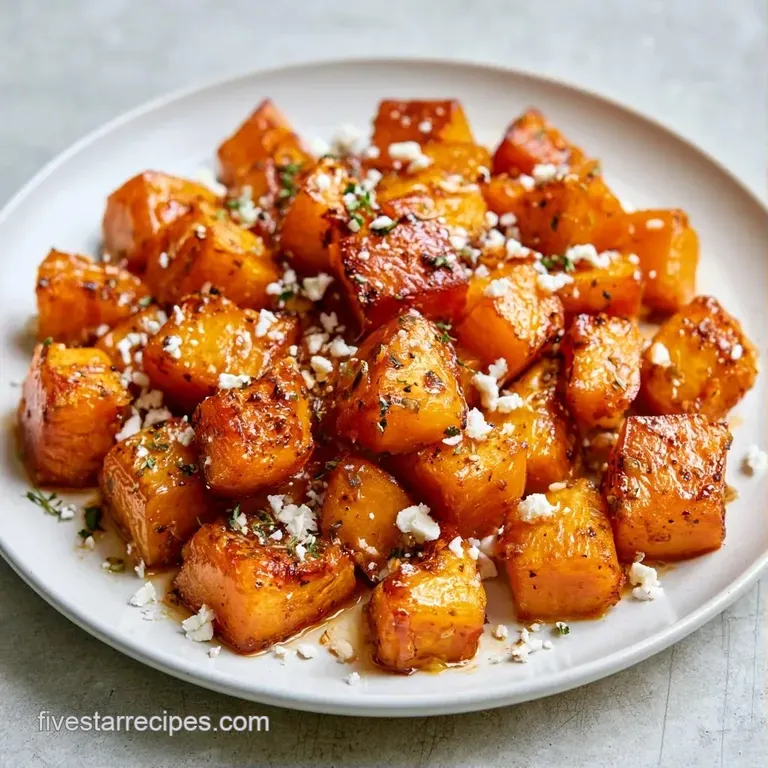
This Butternut Squash Feta Salad succeeds because of the temperature play. Putting warm roasted vegetables on cold greens creates a contrast that feels like a restaurant dish. The fats from the feta and olive oil carry the flavors of the garlic and maple syrup across your palate, while the acid from the vinegar cleanses it between bites.
The use of pepitas is a smart move for texture. They provide a hard, toasted snap that offsets the creamy feta and the soft squash. Without that crunch, the salad would feel one dimensional and overly soft.
Quick Decision Shortcut
- For a citrusy lift, stir in 1 tsp lemon zest.
- For more crunch, add 2 tbsp toasted walnuts.
- For less salt, replace feta with goat cheese.
Fixing Common Salad Issues
Preventing Wilted Greens
If you mix the arugula with the squash immediately after roasting, the intense heat will break down the leaves, resulting in a soggy texture. Let the roasted butternut squash cool for about 5 minutes before folding it in. You want the vegetable to be warm, but not "sizzling" hot.
Repairing a Broken Dressing
If your vinaigrette has separated and oil is floating on top, it simply needs more agitation. Whisk more vigorously or use a small handheld frother for 10 seconds. The Dijon mustard acts as the emulsifier, ensuring the dressing eventually becomes a smooth, pourable liquid.
Enhancing Dull Flavors
If the salad tastes "flat," it is usually due to a lack of acidity. An extra splash of apple cider vinegar or some salt on the feta usually wakes up the dish. Because the maple syrup can sometimes overpower the salad if the squash is very sugary, don't hesitate to add more salt and vinegar for balance.
Storage and Waste Tips
Fridge Storage
If you have leftovers, store the roasted squash and the dressing in separate containers. The arugula and feta should stay in a sealed container with a piece of paper towel to absorb excess moisture. This Butternut Squash Feta Salad is best eaten fresh, but the components will stay good for about 3 days.
When you're ready to eat, toss the cold squash with the greens and dress it then.
Reheating Tips
I don't recommend reheating the whole salad. Instead, if you want the squash warm again, pop the cubes in a toaster oven or air fryer at 180°C (350°F) for 3-5 minutes. This brings back the crisp edges without cooking the greens.
Waste Reduction
Don't throw away the squash seeds! Scoop them out, rinse them, toss them with a bit of oil and salt, and roast them at 150°C (300°F) for 15-20 minutes. They make a great snack or a substitute for the pepitas in this recipe.
Also, any leftover arugula can be blended into a pesto or tossed into a morning omelet.
Squash Prep Realities
There's a common belief that you need to cut squash into perfectly uniform, tiny cubes to get them to cook evenly. This is actually a mistake. When you cut pieces too small, they lose their moisture too quickly and often turn into mush before they can brown.
Larger, roughly 2.5cm (1 inch) chunks provide enough interior moisture to keep the squash tender while the exterior gets that deep caramelization.
Another myth is that you must peel the squash completely. While this recipe calls for peeling to keep the texture consistent, some varieties like Delicata or Honeynut have edible skins.
If you're using a standard butternut, the skin is too tough, but you can save the peels to simmer in a vegetable stock for extra nutrient density.
Scaling the Recipe
Scaling Down
To make a smaller portion, cut all the ingredients in half. Use a smaller baking pan to prevent the squash from spreading and drying out. Since smaller amounts typically cook faster, reduce the roasting time by roughly 5 minutes.
Preparing Larger Quantities
When doubling or tripling this Butternut Squash Feta Salad, avoid the mistake of overcrowding the pan. Putting 2 lbs (// 900g) of squash on one sheet will cause them to steam rather than roast; use two or three separate baking sheets instead.
Regarding the dressing, you don't necessarily need to triple the salt and pepper, as they can become too intense. Scale the liquids by 2x or 3x, then taste the dressing before adding the full amount of salt.
Mix and Match Swaps
You can easily customize the flavors by switching the fruit. While dried cranberries are the traditional choice, pomegranate seeds provide a fresh, juicy pop. Dried apricots offer a chewy texture and a bit more sweetness that pairs beautifully with the feta.
For an alternative greenery, try a blend of arugula and kale. If you use kale, I suggest massaging it with a small amount of salt and olive oil for 2 minutes before mixing in the rest. This softens the tough fibers for a better texture. For more winter themed inspiration, check out this Brussels Sprout Cranberry Salad which features a similar taste profile.
Diet Friendly Adjustments
- Vegan: Use a vegan almond based feta, or simply increase the pepitas and add a squeeze of lime for a salty, zesty finish.
- Nut Free: Pepitas are seeds, but if you are avoiding all seeds, toasted chickpeas are an excellent substitute for the crunch.
- Keto: Omit the dried cranberries and maple syrup. Use a touch of monk fruit sweetener or liquid stevia instead of syrup, and swap the dried fruit for fresh blueberries or cucumber.
Pairing Your Side Dish
This Butternut Squash Feta Salad is versatile enough to work as a light main or a side. Because it's quite rich, it pairs best with lean proteins. A grilled chicken breast or a piece of seared salmon works beautifully. The acidity of the dressing cuts through the fat of the fish, making the whole meal feel balanced.
If you're hosting a vegetarian dinner, serve this alongside a warm lentil loaf or some roasted cauliflower steaks. The saltiness of the feta makes it a great companion for earthy grains. For those who want something heartier, you can easily turn this into a meal by adding a scoop of cooked quinoa. If you like that idea, check out my Butternut Squash Quinoa Salad recipe for a more filling version.
For a holiday spread, this looks great on a large wooden board. Surround the salad with some sliced pears or apple wedges to lean into the autumnal theme. The colors deep orange, bright green, and stark white make it a natural centerpiece for a Thanksgiving or Christmas table.
When serving, I always suggest adding a final crack of black pepper over the top. It adds a tiny bit of heat that wakes up the maple syrup and makes the Butternut Squash Feta Salad feel like it just came out of a professional kitchen.
Keep the serving platter chilled if you're putting it out as part of a buffet to ensure the arugula stays crisp for as long as possible.
Recipe FAQs
How to soften butternut squash before cutting?
Microwave the whole squash for 2-3 minutes until the skin yields slightly. This makes peeling and cubing much safer and easier.
Can I use mixed spring greens instead of baby arugula?
Yes, mixed spring greens work perfectly as a base. They offer a milder flavor than the peppery arugula.
Is it true that squash needs to be roasted at 425°F to caramelize?
False. Roast at 400°F for 20-25 minutes to achieve the desired mahogany color.
What temperature should the oven be for roasting?
Heat your oven to 400°F (200°C), which allows the edges to caramelize perfectly without scorching the centers.
Which seeds can I use if I don't have pepitas?
Use toasted sunflower seeds for a similar crunch. If you enjoyed the texture balance in this dish, see how the same principle works in our sweet potato quinoa salad.
Why is the dressing separating?
The ingredients were not whisked enough to create a stable emulsion. Whisk the oil, vinegar, syrup, and mustard more vigorously until the mixture is glossy.
Does the squash need to be cold before adding to greens?
Fold in the squash while it is still warm. The residual heat slightly wilts the arugula and helps the feta soften.
Butternut Squash Feta Salad