Baked Walleye Pike Recipe with Lemon and Butter
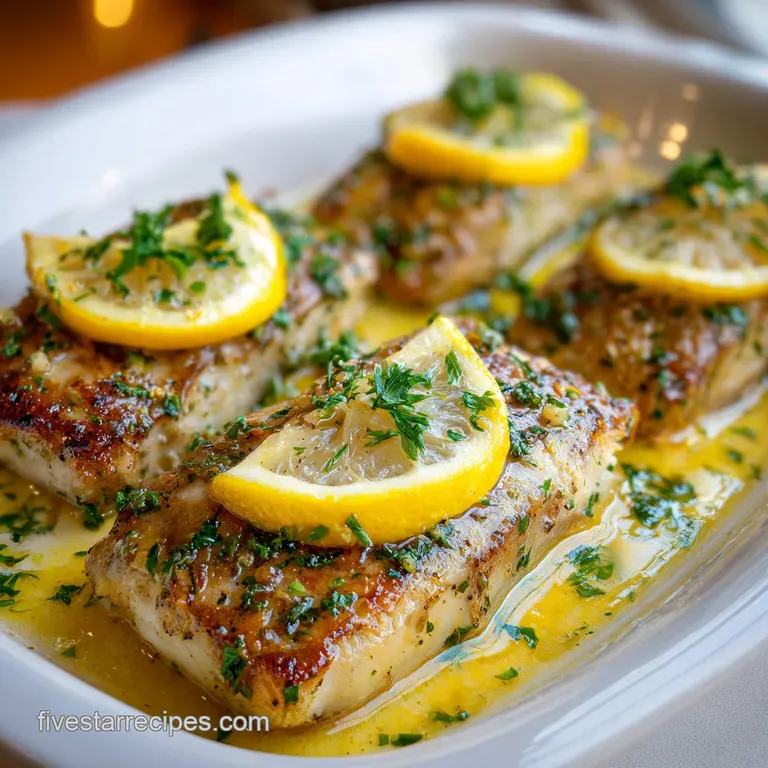
- Time: Active 10 minutes, Passive 12 minutes, Total 22 minutes
- Flavor/Texture Hook: Flaky, buttery, and zesty with a velvety finish.
- Perfect for: Sophisticated dinner parties or a high protein gourmet weeknight meal.
- The Physics of Flawless Flakiness
- Planning Your Dinner Timing
- Elements for a Masterful Finish
- Tools for Culinary Precision
- Executing the Perfect Flash Bake
- Avoiding Common Culinary Missteps
- Variations for Discerning Palates
- Debunking Kitchen Myths
- Preserving Your Delicate Seafood
- Artful Presentation for Occasions
- Recipe FAQs
- 📝 Recipe Card
The Physics of Flawless Flakiness
Protein Denaturation: High heat causes the fish proteins to uncoil and bond, but the butter fat acts as a thermal buffer to prevent tightening. This ensures the fillets remain tender rather than rubbery while the surface achieves a slight, savory sizzle.
Quick Decision Table
| Fillet Thickness | Internal Temp | Rest Time | Visual Cue |
|---|---|---|---|
| 0.5 inch | 145°F | 2 minutes | Flesh turns opaque and separates easily |
| 1 inch | 145°F | 3 minutes | Center is white with no translucent spots |
| 1.5 inches | 145°F | 4 minutes | Large flakes "shatter" when pressed with a fork |
When we talk about the quality of the finish, the carryover heat is your best friend. Even after you remove the pan from the heat, the internal temperature will continue to rise by about 5 degrees, which is why pulling it at the 145°F mark is vital for that silky mouthfeel.
Planning Your Dinner Timing
Managing a multi course meal requires precision, and this fish is the centerpiece that demands your full attention for a brief window. Because the cook time is so short, you’ll want to have your sides perhaps a wild rice pilaf or roasted asparagus ready to go before the fish even touches the heat.
The beauty of this method is its consistency. Unlike pan searing, which requires constant monitoring to prevent burning, the controlled environment of the oven allows for an even heat distribution. This is much like the technique used in my creamy garlic butter recipe for salmon, where the fat creates a protective layer against the dry air of the oven.
Component Analysis
| Ingredient | Science Role | Pro Secret |
|---|---|---|
| Unsalted Butter | Emulsifier & Fat | Use cold butter to slow the melting process for a thicker sauce. |
| Lemon Juice | Protein Denaturant | The acid breaks down tough fibers, adding a bright "top note" to the palate. |
| Smoked Paprika | Maillard Enhancer | Provides a "faux char" look and earthy aroma without over high heat searing. |
| Sea Salt | Moisture Retainer | Brines the surface slightly to keep the interior juices from escaping. |
Elements for a Masterful Finish
To execute this dish properly, you need the right components at your fingertips. We aren't just using "fish and butter"; we are building a flavor profile that resonates. Using a high-quality extra virgin olive oil alongside the butter raises the smoke point and adds a fruity complexity that butter alone lacks.
- 4 walleye pike fillets (6 oz each): Look for clear, firm flesh. Why this? Walleye has a subtle sweetness that pairs perfectly with citrus.
- 1 tsp sea salt: Fine grain for even coverage.
- 0.5 tsp freshly cracked black pepper: Provides a necessary bite.
- 0.5 tsp smoked paprika: Adds a gourmet smokiness.
- 3 tbsp unsalted butter: Gives you control over the sodium.
- 2 tbsp extra virgin olive oil: Prevents the butter from scorching. Why this? Adds a velvety texture to the pan sauce.
- 3 garlic cloves, minced: Essential for the aromatic base.
- 1 large lemon: Use half for juice and half for elegant slices.
- 1 tsp lemon pepper seasoning: Intensifies the citrus profile.
- 2 tbsp fresh parsley, chopped: The final burst of color and freshness.
- 1 tsp lemon zest: Contains the essential oils for maximum aroma.
| Original Ingredient | Substitute | Why It Works |
|---|---|---|
| Walleye Pike | Yellow Perch | Same family; slightly smaller but identical flavor profile and texture. |
| Smoked Paprika | Chipotle Powder | Adds heat along with the smoke. Note: Use half the amount. |
| Unsalted Butter | Ghee | Higher smoke point and nuttier flavor; dairy-free option. |
Tools for Culinary Precision
Having the right equipment is the difference between a master and an amateur. You’ll want a heavy rimmed baking sheet or a ceramic gratin dish. Heavy materials retain heat better, ensuring the bottom of the fish cooks at the same rate as the top.
A digital meat thermometer is non negotiable here. I’ve ruined enough "fresh catches" by guessing the doneness. You also need a microplane for the zest; you want those tiny curls of lemon that disappear into the butter, not large, bitter chunks of pith.
Executing the Perfect Flash Bake
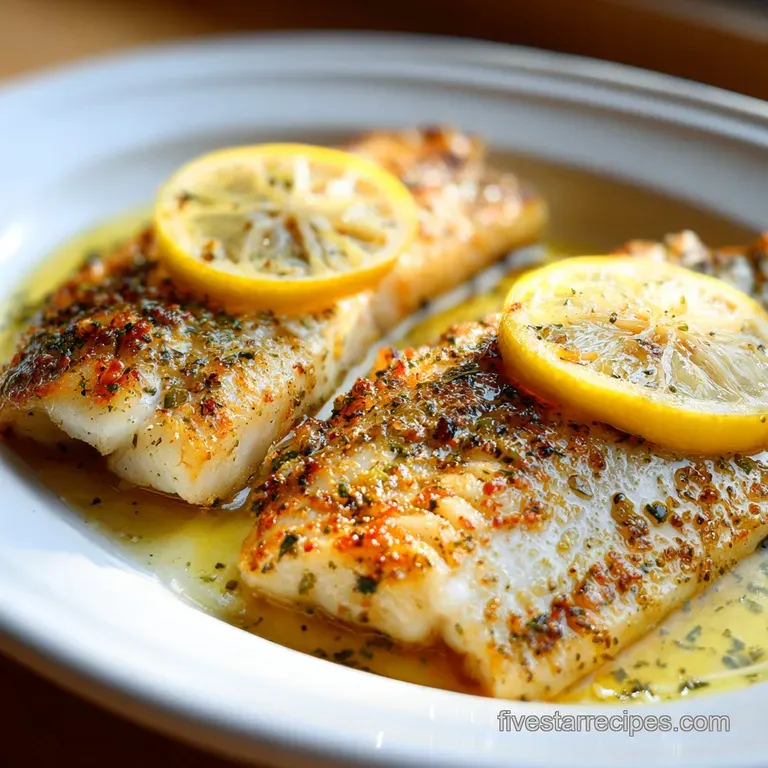
- Preheat the oven to 400°F (200°C). Note: This high temp ensures a quick cook, keeping the fish moist.
- Pat the walleye dry using paper towels. Note: Moisture is the enemy of a good roast; it creates steam instead of a sear.
- Season the fillets evenly with sea salt, black pepper, and smoked paprika.
- Melt the butter with olive oil in a small saucepan over medium heat until it starts to sizzle.
- Whisk in the garlic, lemon juice, and lemon pepper seasoning.
- Arrange the fish in a single layer on your prepared baking sheet.
- Pour the lemon butter mixture over the fillets, ensuring every inch is coated.
- Top with lemon slices and half of the lemon zest.
- Bake for 12 minutes until the fish flakes easily with a fork.
- Garnish with parsley and the remaining zest before serving.
Chef's Tip: Freeze your butter for 10 minutes before whisking it into the lemon juice. This creates a more stable emulsion that clings to the fish rather than running off into the corners of the pan.
Avoiding Common Culinary Missteps
One major error is overcrowding the pan. If the fillets are touching, they will steam each other, resulting in a rubbery texture rather than the "shatter" flake we want. Give them at least an inch of breathing room.
Another pitfall is using bottled lemon juice. Honestly, don't even bother. The bottled stuff has a metallic aftertaste that will ruin the delicate walleye. Always use fresh fruit; the zest alone is worth the effort of the extra step.
Why Your Fish is Tough
The most common reason for tough walleye is overcooking. Fish has very little connective tissue, so once it hits that 145°F mark, the fibers begin to contract and squeeze out all the moisture.
| Problem | Root Cause | Solution |
|---|---|---|
| Fish is dry/tough | Internal temp exceeded 150°F | Use a thermometer and pull at 142°F for carryover. |
| Saturated/Soggy bottom | Pan wasn't preheated | Place the empty baking sheet in the oven while it preheats. |
| Garlic tastes bitter | Garlic was burned | Add garlic to the butter at the very end of the melting process. |
Common Mistakes Checklist
- ✓ Pat the fillets completely dry to ensure the butter and spices adhere properly.
- ✓ Check the internal temperature at the 10 minute mark to avoid overshooting.
- ✓ Use room temperature fish; taking the chill off prevents "shocking" the protein.
- ✓ Don't skip the zest; it holds 80% of the lemon's flavor without the acid.
Variations for Discerning Palates
If you want to move away from the classic profile, you can easily adapt this dish. For a Mediterranean twist, swap the parsley for oregano and add a handful of Kalamata olives and capers to the pan. This adds a briny depth that is absolutely gourmet.
If you are looking for something with a bit more punch, consider a Honey Garlic Glazed recipe approach by adding a tablespoon of honey to the butter mixture. The sugars will caramelize under the high heat, creating a beautiful golden crust that contrasts the white flesh of the walleye.
Adjusting for Scale
- To Scale Down (2 servings): Use a smaller toaster oven sized pan to maintain the depth of the butter pool. Reduce the garlic to 2 cloves but keep the spice measurements the same for flavor.
- To Scale Up (8 servings): Use two separate baking sheets. Do not try to cram 8 fillets onto one pan. Rotate the pans halfway through the 12 minutes to ensure even browning.
Decision Shortcut
- If you want a crispier top, turn on the broiler for the last 90 seconds of cooking.
- If you want a richer sauce, whisk a teaspoon of heavy cream into the lemon butter before pouring.
- If you want a nutnier flavor, brown the butter (beurre noisette) before adding the lemon juice.
Debunking Kitchen Myths
A common misconception is that "fresh is always better." In reality, high-quality flash frozen walleye is often "fresher" than "fresh" fish that has been sitting in a display case for three days. As long as you thaw it slowly in the fridge, the quality is indistinguishable.
Another myth is that you must sear fish in a pan to get flavor. While searing creates a crust, the over high heat convection of a 400°F oven provides enough energy to trigger the Maillard reaction on the surface of the walleye, especially with the addition of smoked paprika and butter.
Preserving Your Delicate Seafood
Baked walleye is best enjoyed immediately, as the delicate fats in the fish can oxidize quickly. However, if you have leftovers, they can be stored in an airtight glass container in the fridge for up to 2 days. To reheat, avoid the microwave at all costs it will turn the fish into a sponge.
Instead, place it in a 300°F oven with a splash of water and a cover until just warmed through.
For zero waste cooking, don't throw away the lemon rinds or any herb stems. Throw them into a freezer bag with any fish scraps (if you started with whole fish). These make a spectacular base for a velvety seafood stock or a "fumet" that you can use for risotto later in the week.
Artful Presentation for Occasions
When serving this for a special occasion, presentation is everything. I like to serve the fillets on a pre warmed white platter. The contrast between the white fish, the golden butter, and the vibrant green parsley is striking.
The Classic Northwoods Pair
- Starch: Wild rice with toasted slivered almonds.
- Vegetable: Pan seared green beans with a hint of nutmeg.
- Wine: A crisp Sauvignon Blanc or a dry Riesling to cut through the richness of the butter.
The Light & Zesty Pair
- Starch: Quinoa salad with cucumber and mint.
- Vegetable: Grilled zucchini ribbons.
- Wine: A chilled Pinot Grigio or even a sparkling Vermentino.
This baked walleye pike recipe with lemon and butter is more than a meal; it's an exercise in culinary restraint. By using high-quality fats and precise timing, you transform a simple catch into a master level entree. Trust the temperature, don't skimp on the zest, and let the natural sweetness of the walleye shine.
Recipe FAQs
What internal temperature must the walleye reach to be perfectly cooked?
145°F. Remove the fish slightly before this mark, as carryover heat will raise the internal temperature by about 5 degrees, ensuring a silky texture.
How do I prevent the butter sauce from separating while baking?
Chill the butter first. Freeze the butter for about 10 minutes before whisking it into the lemon juice to create a more stable emulsion that adheres well to the fillet.
Can I substitute walleye pike with a different white fish?
Yes, Yellow Perch works best. It belongs to the same family and offers an almost identical flavor profile and texture when baked using this method.
How to achieve maximum lemon aroma in the baked dish?
Use both juice and zest. Zest the lemon before juicing and incorporate the zest into the butter mixture and as a final garnish, as the zest holds the essential oils.
Is it true that I must sear the fish before baking for flavor?
No, searing is not mandatory for this recipe. The 400°F oven heat, combined with the smoked paprika, is sufficient to trigger the necessary Maillard reaction for surface flavor.
What is the primary reason the baked walleye turns out rubbery?
The fish was overcooked. Walleye protein tightens rapidly once it passes 145°F; using a thermometer and removing it promptly is the crucial fix.
How should I reheat leftover baked walleye?
Use a low oven. Reheat in a covered dish at 300°F with a small splash of water to restore moisture, avoiding the microwave entirely which ruins the texture.
Baked Walleye With Lemon Butter
Ingredients:
Instructions:
Nutrition Facts:
| Calories | 298 kcal |
|---|---|
| Protein | 32.8 g |
| Fat | 17.3 g |
| Carbs | 1.8 g |
| Fiber | 0.4 g |
| Sugar | 0.3 g |
| Sodium | 735 mg |
