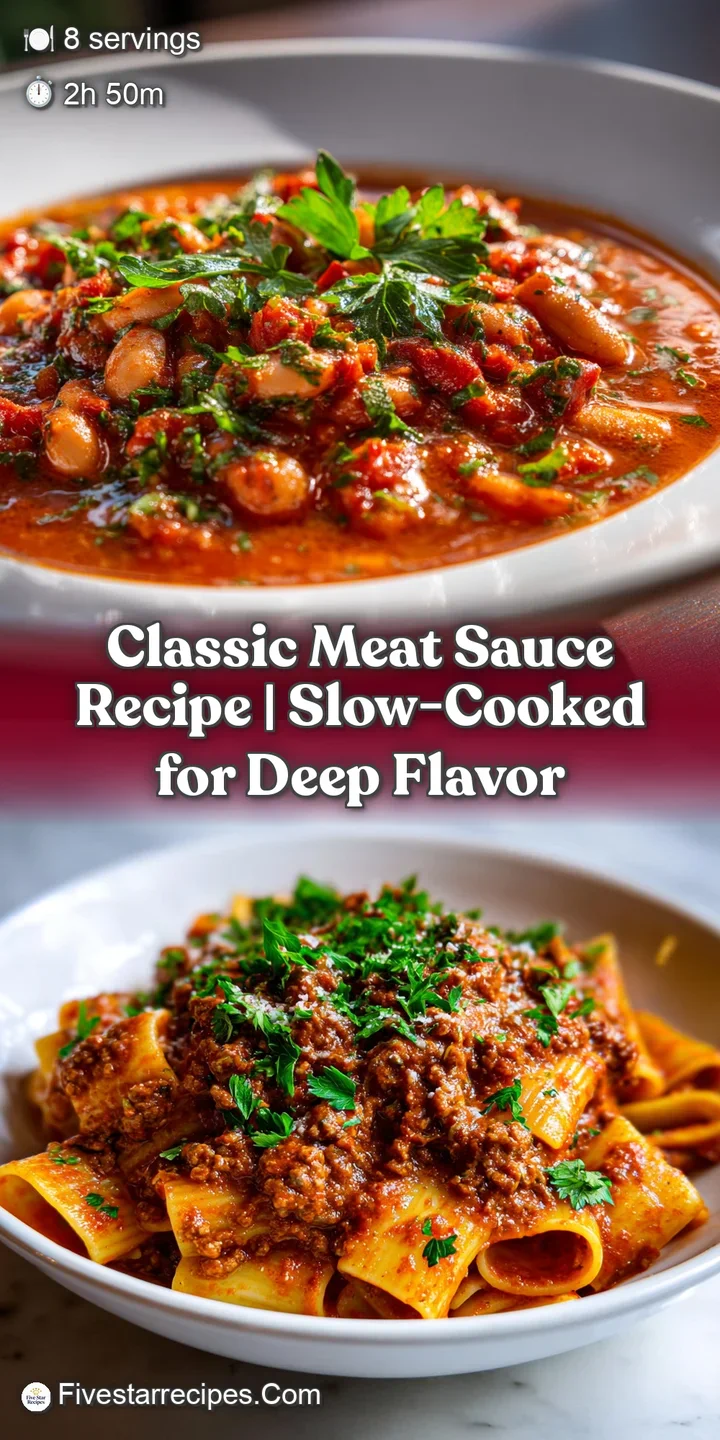
Velvety Italian Meat Sauce Recipe
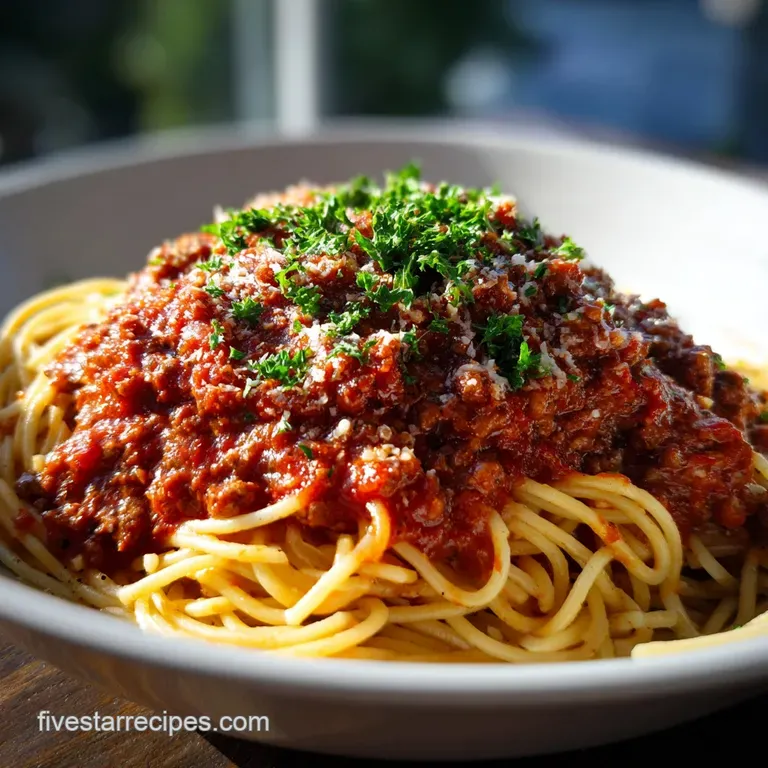
- Time: Active 20 mins, Passive 2 hours 30 mins, Total 2 hours 50 mins
- Flavor/Texture Hook: Silky, savory reduction with melt in-your mouth tender proteins.
- Perfect for: A sophisticated Sunday family dinner or a refined meal prep session.
- Crafting the Ultimate Gourmet Meat Sauce Recipe
- Crucial Scientific Principles for Rich Meat Sauce
- Essential Metrics for a Successful Gourmet Kitchen
- Sourcing Premier Ingredients for the Finest Flavor
- Professional Tools for Mastering Your Slow Roasted Sauce
- Executing the Perfect Step-by-Step Cooking Process
- Resolving Flaws for a Flawless Final Result
- Creative Adaptations for Every Refined Dining Occasion
- Professional Storage and Quality Preservation Methods
- Sophisticated Presentation and Final Color Balance Strategies
- Recipe FAQs
- 📝 Recipe Card
Crafting the Ultimate Gourmet Meat Sauce Recipe
The kitchen transforms when the first batch of beef hits the heavy bottomed pot. There is a specific, rhythmic sizzle that signals the start of something special not the frantic popping of a over high heat sear, but a steady, confident hiss as the fat begins to render.
As the onions, carrots, and celery soften into a translucent soffritto, the aroma becomes intoxicating, filling the house with a warmth that only a slow simmered sauce can provide.
I remember the first time I truly got this right. I used to rush the process, throwing everything together and boiling it for twenty minutes. The result was always a bit watery, with the meat feeling separate from the tomatoes.
But when I finally committed to the two hour simmer, the sauce underwent a physical transformation. It became a singular, cohesive entity glossy, thick, and rich.
We're not just making a meal here; we're creating a centerpiece. This meat sauce recipe is about patience and precision. Whether you are layering this into a Quaker Oats Meatloaf recipe for an unconventional twist or serving it over fresh pappardelle, the technique remains the same. You'll want to pay close attention to the way the wine deglazes the pan, scraping up every bit of that golden brown fond that holds the secret to the depth we're chasing.
Crucial Scientific Principles for Rich Meat Sauce
- Maillard Reaction: Browning the meat at a high temperature creates hundreds of different flavor compounds that don't exist in raw or boiled meat.
- Collagen Breakdown: The long simmer time converts tough connective tissues into gelatin, giving the sauce its characteristic velvety mouthfeel.
- Emulsification: Adding a splash of heavy cream at the end stabilizes the acidity of the tomatoes and binds the fats to the liquid for a glossy finish.
- Soffritto Physics: Grating the carrots and mincing the celery ensures they melt into the sauce, providing sweetness without distracting chunks.
| Cook Method | Prep Time | Texture | Best For |
|---|---|---|---|
| Stovetop | 20 mins | Thick and chunky | Immediate serving; texture control |
| Oven (150°C) | 20 mins | Silky and concentrated | Set it and forget it; even heat |
| Slow Cooker | 15 mins | Very tender/soft | Busy weekdays; high moisture |
There is a distinct difference between a sauce that sits on top of pasta and one that becomes part of it. If you find yourself in a rush, you might consider the Johnny Marzetti Recipe for a faster comfort food fix, but for a true gourmet experience, the stovetop method listed below provides the most control over the reduction process.
Essential Metrics for a Successful Gourmet Kitchen
| Component | Science Role | Pro Secret |
|---|---|---|
| Tomato Paste | Umami Concentrator | Fry it in the fat until it turns rust red to remove the metallic edge. |
| Beef Bone Broth | Liquid Body | Provides a natural gelatin boost that water or standard stock lacks. |
| Heavy Cream | Acid Buffer | Rounds out the sharp tomato notes for a sophisticated, "pink" finish. |
| San Marzano Tomatoes | Texture Foundation | These have fewer seeds and thicker flesh, preventing a watery result. |
- 1. Meat Weight
- Exactly 1.13 kg (total) of combined beef and pork.
- 2. Internal Simmer
- Maintain a constant 85°C to 90°C for the duration.
- 3. Final Reduction
- The sauce is done when a wooden spoon leaves a clean trail on the bottom of the pot.
Sourcing Premier Ingredients for the Finest Flavor
- 907g Ground Beef (80/20)Why this? The 20% fat content is vital for a silky sauce texture.
- Substitute: Ground bison for a leaner, earthier profile.
- 227g Ground PorkWhy this? Adds sweetness and a softer fat that melts beautifully.
- Substitute: Ground veal for a traditional Bolognese style delicacy.
- 1 Large Yellow Onion
- Substitute: Two large shallots for a more delicate, garlicky sweetness.
- 2 Medium Carrots (grated)
- Substitute: Grated parsnip for a spicier, woody undertone.
- 2 Stalks Celery
- Substitute: A pinch of celery salt (reduce kosher salt accordingly).
- 6 Cloves Garlic
- Substitute: 1 tbsp garlic confit for a mellowed, roasted flavor.
- 45ml Tomato Paste
- 800g San Marzano Tomatoes (crushed)
- 237ml Dry Red Wine (like Chianti or Merlot)
- Substitute: 237ml extra beef broth with 1 tbsp balsamic vinegar for acidity.
- 237ml Beef Bone Broth
- 5g Dried Oregano
- 15g Fresh Basil
- 5g Kosher Salt
- 2g Black Pepper
- 60ml Heavy Cream
Chef's Tip: Freeze your tomato paste in 1 tablespoon dollops on a parchment lined tray. Once solid, toss them into a bag. It's an easy way to avoid wasting half a can every time you cook.
Professional Tools for Mastering Your Slow Roasted Sauce
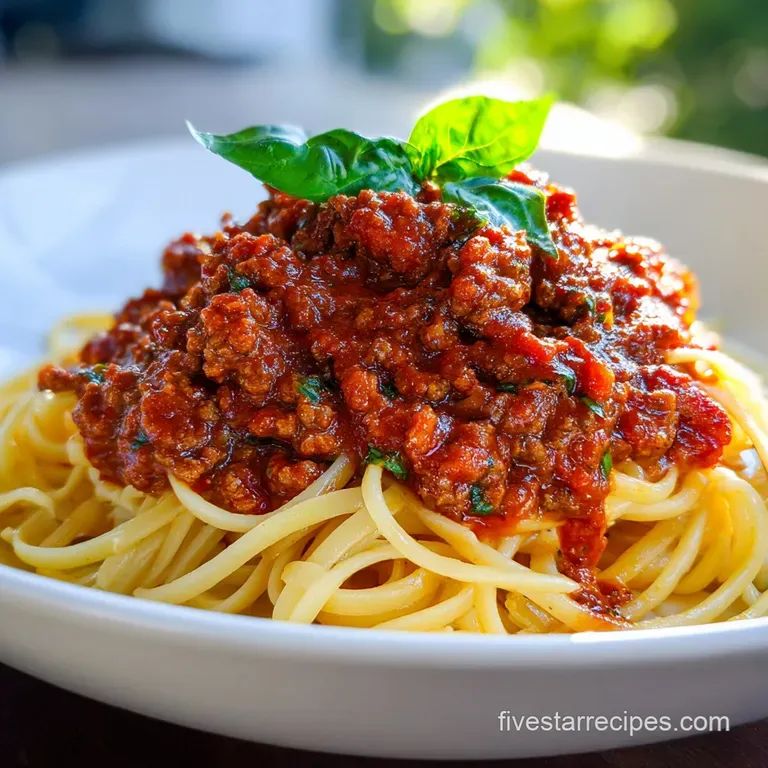
To achieve the best results, use a heavy bottomed Dutch oven (such as a Le Creuset or Lodge). The thick walls distribute heat evenly, which is essential when simmering for over two hours. A standard thin pot will likely create "hot spots" where the sugars in the tomatoes will scorch and turn bitter.
You will also need a fine microplane or grater for the carrots. The goal is for the vegetables to virtually disappear into the sauce, creating a thick base without the distraction of large chunks. If you're looking for a different approach to hearty beef, my Slow Cooker Beef recipe utilizes similar aromatic principles but focuses on whole muscle fibers rather than ground meat.
Executing the Perfect step-by-step Cooking Process
1. Searing the Proteins
Brown the 907g beef and 227g pork in a hot Dutch oven. Note: Work in batches if needed to avoid steaming the meat. Cook 8 mins until deeply browned and crispy.
2. Caramelizing the Aromatics
Remove the meat, leaving the fat. Add onion, carrots, and celery. Cook 10 mins until vegetables are soft and slightly golden.
3. Frying the Paste
Clear a spot in the center and add the 45ml tomato paste. Cook 3 mins until the paste turns a dark mahogany color.
4. The Deglaze Technique
Pour in the 237ml red wine. Note: This lifts the fond (brown bits) off the bottom. Simmer 5 mins until the liquid has reduced by half.
5. Combining the Elements
Add the 800g crushed tomatoes, 237ml bone broth, oregano, salt, and pepper. Return the meat to the pot.
6. The Slow Simmer
Reduce heat to the lowest setting and cover partially. Simmer 2 hours until the sauce is thick and oil begins to separate.
7. Achieving Velvety Texture
Stir in the 60ml heavy cream. Note: This emulsifies the fats for a professional finish. Simmer 5 mins until the color turns a warm, creamy brick red.
8. The Finishing Touch
Turn off the heat and stir in the 15g fresh basil. Let the sauce rest for 10 minutes before serving to allow flavors to settle.
Resolving Flaws for a Flawless Final Result
The Sauce is Too Thin
If your sauce looks watery after two hours, it's usually because the heat was too low or the lid was tightly sealed. The liquid needs an escape route to concentrate the flavors.
| Problem | Root Cause | Solution |
|---|---|---|
| Thin/Watery | Too much lid coverage | Simmer uncovered for 20 mins on medium low. |
| Greasy Surface | Fat didn't emulsify | Stir in 1 tbsp of cold butter or the heavy cream. |
| Bitter Aftertaste | Burnt tomato paste | Add a pinch of sugar or more grated carrot to balance. |
Common Mistakes Checklist
- ✓ Never skip the browning step; gray meat has no flavor.
- ✓ Don't use "cooking wine"; if you wouldn't drink it, don't cook with it.
- ✓ Resist the urge to add water; use bone broth for a richer mouthfeel.
- ✓ Always grate the carrots; large chunks change the sophisticated texture.
- ✓ Let the sauce rest; 10 minutes off the heat makes a huge difference in consistency.
The Meat is Rubbery
This often happens if the meat is boiled rather than seared, or if the beef is too lean. By using an 80/20 blend and searing it properly first, you ensure the proteins remain tender throughout the long cooking process.
Creative Adaptations for Every Refined Dining Occasion
The Slow Cooker Shift
If you want to use a slow cooker, brown the meat and aromatics on the stove first. Transfer everything to the slow cooker with only 120ml of bone broth (slow cookers retain much more moisture). Cook on Low for 6-7 hours.
The Ultra Rich Variation
For an even deeper flavor profile, add two finely minced anchovy fillets to the soffritto. They will melt away completely but provide a massive "umami" boost that makes guests ask what your secret ingredient is.
- For a Spicier Kick
- Add 1 tsp of crushed red pepper flakes during the vegetable sauté.
- For a Glossier Look
- Finish with 30g of cold, unsalted butter stirred in at the very end.
- For Meatballs
- Use this same base but form the meat into balls and sear before simmering.
Professional Storage and Quality Preservation Methods
Storage: Store in an airtight glass container in the fridge for up to 4 days. The flavors actually improve on day two as the aromatics continue to infuse the fats.
Freezing: This sauce freezes beautifully. Store in freezer safe bags for up to 3 months. To reheat, thaw overnight in the fridge and simmer on the stovetop with a splash of water to loosen the texture.
Zero Waste: Don't toss those Parmesan rinds! Toss them into the pot during the simmer phase. They add a nutty, salty depth and can be fished out before serving. Also, use any leftover sauce as a base for a gourmet shakshuka the next morning.
Sophisticated Presentation and Final Color Balance Strategies
Presentation is the final step in elevating this dish from a home meal to a gourmet experience. We focus on three distinct color accents to create visual harmony on the plate:
- Emerald Accent (Fresh Basil): Add chiffonaded basil leaves only at the very end. The bright green contrast against the deep red sauce signals freshness.
- Snow Accent (Parmigiano Reggiano): Use a microplane to create a light, fluffy mound of cheese in the center. The white "snow" breaks up the heavy colors of the sauce.
- Ruby Accent (Chili Oil): A very light drizzle of high-quality chili oil adds a glossy sheen and a pop of vibrant red that catches the light.
When serving, employ the "Mantecare" method: toss your pasta in the sauce with a splash of starchy pasta water before it ever hits the plate. This ensures every nook and cranny is coated in that velvety reduction you worked so hard to create.
Trust me, the extra sixty seconds it takes to marry the pasta and sauce is what separates a cook from a chef.
Recipe FAQs
What are the 4 ingredients in meat sauce?
The core four are ground meat, tomatoes, aromatics (onion/celery/carrot), and wine/broth. While basil and herbs are essential, these four components form the structural base of the sauce’s flavor and body.
What makes meat sauce taste better?
A long, slow simmer time is the absolute best way to deepen the flavor. Browning the tomato paste until it darkens and scraping the fond after searing the meat adds tremendous complexity that you cannot rush.
How to make a simple sauce for meat?
Sear the ground meat vigorously first, drain excess fat, then sauté minced onion and garlic until soft. Stir in a can of crushed tomatoes and simmer uncovered for at least 45 minutes to allow for basic reduction.
What is the difference between meat sauce and bolognese?
Bolognese traditionally requires milk or cream and a higher ratio of soffritto vegetables than standard meat sauce. Bolognese is also simmered much longer, often yielding a finer, more integrated texture, similar to the complexity you aim for in our Sausage Potato Leek recipe due to the slow cooking of the mirepoix.
Should I use beef broth or water as the liquid base?
Always use beef bone broth instead of water. Water dilutes the flavor profile, whereas quality bone broth adds natural gelatin and depth that thickens the sauce beautifully as it reduces, resulting in a far silkier mouthfeel.
Is browning the meat at a high temperature mandatory for flavor?
Yes, browning the meat is mandatory because it initiates the Maillard reaction. This chemical process creates hundreds of new flavor compounds that boiling or steaming the meat simply cannot achieve, forming the foundation of a savory sauce.
How to ensure the sauce is thick enough and not watery?
Simmer the sauce uncovered or partially covered for the final hour. This allows steam to escape, concentrating the tomato solids and gelatin released from the meat, much like concentrating flavors in a reduction for dishes such as our Honey Garlic Glazed recipe.
Velvety Meat Sauce Recipe
Ingredients:
Instructions:
Nutrition Facts:
| Calories | 378 kcal |
|---|---|
| Protein | 33.6 g |
| Fat | 23.4 g |
| Carbs | 7.8 g |
| Fiber | 1.9 g |
| Sugar | 4.2 g |
| Sodium | 615 mg |
