Sticky Gochujang Chicken Thighs

- Prep15 Mins
- Cook20 Mins
- Servings4
- Time: 15 min active + 20 min cooking + 30 min marinating
- Make it when: you want a dinner that feels fancy but takes very little effort
- Pairs with: steamed jasmine rice or sautéed bok choy
Gochujang Chicken Thighs
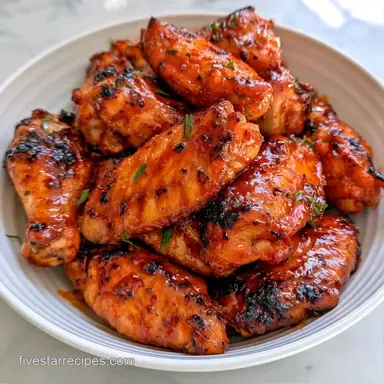
The sound of the meat hitting a hot skillet and the smell of fermented chili and honey caramelizing is the best part of this dish. You get a deep golden brown crust on the outside, while the inside stays tender and juicy.
It's a bold meal that brings the intensity of Korean street food into a home kitchen. The result is a glossy, lacquer-like sauce that balances heat with a touch of fruitiness.
Gochujang Chicken Thighs are great for a Tuesday night that needs to feel like a date night. You only need one pan, so the cleanup is fast.
Why This Method Works
- High-Heat Searing: Browning the meat before adding liquid creates a savory base that simmering alone can't produce.
- Target Internal Temp: While poultry is safe at 165°F, thighs are more tender at 175°F because the collagen breaks down further.
| Cut Style | Cook Time | Texture | Best For |
|---|---|---|---|
| Boneless Thighs | 20 mins | Uniform and tender | Quick weeknight meals |
| Bone-in Thighs | 35 mins | Richer and juicier | Slow-roasting or grilling |
Ingredients and Swaps
- 2 lbs boneless, skinless chicken thighs
- 3 tbsp gochujang Why this? provides the fermented heat and thick body
- 2 tbsp soy sauce
- 2 tbsp honey
- 1 tbsp toasted sesame oil
- 1 tbsp rice vinegar
- 1 tbsp freshly grated ginger
- 3 cloves garlic, minced
- 1 tbsp apple juice
- 1 tsp cornstarch
- 1 tbsp water
- 1 tbsp toasted sesame seeds
- 2 stalks green onions, thinly sliced
| Ingredient | What It Does | Best Swap |
|---|---|---|
| Gochujang | Heat and funk | Miso paste mixed with Sriracha (approximation) |
| Honey | Sticky sweetness | Maple syrup (adds woody notes) |
| Rice Vinegar | Cuts the richness | Apple cider vinegar |
The Basics
The goal is to balance the fermented saltiness of the paste with the sweetness of honey and the acidity of vinegar. If you use a brand of gochujang that is extra spicy, you can add an extra teaspoon of honey to mellow it out.
Since we use honey and gochujang, the sauce has a lot of sugar. This means it can burn if the heat stays too high during the simmering phase. Keep the heat medium-low once the lid goes on.
Tools You'll Need
Use a large skillet made of stainless steel or cast iron. These materials retain heat more effectively than non-stick pans, helping you achieve a deep, dark crust during the searing process. You'll also need a meat thermometer to verify doneness.
Key Steps
Preparing the Protein
Pat the chicken thighs completely dry with paper towels. Removing surface moisture is essential for a proper sear. In a medium bowl, whisk together 3 tbsp gochujang, 2 tbsp soy sauce, 2 tbsp honey, 1 tbsp toasted sesame oil, 1 tbsp rice vinegar, 1 tbsp grated ginger, 3 cloves minced garlic, and 1 tbsp apple juice.
Toss the chicken in the marinade until fully coated and let it rest for 30 minutes.

Searing for Color
Heat a large skillet over medium-high heat with a drizzle of oil. Place the thighs in the pan. Sear each side for 3–5 minutes without moving them until a dark, caramelized crust forms. This step differentiates a generic gochujang chicken thighs recipe from one that tastes like it came from a professional kitchen.

Simmering to Perfection
Reduce the heat to medium-low. Pour the marinade left in the bowl into the pan, cover the skillet, and simmer for 8–12 minutes. Use a thermometer to check that the chicken reaches an internal temperature of 175°F (79°C). The interior should be velvety and tender.
Achieving the Sticky Glaze
Remove the lid and increase the heat to medium. Stir in a slurry made of 1 tsp cornstarch mixed with 1 tbsp water. Toss the chicken in the reducing sauce for 2 minutes until the glaze is thick and glossy.

Finishing Touches
Garnish with 1 tbsp toasted sesame seeds and 2 stalks of thinly sliced green onions. This adds a fresh pop of color and a nutty crunch to the finish.
Fixing Common Problems
If your sauce looks more like a soup than a glaze, you likely didn't reduce it enough at the end. High heat for those final two minutes is what makes the sauce cling to the meat.
When the chicken doesn't brown, it's almost always because the meat was too wet when it hit the pan. Water creates steam, and steam prevents browning. Always pat the meat dry, even after marinating.
Managing Salt Levels
If the dish tastes too salty, it's usually due to the soy sauce or the specific brand of gochujang. A squeeze of fresh lime juice or a splash of water can balance the salt.
Preventing Burnt Sauce
The sugars in honey can turn from caramelized to burnt in seconds. If you see the sauce thickening too quickly or turning black, add a tablespoon of water immediately to drop the temperature.
| Problem | Root Cause | Solution |
|---|---|---|
| Sauce is too thin | Not enough reduction time | Simmer uncovered for 2-3 more minutes |
| Chicken is pale | Meat was damp or pan wasn't hot | Pat dry and use medium-high heat |
| Sauce tastes bitter | Sugars burnt during searing | Add a touch of honey or apple juice |
Keeping It Fresh
Keep leftovers in a sealed container in the refrigerator for up to 4 days, per CDC food safety guidelines.
This recipe freezes well for up to 3 months. Let it thaw overnight in the fridge before reheating. To avoid mushy edges, reheat it in a skillet over medium heat with a splash of water instead of using a microwave, until the chicken reaches 165°F (74°C) in the center.
Plating for Color

The visual appeal of this dish comes from the contrast between the dark meat and the bright garnishes.
Start with a base of white rice for a clean backdrop. The rich brown of the chicken provides the main weight, while the bright green of the sliced onions adds a fresh accent. Finally, the pale ivory of the sesame seeds provides a sharp, tiny contrast against the dark glaze.
Add these garnishes just before the plate hits the table so the onions stay crisp.
Variations and Substitutes
If you want to change the cooking method, a gochujang chicken thighs Oven version works well. Arrange the marinated thighs on a foil-lined tray and bake at 400°F for 25-30 minutes, then brush with the reduced sauce at the end.
For a crunchier result, try gochujang chicken thighs Air Fryer style. Cook them at 380°F for about 15-18 minutes, turning halfway through. Since the air fryer doesn't create a pan sauce, you'll need to simmer the marinade in a small pot separately to make the glaze.
If you're looking for a different side, you could serve this with homemade garlic naan to scoop up the extra sauce.
High in Sodium
813 mg of sodium per serving (35% of daily value)
American Heart Association recommendation: no more than 2,300 mg of sodium per day
Tips to Reduce Sodium
-
Swap Soy Sauce
Replace regular soy sauce with low-sodium soy sauce or coconut aminos to significantly lower the salt content.
-
Adjust Gochujang
Reduce the amount of gochujang and increase the honey or apple juice to balance the flavor profile.
-
Enhance with Acid
Increase the amount of rice vinegar or add a squeeze of fresh lime to provide a brightness that mimics the taste of salt.
-
Boost Fresh Aromatics
Double the amount of freshly grated ginger and minced garlic to add more natural depth and punch to the marinade.
-
Add Pungent Spices
Incorporate crushed red pepper flakes or white pepper to add heat and complexity without relying on sodium.
Frequently Asked Questions
Why does the actual cooking and prep time run much longer than the listed time?
The total time includes a 30-minute resting period for the marinade to penetrate the meat.
Tip: Toss the chicken in the marinade and let it rest while you prepare your garnishes.
What causes the chicken to lose its crispiness after adding liquid to the pan?
Simmering the chicken with a lid on traps steam that softens the caramelized crust.
Tip: Ensure you sear the thighs undisturbed for 3–5 minutes per side before adding any liquid.
Can I use skinless, boneless chicken thighs, and how does the cooking time change?
This recipe is specifically designed for boneless, skinless chicken thighs.
Tip: Pat the chicken completely dry with paper towels to ensure a proper sear.
How much gochujang should I use since brands vary in spiciness?
Use 3 tbsp of gochujang to maintain the intended flavor balance.
Tip: If you enjoy the balance of sweet and savory here, see how we balance a similar profile in our peanut sauce.
How do I thicken the sauce if it seems too thin?
Stir in a slurry made of 1 tsp cornstarch mixed with 1 tbsp water.
Tip: Toss the chicken in the reducing sauce over medium heat for 2 minutes until it is thick and glossy.
Gochujang Chicken Thighs with Honey
Ingredients:
Instructions:
Try These Next

Chicken Fajita Bowls with Lime Rice
Looking for a fresh dinner with Chicken Fajita Bowls? These high-protein bowls use a simple sear…

Creamy Potato Stuffed Chicken: Crispy
Stuffed chicken often ends up dry. Creamy Potato Stuffed Chicken uses a cheesy center to keep meat…

Chicken Veggie Bowl
Want a fresh dinner? This Chicken Veggie Bowl features a zesty tahini dressing and includes a…

Lemon Caper Chicken
For a sophisticated weeknight dinner, try this Lemon Caper Chicken.

Chicken and Vegetables with Romesco
Staggered roasting ensures juicy Chicken and Vegetables. This guide includes a method for how to…

Easy Homemade Soft Naan Bread Skillet Recipe with Garlic Butter
Master our Easy Homemade Soft Naan Bread Skillet Recipe with Garlic Butter.
