Best Peanut Butter Cookies Recipe
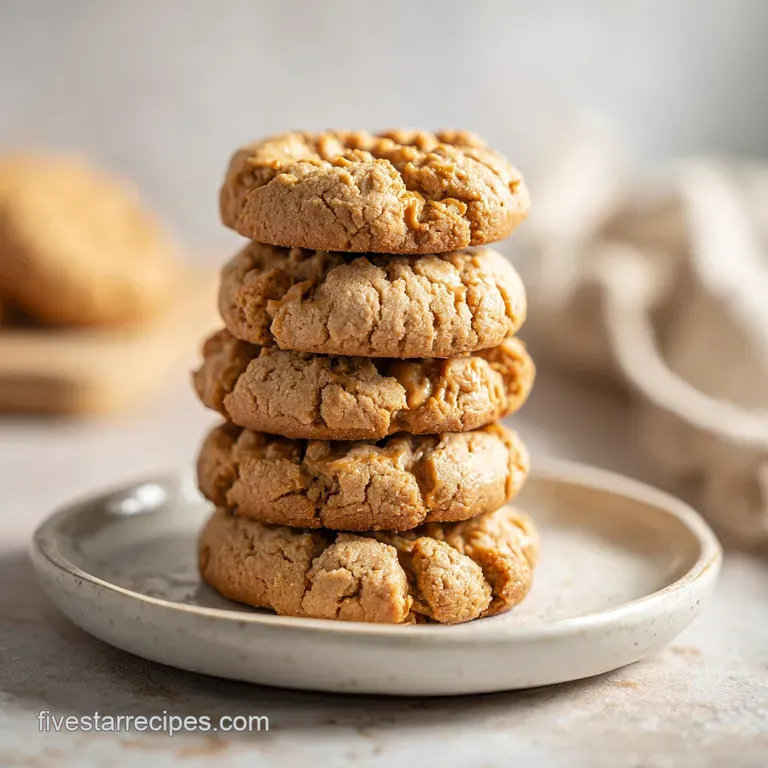
- Time: Active 15 minutes, Passive 10 minutes, Total 25 minutes
- Flavor/Texture Hook: Intense roasted nuttiness with a tender, buttery crumb
- Perfect for: Afternoon snacks, school lunches, or holiday gift boxes
- Creating the Best Peanut Butter Cookies
- The Secret Physics of the Criss Cross
- Precise Metrics for Baking Success
- Analysis of Key Components
- Tools for Professional Results
- Methodical Steps for Perfect Baking
- Correcting Common Baking Failures
- Adapting for Dietary Needs
- Culinary Myths and Realities
- Storage and Waste Management
- Presentation and Serving Techniques
- Recipe FAQs
- 📝 Recipe Card
Creating the Best Peanut Butter Cookies
The first time I tried to bake a batch of peanut butter cookies from scratch, I ended up with a literal puddle of oil on my baking sheet. I had used a "natural" peanut butter that hadn't been stirred properly, and the resulting mess was a greasy, crunchy disaster that didn't resemble a cookie at all.
It was a frustrating afternoon, but it taught me everything I needed to know about the science of emulsion and fat ratios in baking.
That failure led me on a mission to find the perfect formula. I wanted something that had the nostalgia of old fashioned peanut butter cookies but with a more sophisticated, gourmet texture. We've all had those dry, sandy cookies that require a gallon of milk to swallow, but I was determined to create something better.
After dozens of tests, I realized that the secret isn't just in the ingredients, but in how you treat the fats before they ever hit the flour.
Right then, let's get into what actually works. This recipe uses grass fed butter and a mix of natural sweeteners to provide a depth of flavor that a simple sugar cookie just can't match. You are going to get that iconic criss cross pattern, but instead of a brittle bite, you'll find a texture that is silky and rich.
Trust me on this, once you try this specific ratio, you won't go back to those basic 3 ingredient versions.
The Secret Physics of the Criss Cross
Surface Area Expansion: Pressing the dough with a fork increases the surface area exposed to heat, ensuring the dense peanut butter fats cook through evenly without burning the bottom. This mechanical aeration prevents the center from staying raw while the edges crisp up.
- Hygroscopic Sweeteners: Honey and coconut sugar pull moisture from the air even after baking, which keeps the crumb tender and prevents that "sandy" texture common in dry cookies.
- Protein Denaturation: The egg protein sets the structure quickly at 145°F, trapping the air bubbles created during the creaming process before the peanut butter fats can melt and cause spreading.
- Maillard Reaction: The natural sugars in the peanuts caramelize at 330°F (180°C), producing the deep, roasted aroma that defines a five star cookie.
| Cooking Method | Time | Texture Result | Best For |
|---|---|---|---|
| Standard Oven | 10 minutes | Crisp edges, soft center | Classic cookie jars and gifting |
| Cast Iron Skillet | 15 minutes | Fudgy, dense, and gooey | Warm dessert with ice cream |
| Air Fryer | 8 minutes | Extra crunchy and browned | Quick single batch cravings |
Similar to the technique I use in my Peanut Butter Fudge recipe, maintaining a stable temperature for your fats is the difference between a silky finish and a grainy mess. If your butter is too hot, the sugars will simply dissolve into a syrup rather than aerating.
Precise Metrics for Baking Success
To achieve professional results, you need to move away from "eyeballing" your ingredients. Precision is the hallmark of a gourmet baker. For this recipe, I have found that a dough ball weighing exactly 35 grams provides the perfect surface to volume ratio for a 10 minute bake.
If they are too small, they turn into crackers; too large, and the center remains doughy while the edges over caramelize.
| Component | Science Role | Pro Secret |
|---|---|---|
| Peanut Butter | Primary fat and flavor | Use "creamy" for a velvety crumb |
| Grass fed Butter | Emulsifier and moisture | Cold to touch (65°F) for better lift |
| Baking Soda | Leavening and browning | Sift to avoid metallic "hot spots" |
I also recommend using a kitchen scale for the 1 1/2 cups (190g) of all purpose flour. Flour is incredibly easy to over pack into a measuring cup, which is the number one reason homemade peanut butter cookies easy recipes turn out dry.
If you don't have a scale, fluff the flour with a fork before spooning it into the cup.
Analysis of Key Components
- 1 cup (250g) Natural Creamy Peanut Butter: Why this? Provides the structural fat and the essential roasted nutty base. (Substitute: Almond butter for a milder, woodsy flavor).
- 1/2 cup (113g) Grass fed butter, softened: Why this? Higher fat content than standard butter for a richer mouthfeel. (Substitute: Virgin coconut oil, chilled until solid).
- 1/2 cup (100g) Coconut sugar or Brown sugar: Why this? Adds caramel notes and keeps the cookie moist. (Substitute: Granulated sugar for a crispier, flatter cookie).
- 1/4 cup (60ml) Raw honey or Maple syrup: Why this? Acts as a humectant to ensure a soft peanut butter cookies recipe texture. (Substitute: Agave nectar for a neutral sweetness).
- 1 Large egg, room temperature: Why this? Binds the fats and proteins to prevent crumbling. (Substitute: 1 flax egg for a denser, vegan version).
- 1 tsp (5ml) Pure vanilla extract: Why this? Rounds out the saltiness of the nuts. (Substitute: Almond extract for a cherry like finish).
- 1 1/2 cups (190g) All purpose flour: Why this? Provides the gluten framework to hold the cookie's shape. (Substitute: 1:1 gluten-free baking blend).
- 1 tsp (5g) Baking soda: Why this? Reacts with the acidic honey to create lift. (Substitute: 3 tsp baking powder).
- 1/2 tsp (3g) Fine sea salt: Why this? Cuts through the richness and intensifies the peanut flavor. (Substitute: Kosher salt).
Tools for Professional Results
While you don't need a professional laboratory, a few specific tools will ensure your best peanut butter cookies come out consistent every time. I highly recommend a heavy duty stand mixer, such as a KitchenAid, to properly cream the butter and sugars.
This process should take at least 3 minutes; you're looking for the mixture to turn a pale tan color and look fluffy.
You'll also need a sturdy baking sheet (like a Nordic Ware half sheet) and parchment paper. Never grease your cookie sheets with spray or extra butter. This adds unnecessary fat to the bottom of the cookie, causing the edges to "fry" and spread too thin.
A silicone mat is also a great alternative for a perfectly even bake.
Methodical Steps for Perfect Baking
- Preheat your oven to 350°F (180°C). Note: An accurate oven temperature is vital for the initial "puff" of the dough.
- Cream the butter and sugars. Mix the softened butter, coconut sugar, and honey in a stand mixer until light and airy.
- Incorporate the peanut butter. Add the 1 cup of creamy peanut butter and mix until no streaks remain.
- Add the wet ingredients. Beat in the egg and vanilla extract until the mixture looks velvety.
- Whisk the dry essentials. In a separate bowl, combine the flour, baking soda, and sea salt.
- Combine the mixtures. Gradually add the dry ingredients to the wet until a soft dough forms.
- Portion the dough. Roll into 1 inch balls (about 35g) and place 2 inches apart on the parchment.
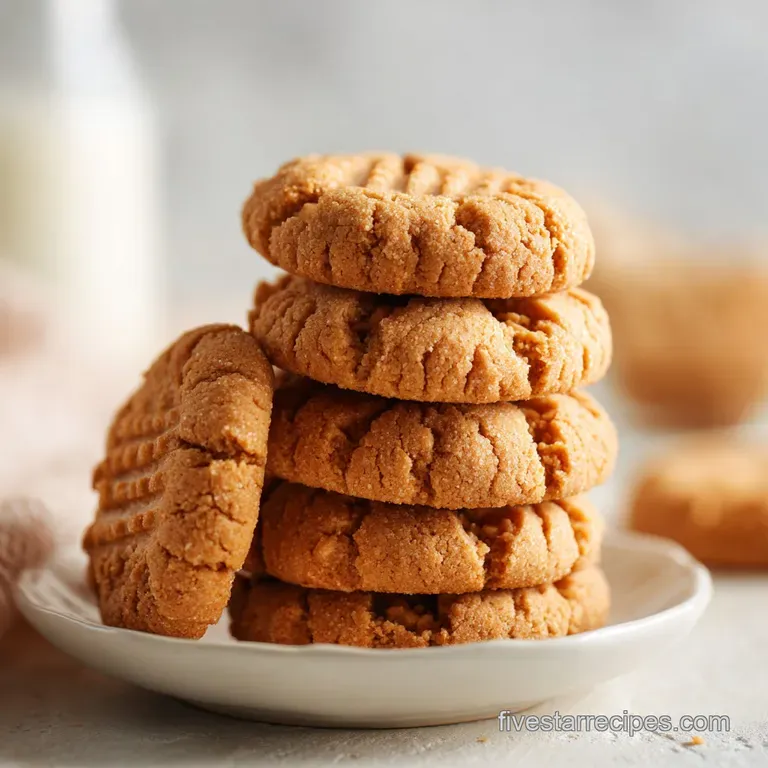
- Apply the criss cross. Press a fork into the top of each ball, then rotate 90 degrees and press again until the edges slightly crack.
- Bake for 10 minutes. Remove from the oven until the edges are golden but centers look soft.
- Cool on the sheet. Let them rest for 10 minutes until they firm up enough to move.
Correcting Common Baking Failures
Solving Thin and Flat Cookies
If your cookies look like pancakes, the most likely culprit is "warm fat." If the butter or the peanut butter was too soft (or melted) when you started, the structure collapses before it can set. Another cause is over creaming the egg, which incorporates too much air that eventually deflates.
Fixing Dry and Crumbly Texture
When the cookies fall apart the moment you touch them, you've likely over baked them or used too much flour. Peanut butter is a "dry" fat, meaning it doesn't provide as much lubrication as pure butter. If you notice the dough is crumbly before baking, add a teaspoon of milk to bring it back together.
| Problem | Root Cause | Solution |
|---|---|---|
| Burnt Bottoms | Dark baking sheets | Use light colored aluminum or silicone mats |
| Greasy Texture | Separated natural PB | Stir peanut butter thoroughly before measuring |
| No Criss Cross | Dough is too sticky | Chill the dough for 20 minutes before pressing |
Common Mistakes Checklist
- ✓ Stir your natural peanut butter until completely homogenous (prevents oil separation).
- ✓ Use room temperature eggs to ensure they emulsify properly with the fats.
- ✓ Avoid over mixing once the flour is added (prevents tough, bready cookies).
- ✓ Use a cookie scoop for uniform size and even baking across the sheet.
- ✓ Never place raw dough on a hot baking sheet from a previous batch.
Adapting for Dietary Needs
Scaling this recipe for a larger crowd is relatively simple, but you must be careful with the leavening agents. If you are doubling the batch to make 48 cookies, do not simply double the baking soda. Use 1.5 teaspoons instead of 2 to avoid a soapy aftertaste.
The flour and peanut butter can be doubled exactly by weight.
For a smaller "treat for two," you can quarter the recipe. Since it's hard to use a quarter of an egg, I recommend whisking a whole egg in a small bowl and using exactly 1 tablespoon of the liquid. This maintains the precision required for the soft peanut butter cookies recipe texture without making the dough too wet.
For a unique flavor twist, you can try the "salty sweet contrast" by topping the cookies with a pinch of Maldon salt right as they come out of the oven. If you're feeling adventurous, serving these alongside a bowl of Cookie butter ice recipe creates a five star dessert experience that balances the warm cookie with a cold, creamy finish.
Culinary Myths and Realities
Many people believe that "chilling the dough" is an optional step. While some recipes allow for immediate baking, with natural peanut butter, chilling for 30 minutes is a foolproof way to prevent spreading.
It allows the flour to fully hydrate and the fats to solidify, resulting in a much thicker, more substantial cookie.
Another common misconception is that the fork marks are purely for decoration. In reality, peanut butter dough is much denser than standard chocolate chip dough. Without those fork indentations to flatten the ball, the heat would take too long to reach the center, leaving you with a burnt exterior and a raw, doughy middle.
The "criss cross" is a functional engineering requirement!
Storage and Waste Management
Storage: These cookies stay fresh in an airtight container at room temperature for up to 5 days. For long term storage, they freeze beautifully. Place them in a single layer on a tray to freeze solid, then transfer to a heavy duty freezer bag for up to 3 months.
To reheat, simply pop one in the microwave for 10 seconds to restore that "just baked" softness.
Zero Waste: If you end up with broken cookies or crumbs at the bottom of the jar, don't throw them away. I love to pulse them in a food processor and use them as a base for a cheesecake crust or as a crunchy topping for yogurt parfaits.
You can even stir the crumbs into a batch of brownie batter for an added layer of texture.
Presentation and Serving Techniques
When serving your best peanut butter cookies, aesthetics matter as much as the bake. Arrange them on a wooden board or a white ceramic platter to let the golden brown color pop. For a gourmet touch, drizzle a small amount of melted dark chocolate over half of each cookie and let it set.
I personally love serving these with a glass of cold almond milk or a strong espresso. The bitterness of the coffee perfectly offsets the rich, nutty sweetness of the honey and coconut sugar.
If you are gifting them, stack them in a glass mason jar tied with a piece of rustic twine it looks professional and keeps them airtight and crispy for the recipient.
Recipe FAQs
What is Snoop Dogg's cookie recipe?
No, this recipe is not Snoop Dogg's. This formula focuses on achieving an intensely roasted nut flavor with a velvety, soft center, prioritizing fat emulsion over simple three ingredient mixes.
Who makes good peanut butter cookies?
A good baker using precise measurements makes the best cookies. Consistency comes from weighing your flour and ensuring your fats (butter and peanut butter) are at the correct temperature before mixing.
What is the #1 cookie in the world?
There is no official metric, but the classic peanut butter cookie is consistently ranked highly for nostalgia. This recipe aims to elevate the classic formula by using coconut sugar and grass fed butter for a more complex flavor profile.
What are the common peanut cookie mistakes?
The most common mistake is using warm butter or skipping the initial creaming step. This causes the dough to spread into a thin, greasy disc rather than puffing correctly.
How do I prevent my peanut butter cookies from being too dry?
Incorporate a liquid humectant like honey or maple syrup into the wet ingredients. These sugars actively pull moisture from the air post bake, ensuring the crumb stays tender for days, similar to the balancing act required in our Sauteed Baguio Beans recipe where moisture retention is key.
Why do my cookies spread too much during baking?
Your dough was too warm before it entered the oven, causing the fat to immediately melt. Chill the dough balls for 30 minutes before applying the fork marks; this firming process slows the spread while the leavening agents begin to work.
Should I substitute natural peanut butter with commercial, stabilized peanut butter?
No, avoid stabilized peanut butter in this specific recipe. Stabilizers add extra sugars and hydrogenated fats that disrupt the precise fat-to-flour ratio we rely on for a tender, non-greasy cookie.
Soft Peanut Butter Cookies
Ingredients:
Instructions:
Nutrition Facts:
| Calories | 153 kcal |
|---|---|
| Protein | 3.7 g |
| Fat | 9.3 g |
| Carbs | 15.2 g |
| Fiber | 0.8 g |
| Sugar | 7.1 g |
| Sodium | 125 mg |
