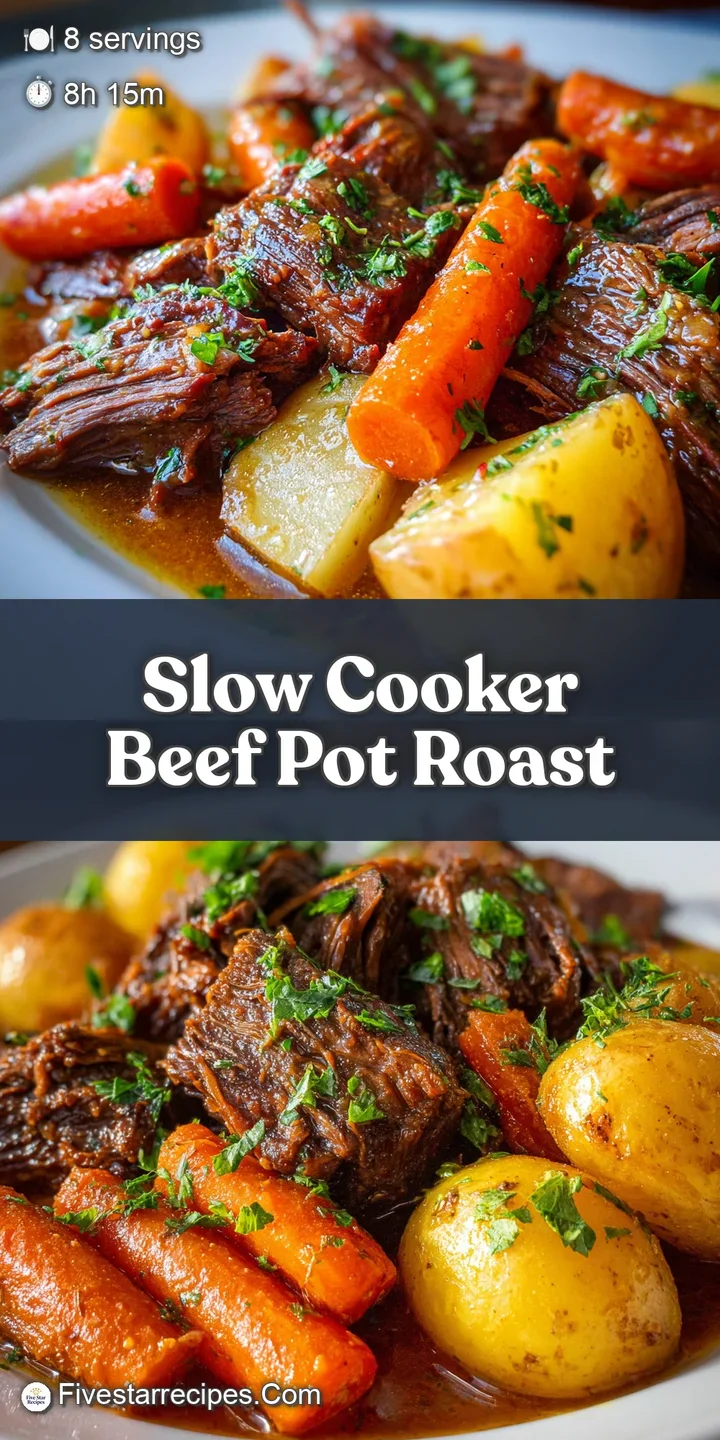
Slow Cooker Beef Pot Roast Recipe: Balsamic Braise
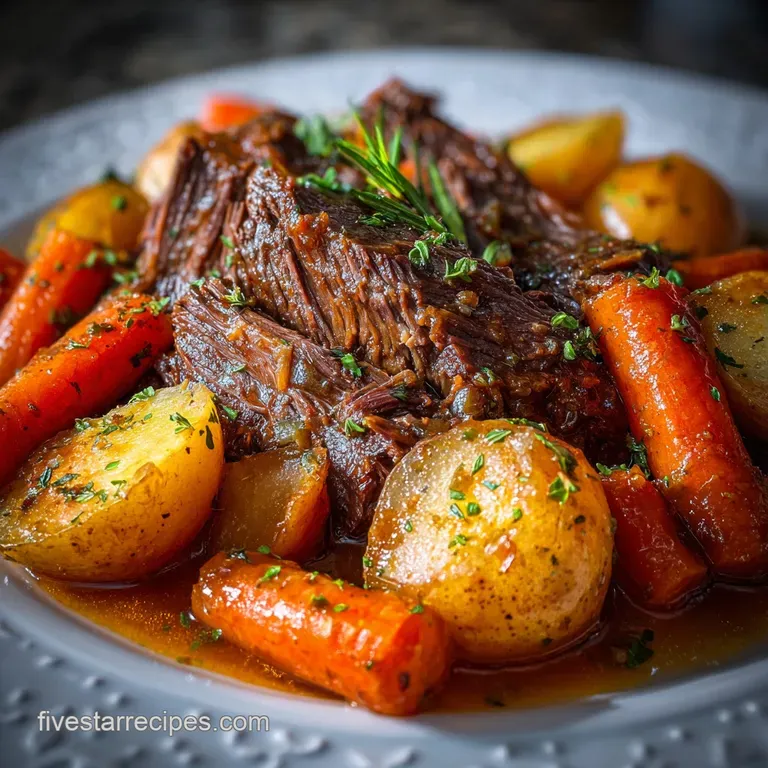
- Time: Active 15 minutes, Passive 8 hours, Total 8 hours 15 minutes
- Flavor/Texture Hook: Velvety, melt in-the mouth beef with a savory, mahogany glaze
- Perfect for: Sophisticated Sunday dinner or effortless weekend meal prep
- The Science of the Velvet Yield
- Vital Precision Measurements for Your Slow Roasted Meal
- The Sophisticated Components of a Gourmet Braised Dinner
- Essential Precision Tools for Slow Cooker Success
- The Technique for Achieving a Velvety Braised Finish
- Correcting Common Texture and Flavor Balance Discrepancies
- Sophisticated Ingredient Adaptations for Creative Culinary Flare
- Preserving Quality and Practicing Zero Waste Cooking
- Elegant Accompaniments for Your Completed Beef Roast
- Recipe FAQs
- 📝 Recipe Card
The Science of the Velvet Yield
Understanding the "how" behind the slow cooker beef pot roast recipe ensures you never end up with a tough result again.
- Collagen Metamorphosis: The chuck roast is high in connective tissue (collagen), which, when held at low temperatures for 8 hours, physically transforms into gelatin, providing that signature silky mouthfeel.
- Balsamic Catalysis: The acetic acid in balsamic vinegar serves as a gentle tenderizer, breaking down surface proteins while adding a sophisticated acidic counterpoint to the heavy fats.
- The Maillard Foundation: Searing the meat before slow cooking creates complex flavor compounds that cannot be replicated by the slow cooker alone, deepening the color and taste of the entire jus.
- Starch Gelatinization: Yukon Gold potatoes contain a specific starch ratio that allows them to absorb the braising liquid without losing their structural integrity over long cook times.
| Thickness of Cut | Internal Temperature | Rest Time | Visual Finished Cue |
|---|---|---|---|
| 2.5 inches | 205°F | 15 minutes | Meat yields to a fork with zero resistance |
| 3.0 inches | 208°F | 20 minutes | Connective tissue appears translucent and soft |
| 3.5 inches | 210°F | 20 minutes | Roast begins to naturally separate into segments |
The thickness of your chuck roast dictates how quickly the center reaches the gelatin conversion point. While a standard meat thermometer might suggest beef is "done" at 145°F, a pot roast requires significantly higher internal temperatures to ensure the collagen has fully transitioned into a velvety liquid state.
Vital Precision Measurements for Your Slow Roasted Meal
Precision is the hallmark of a gourmet cook. Before we begin, ensure your measurements are exact to maintain the balance of the braising liquid.
| Component | Science Role | Pro Secret |
|---|---|---|
| Beef Chuck Roast | Primary Protein & Fat Source | Choose "Choice" or "Prime" grade for superior intramuscular marbling. |
| Balsamic Vinegar | Acidic Tenderizer | Use a traditional aged vinegar to add sweetness without harsh acidity. |
| Beef Bone Broth | Solvent & Flavor Base | Bone broth provides natural gelatin for a thicker, more luxurious sauce. |
| Yukon Gold Potatoes | Structural Carbohydrate | Their waxy nature prevents them from becoming grainy during the long simmer. |
The interaction between the bone broth and the balsamic vinegar creates a sophisticated base that avoids the salt heavy profile of traditional store-bought mixes. By using bone broth specifically, you're introducing additional protein and minerals that clarify into a beautiful, clear jus as the roast rests.
The Sophisticated Components of a Gourmet Braised Dinner
Selecting the right elements is the first step in mastering this pot roast recipe. Quality over quantity is our mantra here.
- 3 lbs beef chuck roast, well marbled: Why this? The fat content is essential for moisture during the long, dry heat transition. (Substitute: Beef Brisket - denser but equally flavorful).
- 1 tsp sea salt: Why this? Enhances the natural beefiness without the metallic aftertaste of table salt. (Substitute: Kosher salt).
- 1 tsp cracked black pepper: Why this? Provides a sharp, aromatic bite to the crust. (Substitute: White pepper for milder heat).
- 2 tbsp avocado oil: Why this? High smoke point allows for a deep sear without burning the oil. (Substitute: Grapeseed oil).
- 1.5 lbs Yukon Gold potatoes, halved or quartered: Why this? They hold their shape better than Russets in a slow cooker. (Substitute: Red bliss potatoes).
- 1 lb carrots, peeled and cut into 2 inch chunks: Why this? Large chunks prevent them from turning into a puree. (Substitute: Parsnips).
- 1 large yellow onion, thick wedges: Why this? Provides a sweet, aromatic base for the sauce. (Substitute: White onion).
- 4 cloves garlic, smashed: Why this? Releasing the oils via smashing provides a more mellow garlic flavor. (Substitute: 1 tsp garlic powder in a pinch).
- 1.5 cups low sodium beef bone broth: Why this? Adds body and richness to the final gravy. (Substitute: Beef stock).
- 2 tbsp balsamic vinegar: Why this? Brightens the dish and cuts through the richness of the beef fat. (Substitute: Red wine vinegar).
- 1 tbsp Worcestershire sauce: Why this? Adds a complex, fermented umami depth. (Substitute: Soy sauce).
- 2 sprigs fresh rosemary: Why this? Its piney notes complement the beef beautifully. (Substitute: 1 tsp dried rosemary).
- 3 sprigs fresh thyme: Why this? Adds a subtle, earthy floral note. (Substitute: 1/2 tsp dried thyme).
- 1 dried bay leaf: Why this? Provides a subtle background bitterness that balances the sweetness of the carrots.
Essential Precision Tools for Slow Cooker Success
Having the right equipment ensures that the techniques, such as the over high heat sear, are executed flawlessly.
- 6 quart Slow Cooker: A standard size such as a Crock Pot or Hamilton Beach model is necessary for even heat distribution.
- Cast Iron Skillet: Essential for the initial sear; a heavy bottomed pan like a Lodge skillet retains heat better than stainless steel.
- Tongs: To handle the roast without piercing the meat and losing precious juices.
- Measuring Cups and Spoons: Precision ensures the balsamic and Worcestershire ratios remain balanced.
- Chef’s Knife: For clean, uniform cuts on the carrots and potatoes.
Chef’s Note: If you don't have a cast iron skillet, use the heaviest stainless steel pan you own. Avoid non stick pans for searing, as they cannot reach the temperatures required to trigger the Maillard reaction properly.
The Technique for Achieving a Velvety Braised Finish
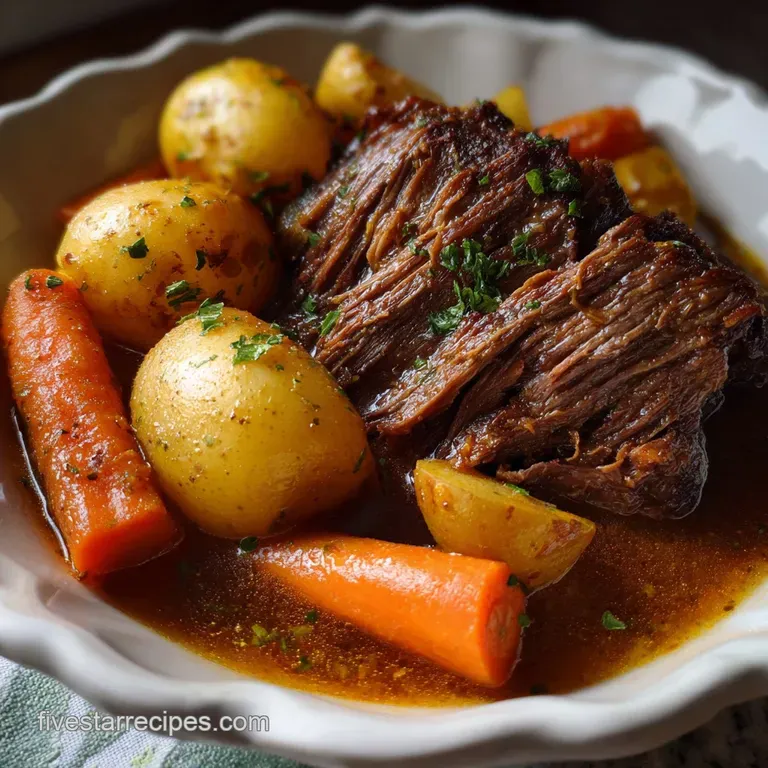
Follow these steps with care. Each action is designed to build layers of flavor that culminate in a masterpiece.
- Season the beef. Pat the 3 lbs beef chuck roast dry with paper towels and coat thoroughly with 1 tsp sea salt and 1 tsp cracked black pepper. Note: Moisture on the surface prevents the meat from browning.
- Sear the roast. Heat 2 tbsp avocado oil in a skillet over high heat until the oil shimmers and wisps of smoke appear.
- Brown all sides. Place the beef in the pan and cook for 4-5 minutes per side until a dark, mahogany crust forms.
- Sauté the aromatics. Remove the beef and briefly toss the 4 smashed garlic cloves and 1 large yellow onion into the pan for 1 minute until they become fragrant and golden.
- Deglaze the skillet. Pour a splash of the 1.5 cups beef bone broth into the hot pan, scraping the bottom with a wooden spoon until the browned bits (fond) are released.
- Layer the vegetables. Place the 1.5 lbs Yukon Gold potatoes and 1 lb carrots into the bottom of the slow cooker.
- Assemble the braise. Set the seared roast atop the vegetables and pour over the remaining beef bone broth, 2 tbsp balsamic vinegar, and 1 tbsp Worcestershire sauce.
- Add the herbs. Tuck the 2 sprigs rosemary, 3 sprigs thyme, and 1 bay leaf into the liquid.
- Slow cook. Cover and cook on low for 8 hours until the beef is fork tender and the aroma fills the room.
- Rest and serve. Remove the roast and let it rest on a cutting board for 15 minutes before slicing or shredding. Note: This allows the fibers to reabsorb the juices.
Correcting Common Texture and Flavor Balance Discrepancies
Even the most experienced home cooks encounter variables like altitude or specific slow cooker temperatures that can alter the outcome.
Why Your Beef is Still Tough
If after 8 hours the beef feels "rubbery" rather than "velvety," it simply hasn't reached the temperature where the collagen melts. This often happens if the slow cooker was opened frequently, letting out heat.
The Sauce is Too Thin
Sometimes the vegetables release more moisture than expected, resulting in a watery jus. This can be corrected by simmering the liquid in a saucepan after cooking to reduce it by half.
Overcooked Vegetable Texture
If the carrots or potatoes have lost their shape, they were likely cut too small. Aim for large, rustic chunks to ensure they survive the long simmer.
| Problem | Root Cause | Solution |
|---|---|---|
| Tough meat | Insufficient time or temperature | Cook for an additional 45-60 minutes on low. |
| Greasy liquid | High fat content in the chuck | Chill the liquid and skim the fat, or use a fat separator. |
| Bland flavor | Lack of salt or acidity | Add a splash more balsamic vinegar or a pinch of sea salt before serving. |
Common Mistakes Checklist
- ✓ Never skip the sear; it provides 80% of the flavor profile.
- ✓ Avoid the "high" setting if you have the time; "low" results in a superior texture.
- ✓ Don't add flour early on; it can burn at the bottom and cloud the flavors.
- ✓ Resist the urge to lift the lid; every peek adds 15-20 minutes to the cook time.
- ✓ Use Yukon Golds over Russets to prevent a "grainy" vegetable experience.
Sophisticated Ingredient Adaptations for Creative Culinary Flare
While this roast is a masterpiece in its classic form, you may wish to adapt it for specific dietary needs or flavor profiles.
- If you want a deeper, darker sauce, add 1 tbsp of tomato paste to the skillet when sautéing the garlic.
- If you want a brighter, citrusy finish, zest a lemon over the beef just before serving.
- If you want a smokier profile, swap the sea salt for smoked Maldon sea salt.
| Method | Time | Texture | Best For |
|---|---|---|---|
| Slow Cooker | 8 hours 15 mins | Silky and yielding | Maximum flavor infusion with zero effort. |
| Stovetop Dutch Oven | 3 hours 30 mins | Slightly firmer | A quicker result with more liquid reduction. |
| Standard Oven (300°F) | 3 hours 45 mins | Classic braised crust | Traditional Sunday dinner feel. |
The slow cooker method remains the gold standard for this specific beef pot roast recipe because the enclosed environment prevents the moisture from escaping, which is critical for the long term collagen breakdown.
Preserving Quality and Practicing Zero Waste Cooking
Storing a pot roast correctly is essential to maintaining the integrity of the beef's texture.
Storage: Place leftovers in an airtight container, ensuring the beef is submerged in the remaining jus. This prevents the exterior from drying out. It will stay fresh in the refrigerator for up to 4 days.
Freezing: You can freeze the beef and carrots in the jus for up to 3 months. I recommend freezing the potatoes separately or eating them fresh, as their texture can become somewhat spongy after thawing.
Zero Waste: Don't discard the leftover braising liquid. It is a concentrated beef essence that makes an incredible base for a French Onion soup or can be reduced further to create a rich gravy for mashed potatoes. The herb stems can be saved in a freezer bag for your next batch of homemade beef stock.
Elegant Accompaniments for Your Completed Beef Roast
Presentation is the final step in creating a special occasion meal.
To maintain a sophisticated color balance, I recommend adding three specific garnish accents just before serving. First, a heavy dusting of freshly chopped flat leaf parsley provides a vibrant emerald green that contrasts beautifully against the mahogany beef.
Second, a few curls of fresh horseradish add a bright white highlight and a sharp kick. Finally, a sprinkle of pomegranate seeds can offer a surprising ruby red pop and a burst of acidity that cuts through the richness.
This dish pairs exquisitely with a full bodied Cabernet Sauvignon or a malty Stout. For a side, consider a simple crusty baguette or a side of steamed green beans with slivered almonds to provide a crunch that contrasts the velvety texture of the roast.
| Feature | Stovetop Braising | Oven Roasting |
|---|---|---|
| Heat Source | Direct bottom heat | Ambient surrounding heat |
| Moisture Loss | Moderate | High (if not covered) |
| Active Time | 30 minutes | 20 minutes |
Ultimately, whether you are serving this for a quiet Sunday or a gathering of friends, the key is the patience you show the ingredients. The slow cooker beef pot roast recipe isn't just a meal; it's a testament to the beauty of slow cooked, thoughtful cuisine.
Common Pot Roast Concerns
Can I use a leaner cut like Eye of Round? It is not recommended. Leaner cuts lack the collagen and intramuscular fat necessary to stay moist during an 8 hour cook. They often become "stringy" and dry. Stick with Chuck or Brisket for that master level result.
Does searing really make a difference in the slow cooker? Absolutely. Searing creates the Maillard reaction, which produces hundreds of different flavor compounds.
Without it, the roast will taste "boiled" rather than "braised." It is the most important 10 minutes of the entire process.
Why are my carrots still hard after 8 hours? This usually occurs if the carrots were placed on top of the meat rather than submerged or at the bottom near the heating element. Always place your hard root vegetables at the bottom of the slow cooker for even cooking.
Recipe FAQs
Is the initial high heat sear necessary for flavor development?
Yes, it is critical. Searing triggers the Maillard reaction, creating deep, mahogany crust flavors that the slow cooker cannot replicate alone.
How long must the chuck roast cook to achieve a melt-in-the-mouth texture?
Cook on low for a minimum of 8 hours. This extended time is required for the tough collagen fibers to break down and transform into smooth, silky gelatin.
Can I substitute Russet potatoes for Yukon Golds in this recipe?
No, stick to Yukon Golds or red potatoes. Russets have a higher starch content, causing them to break down and turn grainy during the long, slow cooking process.
How to properly thicken the braising liquid into a rich gravy?
Remove the liquid and reduce it on the stovetop. After removing the meat, simmer the remaining jus vigorously until it reduces by half and coats the back of a spoon, or whisk in a cornstarch slurry.
Is using balsamic vinegar solely for tanginess?
No, it also acts as a tenderizer. The acetic acid gently breaks down surface proteins while the sugars balance the savory richness of the beef and broth.
What internal temperature signals the pot roast is truly ready?
Aim for 205°F to 210°F, not the typical 145°F. Traditional safe temperatures are too low; pot roast requires these higher temperatures for complete collagen conversion into gelatin.
How to prepare the beef roast before placing it in the slow cooker?
Pat the roast completely dry and sear it aggressively on all sides. Season it well with salt and pepper, then brown the exterior in a very hot skillet until a deep mahogany crust forms.
Slow Cooker Pot Roast
Ingredients:
Instructions:
Nutrition Facts:
| Calories | 422 kcal |
|---|---|
| Protein | 43.5 g |
| Fat | 14.8 g |
| Carbs | 23.4 g |
| Fiber | 3.8 g |
| Sugar | 4.6 g |
| Sodium | 585 mg |
