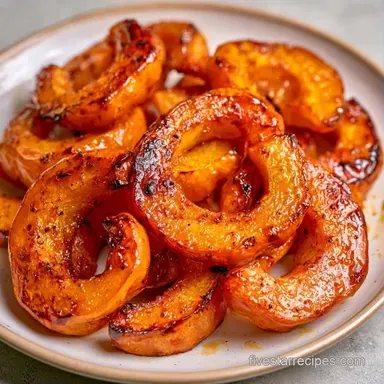
Caramelized Roasted Spiced Acorn Squash
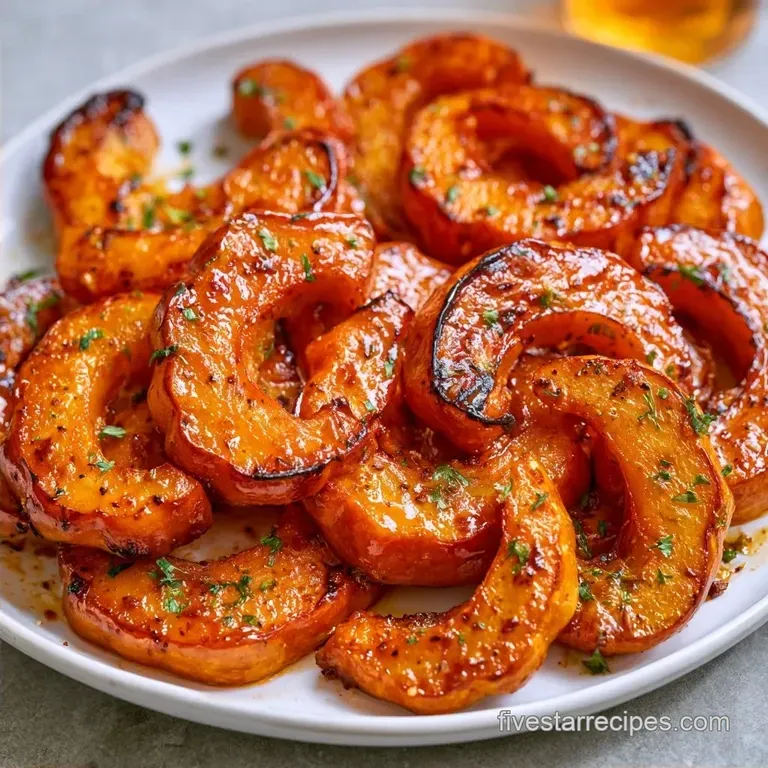
- Time: 10 minutes prep + 30 minutes in the oven
- Key Feature: Caramelized, charred edges with a soft, tender middle
- Perfect for: Weeknight accompaniments or holiday meal planning
Roasted Spiced Acorn Squash
The smell of cinnamon and smoked paprika hitting a hot oven is the exact moment my kitchen starts feeling like autumn. I remember my first attempt at this, where I tried to cut the squash while it was rolling all over the counter.
It was a mess, and I nearly took a finger off because I didn't realize how stubborn the skin can be.
Once I figured out the "flat base" trick, everything changed. This dish isn't about complex techniques. It's about high heat and a glossy spice paste that clings to every curve of the vegetable.
You can expect a side that isn't just "sweet." The smoked paprika and garlic powder pull it back into the savory realm, making it work with everything from roasted chicken to a simple grain bowl. It's a straightforward process that relies on a few basic pantry staples.
Why the Heat Matters
Maple Syrup: The sugar browns quickly at 400°F, creating those charred, candy like edges. Fat Soluble Spices: Whisking cinnamon and paprika into oil and butter helps the flavors penetrate the dense squash flesh.
| Method | Time | Texture | Best For |
|---|---|---|---|
| Cubes | 25-30 mins | Crispy edges | Quick weeknight sides |
| Halves | 45-50 mins | Creamy center | Fancy presentations |
Gathering Your Essentials
A medium acorn squash, typically around 2 lbs, is my top choice. Opting for a larger one can extend the roasting time and may ruin the ideal balance between the caramelized exterior and the tender interior.
The Main Components
- 1 medium (2 lb) acorn squash
- 2 tbsp extra virgin olive oil
- 1 tbsp melted unsalted butterWhy this? Provides a rich, nutty quality that oil alone lacks
- 1 tbsp maple syrupWhy this? Caramelizes more effectively than honey
- 1 tsp smoked paprika
- 1/2 tsp ground cinnamon
- 1/2 tsp garlic powder
- 1/4 tsp cayenne pepper
- 1/2 tsp kosher salt
- 1/4 tsp cracked black pepper
Quick Swaps
| Original Ingredient | Substitute | Why It Works |
|---|---|---|
| Maple Syrup | Brown Sugar | Comparable sweetness. Note: May burn more quickly |
| Unsalted Butter | Coconut Oil | Great for vegans. Note: Adds a subtle coconut fragrance |
| Smoked Paprika | Sweet Paprika | Keeps the red, earthy tone. Note: Lacks the smoky aroma |
Equipment Needed
No special kitchen setup is required here. The most critical tool is a truly sharp chef's knife, as using a dull blade on a hard squash is a sure way to end up in the emergency room.
I prefer using a large rimmed baking sheet to keep spiced oil from dripping and triggering the smoke alarm. I also highly recommend parchment paper; it prevents the maple syrup from fusing the squash to the pan, saving you from a long scrubbing session.
To seed the squash, a metal spoon works best. Plastic spoons often bend or snap when trying to clear out the stubborn, stringy pulp.
Bringing It Together
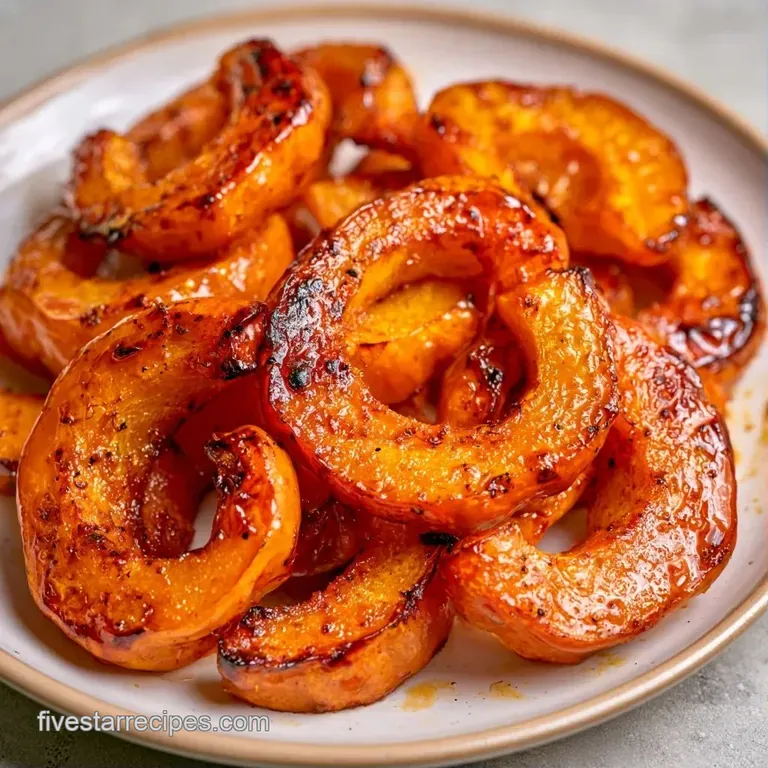
Phase 1: The Stable Prep
- Trim a small slice from the base of the squash. Note: This prevents the squash from wobbling on the cutting board
- Divide the squash into two halves lengthwise and scoop out the seeds and pulp using a metal spoon.
- Chop the halves into 1 inch cubes or wedges. Keep the sizes consistent to ensure they all cook evenly.
Phase 2: The Flavor Emulsion
- In a small bowl, combine the olive oil, melted butter, maple syrup, smoked paprika, cinnamon, garlic powder, cayenne pepper, salt, and black pepper. Stir until you achieve a thick, glossy paste.
- Arrange the squash pieces on a baking sheet lined with parchment.
- Pour the seasoned oil over the squash and toss with your hands to coat everything thoroughly. Note: This helps every edge caramelize perfectly
Phase 3: The High Heat Roast
- Distribute the squash in one layer. Maintain a half inch gap between pieces so they roast instead of steam.
- Bake in the oven set to 400°F (200°C) for 25–30 minutes until the edges are well browned and the inside is tender and velvety.
Chef Note: For extra char, switch to the broiler for the final 2 minutes. Keep a close eye on them, as the maple syrup can turn from "browned" to "burnt" in a matter of seconds.
Pro Tips & Pitfalls
The most common issue I see is the squash coming out mushy. This happens when the pan is too crowded. When pieces touch, they release steam, and you end up boiling the squash in its own juices rather than roasting it. Give them room to breathe.
Another struggle is the "hard center." If the edges are dark but the middle is still firm, your oven might be running hot. I suggest using an oven thermometer to verify the temperature.
Fixing a Mushy Texture
This usually stems from overcrowding the tray. If you're doubling the recipe, use two separate pans.
Dealing with Uneven Browning
If some pieces are pale, toss them around the pan halfway through the cooking time.
Managing Burnt Edges
Lower the temperature to 375°F if the maple syrup is scorching before the center is soft.
| Problem | Root Cause | Solution |
|---|---|---|
| Mushy squash | Pan too crowded | Use a larger tray or two trays |
| Burnt sugar | Oven too hot | Lower temp by 25°F |
| Firm centers | Pieces too large | Cut into smaller, 1 inch cubes |
Make It Your Own
Feel free to customize the flavors once you've mastered the basics. To add a savory Parmesan note, stir in a handful of grated cheese during the final 5 minutes of roasting. This creates a salty, crisp coating that balances the sweetness of the maple syrup.
To boost the heat, you can double the amount of cayenne or stir red pepper flakes into the oil paste. If you're looking for a hearty main dish rather than a side, I suggest trying Taco Stuffed Acorn Squash for a more substantial meal.
For a plant based version, simply replace the butter with melted coconut oil or a vegan butter substitute. The outcome is very similar, though it lacks some of that characteristic dairy richness.
- For extra char
- roast at 425°F for 20 minutes.
- For tender centers
- roast halves instead of cubes.
- For a vegan option
- use coconut oil instead of butter.
Make-ahead and Leftover Tips
Roasted Spiced Acorn Squash stores quite well. Once cooled, transfer any remaining portions to an airtight glass container. These will keep for 3 to 4 days when refrigerated.
When warming them up, try to skip the microwave. Using a microwave often makes the squash mushy and ruins the crisp edges. Instead, reheat them at 350°F (175°C) in the oven for about 10 minutes. This restores the texture and the cinnamon scent.
The roasted cubes can be frozen for up to 2 months. First, flash freeze them on a baking sheet to prevent them from clumping in the bag. When you're ready to eat, roast them straight from the freezer for 15 minutes.
To minimize waste, save the seeds. After cleaning them, coat them in a small amount of spiced oil and roast on a separate small tray for 10-15 minutes. They make for a wonderful snack. Any remaining squash puree is also a perfect addition to my Acorn Squash Curry Soup.
Serving Suggestions
This dish is a heavy hitter, so it pairs best with lean proteins. I love serving it alongside a lemon garlic roasted chicken or a piece of grilled salmon. The acidity of the lemon cuts through the sweetness of the maple syrup.
If you're serving this for a crowd, place the Roasted Spiced Acorn Squash on a platter and sprinkle with fresh parsley or chopped chives. The green pops against the deep orange and brown of the squash.
It also works as a base for a salad. Toss the cooled cubes with baby spinach, goat cheese, and a balsamic glaze. The cold, creamy cheese and the warm, spiced squash create a great contrast.
What Makes This So Good
The success of this recipe comes down to three precision checkpoints: an internal temp of 180°F (82°C) for tenderness, exactly 0.5 inches of space between pieces, and a consistent 1 inch cube size.
The Char Effect Using high heat triggers the browning of the natural sugars in the squash. This isn't just for looks; it creates a bitter sweet complexity that stops the dish from tasting like a dessert.
Fat Based Flavor The spices aren't just tossed on top. Because they're emulsified into the oil and butter, they coat the squash in a thin, flavorful film that doesn't burn off immediately in the oven.
Texture Contrast The goal here is the gap between the outer "skin" of the roast and the interior. By roasting at 400°F, you get a slightly chewy, caramelized exterior and a center that almost melts in your mouth.
Squash Myths One common myth is that you must peel acorn squash. You don't. The skin is edible and holds the cubes together during roasting. Another myth is that searing the squash "locks in" the moisture. It doesn't. The browning is entirely about flavor and texture, not moisture retention.
Final Thought on Roasted Spiced Acorn Squash Whether you're prepping for a big holiday meal or just want something vibrant for a Tuesday night, this recipe delivers. It's a reliable way to get that classic autumn flavor without spending hours in the kitchen.
Just remember: don't crowd the pan, and keep that knife sharp.
Recipe FAQs
At what temperature should you roast acorn squash?
Roast at 400°F (200°C). This high heat is necessary to caramelize the maple syrup and create charred edges.
Which spices work best for this recipe?
Use a blend of smoked paprika, cinnamon, garlic powder, and cayenne pepper. These ingredients create a balance of smoky warmth and sharp spice.
Is it true that you must peel acorn squash before roasting?
No, and here's why. The skin is edible and helps the cubes maintain their structure during the roasting process.
What common mistakes lead to soggy squash?
Crowding the baking sheet is the most frequent error. Leave at least a half inch of space between pieces to ensure they roast instead of steaming.
How to safely slice acorn squash without it rolling?
Slice a thin sliver off the bottom first. This creates a flat base that keeps the squash stable on your cutting board.
Can this be made into a sweeter side?
Increase the maple syrup for a more dessert like finish. If you enjoy these autumn profiles, try our maple pecan variation.
Roasted Spiced Acorn Squash