Herb Roasted Acorn Squash with Parmesan
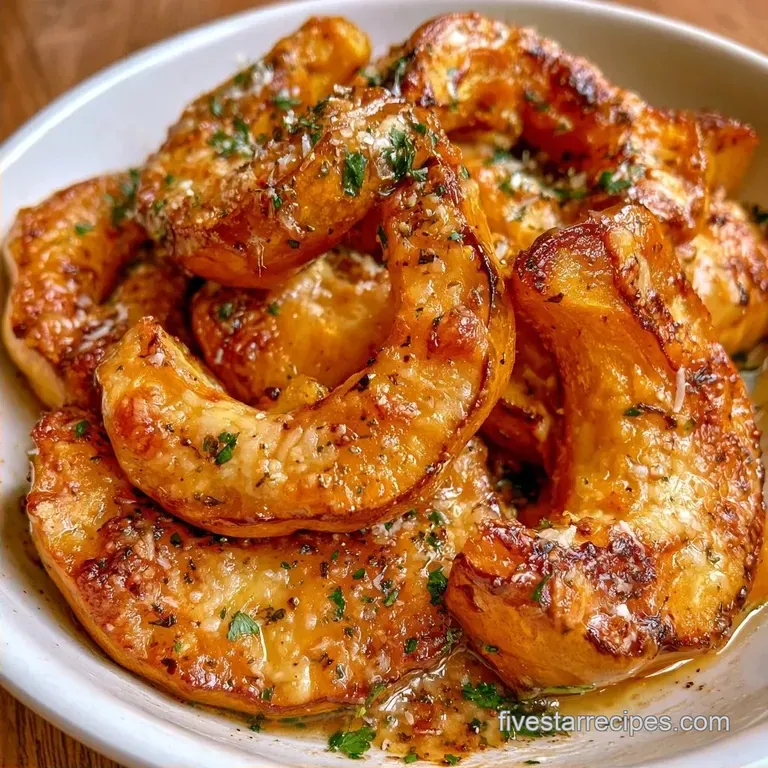
- Time: 10 min active + 25 min roasting
- Flavor/Texture Hook: Mahogany colored edges with a salty, herbal crunch
- Perfect for: A vibrant weeknight side or a holiday table
The aroma of garlic and rosemary filling a 400°F oven is absolutely mouthwatering. When I first started roasting acorn squash, I mistakenly left them in large halves. While the exterior appeared cooked, the interior remained woody and underdone.
It took some experimentation to discover that cutting them into crescents is the best way to achieve a caramelized, charred finish without the center staying hard.
The objective is a savory, salted crust to balance the squash's gentle sweetness. We want slices that are fork tender in the middle but possess edges that truly crackle.
This Herb Roasted Acorn Squash serves well as a standalone appetizer or a pairing for roast chicken. It's a nutrient rich method of bringing seasonal autumn tastes to the table without the heaviness.
Why This Method Works
- High Heat: Roasting at 400°F browns the natural sugars quickly. This creates a charred exterior while keeping the inside tender.
- The Parmesan Crust: The cheese mixes with butter to form a sandy paste. This paste clings to the squash and fries in the oven, creating a savory shell.
| Method | Time | Texture | Best For |
|---|---|---|---|
| Sliced (This) | 25 mins | Crisp edges, tender center | Quick weeknight sides |
| Whole Halves | 45-60 mins | Soft, scoopable, custardy | Stuffed squash meals |
This approach is much faster than roasting whole halves. Since the surface area is larger, the heat penetrates the flesh faster, and you get more of that salty crust on every single bite.
Recipe Specs
Here is the game plan. The process is quick, but following the correct sequence is key to avoiding a soggy result.
- 1. Prep Phase
- Preheat the oven and slice the squash (10 mins).
- 2. Cooking Phase
- Toss with herb butter and roast (25 mins).
- 3. Final Touch
- Rest for 2 minutes to firm up the crust.
- Oven Temp
- 400°F (200°C)
- Slice Thickness
- 1 inch (2.5cm)
- Roast Time
- 20 to 25 minutes
The Building Blocks
The butter and parmesan work together to create a moisture barrier, which prevents the squash from steaming.
| Ingredient | Role | If You Don't Have It |
|---|---|---|
| Acorn Squash | Base vegetable | Butternut squash (cut into wedges) |
| Parmesan | Salty crust | Pecorino Romano or Grana Padano |
| Melted Butter | Fat for browning | Olive oil (though less flavor) |
| Rosemary/Thyme | Earthy aroma | Dried Italian seasoning |
Using finely grated cheese is a must here. Large shreds don't integrate into the butter and can burn too quickly before the squash softens.
Equipment Needed
A few basic tools will make the preparation much smoother.
- Sharp Chef's Knife: Essential for cutting through the thick squash skin.
- Large Baking Sheet: Necessary to ensure the slices aren't crowded.
- Parchment Paper: Keeps the cheese from sticking to the pan.
- Small Mixing Bowl: Used for mixing the herb rub.
Chef's Note: If the squash is too hard to cut, prick the skin with a fork and microwave it for 60 seconds. This will soften the rind enough to slice it safely.
Key Steps

Phase 1: Preparing the Squash
- Heat your oven to 400°F (200°C).
- Cut the acorn squash in half lengthwise and use a spoon to remove the seeds, clearing out the center.
- Slice each half into 1 inch (2.5cm) thick wedges. Note: Maintain a consistent thickness so they cook evenly.
Phase 2: Making the Savory Coating
- In a small bowl, mix the melted butter, grated Parmesan, minced garlic, rosemary, thyme, salt, and pepper. Stir until the blend has a sandy, cohesive consistency.
- Arrange the squash on a parchment lined baking sheet and thoroughly coat each piece with the herb parmesan mixture.
Phase 3: Roasting
- Space the slices out in a single layer, making sure the pan is not overcrowded.
- Bake for 20–25 minutes until the edges are mahogany colored and the flesh is fork tender.
Avoiding Kitchen Disasters
The biggest issue with this dish is moisture. If the squash releases too much steam or the pan is too crowded, you'll get a boiled texture instead of a roast. Always leave a gap between the slices.
Fixing Soggy Slices
If your squash isn't browning, it's usually because the pan is too full. The slices are effectively steaming each other. Move them to a second tray or turn up the heat for the last 5 minutes.
Preventing Burnt Cheese
If the parmesan browns too fast, it might be because the cheese was too finely powdered. If you see it darkening too quickly, slide a piece of foil over the top for the final 10 minutes.
Handling Hard Squash
Some acorn squash are like rocks. If your knife won't bite, use the microwave trick mentioned in the equipment section. It makes a huge difference in safety.
| Problem | Root Cause | Solution |
|---|---|---|
| Mushy texture | Overcooked or overcrowded | Roast in single layer, check at 20 mins |
| Bland taste | Not enough salt in the rub | Sprinkle a pinch of flaky salt after roasting |
| Burnt edges | Oven rack too high | Move tray to the middle rack |
Pairing Ideas
Since this Herb Roasted Acorn Squash has a salty, earthy profile, it pairs well with lean proteins. I usually serve it alongside a roasted chicken or a seared pork chop.
For a grain based meal, try serving these slices over a bed of wild rice or quinoa. The nuttiness of the grains complements the sweetness of the squash. If you're looking for more squash ideas, a brown sugar roasted version is a great contrast if you prefer something sweeter.
| Goal | What to change |
|---|---|
| More Crunch | Add 1 tbsp Panko breadcrumbs to the rub |
| Extra Zing | Squeeze fresh lemon juice over slices after roasting |
| Low Dairy | Swap butter for olive oil and omit cheese |
Preservation Secrets
Storage Guidelines Store leftovers in a glass container in the fridge for 3 to 4 days. The crust will soften as it sits, which is normal.
Reheating for Crunch Don't use the microwave. It will make the squash rubbery. Instead, pop them back in the oven at 350°F for 5 to 8 minutes or use an air fryer for 3 minutes. This brings back the crispness of the parmesan.
Zero Waste Tips Don't toss the seeds. Clean them, toss them with a bit of the remaining herb butter, and roast them at 325°F for 15 minutes for a healthy snack. According to USDA data, seeds are a great source of minerals and healthy fats.
Variations & Substitutions
If you don't have the exact herbs on hand, don't sweat it. Sage is a great alternative to rosemary and gives a very traditional autumn flavor.
Squash Swaps You can use Delicata squash for this. It has a thinner skin that doesn't need to be peeled or handled as carefully. If you want something with a different cheese profile, my Parmesan roasted version focuses more on the cheese and less on the herbs.
Adding a Kick For a bit of heat, stir 1/4 tsp of red pepper flakes into the butter mixture. This cuts through the richness of the parmesan and wakes up the dish.
Vegan Options Swap the butter for melted coconut oil or olive oil. Use nutritional yeast instead of parmesan to keep that savory, cheesy depth.
Using Fresh Herbs If you have fresh rosemary and thyme, use 1 tablespoon of each, finely chopped. Fresh herbs have more moisture than dried, so you might need to roast the squash for an extra 2 to 3 minutes to ensure the edges get crisp.
Recipe FAQs
What is the best seasoning for acorn squash?
A combination of melted butter, Parmesan, garlic, rosemary, and thyme creates a savory, herb crusted finish.
Tip: Stir the herb mixture until it reaches a sandy texture to help it stick to the squash.
At what temperature should you roast acorn squash?
Roast the slices at 400°F (200°C) for the best caramelization.
Tip: Use a parchment lined sheet to prevent the Parmesan from sticking to the pan.
How long should I roast acorn squash at 400°F?
Bake for 20 25 minutes until the edges are mahogany colored and the flesh is tender.
Tip: Arrange slices in a single layer so they roast instead of steaming.
Is it true that you must peel acorn squash before roasting?
Actually, no. The skin is edible and provides structure to the crescents while they cook.
Tip: Scrub the exterior of the squash thoroughly under cold water before slicing.
How to prepare the squash for the oven?
Slice the squash in half lengthwise, scoop out the seeds, and cut into 1 inch thick crescents.
Tip: Use a sturdy chef's knife to ensure clean, uniform slices for even cooking.
Can I use a different squash for this recipe?
Delicata squash works well here as a thinner skinned substitute.
Tip: If you like these savory roasted profiles, see how similar aromatic principles work in our creamy squash curry.
Herb Roasted Acorn Squash