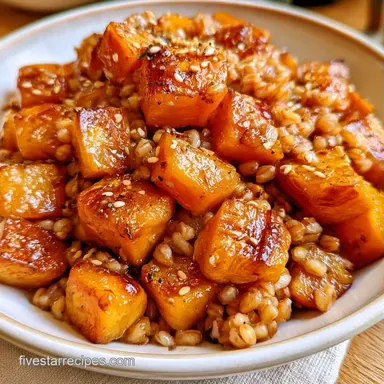
Fall Grain Salad with Roasted Squash
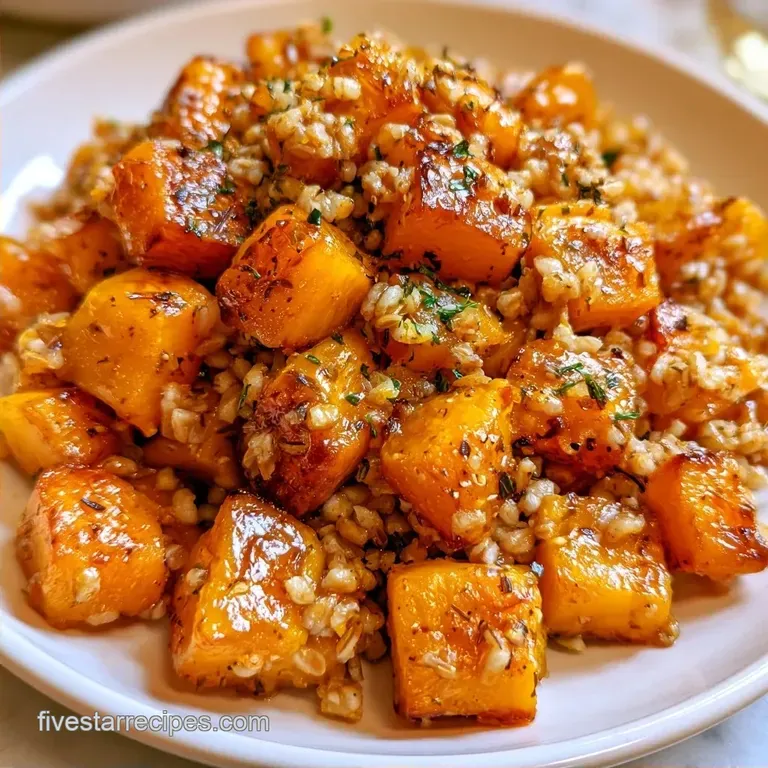
- Time: 10 minutes preparation and 30 minutes in the oven
- Key Highlights: Chewy grains with golden-brown squash and crisp apple
- Perfect for: Nutritious meal prep or an impressive potluck dish
The aroma of roasting butternut squash drifting through the house is the essence of autumn. I once believed that achieving those gourmet harvest bowls required a professional kitchen, but it's actually just a matter of timing the roast.
Ignore the stereotype that grain salads are just tasteless, cold piles of rice and raw veggies. This isn't some sad desk lunch; it's a nutrient packed meal that genuinely fills you up. This salad thrives on the contrast between the warm, caramelized squash and the cold, sharp crunch of a Honeycrisp apple.
The result is a dish that feels substantial while remaining fresh. It stays crisp if you follow the steps, making it ideal for Sunday prepping to enjoy through Tuesday.
Why This Fall Grain Salad Works
- Warm Infusion: Tossing the dressing into the farro while it's still steaming lets the grain soak up the maple cider flavors.
- Textural Layering: Combining the toothsome chew of farro with the pop of pomegranate seeds keeps the palate engaged.
- Kale Softening: The residual heat from the grains wilts the kale just enough to remove the raw edge without making it mushy.
Gear For Your Kitchen
You don't need a professional setup, but a few tools make the flow easier. A heavy bottomed saucepan is best for the farro so the bottom doesn't scorch. I always use a large rimmed baking sheet for the squash to ensure they aren't crowded, which is the only way to get those brown, caramelized edges.
A fine mesh strainer is a must for rinsing the grains. If you have a small mason jar, use it for the dressing. Shaking it vigorously creates a better emulsion than whisking in a bowl, and you can store any leftovers right in the jar.
Gathering Your Essentials
Here is everything you'll need for this bowl. I opt for pearled farro because it's quicker to cook than the whole grain variety while still providing a satisfying chew. For the apple, choose a tart variety like Pink Lady or Honeycrisp to ensure the fruit isn't overwhelmed by the maple sweetness in the dressing.
What Each Ingredient Does
| Component | Purpose | Substitute Notes |
|---|---|---|
| Pearled Farro | Substantial, chewy base | Quinoa: Lighter feel, higher protein |
| Butternut Squash | Earthy, sweet creaminess | Sweet Potato: Similar taste, softer texture |
| Apple Cider Vinegar | Sharp acidity to balance fats | Lemon Juice: Bright, citrusy profile |
| Maple Syrup | Natural sweetness | Honey: More floral, thicker consistency |
The Full List
- 1 cup (170g) pearled farro Why this? Provides a nutty flavor and holds its structure
- 2 cups (480ml) water or vegetable broth
- 2 cups (300g) butternut squash, cubed ½ inch Why this? Roasts perfectly at 400°F
- 2 tbsp (30ml) extra virgin olive oil (for roasting)
- ½ tsp (3g) sea salt
- ¼ tsp (1g) black pepper
- 3 cups (85g) curly kale, stems removed and finely chopped
- 1 large (150g) Honeycrisp apple, diced
- ½ cup (70g) pomegranate seeds
- ½ cup (60g) crumbled feta
- ⅓ cup (40g) toasted pecans, roughly chopped
- 3 tbsp (45ml) extra virgin olive oil (for dressing)
- 2 tbsp (30ml) apple cider vinegar
- 1 tbsp (15ml) maple syrup
- 1 tsp (5g) Dijon mustard
- 1 small clove (3g) garlic, minced
Quick Ingredient Swaps
| Original Ingredient | Substitute | Why It Works |
|---|---|---|
| Feta | Goat Cheese | Comparable tang. Note: More creamy texture |
| Pecans | Walnuts | Similarly earthy. Note: Slightly more bitter |
| Kale | Baby Spinach | Tenderer leaf. Note: Wilts quickly, don't add too early |
A pro tip: don't omit the Dijon. It emulsifies the oil and vinegar, ensuring the dressing stays combined rather than separating the moment it hits the greens.
Quick Recipe Details
Before we crack on, here is the basic breakdown. This makes enough for four people, or two very hungry people over two days.
- Prep time:10 minutes
- Cook time:30 minutes
- Total time:40 minutes
- Yield: 4 servings
Chef's Tip: If you're pressed for time, use a pre cut bag of butternut squash. Just make sure to pat it dry with a paper towel before oiling, or it will steam instead of roasting.
Fast vs Classic Method
| Feature | Fast Method (This Recipe) | Classic Method |
|---|---|---|
| Grain Type | Pearled Farro | Whole Grain Farro |
| Soak Time | None | 6-12 Hours |
| Total Time | 40 Minutes | 3+ Hours |
Putting It All Together
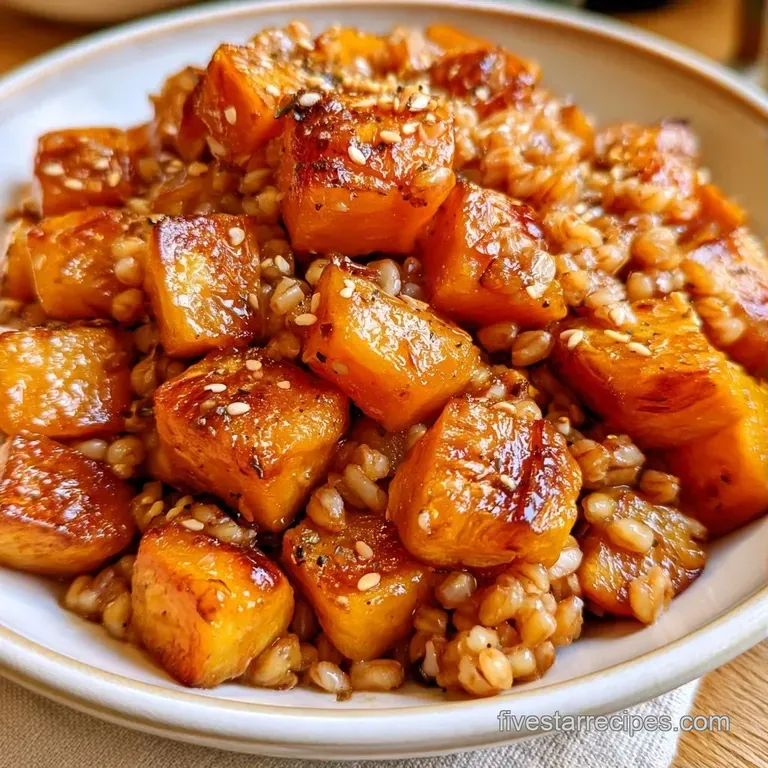
Let's begin. The aim is to time everything so that the Fall Grain Salad is put together while each component is at its prime.
Phase 1: The Sheet Pan Roast
- Set your oven to 400°F (200°C).
- On a baking sheet, toss the cubed butternut squash with 2 tbsp olive oil, salt, and pepper, ensuring they are in a single layer.
- Roast for 20–25 minutes until the edges are caramelized and a deep mahogany. Note: To avoid sogginess, don't crowd the pan.
Phase 2: The Grain Infusion
- Pass the farro through a fine mesh strainer under cold water. Serious Eats suggests this removes surface starch, which prevents the grains from clumping.
- Put the farro and water/broth in a saucepan; bring to a boil, then lower the heat to a simmer.
- Cover and simmer for 15–20 minutes until tender but with a slight chew.
- Drain any leftover liquid and let the grains steam for 2 minutes. Note: This allows the grains to absorb any remaining moisture.
Phase 3: The Final Assembly
- In a small jar, shake 3 tbsp olive oil, apple cider vinegar, maple syrup, and Dijon mustard along with minced garlic, salt, and pepper until the dressing is smooth and glossy.
- Toss the warm farro with the prepared dressing. Note: The heat helps the grains soak up the dressing.
- Fold in the roasted squash, chopped kale, diced apple, pomegranate seeds, crumbled feta, and toasted pecans.
Precision Checkpoints
- Squash Temp: Ensure the edges are dark brown, not yellow, before taking them out of the oven.
- Farro Texture: It should have a firm, al dente pasta feel. If it's mushy, it's been cooked 2-3 minutes too long.
- Kale Wilt: The kale should be bright green and slightly softened, avoiding a limp or translucent appearance.
Solving Common Salad Issues
The biggest complaint with a Fall Grain Salad is usually the texture. Either the grains are too hard or the whole thing turns into a mushy pile after an hour.
If your grains feel too chewy, you likely didn't simmer them long enough or used whole farro instead of pearled. If the salad feels soggy, you probably added the apples and pomegranate seeds before the farro had a chance to cool slightly. To keep things crisp, I often refer to my Pomegranate salad method where the fruit is added at the very last second.
Fixing Texture and Taste
| Problem | Root Cause | Solution |
|---|---|---|
| Grains are too hard | Undercooked or whole grain used | Simmer 5 more mins or use pearled farro |
| Kale is too bitter | Large pieces or old leaves | Chop finer and massage with a bit of oil |
| Dressing is separated | Not emulsified enough | Shake in a jar for 30 seconds |
| Squash is mushy | Pan was overcrowded | Roast in a single layer on a larger pan |
Keeping It Fresh
Keep this Fall Grain Salad in an airtight glass jar for up to 4 days. I find the flavor actually peaks on the second day as the maple syrup and garlic fully infuse the grains.
If you are meal prepping for the week, store the dressing separately and stir it in just before serving. This ensures the apples stay bright and the kale doesn't over wilt.
Save your apple cores and butternut squash scraps in a freezer bag to use for homemade vegetable broth later. Any leftover pecans or feta also make a delicious topping for a bowl of morning oatmeal.
Twist On The Basics
This recipe is a great baseline, but you can easily pivot the flavors. If you want something even heartier, you can try a Farro Salad recipe that adds roasted chickpeas for extra protein.
Customizing Your Bowl
- For a Protein Boost: Add grilled chicken or sautéed tofu.
- For a Vegan Friendly Version: Swap the feta for avocado cubes or toasted pumpkin seeds.
- For a Winter Pivot: Use dried cranberries instead of pomegranate and roasted pears instead of apples.
- For a gluten-free Twist: Use quinoa or certified gluten-free sorghum.
Decision Shortcut
- For a crunchier base: soak pearled farro for 1 hour before boiling.
- For a sweeter profile: increase maple syrup to 2 tbsp.
- For a tangier kick: add 1 tsp of lemon zest to the dressing.
Method Comparison
| Feature | Warm Assembly | Cold Assembly |
|---|---|---|
| Flavor | Deep, infused | Fresh, bright |
| Kale Texture | Softened | Crisp/Raw |
| Best For | Immediate dinner | Meal prep |
Best Pairings And Sides
Since this Fall Grain Salad is so nutrient dense, it works as a main dish, but it's also a killer side. I love serving it alongside a roasted pork tenderloin or a piece of seared salmon. The acidity of the apple cider vinegar cuts through the richness of the meat.
If you're doing a vegetarian spread, pair it with a creamy tomato soup. The contrast between the hot, smooth soup and the chewy, cool salad is a total win.
A Note on Myths
You might hear that you have to soak farro for 12 hours to make it digestible. That's only for the whole grain version. Pearled farro is steamed and rolled, so it's ready to go immediately.
Another common thought is that you should roast the pecans. While it adds flavor, you can actually toast them in a dry pan for 3 minutes over medium heat. It's faster and gives you more control over the color.
Right then, that's the whole process. This Fall Grain Salad is a simple way to get those seasonal flavors on the table without spending hours in the kitchen. It's fresh, it's filling, and it actually tastes like autumn. Let's crack on and get cooking!
Recipe FAQs
What ingredients make this a traditional fall grain salad?
Pearled farro, roasted butternut squash, and Honeycrisp apple. These combine with pomegranate seeds, feta, and toasted pecans for a balanced profile of autumn sweetness and salt.
How to cook the farro for the best texture?
Simmer in water or broth for 15 20 minutes. Drain any excess liquid and let the grains steam for 2 minutes to ensure they are tender but still offer a slight chew.
Is it true that butternut squash must be roasted at 350°F to avoid burning?
No, and here's why. Roasting at 400°F for 20 25 minutes is essential to achieve the caramelized edges that provide the deep flavor required for this recipe.
Why does the kale feel softer in the warm assembly?
The heat from the farro and squash wilts the leaves. This process softens the raw kale, making it more tender and better infused with the dressing.
Does this dish work better served warm or cold?
Warm is best for immediate dinner, while cold is ideal for meal prep. Warm assembly offers deeper, infused flavors, whereas the cold version tastes brighter and fresher.
Could I use a different base instead of farro?
Yes, quinoa or wild rice are excellent substitutes. If you prefer a fruit forward autumn option without grains, try our apple pecan salad.
Fall Farro Grain Salad