Cookie Butter Ice Cream: Velvety & Spiced
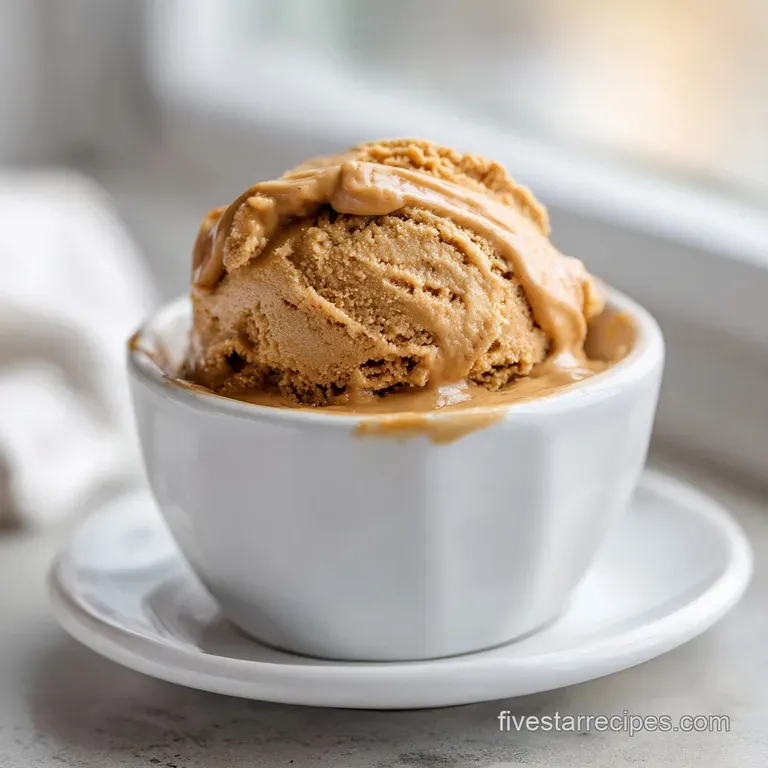
- Time: Active 20 minutes, Passive 24 hours, Total 24 hours 30 mins
- Flavor/Texture Hook: Deeply caramelized, spicy, and buttery with a cookie shatter
- Perfect for: Gourmet dinner parties or holiday dessert spreads
- Master the Ultimate Cookie Butter Ice Cream
- Science Behind This Custard Base
- Essential Batch Precision and Ratios
- Sourcing Your Gourmet Elements
- Critical Equipment For Silky Results
- Executing The Perfect Churn Technique
- Troubleshooting Your Frozen Texture
- Creative Cookie Butter Variations
- Proper Storage For Longevity
- Five Star Serving And Pairing Ideas
- Scientific Myths Debunked
- Recipe FAQs
- 📝 Recipe Card
Master the Ultimate Cookie Butter Ice Cream
The smell of a freshly opened jar of speculoos spread is enough to make anyone weak in the knees. It’s that deep, caramelized scent toasted ginger, cinnamon, and a hint of dark molasses that feels like a warm hug in a kitchen.
I remember trying to make a shortcut version of this years ago by just stirring the spread into some store-bought vanilla. It was a disaster; the spread clumped into hard, waxy pebbles and the ice cream felt thin and watery.
To get that velvety, professional finish, you have to treat it like a true French custard. We’re talking about real tempering, precise temperatures, and a slow churn that incorporates just enough air to keep things light but dense enough to feel gourmet.
It’s the difference between a simple frozen treat and a five star dessert that leaves people asking for the recipe.
This journey into the perfect scoop taught me that precision is everything. When you whisk those 5 large egg yolks with the dark brown sugar, you aren't just mixing; you’re creating a stable emulsion that will resist the harsh environment of your freezer.
The result is a texture so silky it rivals any high end creamery, punctuated by the satisfying shatter of crushed Biscoff cookies.
Science Behind This Custard Base
The Physics of the Freeze: The high fat content from 2 cups heavy cream (36% fat) coats air bubbles during churning, preventing them from collapsing and creating a dense, velvety structure.
Cryoprotectant Dynamics: The 2/3 cup dark brown sugar lowers the freezing point of the water in the milk, ensuring the final scoop remains soft rather than turning into a block of ice.
| Method | Total Time | Final Texture | Best For |
|---|---|---|---|
| Standard Churn | 24 hours 30 mins | Velvety, dense, professional | Authentic gourmet results |
| No Churn Shortcut | 6 hours | Airy, mousse like, softer | Last minute cravings |
| Ninja Creami | 24 hours | Ultra smooth, gelato style | Small batches |
Choosing the right approach depends on your patience. While the no churn version is faster, it lacks the complex protein structure provided by the 5 large egg yolks in our traditional custard base. If you enjoy the rich density of this base, you might find it similar to the texture in my Cheesecake Brownie Cake recipe.
Essential Batch Precision and Ratios
For those who crave technical perfection, maintaining specific ratios between your fats and sugars is non negotiable. This recipe is designed to hit a specific total solids percentage, which is what prevents that gritty, "snow like" texture often found in homemade versions.
We are aiming for a five star balance where the 1/2 tsp sea salt cuts through the richness of the 1 cup smooth cookie butter.
| Component | Science Role | Pro Secret |
|---|---|---|
| 5 large egg yolks | Emulsifier | Lecithin in yolks binds water and fat for a silky finish. |
| 2/3 cup dark brown sugar | Freezing Point Depressant | Molasses content adds moisture and keeps the scoop pliable. |
| 1 cup cookie butter | Flavor and Fat | Dividing the portion ensures both an infused base and thick ribbons. |
Precision is the hallmark of a great home cook. For another decadent treat that relies on these same principles of fat sugar balance, try my Peanut Butter Fudge recipe.
Sourcing Your Gourmet Elements
- 2 cups heavy cream (36% fat): Look for cream that isn't ultra pasteurized if possible for better aeration. Why this? High fat content is mandatory for a velvety, professional mouthfeel. (Substitute: 2 cups double cream)
- 1 cup whole milk: Provides the necessary water content to dissolve the sugars. Why this? Balances the richness of the heavy cream. (Substitute: 1 cup 2% milk)
- 2/3 cup dark brown sugar: Packed tightly. Why this? Adds a deep caramel note that white sugar lacks. (Substitute: 2/3 cup light brown sugar)
- 5 large egg yolks: The backbone of the custard. Why this? Essential for creating a foolproof, stable emulsion. (Substitute: 2 tbsp cornstarch whisked with milk)
- 1 cup smooth cookie butter: Divided into 2/3 cup and 1/3 cup. Why this? Infuses the base while providing concentrated swirls. (Substitute: Speculoos spread)
- 1 tsp vanilla bean paste: Use the high-quality stuff with the flecks. Why this? Provides a more intense flavor profile than extract. (Substitute: 1 tsp vanilla extract)
- 1/2 tsp ground cinnamon: Freshly ground if you can. Why this? Enhances the spice notes already present in the spread. (Substitute: 1/2 tsp ground ginger for more kick)
- 1/2 tsp sea salt: Don't skip this. Why this? Brightens the flavors and balances the sugar. (Substitute: 1/2 tsp kosher salt)
- 1 cup Biscoff cookies: Crushed into varying sizes. Why this? Provides the "shatter" and texture contrast. (Substitute: Ginger snaps)
Critical Equipment For Silky Results
To achieve that five star finish, your equipment needs to be as prepared as you are. A high-quality ice cream maker (like a Whynter or Cuisinart) is the most important tool in your arsenal. The faster the mixture freezes, the smaller the ice crystals will be, resulting in a smoother texture.
You also need a heavy bottomed saucepan to prevent the 1 cup whole milk from scorching.
Chef's Tip: Freeze your storage container for at least 2 hours before the churning is finished. Transferring your Cookie Butter Ice Cream into a room temperature bowl will cause the edges to melt instantly, creating large ice crystals when it re freezes.
I also highly recommend using a digital probe thermometer. When cooking the custard base, the margin between "thickened" and "scrambled" is only a few degrees. Targeting 170°F (77°C) ensures the 5 large egg yolks are safely cooked and have reached their maximum thickening potential without the sulfurous taste of overcooked eggs.
Executing The Perfect Churn Technique
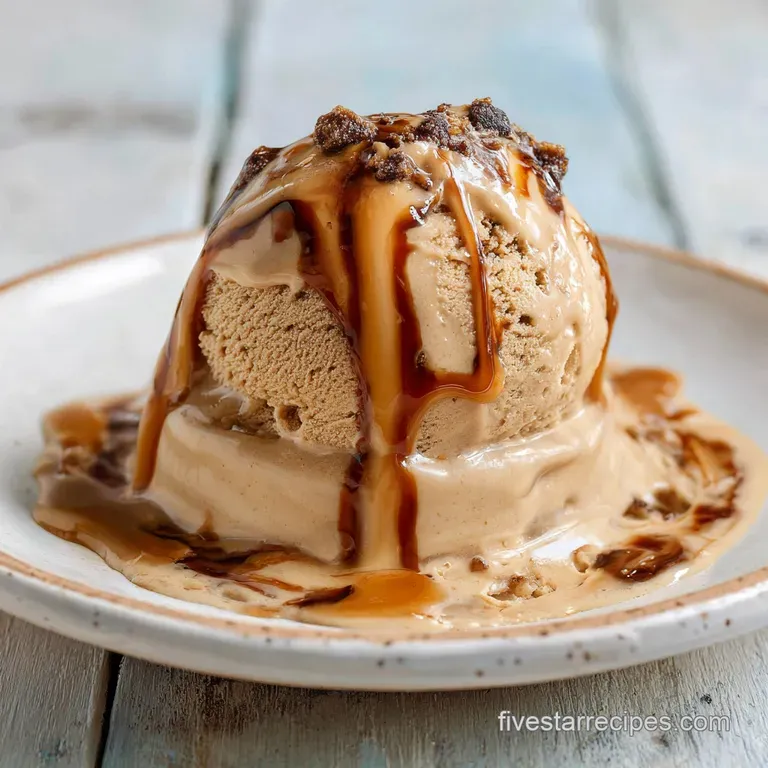
1. Tempering The Egg Yolks
Whisk the 5 large egg yolks and 2/3 cup dark brown sugar in a medium bowl until the mixture is pale and thick. This creates a stable base that won't curdle when the hot liquid is introduced. Note: Whisking air into the yolks helps them absorb the heat more gradually.
2. The Thicken And Infuse Phase
Heat the 1 cup whole milk, 2 cups heavy cream, 1/2 tsp ground cinnamon, and 1/2 tsp sea salt in a saucepan over medium heat until small bubbles form around the edges. Slowly drizzle half of this hot liquid into the yolk mixture while whisking constantly.
3. The Chilled Cure
Return the entire mixture to the saucepan and cook over low heat until it coats the back of a spoon (170°F/77°C). Stir in 2/3 cup of the cookie butter and 1 tsp vanilla bean paste until silky and homogenized.
4. Cooling The Base
Pour the mixture through a fine mesh sieve into a clean bowl to remove any accidental bits of cooked egg. Place this bowl in an ice water bath and stir until the temperature drops to room temperature.
5. The 24 Hour Rest
Cover the surface of the custard directly with plastic wrap to prevent a skin from forming. Chill in the refrigerator for at least 12 hours, though 24 hours is the pro standard for flavor development.
6. The Churn And Swirl
Pour the chilled base into your ice cream maker and churn until it reaches the texture of soft serve (usually 20-25 minutes). In the final 2 minutes, add the 1 cup crushed Biscoff cookies.
7. Creating The Ribbons
Warm the remaining 1/3 cup cookie butter in the microwave for 15 seconds until it’s pourable. As you transfer the ice cream to your frozen container, alternate layers of ice cream with drizzles of the melted spread.
8. The Hard Freeze
Cover and freeze for at least 4-6 hours until firm and scoopable. This allows the structure to set completely and the flavors to meld.
Troubleshooting Your Frozen Texture
To Avoid Icy Texture
If your ice cream feels like it has tiny shards of glass in it, the culprit is usually the cooling speed. If the base isn't cold enough before churning, the machine takes longer to freeze it, allowing large ice crystals to grow.
Always ensure your custard is cold from the fridge (about 4°C) before it ever touches the ice cream maker.
For Gritty Cookie Butter
Sometimes the spread can seize if it hits the cold custard too quickly. If you see tiny brown specks that aren't the cinnamon, your emulsion has broken slightly. You can usually fix this during the initial heating phase by using an immersion blender to force the fat and water back together into a silky liquid.
| Problem | Root Cause | Solution |
|---|---|---|
| Ice cream is too hard | Too much water/not enough fat | Check that you used 36% fat heavy cream and didn't swap for low-fat milk. |
| Custard has lumps | Egg yolks cooked too fast | Always pour the hot liquid into the yolks, never the other way around. |
| Cookies are soggy | Moisture absorption | Add the 1 cup Biscoff cookies at the very end of churning to maintain their shatter. |
Common Mistakes Checklist:
- ✓ Ensure the freezer bowl has been frozen for at least 24 hours (it should not slosh when shaken).
- ✓ Don't skip the straining step; even the best cooks get a tiny bit of cooked egg in their custard.
- ✓ Pat the storage container dry before putting it in the freezer to avoid frost buildup.
- ✓ Keep the lid tightly sealed to prevent the ice cream from absorbing "freezer smells."
- ✓ Allow the ice cream to sit on the counter for 5 minutes before scooping for the best texture.
Creative Cookie Butter Variations
For Professional Flavor Depth
To truly push this recipe into gourmet territory, try "blooming" your spices. Instead of just adding the 1/2 tsp ground cinnamon to the milk, toast it in a dry pan for 30 seconds before adding the liquids. This releases the essential oils and creates a much more spice forward experience.
Cookie Butter Ice Cream Sandwiches
You can use the remaining Biscoff cookies from the pack to create incredible sandwiches. Take a small scoop of the hardened Cookie Butter Ice Cream and press it between two whole cookies. Roll the edges in extra crushed crumbs and freeze for another hour. It's a foolproof way to impress guests.
To Prevent Rock Hard Results
If you find your home freezer runs particularly cold, add 1 tablespoon of vodka or bourbon to the custard base before churning. Alcohol does not freeze, which lowers the freezing point of the entire batch and results in a much softer, more commercial style scoop right out of the gate.
Proper Storage For Longevity
Fridge Storage: The raw custard base can stay in the fridge for up to 3 days before churning. This is actually a great way to prep for a party.
Freezer Storage: Once churned, the ice cream is best consumed within 2 weeks. Because it doesn't contain the commercial stabilizers found in store-bought brands, it will eventually develop ice crystals.
To maximize freshness, press a piece of wax paper or parchment directly onto the surface of the ice cream before putting the lid on. This prevents air contact, which is the primary enemy of frozen desserts.
Zero Waste Tip: If you have those last few bits of ice cream that are getting a little icy, don't throw them out! Toss them into a blender with a splash of whole milk and an extra spoonful of cookie butter for the most incredible milkshake you've ever had.
You can even use the leftover cookie crumbs as a rim for the glass.
Five Star Serving And Pairing Ideas
Presentation is where you turn a simple bowl of ice cream into a five star experience. Instead of just scooping it into a bowl, try serving it in a chilled glass coupe. Drizzle a little extra warmed speculoos spread over the top and add one whole Biscoff cookie standing upright.
The contrast between the cold cream and the warm drizzle is sensational.
For a more complex pairing, serve a scoop alongside a warm fruit tart or a slice of dark chocolate cake. The cinnamon and ginger notes in the Cookie Butter Ice Cream complement tart apples or deep cocoa perfectly.
If you want to go all out, a sprinkle of flaky sea salt on top right before serving will cut the sweetness and make the caramel notes sing.
Scientific Myths Debunked
One common misconception is that "searing" the milk or boiling the custard will make it thicker. In reality, once you pass 180°F (82°C), the proteins in the 5 large egg yolks begin to bond too tightly, resulting in a grainy, scrambled texture rather than a silky custard.
Controlled heat is your friend here.
Another myth is that you can't make professional ice cream without a $500 machine. The truth is that the recipe's chemistry specifically the ratio of 2/3 cup dark brown sugar to the 2 cups heavy cream is far more important than the brand of your churner.
As long as you can keep the mixture moving while it freezes, these ratios will ensure a five star result every single time.
Recipe FAQs
Can I skip chilling the custard base for 24 hours?
No, chilling is essential for flavor development. Resting the custard for 12 to 24 hours allows the fat molecules to fully absorb the spices and the cookie butter flavor deepens significantly before churning.
How to incorporate the cookie butter swirls without clumping?
Warm the remaining cookie butter slightly before swirling. Microwave it for 15 seconds until it’s pourable, then alternate drizzling thin layers into the ice cream as you transfer it to the freezer container.
Is it true that using only egg yolks results in a rock hard texture?
False. Using only egg yolks creates a rich custard base that actually resists turning into a solid block of ice due to the fat and lecithin content. This technique is similar to stabilizing fats in a classic Simple Whipped Feta recipe, leading to superior smoothness.
What is the quickest way to soften the frozen ice cream for scooping?
Take it out of the freezer 5 to 10 minutes before serving. Don't try to speed this up with a microwave, as that will melt the edges unevenly.
How to make this recipe dairy-free?
Substitute heavy cream with full fat canned coconut cream. You will need to increase the stabilizers, perhaps by adding an extra tablespoon of cornstarch to the milk/cream mixture, similar to how we stabilize rich dairy alternatives in the creamy garlic butter recipe base.
Why did my ice cream base taste slightly grainy after churning?
The custard likely overheated or cooled too slowly. If the egg yolks exceed 175°F (80°C), they can curdle; the best practice is to use a thermometer and ensure the base is thoroughly chilled before churning to achieve the smallest possible ice crystals.
What if I don't have an ice cream maker?
Pour the chilled base into a shallow, freezer safe metal pan. Freeze for one hour, then scrape vigorously with a fork, repeating this process every 30 minutes for four hours until it resembles a semi frozen, icy texture.
Cookie Butter Ice Cream
Ingredients:
Instructions:
Nutrition Facts:
| Calories | 371 kcal |
|---|---|
| Protein | 3.9 g |
| Fat | 26.2 g |
| Carbs | 31.2 g |
| Fiber | 0.4 g |
| Sugar | 23.8 g |
| Sodium | 117 mg |
