Roasted Red Potatoes: Shatter Crisp
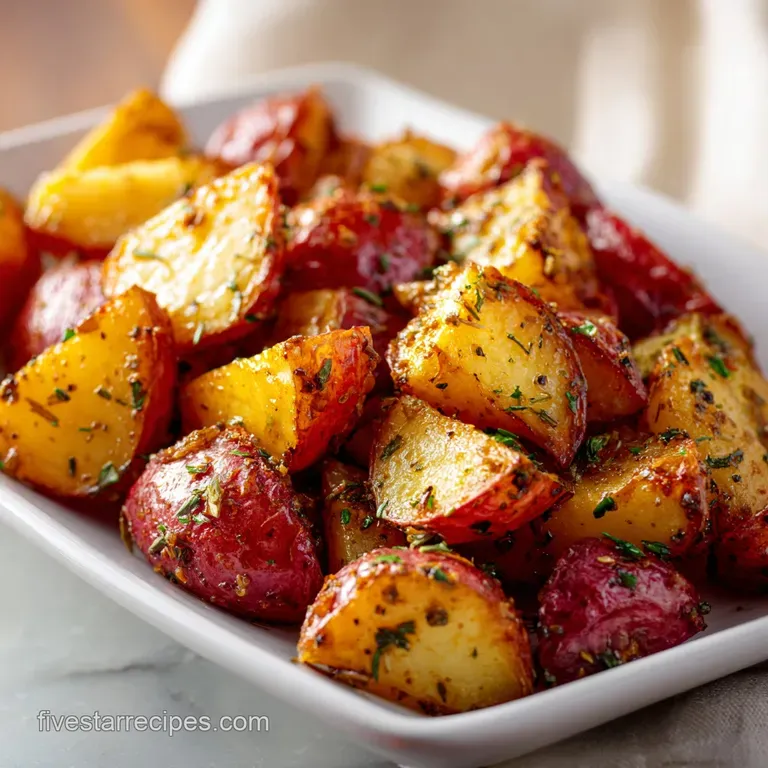
- Time: Active 15 minutes, Passive 35 minutes, Total 50 minutes
- Flavor/Texture Hook: Shatter crisp exterior with a velvety, cloud like center
- Perfect for: High end dinner parties, holiday side dishes, or an elevated Sunday roast
- Achieving the Perfect Shatter with These Roasted Red Potatoes
- The Chemistry of the Ultimate Crunch
- Component Analysis for Maximum Flavor
- The Gourmet Elements and Strategic Substitutes
- Refined Steps for Professional Results
- Overcoming Common Texture Obstacles
- Guidelines for Scaling and Volume
- Debunking Common Roasting Myths
- Storage and Sustainable Kitchen Practices
- Visual Elegance and Garnish Strategy
- Recipe FAQs
- 📝 Recipe Card
Achieving the Perfect Shatter with These Roasted Red Potatoes
The first time I served these, the sound was what caught everyone's attention a distinct, audible crackle as the fork pierced the skin. I had spent years pulling soggy, sad spuds out of the oven, wondering why restaurant versions had that gossamer thin, glass like crust while mine felt like roasted cardboard.
The secret wasn't a fancy oven or a hidden fryer; it was the humble addition of baking soda to the boiling water, a trick I learned after a particularly disastrous dinner party where my "crispy" potatoes were essentially steamed lumps.
Now, when I pull the tray out, the aroma of toasted rosemary and smoked paprika fills the kitchen, and the sizzle of the oil against the hot metal is pure music. These aren't just a side dish; they are the star of the plate, glowing with a deep mahogany hue that makes even the simplest roast chicken feel like a gala event.
We've all been disappointed by a potato that looks good but lacks soul, but this method ensures every bite is a masterclass in texture and color balance.
Trust me, once you see that rough, starchy paste form on the outside of your par boiled potatoes, you’ll know you’re about to create something special. It’s about more than just heat; it’s about the chemistry of the crunch and the visual elegance of the final presentation.
Let’s get into the mechanics of how we turn a simple root vegetable into a gourmet experience that your friends will be texting you about for weeks.
The Chemistry of the Ultimate Crunch
Alkaline Breakdown: Adding 1/2 tsp baking soda to the boiling water raises the pH, breaking down the potato's pectin more aggressively to create a starchy surface "mash."
Maillard Acceleration: This increased surface area, combined with the alkaline environment, encourages rapid browning and complex flavor development during the roasting phase.
Thermal Retention: Cubing the 2 lbs red skin potatoes into consistent 1 inch pieces ensures the interior reaches a velvety consistency exactly as the exterior reaches peak crispness.
Starch Dehydration: Tossing the par boiled potatoes vigorously creates a "slurry" that dehydrates in the oven, forming a micro textured crust that shatters upon impact.
| Method | Time | Texture | Best For |
|---|---|---|---|
| over High heat Roast | 35 minutes | Shatter crisp skin | Formal dinner sides |
| Cast Iron Sear | 25 mins | Deeply charred crust | Rustic breakfast hash |
| Slow Roast | 60 mins | Leathery, thick skin | Casual family meals |
As we move toward selecting our components, keep in mind that the quality of your fat is just as important as the potato itself. Using a high-quality extra virgin olive oil provides the necessary conduction to "fry" the starch slurry while the potatoes are in the oven, resulting in that coveted golden glow.
Component Analysis for Maximum Flavor
| Ingredient | Science Role | Pro Secret |
|---|---|---|
| Red Skin Potatoes | Low starch, high moisture | Leave skins on for color contrast and structural integrity during the par boil |
| Baking Soda | pH Regulator | Only 1/2 tsp is needed to weaken the pectin without affecting the final taste |
| Smoked Paprika | Flavor & Pigment | Provides a deep earthy base and creates a rich, sun kissed visual hue |
| Kosher Salt | Osmotic Seasoning | Use 1 tbsp in the water to season the potato from the inside out before roasting |
The choice of red potatoes is deliberate here; their waxy nature allows them to hold their shape even after the aggressive par boiling and tossing. If you find yourself wanting to experiment with other textures, you might find my Creamy Mashed Potatoes Recipe helpful for understanding how different starch levels react to heat.
The Gourmet Elements and Strategic Substitutes
For this recipe, we are focusing on a 4 serving yield using 2 lbs red skin potatoes. Ensure your pieces are uniform to avoid the tragedy of one burnt corner and one raw center.
- 2 lbs red skin potatoes: Cubed into 1 inch pieces. Why this? Maintains shape and offers a beautiful ruby to gold color contrast.
- Substitute: Yukon Gold (Slightly creamier interior but thinner skin).
- 1/2 tsp baking soda: For the par boil water. Why this? Essential for creating the crispy starch slurry.
- Substitute: None (This is the "secret" chemical catalyst).
- 3 tbsp extra virgin olive oil: For roasting. Why this? high-quality fat ensures a gourmet mouthfeel and better browning.
- Substitute: Avocado oil (Higher smoke point, more neutral flavor).
- The Spice Blend: 1 tsp garlic powder, 1 tsp onion powder, 1 tsp smoked paprika, 1/2 tsp dried rosemary, 1/2 tsp black pepper, and 1/2 tsp sea salt. Why this? Layers of umami and earthiness that complement the natural sweetness of the potato.
- Substitute: Fresh rosemary (adds a floral note but can burn at high heat).
Refined Steps for Professional Results
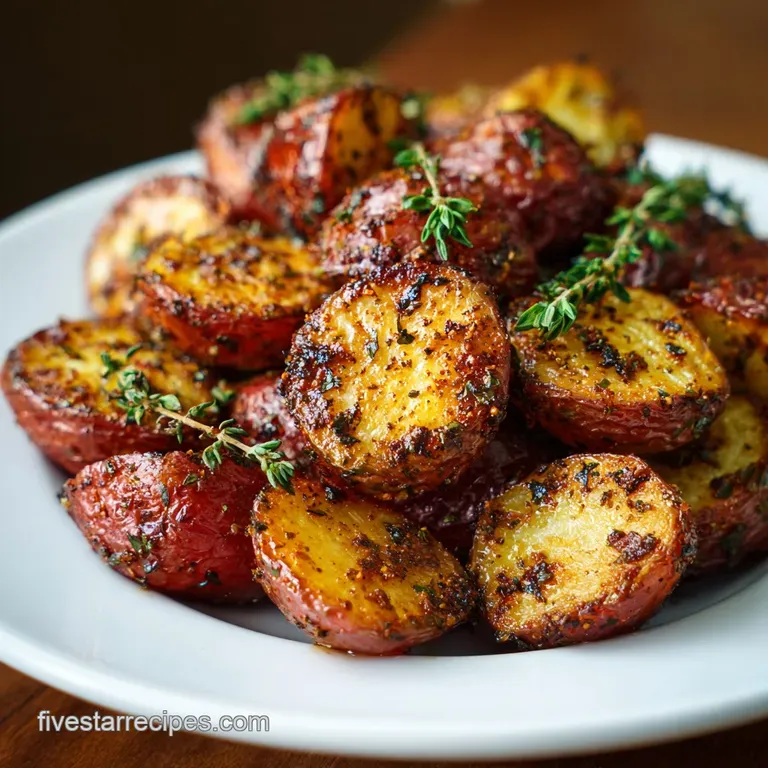
- Preheat the oven to 400°F (200°C). Note: A hot oven is non negotiable for immediate moisture evaporation.
- Boil a large pot of water with 1 tbsp kosher salt and 1/2 tsp baking soda.
- Simmer the 2 lbs red skin potatoes until a knife meets slight resistance (about 8-10 minutes).
- Drain the potatoes thoroughly and let them sit in the colander for 2 minutes until the steam dissipates.
- Toss the potatoes back in the pot with 3 tbsp extra virgin olive oil and the spice blend.
- Agitate the pot vigorously until a thick, pasty coating forms on the edges of the cubes.
- Spread the potatoes onto a large rimmed baking sheet, ensuring no two pieces are touching.
- Roast for 20 minutes, then flip with a metal spatula until the undersides are deep gold.
- Finish roasting for another 15 minutes until the exterior is audibly crunchy when tapped.
- Garnish immediately with fresh herbs and a final sprinkle of sea salt to catch the residual heat.
Overcoming Common Texture Obstacles
Why Your Roasted Red Potatoes Are Soggy
If your potatoes lack that signature crunch, it usually comes down to steam. If you crowd the pan, the moisture escaping from the potatoes creates a humid environment rather than a dry, roasting one. Always use the largest sheet pan you have, or split the batch between two trays.
| Problem | Root Cause | Solution |
|---|---|---|
| Spices Taste Burnt | Added too early in a dry pan | Toss with oil first to encapsulate and protect the delicate powders |
| Potatoes Falling Apart | Over boiled during par boil phase | Reduce boiling time by 2 mins; they should be "al dente" before roasting |
| Uneven Coloring | Crowded baking sheet | Ensure at least 1/2 inch of space between each potato cube |
Common Mistakes Checklist
- ✓ Never skip the par boil; it is the only way to get a thick enough starch layer.
- ✓ Pat the potatoes dry if they seem excessively wet after draining.
- ✓ Use a metal spatula to flip; silicone can struggle to get under the crispy "crust" stuck to the pan.
- ✓ Do not use a silicone baking mat; roasting directly on the metal sheet provides better heat transfer.
- ✓ Ensure your oven is fully preheated for at least 20 minutes before the potatoes go in.
If you enjoy the earthy profile of these spices, you might also appreciate the flavor depth in my Sausage Potato Leek recipe, which uses similar aromatics to great effect.
Guidelines for Scaling and Volume
When adjusting this recipe for a larger crowd or a solo dinner, the ratios must be handled with care to maintain the color balance and texture.
Scaling Down (1/2 batch): Use a smaller pot for the par boil, but keep the baking soda at 1/4 tsp. Use a standard quarter sheet pan to ensure the oil doesn't just burn on an empty surface.
Scaling Up (2x-4x): Work in batches for the par boiling. For the roasting, do not double the oil exactly; start with 1.5x the amount to avoid greasiness. Ensure you have enough oven racks and pans so the potatoes stay in a single, spaced out layer.
| Servings | Potato Weight | Pan Size | Total Roast Time |
|---|---|---|---|
| 2 People | 1 lb | Quarter Sheet | 30 minutes |
| 4 People | 2 lbs | Half Sheet | 35 minutes |
| 8 People | 4 lbs | Two Half Sheets | 40-45 minutes |
Chef's Tip: If you are making a massive batch for a holiday, you can par boil and toss the potatoes with oil and spices up to 4 hours in advance. Keep them at room temperature on the baking sheet, then slide them into the oven right before the guests arrive.
Debunking Common Roasting Myths
One persistent myth is that soaking potatoes in cold water for hours is the only way to get them crispy. While soaking removes surface starch, our goal is actually to create a specific type of surface starch slurry through the alkaline par boil.
Soaking is great for fries, but for these potatoes, it’s a wasted step.
Another misconception is that you need to use a high smoke point refined oil like canola to get a good roast. In reality, the moisture in the potatoes keeps the surface temperature of the oil below its smoke point for most of the cooking process.
high-quality extra virgin olive oil adds a peppery complexity that refined oils simply cannot match.
Storage and Sustainable Kitchen Practices
Storage Guidelines: These potatoes are best enjoyed immediately, but leftovers can be kept in an airtight glass container in the fridge for up to 4 days. To reheat, avoid the microwave at all costs it will turn that beautiful crust into a rubbery mess.
Instead, toss them in a hot skillet or back into a 400°F (200°C) oven for 8-10 minutes until they sizzle again.
Zero Waste Tips: Don't toss those tiny starchy bits left at the bottom of the roasting pan! They are flavor "gold." Scrape them up and sprinkle them over a morning omelet or use them as a "crouton" for a rustic soup. If you have leftover roasted potatoes that have lost their crunch, they make an incredible base for a creamy garlic butter recipe pairing where the sauce re hydrates the potato in a luxurious way.
Visual Elegance and Garnish Strategy
To truly elevate this dish, we focus on a three color accent strategy that provides a professional, "plated" look. The contrast between the deep red skins and the vibrant garnishes makes the dish pop on the table.
- The Emerald Accent: Add finely minced Italian parsley or chives after roasting. The residual heat will wake up the oils in the herbs without turning them brown.
- The Ruby Accent: A tiny pinch of Aleppo pepper or crushed red pepper flakes provides a sophisticated heat and a secondary red hue that complements the potato skins.
- The Ivory Accent: Shave some high-quality Parmigiano Reggiano over the top just as the tray comes out. The cheese will melt into the crevices of the "shattered" crust, creating lacy, salty sails.
This dish is a masterwork of simple ingredients treated with scientific precision. By focusing on the alkaline par boil and the strategic use of space on the pan, you transform a basic side into the highlight of your meal.
Right then, let’s get those potatoes in the oven you’ll thank me when you hear that first crunch!
Recipe FAQs
How long does it take for red potatoes to go in the oven?
35 minutes total roasting time. After parboiling for 8-10 minutes, you roast them at 400°F (200°C) for 20 minutes, flip, and roast for a final 15 minutes until audibly crunchy.
What temperature is best for roasting red potatoes?
400°F (200°C) is the optimal temperature. This high heat is crucial for rapidly evaporating surface moisture, which allows the starchy slurry we create during parboiling to dehydrate into a crisp crust.
Is it better to bake a potato at 400 or 425?
400°F (200°C) is better for this specific technique. While 425°F seems hotter, the alkaline par boil creates a delicate starch surface that can burn too quickly at that higher temperature, resulting in scorched spices before the interior is cooked.
How to cook the red potato for the crispiest result?
Parboil the cubes in water with 1/2 tsp of baking soda first. Drain them well, and then aggressively toss the hot cubes in the pot with oil and spices until a thick, pasty coating forms; this slurry is the secret to the shatter crust.
Why are my roasted red potatoes still soggy in the middle?
You likely overcrowded the baking sheet during roasting. Potatoes release a lot of steam, and if they are touching, the steam gets trapped, essentially steaming the potatoes instead of roasting them dry. Give each cube space for maximum air circulation.
Should I peel red potatoes before roasting them?
No, keep the skins on for this recipe. The red skin holds its shape well during the aggressive parboil process and provides a beautiful color contrast against the golden roasted exterior.
Can I use sweet potatoes instead of red potatoes?
Yes, but the texture and chemistry will change significantly. Sweet potatoes have higher sugar content, causing them to caramelize faster; if you try it, reduce the roast time by about 5-8 minutes and be careful not to burn the outside, similar to managing the sugars in our Cheesecake Brownie Cake recipe.
Roasted Red Potatoes Crisp Velvety
Ingredients:
Instructions:
Nutrition Facts:
| Calories | 252 kcal |
|---|---|
| Protein | 4.6 g |
| Fat | 10.5 g |
| Carbs | 37 g |
| Fiber | 4.1 g |
| Sugar | 1.2 g |
| Sodium | 450 mg |
