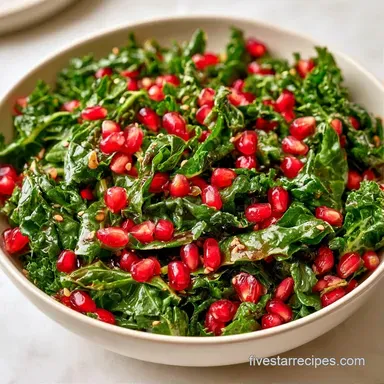
Balsamic Kale Pomegranate Salad
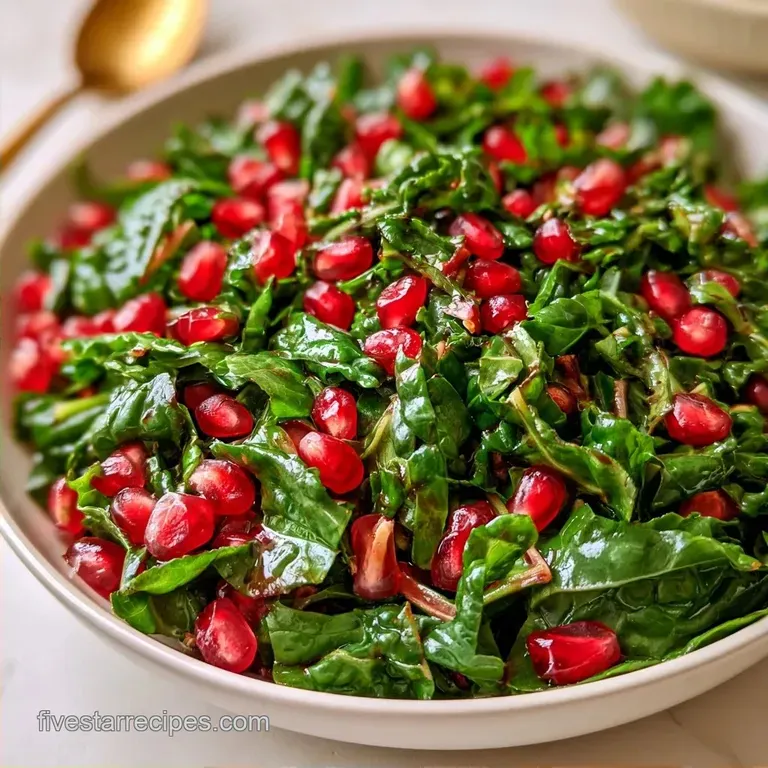
- Time: 15 min active + 5 min toasting walnuts
- Flavor/Texture Hook: Zesty, salty, and bursting with fresh pomegranate
- Perfect for: Holiday side dishes, meal prep, or crowd-pleasing potlucks
Easy Kale Pomegranate Salad Recipe
The sound of pomegranate seeds popping under a knife is one of my favorite parts of winter. There is something about those ruby red gems that makes a table feel like a celebration. I first encountered this combination at a small family gathering where the host grew up in a Mediterranean climate.
In those regions, pomegranate isn't just a garnish, it's a staple that brings a sharp, acidic brightness to earthy winter vegetables.
For a long time, I struggled with raw kale. I used to think it tasted like chewing on a bitter piece of cardboard, and I almost gave up on it entirely. Then I learned the "massage" technique. Once you realize that kale needs a bit of physical work to soften up, it becomes the most reliable salad green in your fridge.
This Kale Pomegranate Salad is my go to because it doesn't wilt. You can make it in the morning, and by dinner, the flavors have actually melded together and improved. It's a nutrient dense dish that feels fancy enough for a party but takes very little effort if you have the right shortcuts.
Why This Salad Actually Works
- Cellulose Breakdown: Kale has tough cell walls. Massaging it with salt and lemon juice breaks those walls down, which removes the bitter edge and makes the leaves tender.
- Balanced Acidity: The sharp bite of balsamic vinegar is balanced by the sweetness of maple syrup and the creaminess of feta.
- Textural Contrast: You get a mix of soft leaves, crunchy walnuts, and the burst of pomegranate seeds in every bite.
| Goal | Method | Result |
|---|---|---|
| Quick Version | Use pre cut kale & bottled balsamic | 5 min prep, slightly more bitter |
| Classic Version | Hand slice & massage kale | 15 min prep, tender and glossy |
| Extra Tart | Add 1 tsp lemon zest | Brighter, more acidic profile |
What Each Ingredient Does
| Ingredient | Role | If You Don't Have It |
|---|---|---|
| Lacinato Kale | Hearty, earthy base | Curly kale (needs more massaging) |
| Pomegranate Arils | Sweet tart bursts | Dried cranberries (sweeter, less pop) |
| Feta Cheese | Salty, creamy contrast | Goat cheese (tangier, softer) |
| Balsamic Vinegar | Deep, acidic glaze | Red wine vinegar + a pinch of sugar |
| Walnuts | Earthy crunch | Pecans or slivered almonds |
Equipment Needed
Basic tools are all you need; I usually just reach for a large bowl and a jar.
- Large Mixing Bowl: A spacious bowl ensures the kale doesn't spill over the edges while you massage it.
- Glass Jar with Lid: This is the ideal tool for the dressing, as it allows you to shake the ingredients together.
- Small Skillet: To toast the walnuts rapidly.
- Sharp Chef's Knife: For slicing the kale into thin, uniform ribbons.
Making The Salad
1. Preparing the Leafy Base
Place the sliced kale in your large mixing bowl. Drizzle it with 1 tbsp olive oil, 1 tbsp lemon juice, and 1/2 tsp kosher salt. Use your clean hands to firmly squeeze and massage the leaves for 2–3 minutes.
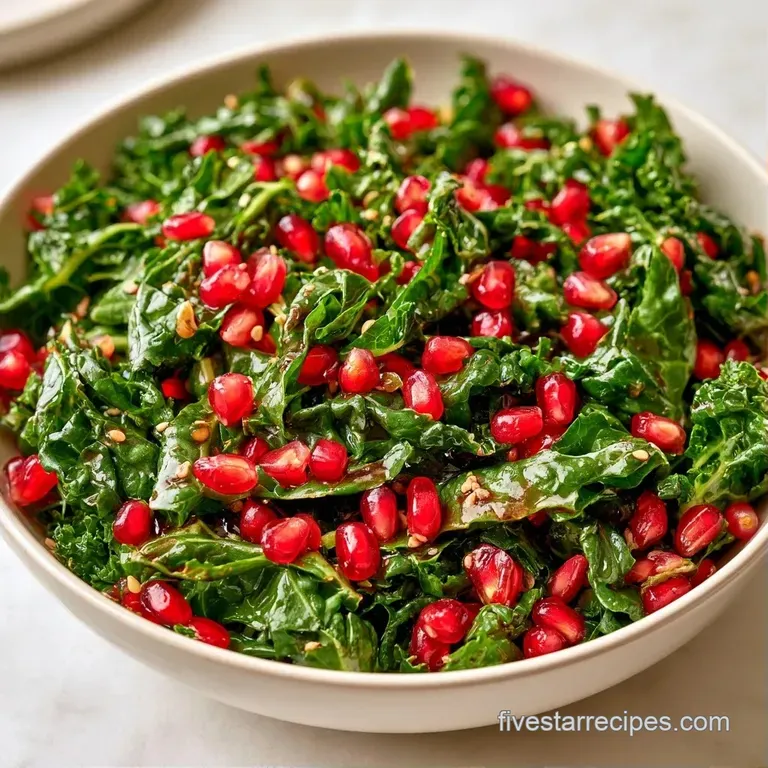
Stop when the leaves shift from a matte forest green to a dark, glossy emerald and feel tender to the touch. Note: If the kale still feels stiff, keep massaging; the salt is what draws out the moisture.
2. Toasting the Walnuts
Place the walnuts in a dry skillet over medium heat. Shake the pan frequently for about 5 minutes until they smell toasted and look golden brown. Move them to a plate immediately so they don't burn.
3. Emulsifying the Dressing
Combine the balsamic vinegar, maple syrup, Dijon mustard, salt, and pepper in your jar. Slowly pour in the 1/3 cup olive oil. Shake the jar vigorously for 30 seconds until the dressing is thick, glossy, and fully combined without any oil droplets floating on top.
4. Final Assembly
Pour the balsamic dressing over the massaged kale. Toss it well to ensure every leaf is coated. Gently fold in the pomegranate arils, toasted walnuts, crumbled feta, and chopped parsley. Toss only until the feta is slightly marbled with the balsamic glaze so it doesn't turn the whole salad grey.
Fixing Common Issues
Kale feels like cardboard
If the leaves are still rigid after the first go, you didn't apply enough pressure. Return them to the bowl and massage for another 60 seconds. The salt and acid need time to penetrate the fibers. Trust me, your jaw will thank you for the extra minute of work.
Dressing separated quickly
This usually happens if the Dijon mustard was skipped or the oil was added too fast. If you see oil pooling on top, just give the jar another hard shake. The mustard acts as a stabilizer to keep the oil and vinegar locked together.
Salad became soggy
Kale is hardy, but if you dress it 24 hours in advance, the salt will draw out too much water. To avoid this, massage the kale and store it, but don't add the final dressing, nuts, or cheese until 2 hours before serving.
Adjusting Your Batch Size
Cutting it in half Use 1 bunch of kale and a smaller bowl. You can reduce the massaging time to about 2 minutes. If you're using a single egg in a different version of this dish, beat it first and use half, but here, just halve the liquid measurements.
Scaling up for a crowd If you're making this for a party (4x batch), don't quadruple the salt and pepper immediately. Start with 2x or 3x the seasoning and taste it. Liquids can be scaled linearly, but I recommend working in batches when massaging the kale so you can actually reach all the leaves.
Common Salad Misconceptions
Many people think raw kale is always bitter and impossible to eat. The truth is that the bitterness is just a result of the tough cellulose. Once you break those fibers down through massaging, the flavor becomes mild and nutty.
Another myth is that you should dress a salad right before serving to keep it fresh. While that's true for romaine or spinach, hearty greens like those in a Kale Pomegranate Salad actually benefit from sitting in the dressing for an hour or two.
Storage Guidelines
Store this Kale Pomegranate Salad in a tightly closed container in the refrigerator for up to 4 days. Since kale is so hardy, it doesn't wilt the way lettuce does; actually, the flavors only get better over time.
To reduce waste, keep the kale stems. I usually mince them finely and sauté them with garlic and onions to create a base for soup or pasta sauce. They maintain a nice crunch once cooked and are full of nutrients.
If you have remaining pomegranate arils, freeze them in a single layer on a baking sheet before moving them into a bag. They will stay fresh for months and are perfect for adding to a morning smoothie.
Fun Flavor Twists
The Vegan Tahini Twist
Swap the feta for a dollop of hummus or add a tablespoon of tahini to the dressing. This adds a creamy, nutty depth that replaces the saltiness of the cheese. If you love earthy flavors, you might also like this Salad with Butternut Squash recipe for a similar vibe.
The Autumn Apple Addition
Fold in half a diced Granny Smith apple. The extra tartness of the apple pairs beautifully with the pomegranate. For something even faster, you can try an Apple Fall Salad when you're short on time.
The Nut Free Protein Swap
If walnuts are a no go, use toasted sunflower seeds or pumpkin seeds (pepitas). They provide the same crunch without the allergen risk. To make it a full meal, add grilled chickpeas or sliced chicken breast.
The Mediterranean Swap
Use Kalamata olives instead of walnuts and add a pinch of dried oregano to the dressing. This pushes the Kale Pomegranate Salad further into a Greek inspired territory.
What To Serve With It
Since this salad is so bold in flavor, it pairs best with proteins that aren't overly acidic. I recommend serving it alongside seared salmon or roasted chicken; the sweetness of the pomegranate perfectly balances the richness of the meat.
If you're putting together a larger spread, this complements a side of and Sweet Potato Salad recipe for a hearty, satisfying meal. The warmth of the potatoes provides a lovely contrast to the cool, crunchy kale.
For a lighter lunch, try pairing this dish with toasted sourdough topped with avocado or a bowl of lentil soup. Its vivid colors make it a stunning centerpiece for any winter table.
Chef's Note: To achieve a more concentrated taste, simmer your balsamic vinegar in a pan for 5 minutes until it thickens into a syrup before adding it to the dressing. This gives the Kale Pomegranate Salad a professional, gourmet touch.
According to USDA FoodData Central, pomegranates are packed with vitamin C and antioxidants, making them an excellent choice for an immune boost during the winter. Furthermore, the healthy fats found in the walnuts and olive oil help your body more effectively absorb the vitamins in the kale.
Recipe FAQs
How to prepare this salad as a beginner?
Massage the sliced kale with olive oil, lemon juice, and salt for 2-3 minutes. Once the leaves feel tender and glossy, toss them with the balsamic dressing and fold in the remaining toppings.
Why massage the kale leaves?
It breaks down the tough cellulose. This physical action transforms the matte forest green leaves into a tender, glossy emerald consistency that absorbs dressing more effectively.
Is it true this is an Ottolenghi recipe?
False. While it shares a similar flavor profile, this specific version utilizes a maple balsamic emulsion and toasted walnuts.
What additions make kale tastier?
Add tart and salty elements. The combination of pomegranate arils and crumbled feta cheese cuts through the natural bitterness of the Lacinato kale.
Which other recipes complement this?
Light, zesty vegetable sides. If you enjoyed the bright, tangy flavors of this dish, you'll love the similar approach we take in our Tomato Salad for 4 recipe.
Can I use a different vinegar?
No, stick with balsamic. The specific depth and sweetness of balsamic vinegar are essential to balancing the maple syrup and marbling the feta.
Does the salad hold up overnight?
Yes, it stays fresh. Because kale is exceptionally sturdy, the flavors actually deepen over several days without the leaves wilting.
Must kale be cooked to be tender?
No, and here's why. Firmly massaging the raw leaves with lemon juice and olive oil softens the fibers enough to create a pleasant texture without heat.
Kale Pomegranate Salad