Fruit Salad with Honey Lime Dressing
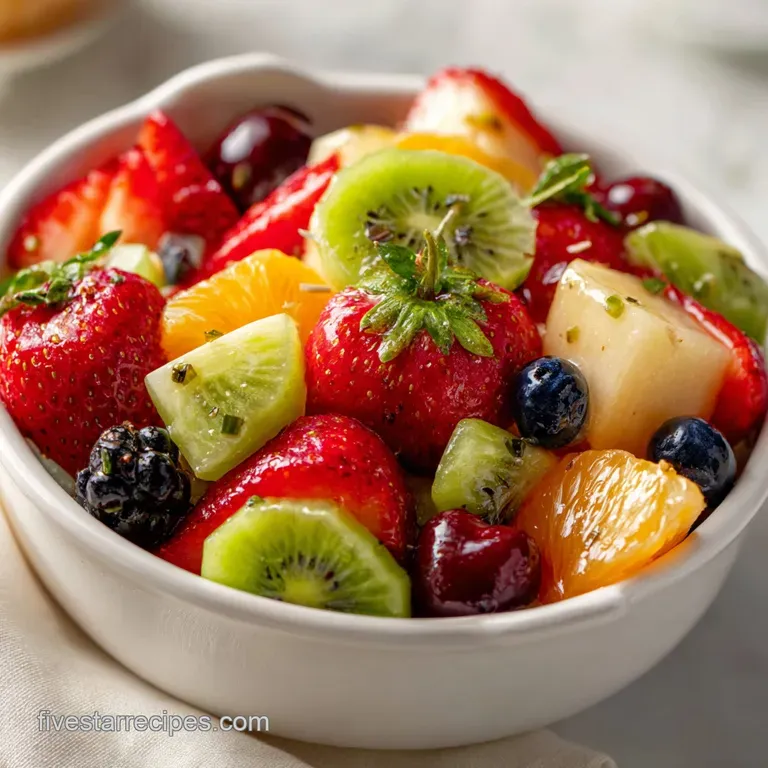
- Time:20 minutes prep + 15 minutes chilling = 35 minutes total
- Flavor/Texture Hook: Zesty, bright, and refreshing with a velvety honey finish
- Perfect for: Summer cookouts, holiday brunches, or healthy meal prep
- Creating a Vibrant Fruit Salad with Honey Lime Dressing
- Why This Refreshing Glaze Stays Bright
- Breaking Down the Essential Fresh Components
- Choosing Your Best Ingredient Substitutes
- Essential Tools for Precision Prepping
- Assembling the Ultimate Summer Fruit Salad
- Why Your Salad Might Be Watery
- Scaling for Large Parties or Small Snacks
- Common Fruit Salad Misconceptions
- Best Preservation and Zero Waste Methods
- What to Serve with This Dish
- Recipe FAQs
- 📝 Recipe Card
Creating a Vibrant Fruit Salad with Honey Lime Dressing
Have you ever noticed how the fruit salads at high end hotel brunches always look like glistening jewels, while the ones we toss together at home often turn into a soggy, brownish soup within twenty minutes? It’s a frustrating kitchen mystery that used to drive me up the wall.
I’d spend a small fortune on organic berries and perfectly ripe mangoes, only to have them weep all their juices the moment they touched a bowl.
The secret isn't actually in the fruit itself, but in how you handle the moisture. Most people treat a fruit salad like a green salad they just pour the dressing over and hope for the best.
But fruit is mostly water, and the second you add sugar (honey) and acid (lime), you’re essentially starting a chemical process that draws liquid out of the cells.
This recipe is about reclaiming the crunch. We're going to build a fruit salad with honey lime dressing that actually stays vibrant on the plate. By understanding which fruits to chop first and how to "seal" them with a thickened honey glaze, you'll produce a dish that feels chef level rather than like an afterthought.
It's a game shifter for summer entertaining, trust me.
Why This Refreshing Glaze Stays Bright
- Enzymatic Inhibition: The citric acid in the lime juice effectively lowers the pH on the surface of the fruit, which halts the browning process in sensitive items like apples or pears, though here it keeps our mango and strawberries looking neon bright.
- Viscosity Cling: Honey acts as a natural thickener; when whisked with lime juice, it creates a syrup with high surface tension that "grabs" onto the fruit skins instead of sliding to the bottom of the bowl.
- Osmotic Delay: By chilling the mixture for exactly 15 minutes, we allow the honey to set slightly into a glaze without giving it enough time to fully macerate the fruit and pull out excessive internal water.
- Surface Tension: Emulsifying the dressing through vigorous whisking ensures the oil like properties of the lime zest oils stay suspended in the honey, providing a consistent flavor in every bite.
| Thickness of Cut | Fruit Type | Purpose | Visual Cue |
|---|---|---|---|
| 1/2 inch Cubes | Pineapple/Mango | Structural base | Firm edges, no mush |
| Halved | Grapes/Strawberries | Juice release | Exposed interior red/white |
| Thin Half moons | Kiwi | Aesthetics | Vibrant green contrast |
| Whole | Blueberries | Texture pop | Taut, dusty blue skin |
Breaking Down the Essential Fresh Components
Choosing your fruit is a bit like casting a play; you need some stars, some supporting actors, and a few people to just look pretty in the background. For this fruit salad with honey lime dressing, we want a mix of "water heavy" and "flesh heavy" fruits.
The pineapple and mango provide the meaty texture, while the grapes and blueberries provide that satisfying "pop" when you bite into them.
| Ingredient | Science Role | Pro Secret |
|---|---|---|
| Fresh Lime Juice | Acid Catalyst | Roll the lime on the counter first to break the juice sacs for maximum yield. |
| Raw Honey | Texture Binder | If your honey is crystallized, microwave it for 5 seconds; it must be fluid to emulsify. |
| Lime Zest | Aromatic Oil | Only grate the green part; the white pith underneath is incredibly bitter. |
| Fresh Mint | Flavor Contrast | Hand tear or chiffonade at the very last second to prevent the edges from turning black. |
If you're hosting a brunch and want something savory alongside the sweetness, this Greek Cucumber Salad offers a sharp, cooling contrast that balances the honey beautifully.
Choosing Your Best Ingredient Substitutes
Sometimes the grocery store doesn't cooperate, or your budget is a bit tight. Don't sweat it. You can swap things out as long as you maintain the balance of textures. Just remember that if you move away from the fresh fruit salad with honey lime dressing core, the shelf life might change.
| Original Ingredient | Substitute | Why It Works |
|---|---|---|
| Honey (1/4 cup) | Agave Nectar | Similar viscosity but vegan friendly. Note: Agave is sweeter, so use 20% less. |
| Fresh Pineapple | Jicama | Adds a massive crunch and carries the lime flavor well without being as acidic. |
| Lime Juice | Lemon or Orange Juice | Provides the necessary acid, though orange is much milder and less "zesty." |
| Strawberries | Raspberries | Adds a similar tartness but they are much more fragile; fold in gently. |
For a heartier lunch option that stays in that vibrant, fresh zone, I often pair this with a Healthy Mediterranean Chickpea Salad which shares that bright, citrusy profile.
Essential Tools for Precision Prepping
- Large Non Reactive Bowl: Use glass or stainless steel. Avoid aluminum, as the lime juice can react with the metal and give your fruit a weird metallic tang.
- Microplane or Fine Zester: You need the zest to be almost like a powder so it distributes evenly in the dressing.
- Small Glass Jar: My favorite trick for the dressing is shaking it in a small jam jar rather than whisking in a bowl. It emulsifies the honey and lime much faster.
- Sharp Chef's Knife: Dull knives bruise fruit instead of slicing it, leading to faster oxidation and mushiness.
Assembling the Ultimate Summer Fruit Salad
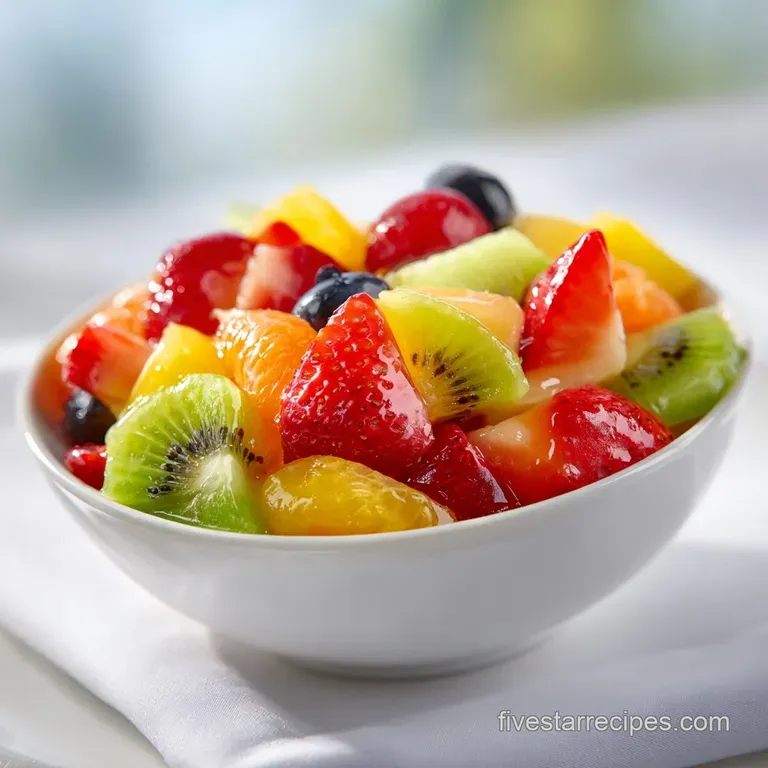
- Prep the fruit. Wash and thoroughly dry all fruit to prevent the dressing from becoming diluted. Note: Water is the enemy of a glossy glaze.
- Cube the base. Cube the pineapple and mango into uniform 1/2 inch pieces until they look like consistent bite sized jewels.
- Slice the aromatics. Slice the grapes and strawberries to expose their interior allowing the dressing to penetrate the flesh.
- Create the glaze. In a small glass jar or bowl, whisk together the honey, fresh lime juice, and lime zest. Whisk vigorously until the honey is fully emulsified and forms a velvety glaze.
- Mix the hardy fruits. In a large non reactive mixing bowl, combine the pineapple, mango, grapes, and mandarin oranges.
- Apply the first coat. Pour the dressing over these fruits and toss gently until every surface is glistening.
- Add the delicate items. Delicately fold in the strawberries, blueberries, and kiwi. Note: Doing this last prevents the strawberries from staining the lighter fruits red.
- The final touch. Sprinkle with fresh mint chiffonade just until the green flecks are evenly distributed.
- The set time. Let the salad chill in the refrigerator for 15 minutes until the flavors meld and the glaze sets into a sticky coating.
Why Your Salad Might Be Watery
One of the biggest complaints with this summer fruit salad recipe is that it turns into fruit soup. This usually happens because the fruit wasn't dried properly after washing. If you leave water on the skins, the honey dressing can't "grip" the fruit, and it just slides off and pools at the bottom.
Why the fruit looks dull
If your fruit looks matte and dry instead of shiny, you might have skipped the emulsification step. Honey and lime juice have different densities. If they aren't whisked into a single, cohesive syrup, the lime juice will just run off and the honey will clump.
| Problem | Root Cause | Solution |
|---|---|---|
| Pool of liquid | Maceration | Only dress the fruit 15-20 minutes before serving. |
| Bitter aftertaste | Zesting too deep | Only use the green outer skin; stop when you see white. |
| Mushy strawberries | Over mixing | Fold delicate berries in at the very end with a rubber spatula. |
Common Mistakes Checklist
- ✓ Patting the fruit completely dry with paper towels after washing.
- ✓ Using room temperature honey so it blends smoothly with the lime.
- ✓ Cutting the pineapple and mango into identical 1/2 inch cubes for even distribution.
- ✓ Adding the mint at the absolute last second to keep it from wilting.
- ✓ Avoiding frozen fruit, as it releases too much water upon thawing.
Scaling for Large Parties or Small Snacks
When you're scaling this healthy fruit salad recipe, you have to be careful with the dressing. For a half batch, simply halve everything, but use a slightly smaller bowl so the dressing doesn't just coat the sides of the bowl instead of the fruit.
If you're doubling the recipe for a big BBQ (serving 20), don't just double the honey. I find that using 1.5x the honey and 2x the lime juice keeps it from becoming cloyingly sweet. Also, work in two separate bowls if you don't have one massive enough to toss the fruit without crushing the bottom layer.
For a huge crowd, keep the fruit chilled in the bowl and add the dressing 15 minutes before they start eating.
| Fresh Fruit | Shortcut Version | Resulting Texture |
|---|---|---|
| Whole Lime Zest | Bottled Lime Juice | Milder aroma, less "zing" |
| Hand cut Pineapple | Canned Tidbits | Softer, more sugary, less crunch |
| Fresh Mint Leaves | Dried Mint | Avoid: Dried mint tastes like hay in fresh salad |
Common Fruit Salad Misconceptions
There’s a huge myth that you should add sugar to "bring out the juices." While this works for a macerated berry topping for shortcake, it is the death of a fresh fruit salad. We want the juices to stay inside the fruit.
That’s why we use honey it provides sweetness and shine without the abrasive crystalline structure of granulated sugar that tears into the fruit’s cell walls.
Another misconception is that you can use any fruit. Avoid bananas unless you are eating the whole bowl within ten minutes. They turn gray and slimy faster than anything else. Also, steer clear of watermelon in this specific honey lime dressing for fruit mix; watermelon is so watery that it will dilute your beautiful honey glaze into a thin, flavorless liquid almost instantly.
Best Preservation and Zero Waste Methods
- Storage: This salad is best eaten within 4 hours. You can keep it in the fridge for up to 2 days, but be prepared for it to be much softer and "juicier" on day two.
- Freezing: Do not freeze the dressed salad. The honey and lime will prevent it from freezing into a pleasant texture.
- Zero Waste Tip: If you have leftovers that are getting a bit mushy, don't toss them! Toss the whole thing into a high speed blender with a cup of Greek yogurt. The honey and lime in the dressing make a perfect base for a "fruit salad smoothie."
- Leftover Zest: If you have extra limes, zest them all and freeze the zest in an airtight container for your next batch of muffins or tacos.
What to Serve with This Dish
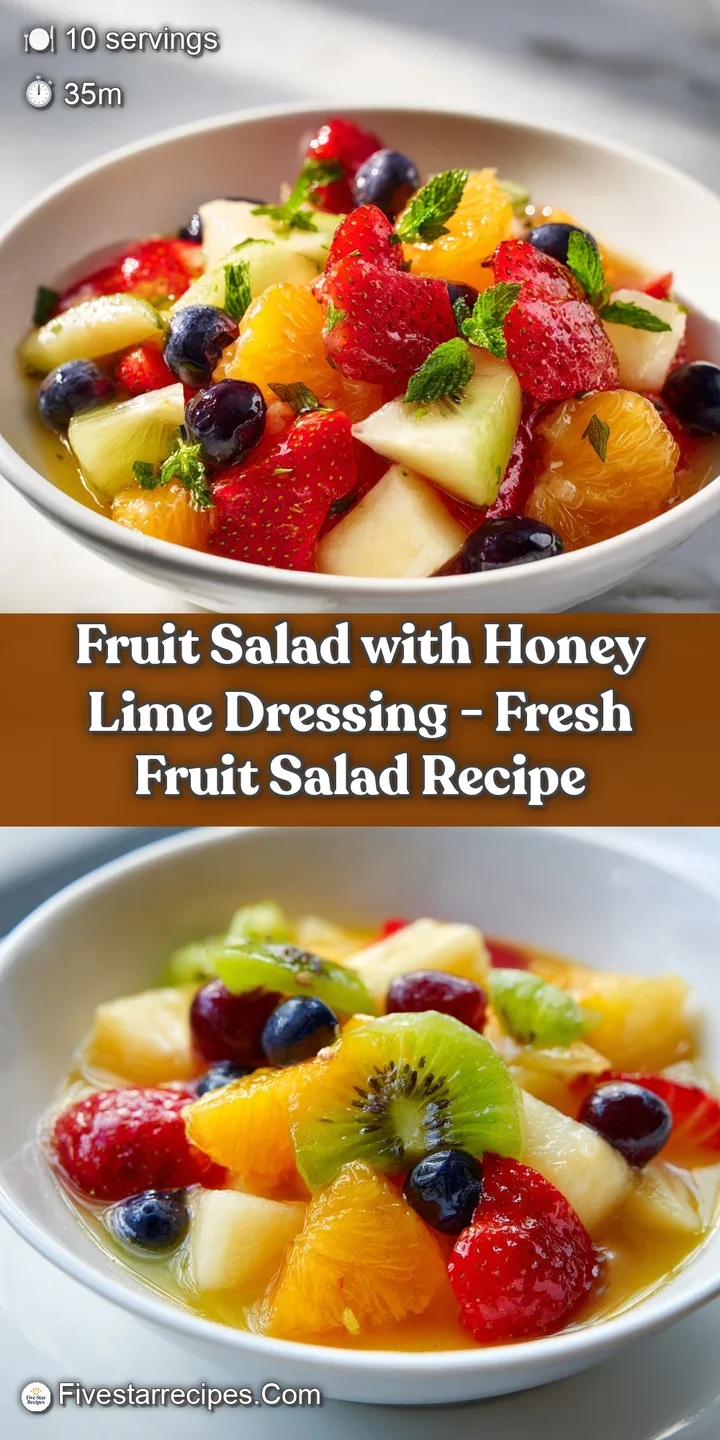
This rainbow fruit salad with honey lime dressing is a natural partner for anything off the grill. The acidity of the lime cuts through the fat of burgers or grilled chicken beautifully. If you're doing a fancy brunch, serve it alongside a savory quiche or some smoked salmon bagels.
Chef Tip: For a "gourmet" twist, sprinkle a tiny pinch of flaky sea salt over the salad right before serving. The salt makes the sweetness of the honey and the tartness of the lime "pop" on your tongue. It sounds weird, but it's the secret many professional chefs use to make fruit taste more "fruity."
If you want a bit of a kick, a tiny pinch of chili lime seasoning (like Tajin) can turn this into a Mexican inspired treat that's incredible on a hot afternoon. Just be careful not to overdo it, or you'll lose the delicate floral notes of the honey!
Recipe FAQs
How to make honey lime dressing for fruit salad?
Whisk the honey, fresh lime juice, and lime zest in a small glass jar or bowl until emulsified. Continue whisking vigorously until the mixture transforms into a smooth, velvety glaze that coats the back of a spoon.
What fruits should not be mixed in fruit salad?
Avoid mixing high moisture fruits like melons with firmer options if you plan to store the salad for long. While this recipe uses hearty pineapple, mango, grapes, and oranges, adding soft, watery fruits can cause the salad to turn into a soup faster than desired.
How to make honey dressing for fruit salad?
Combine 1/4 cup honey, 2 tablespoons fresh lime juice, and 1 tablespoon lime zest. If you enjoyed mastering this stable emulsion, remember to whisk it until the honey fully integrates with the citrus for the best results.
What is a good dressing for a fruit salad?
A honey lime glaze is excellent because it creates a protective, velvety barrier on the fruit. This prevents the salad from becoming soggy while enhancing the natural sweetness and acidity of the produce.
Is it true that I should chop all my fruit hours in advance?
No, this is a common misconception. You can chop heartier fruits like pineapple and mango up to 4 hours early, but delicate berries and kiwi should be prepared and added just before the final 15-minute chill to maintain their texture.
How to keep strawberries from getting mushy in fruit salad?
Fold the strawberries in gently at the very last step. Their structural integrity is lower than fruits like grapes or pineapple, so adding them carefully after the heartier fruit has been dressed prevents them from breaking down prematurely.
Why does the fruit salad need to chill for 15 minutes before serving?
Chilling allows the flavors to meld and the glaze to set properly. This brief rest ensures the honey lime coating adheres to the fruit, giving it that professional, glistening look rather than leaving a pool of liquid at the bottom of the bowl.
Honey Lime Fruit Salad
Ingredients:
Instructions:
Nutrition Facts:
| Calories | 124 calories |
|---|---|
| Protein | 1.3 g |
| Fat | 0.5 g |
| Carbs | 31.2 g |
| Fiber | 3.2 g |
| Sugar | 25.8 g |
| Sodium | 4 mg |
