Monkey Bread: Flaky and Caramelized
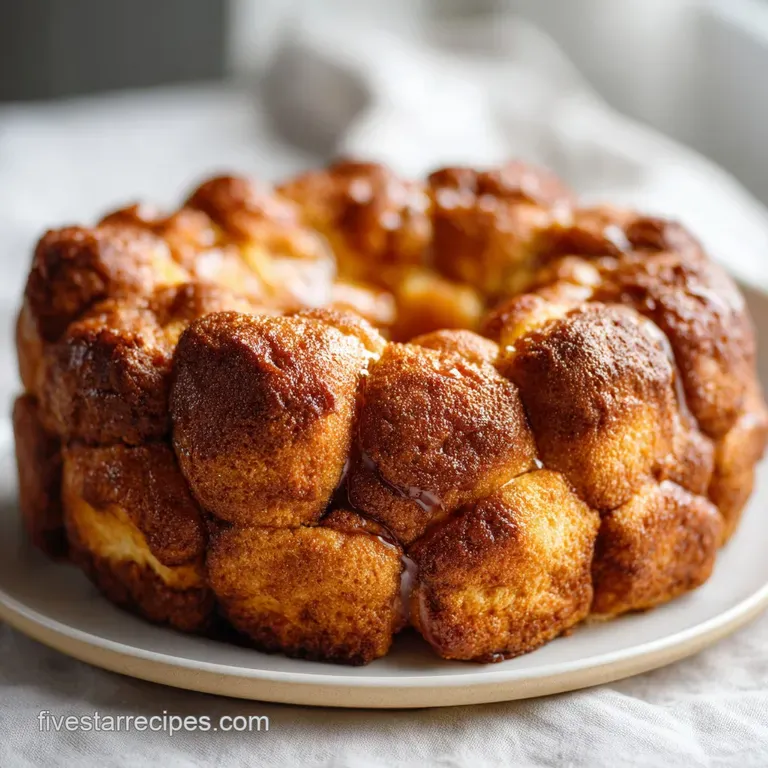
- Time: Active 20 minutes, Passive 35 minutes, Total 55 minutes
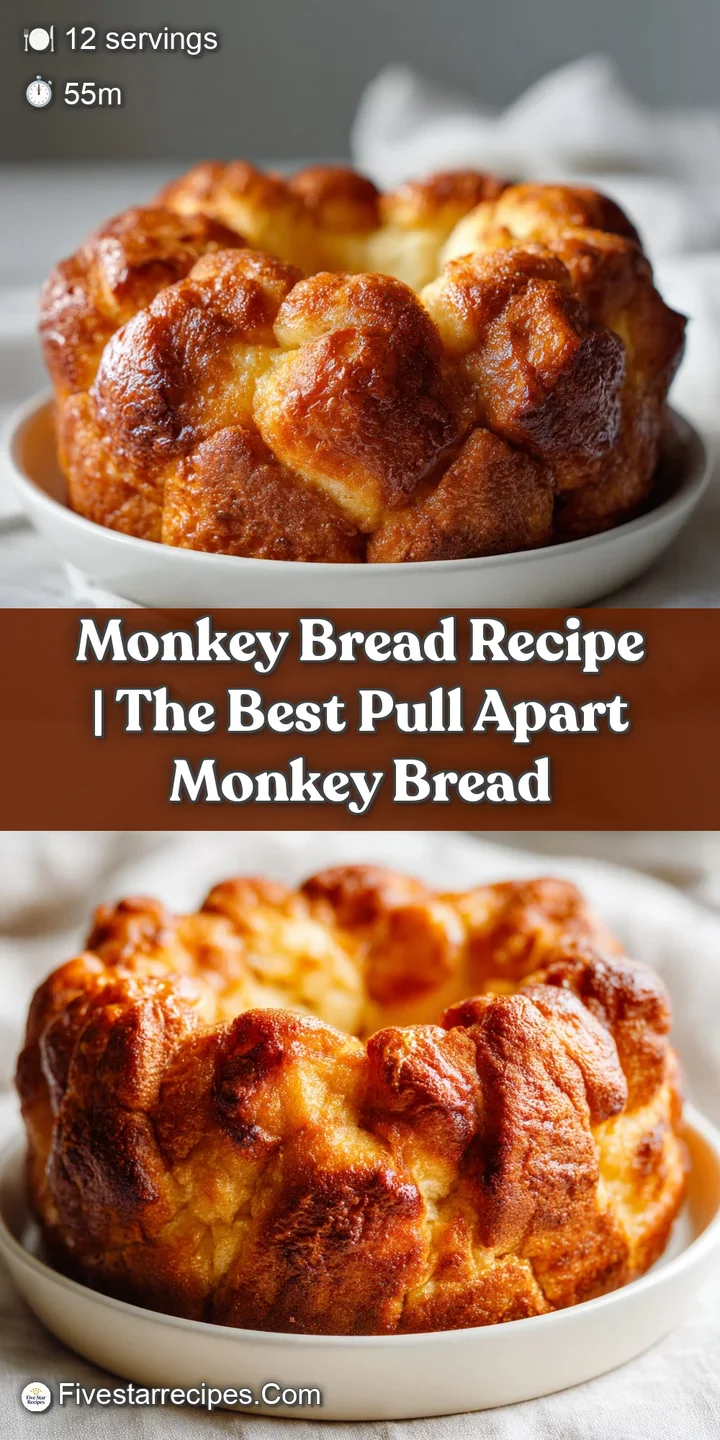
- Flavor/Texture Hook: Flaky cinnamon layers with a mahogany colored shatter crust
- Perfect for: Holiday brunches or a high end weekend treat
- Master the Ultimate Gooey Monkey Bread Recipe
- Why Structural Integrity Fails in Most Bundt Bakes
- Precise Technical Specs for Gourmet Success
- Selecting High-Quality Foundation Components
- Essential Tools for Consistent Baking
- Step-By-Step Guidance for Flawless Execution
- Diagnosing and Fixing Structural Issues
- Flavor Profiles and Dietary Adaptations
- Optimal Preservation and Reheating Methods
- Finishing Touches and Presentation Ideas
- Very High in Sodium ⚠️
- Recipe FAQs
- 📝 Recipe Card
Master the Ultimate Gooey Monkey Bread Recipe
The kitchen transforms when you open that first jar of high-quality cinnamon. It is not just a scent, it is a warm, woody fragrance that hits the back of your throat and promises something truly gourmet.
When the butter and brown sugar begin to bubble in the saucepan, they create a silky, amber liquid that looks like molten gold. It is this sensory buildup that makes this monkey bread recipe a staple in my home.
Most people think of this as a simple childhood snack, but we are approaching it with the precision of a professional pastry chef. We are looking for that specific moment when the sugar reaches a mahogany colored finish, signaling the deep caramelization that provides a complex flavor profile.
This is not about just throwing dough in a pan, it is about the physics of heat distribution and the chemistry of a stable emulsion.
We have all seen those versions where the center is a gummy, raw disaster while the outside is burnt to a crisp. This guide is designed to prevent those failures through technical checkpoints and ingredient selection.
Whether you are using refrigerated dough for efficiency or crafting yours from scratch, the principles of thermal conduction remain the same for a successful bake.
Why Structural Integrity Fails in Most Bundt Bakes
Capillary Action: The syrup must be viscous enough to cling to the dough spheres rather than pooling at the bottom of the pan. A stable emulsion prevents the fat from separating, which often causes a greasy, heavy texture in lesser recipes.
Heat Distribution: Bundt pans are designed with a center chimney to facilitate airflow, but overcrowding the dough blocks this passage. Maintaining space between the quarters allows the hot air to penetrate the center, ensuring the middle pieces reach the same internal temperature as the exterior.
The Moisture Barrier: Coating each piece thoroughly in cinnamon sugar creates a micro barrier that prevents the caramel syrup from over saturating the dough. This ensures the interior stays flaky and light rather than turning into a dense, soggy mass during the 35 minutes of baking.
Sugar Stability: Using a combination of granulated and brown sugar provides both structural crispness and moisture. The granulated sugar on the dough creates a slight "shatter" texture, while the brown sugar in the glaze contributes the molasses rich, velvety finish we crave.
| Method | Time | Texture | Best For |
|---|---|---|---|
| Traditional Oven | 35 minutes | Crisp exterior, airy center | Maximum flavor development |
| Stovetop (Steam) | 45 minutes | Uniformly soft and pillowy | Avoiding a hard crust |
| Convection Bake | 28 minutes | Extra flaky and golden | Achieving a rapid, deep mahogany color |
Choosing the right method depends entirely on your texture preference, though the oven remains the five star standard for that iconic caramel crust. The stovetop method, often used in Dutch ovens, relies more on steam, which results in a softer pull apart experience without the traditional crunch.
Precise Technical Specs for Gourmet Success
| Component | Science Role | Pro Secret |
|---|---|---|
| Buttermilk Dough | Provides the acidic lift for a tender crumb | Keep it chilled until the very last second to maintain fat layers |
| Ceylon Cinnamon | Lowers the "spice burn" for a floral aroma | Use a fresh jar; cinnamon oils dissipate rapidly once opened |
| Unsalted Butter | Controls the moisture to fat ratio | Melt slowly to prevent water evaporation before the sugar dissolves |
| Sea Salt | Enhances sweetness and stabilizes proteins | Use fine grain salt to ensure it dissolves completely in the glaze |
Each of these elements plays a specific role in the thermodynamics of the bake. For instance, the acidity in the buttermilk dough reacts with the heat to create a rapid rise, which is why we must work quickly once the cans are opened.
If the dough reaches room temperature before it hits the oven, you lose that initial "oven spring" that creates the airy pockets between the spheres.
Selecting high-quality Foundation Components
The success of this monkey bread recipe depends heavily on your choice of cinnamon. While common Cassia cinnamon is bold and spicy, I prefer ground Ceylon cinnamon for its delicate, citrusy notes. It provides a more sophisticated flavor that doesn't overwhelm the buttery dough.
You will need 3 tbsp (24g) of this high grade spice to ensure the aroma permeates every single layer of the dish.
For the base, 3 cans (16 oz each) of refrigerated buttermilk biscuit dough provide the necessary structure. This type of dough is engineered with specific leavening agents that thrive in the 325°F environment. If you find yourself wanting to experiment with different bases, you might consider how the hydration levels in a Best Sandwich Bread recipe would compare, though the refrigerated option is unmatched for its reliable, flaky results in this specific format.
Don't overlook the pecans. We are using ½ cup (60g) of toasted pecans, and the "toasted" part is non negotiable. Toasting the nuts for 5 minutes at 350°F before chopping them releases the essential oils, ensuring they stay crunchy even after being bathed in hot caramel.
This provides a necessary textural contrast to the soft, velvety dough.
- 3 cans (16 oz each) refrigerated buttermilk biscuit dough: The structural foundation.
- 1 cup (200g) granulated white sugar: For the initial coating and texture.
- 3 tbsp (24g) ground Ceylon cinnamon: The primary aromatic component.
- ¾ cup (170g) unsalted butter: The fat source for the caramel emulsion.
- ½ cup (110g) packed light brown sugar: Adds moisture and molasses depth.
- 1 tsp (5ml) pure vanilla extract: Rounds out the sweetness.
- ¼ tsp (1.5g) sea salt: A necessary flavor balancer.
- ½ cup (60g) toasted pecans: Finely chopped for a nutty crunch.
Essential Tools for Consistent Baking
The most critical tool is a 10 inch (12 cup) Bundt pan. The specific geometry of this pan, particularly the center tube, is what allows this monkey bread recipe to cook through without burning the edges. If you use a standard cake pan, the center will likely remain raw while the exterior becomes tough.
A heavy walled cast aluminum pan (like those from Nordic Ware) provides the most even heat distribution.
You will also need a large gallon sized resealable plastic bag. This is not just for convenience; it is a technical tool. Shaking the dough in the bag ensures a more uniform coating than rolling them by hand, which can compress the dough and lead to a dense finished product.
Finally, a small heavy bottomed saucepan is vital for melting the butter and brown sugar. A thin pan will cause the sugar to scorch before the butter is fully emulsified.
step-by-step Guidance for Flawless Execution
- Preheat and Prep: Set your oven to 325°F (165°C). Use a non stick spray or softened butter to generously coat every nook of your 10 inch Bundt pan. Note: Missing a spot here is the most common cause of structural collapse during inversion.
- Segment the Dough: Open the biscuit cans and cut each round into quarters. You want uniform pieces to ensure they all cook at the same rate.
- Create the Coating: Mix 1 cup granulated sugar and 3 tbsp cinnamon in the gallon sized bag. Seal it and shake to distribute the spice evenly.
- The Shake Method: Drop about 10 dough pieces into the bag at a time. Shake vigorously until every surface is matte and fully coated.
- Layering Technique: Place the coated spheres into the pan, scattering the ½ cup toasted pecans between the layers. Do not press them down; keep them loose to allow for expansion.
- Caramel Emulsion: In your saucepan over medium heat, melt the ¾ cup butter and ½ cup brown sugar. Stir constantly until the mixture is glossy and holds together.
- Final Aromatics: Remove the syrup from the heat and whisk in 1 tsp vanilla and ¼ tsp sea salt. This prevents the vanilla from evaporating in the high heat.
- The Pour: Drizzle the hot syrup evenly over the dough. Ensure it seeps into the crevices but doesn't completely submerge the top layer.
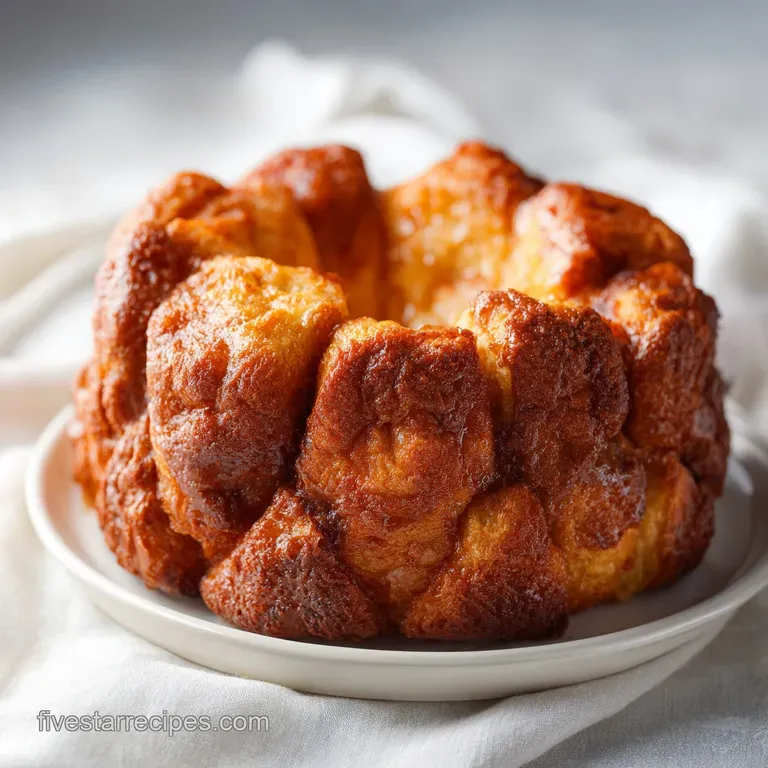
- The Bake: Slide the pan into the oven for 35 minutes. Bake until the top is mahogany colored and the center feels springy.
- The Rest: Cool on a wire rack for exactly 10 minutes. This allows the sugars to set slightly so the structure holds when you flip it onto a serving plate.
Diagnosing and Fixing Structural Issues
Bread sticks to the pan
This is usually a failure of the initial greasing or a timing issue with the inversion. If the sugar cools too much, it acts like glue. If this happens, place the pan back in a warm oven for 2 minutes to loosen the caramel before trying to flip it again.
Center remains raw dough
This occurs if the oven temperature is too high (causing the outside to brown too fast) or if the pan is overcrowded. Always use the 325°F setting for a slow, deep heat penetration.
If the top is getting too dark but the center is jiggly, tent the pan with foil for the last 10 minutes.
Caramel turns out grainy
A grainy texture means the sugar didn't fully dissolve or the emulsion broke. This happens when the syrup is boiled too hard. Keep the heat at medium and stop the moment the sugar is incorporated into the butter.
| Problem | Root Cause | Solution |
|---|---|---|
| Dry Crumb | Overbaking or lack of fat | Check doneness at 30 mins; ensure full butter quantity |
| Greasy Bottom | Broken butter emulsion | Stir syrup constantly until it looks like a unified glaze |
| Uneven Rising | Cold spots in the oven | Rotate the pan 180 degrees halfway through the 35 minutes |
Common Mistakes Checklist
- ✓ Ensure the pecans are finely chopped; large chunks can cause the "walls" of the bread to crumble.
- ✓ Do not skip the 10 minute rest; flipping too early results in a collapsed pile of dough.
- ✓ Check the expiration date on your biscuit cans; old dough won't have the "spring" needed for airiness.
- ✓ Use unsalted butter specifically to control the seasoning; salted butter can make the caramel taste metallic.
- ✓ Avoid using "grands" or jumbo biscuits unless you cut them into sixths; they are too large for the syrup to penetrate.
Flavor Profiles and Dietary Adaptations
If you need to scale this recipe down for a smaller household, you can easily halve the ingredients and use a 6 cup Bundt pan or even a standard loaf pan. For a half batch, reduce the baking time by about 20% and start checking the center for doneness at the 25 minute mark. If you find yourself needing a version for specific dietary needs, you can look into a sugar-free Banana Bread for inspiration on alternative sweeteners, though keep in mind that sugar alcohols do not caramelize in the same way as granulated sugar.
When doubling the recipe for a large party, do not simply stack two recipes into one massive pan. The center will never cook. Instead, use two separate Bundt pans and bake them side-by-side, ensuring there is at least two inches of space between them for proper airflow.
Increase the cinnamon and salt by only 1.5x to avoid an overpowering flavor profile.
| Servings | Dough Amount | Pan Size | Cook Time |
|---|---|---|---|
| 6 People | 1.5 cans | Loaf Pan | 28 minutes |
| 12 People | 3 cans | 10 inch Bundt | 35 minutes |
| 24 People | 6 cans | Two Bundt Pans | 38 minutes |
If you are looking for a shortcut, you can use pre mixed cinnamon sugar, but ensure the ratio is heavy on the cinnamon. Commercial mixes are often too pale for the deep flavor we want here.
Optimal Preservation and Reheating Methods
The high sugar content in this monkey bread recipe makes it a natural preservative, keeping the bread moist for up to 3 days when stored in an airtight container at room temperature. For longer storage, you can refrigerate it for a week, but the caramel will harden and lose its velvety sheen.
To revive the "just baked" texture, avoid the microwave if possible, as it can make the dough rubbery. Instead, place a slice in a 300°F oven for 5 to 7 minutes. This softens the sugar gently and restores the slight shatter to the outer crust.
If you have leftovers that have gone truly stale, they make an incredible base for a decadent bread pudding.
Finishing Touches and Presentation Ideas
While the bread is spectacular on its own, a gourmet presentation can take it to the next level. I often serve this with a side of lightly sweetened whipped cream or a dollop of crème fraîche to cut through the intense sweetness of the glaze.
The acidity of the crème fraîche balances the molasses notes in the light brown sugar beautifully.
Chef Tip: For an extra layer of flavor, add a tiny pinch of espresso powder to the butter and sugar mixture. It doesn't make it taste like coffee, but it deepens the "toasty" notes of the caramel, making it taste like something from a high end patisserie.
Myth: The dough must be at room temperature
Actually, using cold dough from the fridge is better. Cold dough maintains its shape longer during the coating process, preventing the pieces from sticking together prematurely. This creates more distinct "pull apart" gaps that eventually fill with that glorious syrup.
Myth: You must use heavy cream for the glaze
Many recipes call for cream to make a "richer" sauce, but in the high heat of the oven, cream can break or curdle. A simple butter and sugar emulsion is more stable and creates a clearer, more professional looking glaze that hardens into a beautiful shell.
Myth: The more sugar, the better the crust
Excessive sugar actually weighs down the dough, preventing it from rising properly. The measurements provided in this recipe are calibrated to give you the maximum amount of caramel without compromising the light, airy texture of the bread itself. Follow the 1 cup white/0.5 cup brown ratio for the best results.
Very High in Sodium ⚠️
1065 mg 1065 mg of sodium per serving (46% 46% of daily value)
The American Heart Association recommends limiting sodium intake to less than 2,300mg per day, with an ideal limit of less than 1,500mg for most adults.
Tips to Reduce Sodium
-
Choose Low-Sodium Biscuit Dough-30%
Opt for refrigerated biscuit dough labeled 'low sodium' or 'reduced sodium'. This is the biggest contributor to sodium in this recipe.
-
Reduce Added Salt-25%
Eliminate the ¼ tsp of sea salt entirely. The biscuit dough itself contains a significant amount of sodium, making this extra salt unnecessary.
-
Boost Flavor with Spices
While not a sodium reduction, increasing the Ceylon cinnamon and adding a pinch of nutmeg or cardamom can enhance the sweetness and flavor without adding salt.
-
Use Unsalted Butter
Ensure you are using unsalted butter as specified. Salted butter would further increase the sodium content.
Recipe FAQs
What ingredients are in monkey bread?
This recipe uses eight specific ingredients. You will need three cans of refrigerated buttermilk biscuit dough, one cup of granulated white sugar, three tablespoons of ground Ceylon cinnamon, three quarters cup of unsalted butter, one-half cup of packed light brown sugar, one teaspoon of pure vanilla
extract, one-quarter teaspoon of sea salt, and one-half cup of toasted, chopped pecans.
What are common monkey bread mistakes?
Failing to grease the pan thoroughly is the most common error. If you miss any crevices in your 10 inch Bundt pan, the caramel glaze will cause the dough to stick, leading to structural collapse when you invert it onto a serving plate.
What Pillsbury biscuits are best for monkey bread?
Standard buttermilk biscuit dough is the ideal choice. These provide the necessary leavening to create the signature pull apart texture, and if you enjoy mastering the proofing and texture balance here, the same principle applies to our other baked breakfast favorites.
Why is it called monkey bread?
It is named for the way you eat it. Because the dough is baked in individual pull apart pieces, you must eat it with your fingers, similar to how a monkey picks at its food.
How to ensure the center of the monkey bread cooks through?
Cut the biscuit rounds into uniform quarters before coating. Consistent sizing ensures every piece cooks at the same rate in your 325°F (165°C) oven, preventing raw dough centers while the outer edges brown.
Is it true I should bake monkey bread at 400 degrees for a crunchier crust?
No, this is a common misconception. You must maintain a 325°F (165°C) oven temperature for exactly 35 minutes to allow the caramel glaze to permeate the dough layers without burning the exterior sugars.
How to remove monkey bread from the pan without breaking it?
Cool the pan on a wire rack for exactly 10 minutes before inverting. This resting period allows the hot caramel glaze to thicken slightly so the dough pieces hold together when you flip the pan onto your serving plate.
Foolproof Monkey Bread
Ingredients:
Instructions:
Nutrition Facts:
| Calories | 582 kcal |
|---|---|
| Protein | 7.3g |
| Fat | 26.4g |
| Carbs | 81.2g |
| Fiber | 2.4g |
| Sugar | 44.8g |
| Sodium | 1065mg |
