Bing Tanghulu Recipe: Shatter Crisp Coating
- Time: Active 15 minutes, Passive 10 minutes, Total 25 minutes
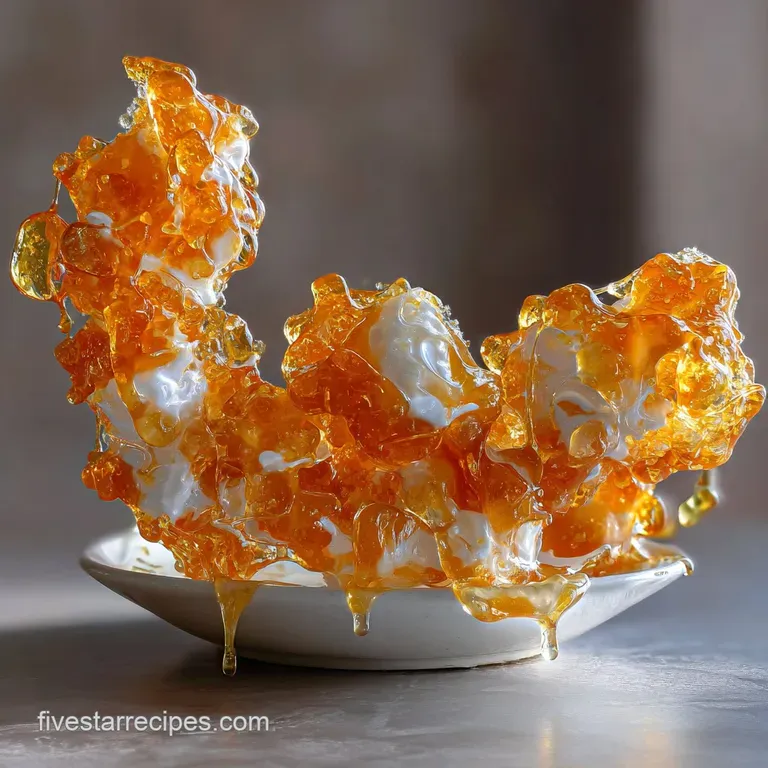
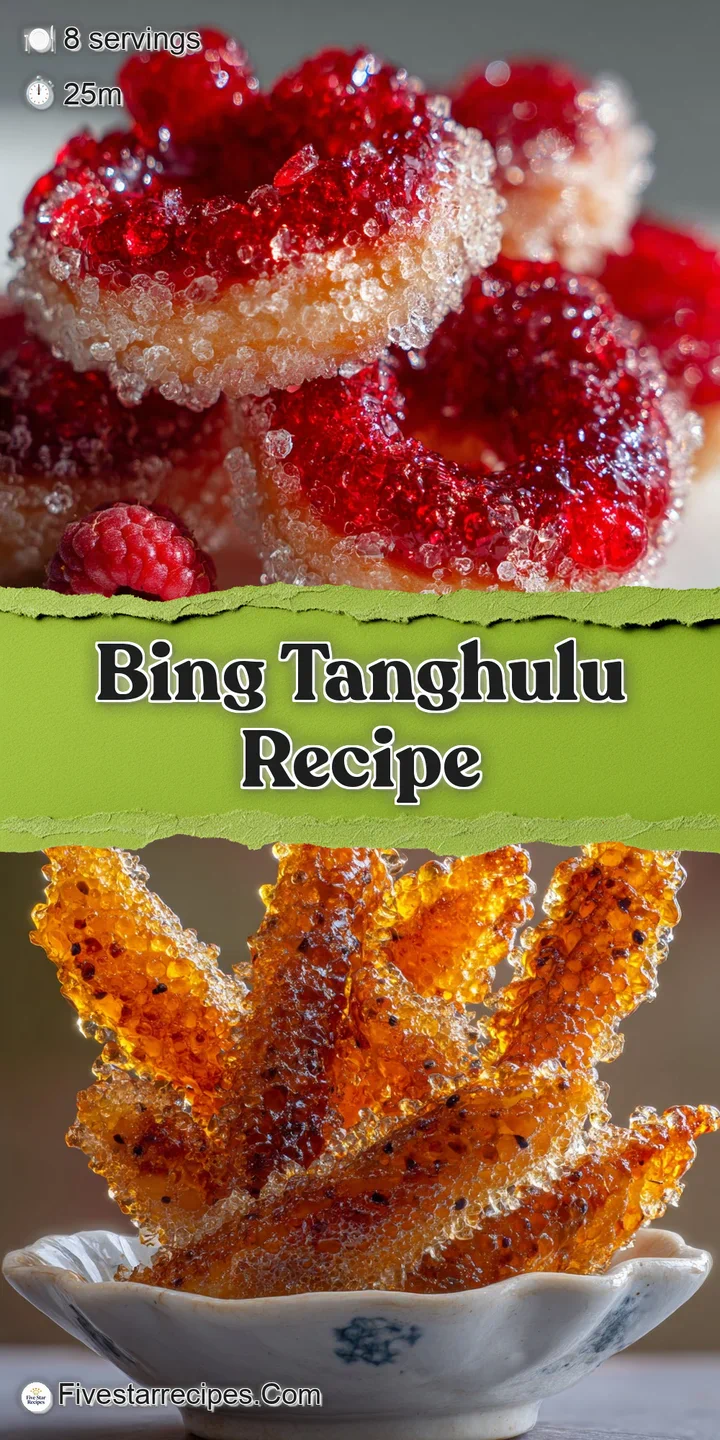
- Flavor/Texture Hook: A shatter crisp exterior giving way to a velvety, juicy fruit center
- Perfect for: Gourmet dinner parties or a scientifically satisfying weekend project
- Achieving Crystal Precision with a Bing Tanghulu Recipe
- The Kinetic Science of the Hard Crack Stage
- Technical Specifications for Achieving Five Star Results
- Analyzing the Essential Components for Sugar Glazing
- Required Laboratory Tools for Five Star Dessert Accuracy
- Standardized Procedures for Creating Glass Coated Fruit
- Identifying Failure Points and Strategic Glaze Fixes
- Mathematical Logic for Scaling Sugar Glaze Volume
- Gourmet Fruit Substitutions and Flavor Enhancement Profiles
- Deceptive Myths and Kitchen Realities
- Guidelines for Glaze Preservation and Waste Reduction
- Five Star Pairings for This Crispy Glass Confection
- Recipe FAQs
- 📝 Recipe Card
Achieving Crystal Precision with a Bing Tanghulu Recipe
The first time I attempted a bing tanghulu recipe, my kitchen looked like a sugar coated crime scene. I had tacky, sticky strawberries that glued my teeth together and a pot of burnt, amber syrup that smelled more like a campfire than a confection.
It was a mess, but that failure sparked an obsession with the thermodynamics of sucrose. I realized that this isn't just a snack; it's a study in phase transitions and moisture management.
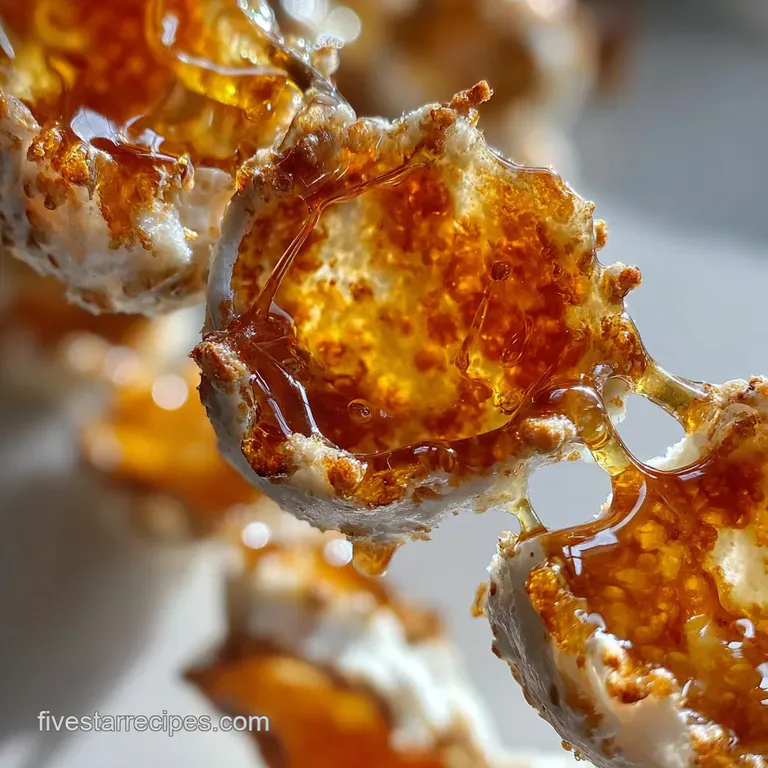
When you finally nail that perfect dip, the sound is unmistakable. It’s a sharp, high pitched crackle that echoes when you tap two skewers together. That sound is the auditory proof of a successful hard crack stage, where the sugar has been stripped of almost all moisture and frozen into a stable, non crystalline state.
Achieving this requires more than luck; it requires adherence to three specific numeric checkpoints that we will explore below.
The Kinetic Science of the Hard Crack Stage
Understanding the molecular behavior of your syrup is the difference between a five star result and a sticky disaster.
- Interfering Agents: Corn syrup acts as an "interfering agent," physically getting in the way of sucrose molecules trying to link back together into crystals, ensuring a clear, glass like finish.
- Evaporative Concentration: Boiling the solution to 300°F (150°C) reduces the water content to roughly 1%, which is the threshold for the "Hard Crack" stage.
- Thermal Shock Kinetics: Submerging the hot 300°F sugar into a 32°F ice bath causes an immediate arrest of molecular movement, locking the sugar in an amorphous solid state before it can soften the fruit’s cell walls.
- Surface Tension Management: Dehydrating the fruit surface ensures the hydrophobic sugar syrup can grip the skin without being repelled by microscopic water droplets.
| Method | Texture Result | Shelf Stability | Best For |
|---|---|---|---|
| Fresh (Traditional) | Shatter crisp, thin shell | 2 hours maximum | Immediate gourmet serving |
| Shortcut (Microwave) | Thicker, often tacky | 30 minutes maximum | Quick personal craving |
| Corn Syrup Addition | High gloss, ultra clear | 4 hours maximum | Humidity heavy environments |
Using a precise ratio of sugar to water is essential for controlling the rate of evaporation. In a professional setting, we look for a specific visual cue: the bubbles will transition from large and watery to small, dense, and slow moving as the concentration increases.
Technical Specifications for Achieving Five Star Results
| Ingredient | Science Role | Pro Secret |
|---|---|---|
| Granulated White Sugar | Bulk solid / Glass base | Use pure cane sugar for the highest clarity and fewest impurities. |
| Filtered Water | Solvent | Starting with filtered water prevents mineral induced premature crystallization. |
| Corn Syrup | Molecular Inhibitor | This prevents the syrup from turning into "sand" if you accidentally stir it. |
To achieve the best results, you want to ensure your fruit is at room temperature before dipping. If the fruit is too cold, it can cause the sugar to contract too quickly and crack prematurely. If you're looking for another fruit forward dessert to test your precision, my Classic Vanilla Bean recipe uses a similar focus on temperature controlled setting.
Analyzing the Essential Components for Sugar Glazing
- 8 large firm strawberries: Look for berries without soft spots. Why this? High water content in overripe berries will cause the sugar to melt from the inside.
- 8 seedless crisp green grapes: Select grapes with tight, waxy skin. Why this? The skin acts as a protective barrier against the high heat of the syrup.
- 200g granulated white sugar: This provides the crystalline structure needed for the syrup. Why this? Precise weight ensures the 2:1 ratio with water is maintained perfectly.
- 100ml filtered water: The medium for dissolving the sucrose. Why this? Filtered water ensures no off flavors interfere with the delicate fruit.
- 1 tbsp corn syrup: Your insurance policy against crystallization. Why this? It provides a broader window of time to dip your fruit before the syrup sets.
Required Laboratory Tools for Five Star Dessert Accuracy
Precision equipment is non negotiable for this bing tanghulu recipe. You will need a small, heavy bottomed stainless steel saucepan. Thin pans create hot spots that burn the sugar before the entire mass reaches the hard crack stage.
A high-quality digital candy thermometer is your most important ally; don't rely on visual "cold water tests" unless you have decades of experience.
You will also need long bamboo skewers, a parchment lined baking sheet, and a deep bowl filled with ice water. The ice bath is critical for the thermal shock process. Avoid using silicone mats for setting the skewers, as they can sometimes trap heat; parchment paper on a cold surface is the superior choice for a flat, clean base.
Standardized Procedures for Creating Glass Coated Fruit
1. Preparing the Fruit Surface
Wash the strawberries and grapes thoroughly, but keep the green tops on the strawberries to prevent juice from leaking. Pat them bone dry with paper towels and let them air dry for 10 minutes.
Note: Any surface moisture will turn into steam when dipped, creating a gap between the fruit and the shell.
2. Boiling the Crystal Syrup
In your small saucepan, combine 200g sugar, 100ml water, and 1 tbsp corn syrup. Stir gently once just to incorporate, then never touch it with a spoon again. Note: Stirring once boiling can trigger a chain reaction of crystallization, ruining the clarity.
3. Reaching the Critical Temperature
Place the pan over medium high heat and bring to a boil. Watch the thermometer closely as the temperature climbs toward 300°F (150°C). Cook until the syrup turns a very pale straw color.
Note: The temperature will stall around 225°F as water evaporates; this is normal.
4. Dipping and Shocking
Working one at a time, tilt the pan so the syrup pools. Quickly swirl the fruit skewer in the syrup until fully coated. Note: You only need a thin layer; a thick coating is difficult to bite through.
5. Setting the Skewers
Immediately plunge the coated fruit into the ice water for exactly 3 seconds until the sugar hardens instantly. Remove and place on the parchment paper. Repeat with the remaining fruit, working quickly before the syrup in the pan hardens.
Chef's Note: If the syrup starts to thicken too much in the pan, return it to low heat for 30 seconds to loosen it back up. Do not let the temperature exceed 310°F or it will turn into dark caramel.
Identifying Failure Points and Strategic Glaze Fixes
Rescuing Tacky or Sticky Coating
If your fruit feels like taffy rather than glass, the syrup didn't reach a high enough temperature. This usually happens when a thermometer is inaccurate or the probe isn't deep enough in the syrup.
You cannot "fix" a tacky skewer once it's dipped, but you can prevent the next batch by ensuring the temperature reaches the full 300°F.
Preventing Sugar Crystallization
White, opaque patches in your syrup mean the sugar has crystallized. This is often caused by sugar crystals on the side of the pan falling back into the boil. You can prevent this by using a pastry brush dipped in water to wipe down the sides of the pan during the early stages of boiling.
Avoiding "Soggy Bottoms"
If your tanghulu develops a pool of liquid at the base after 10 minutes, your fruit was likely too cold or had internal damage. The sugar shell is hygroscopic, meaning it pulls moisture from the air and the fruit. Serve immediately to avoid the inevitable melting process.
| Problem | Root Cause | Solution |
|---|---|---|
| Sticky shell | Temperature below 300°F | Use a calibrated digital thermometer to hit 300°F exactly. |
| Cloudy syrup | Agitation/Stirring | Do not stir once the mixture begins to boil. |
| Shell sliding off | Surface moisture | Use a hair dryer on "cool" to ensure fruit is 100% dry. |
Common Mistakes Checklist:
- ✓ Using wet skewers (moisture travels up the wood and melts the glaze from inside).
- ✓ Over dipping the fruit (multiple layers create a shell that can chip teeth).
- ✓ Forgetting the ice bath (the residual heat will cook the fruit inside, making it mushy).
- ✓ Making tanghulu on a rainy day (high humidity is the natural enemy of hard sugar).
Mathematical Logic for Scaling Sugar Glaze Volume
When scaling this bing tanghulu recipe, you must maintain the 2:1 sugar to water ratio by weight. If you decide to double the recipe for a larger party, be aware that a larger volume of sugar takes significantly longer to reach 300°F.
- Scaling Down (1/2 Batch): Use a very small butter warmer or a narrow pot. If the syrup is too shallow, you won't be able to submerge the fruit, and your thermometer probe won't get an accurate reading.
- Scaling Up (2x Batch): Use 400g sugar and 200ml water. Extend your boiling time expectations by about 8 minutes. Do not double the corn syrup; 1.5 tbsp is sufficient for a double batch to prevent crystallization without affecting the set.
For those planning a larger dessert spread, this pairs beautifully with my Straw Daq Recipe, which also relies on high-quality fruit but offers a refreshing, liquid contrast to the crunchy tanghulu.
Gourmet Fruit Substitutions and Flavor Enhancement Profiles
| Original Ingredient | Substitute | Why It Works |
|---|---|---|
| Strawberries | Mandarin Orange Wedges | Thick skin prevents juice leakage. Note: Must be peeled carefully to keep pith intact. |
| Green Grapes | Pineapple Chunks | High acid balances the sugar. Note: Must be blotted with paper towels repeatedly. |
| Corn Syrup | Lemon Juice (1 tsp) | Acid breaks down sucrose into glucose and fructose. Note: Slightly less stable than corn syrup. |
If you want a more complex flavor profile, try these three variations: If you want a floral aroma, add 2 drops of rose water to the syrup after it reaches 300°F. If you want a spicy kick, dust the fruit with a tiny pinch of Tajín before dipping.
If you want a nutty crunch, roll the dipped fruit in toasted sesame seeds immediately after the ice bath.
Deceptive Myths and Kitchen Realities
One common misconception is that you can substitute brown sugar or honey for white sugar in a bing tanghulu recipe. While they are sugars, their high impurity and moisture content make it almost impossible to reach a stable hard crack stage without burning. The result is always a sticky, bitter mess.
Another myth is that the ice bath is optional. While the sugar will technically harden at room temperature eventually, the slow cooling process allows the heat to penetrate the fruit. This turns a crisp, fresh grape into a warm, soft one, ruining the textural contrast that makes this dish gourmet.
Thermal shock is a requirement, not a suggestion.
Guidelines for Glaze Preservation and Waste Reduction
Storage Guidelines: Bing tanghulu is a "live" dessert; it begins to degrade the moment it is finished. It should be consumed within 1 to 2 hours. Fridge: Do not refrigerate.
The humidity in the fridge will cause the sugar to liquefy into a sticky syrup within 30 minutes. Countertop: Store upright in a tall glass (so the fruit doesn't touch anything) in a cool, dry place.
Zero Waste Tips: Don't toss the leftover hardened sugar in your pan! Pour it onto a piece of parchment paper to cool. Once hardened, shatter it into small shards and use them as "sugar glass" decorations for cupcakes or stir them into hot tea.
To clean the pan, simply fill it with water and bring it to a boil; the hardened sugar will dissolve effortlessly.
Five Star Pairings for This Crispy Glass Confection
To truly highlight the elegance of this bing tanghulu recipe, serve it alongside something creamy and neutral. The sharp snap of the sugar shell is elevated when followed by a spoonful of whipped mascarpone or a high-quality vanilla bean gelato.
If you are looking for a more substantial dessert experience, these skewers act as a fantastic garnish for a Classic Vanilla Bean recipe. The contrast between the trembling panna cotta and the shattering fruit creates a multi sensory experience that feels straight out of a professional pastry kitchen. Keep the presentation simple the high gloss shine of the fruit is the star of the show.
Recipe FAQs
What is the difference between Bing Tanghulu and tanghulu?
They are essentially the same thing. Bing Tanghulu is often used to specify the crystal coated version, emphasizing the "ice-like" or hard candy shell achieved through precise sugar boiling.
What is Bing Tanghulu?
It is candied fruit on a skewer with a hard, shatter crisp sugar coating. The goal is achieving the "hard crack" stage (150°C/300°F) for a clear, glass like shell that contrasts sharply with the fresh fruit inside.
What are the main ingredients in tanghulu?
The basic ingredients are fruit, granulated sugar, and water. Commercial recipes often include corn syrup as an interfering agent to ensure the sugar stays clear and doesn't crystallize into a grainy texture.
Why is the tanghulu not hardening?
The sugar syrup has not reached the necessary Hard Crack temperature (300°F/150°C). If the temperature is too low, the syrup remains syrupy or tacky because the water content is too high.
Is it true I must use a precise digital thermometer?
Yes, a precise digital thermometer is essential for consistent results. Relying on visual tests is too inconsistent for the delicate hard crack stage; precise temperature guarantees the correct molecular structure for that perfect shatter.
How to ensure the fruit doesn't release water into the sugar syrup?
Thoroughly wash and completely air-dry the fruit before dipping. Any residual surface moisture will turn to steam, pushing the hydrophobic sugar away from the fruit skin.
How to clean hardened sugar off the bottom of the saucepan?
Refill the pan with water and bring it to a rolling boil. The boiling water will dissolve the hardened sugar crystals, allowing you to easily pour the clean water out when finished.
Bing Tanghulu Recipe Guide
Ingredients:
Instructions:
Nutrition Facts:
| Calories | 226 calories |
|---|---|
| Protein | 0.3 g |
| Fat | 0.1 g |
| Carbs | 58.4 g |
| Fiber | 0.7 g |
| Sugar | 55.6 g |
| Sodium | 5 mg |
