Authentic Burmese Food Mohinga Recipe
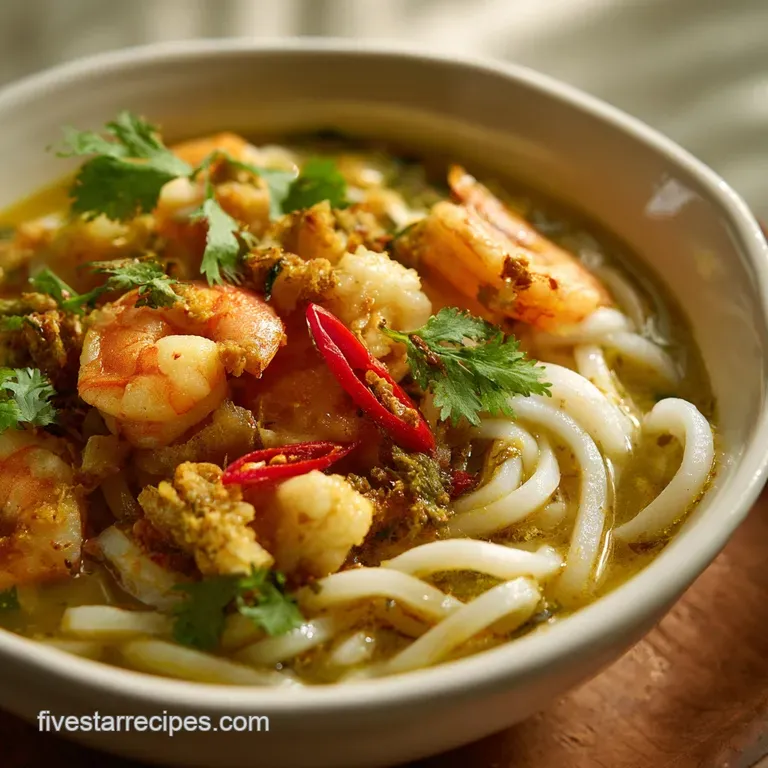
- Time: Active 20 minutes, Passive 45 minutes, Total 1 hours 5 mins
- Flavor/Texture Hook: Velvety, nutty broth with a crispy, golden shatter from optional toppings.
- Perfect for: A sophisticated weekend brunch or a cultural dinner centerpiece.
- Mastering an Authentic Burmese Food Mohinga Recipe
- Essential Specs for This Recipe
- Elements of the Ingredients List
- Required Tools for Success
- Guided Steps for Slow Simmering
- Solving Common Soup Issues
- Creative Variations for Your Table
- Guidelines for Proper Storage and Reheating
- Elegant Accents for the Plate
- Recipe FAQs
- 📝 Recipe Card
Mastering an Authentic Burmese Food Mohinga Recipe
The sharp, citrusy sizzle of lemongrass hitting hot peanut oil is a sound that instantly transports me to the humid, vibrant streets of Yangon. I remember standing at a rickety wooden table, the steam from a massive, tarnished copper cauldron of Mohinga curling into the morning air like a warm invitation.
It wasn't just a meal, it was a masterclass in balance, where the earthy depth of the river fish met the bright acidity of lime and the delicate crunch of fried aromatics.
For a long time, my own attempts at this Burmese food mohinga recipe were lacklustre, resulting in a broth that felt either too thin or unpleasantly aggressive. The secret, I eventually learned from a generous street vendor, lies in the "slow roasted" quality of the toasted chickpea flour and the meticulous tempering of the fish.
It is about creating a velvety emulsion that coats the back of a spoon, carrying the complex scent of the river and the spice market in every sip.
We are not just making a soup here, we are constructing a layered experience. From the soft, yielding rice vermicelli to the firm bite of a hard boiled egg and the pungent snap of shrimp paste, every element plays a role in this symphony of textures.
When you get it right, the broth is rich and comforting, yet surprisingly light, making it a gourmet triumph that defies the simplicity of its humble origins.
Essential Specs for This Recipe
To achieve the level of sophistication required for a truly authentic Mohinga, one must understand the relationship between volume and concentration. This recipe is designed to serve a small gathering with elegance, ensuring that the ratios of fish solids to liquid remain perfectly balanced.
| Servings | Ingredient Adjustments | Pot Size | Cook Time |
|---|---|---|---|
| 2-3 People | Half all ingredients; use 3 cups water | 4 quart Dutch oven | 40 minutes |
| 6 People | Use quantities as listed | 8 quart stock pot | 45 minutes |
| 12 People | Double all ingredients; use 12 cups water | 15 quart stock pot | 1 hours 10 mins |
The transition from a simple stovetop simmer to a more refined presentation depends heavily on how you manage the fish. While many home cooks simply boil the fillets until they vanish, a master knows to poach them gently, then flake them into substantial morsels that offer a satisfying mouthfeel.
This technique ensures that the protein does not become a mere ghost in the broth but remains a central, silken component of the dish.
Elements of the Ingredients List
Creating a masterpiece requires the finest components, starting with the foundation of the fish itself. For this Burmese food mohinga recipe, the catfish provides the necessary oiliness and body, while the aromatics create the high notes that dance across the palate.
- 1 lb catfish fillets: Provides the essential fatty base and velvety texture for the broth.
- 4 stalks lemongrass: Used both in the poaching liquid and the flavor paste for a dual layered citrus aroma. Why this? Essential for cutting through the richness of the fish oils.
- 0.25 cup toasted chickpea flour: Acts as the primary thickening agent and adds a nutty, toasted scent. Why this? It creates a unique emulsion that wheat flour cannot replicate.
- 2 tbsp toasted rice powder: Adds a subtle grit and a roasted, cereal like depth to the finish.
- 1 tsp shrimp paste: The soul of the umami profile, providing a deep, fermented complexity.
- 1 lb thin rice vermicelli: The delicate canvas upon which the rich broth is painted.
- 1 banana stem, sliced: Traditional for its unique, sponge like texture that absorbs the broth.
- 0.25 cup peanut oil: A high smoke point fat that carries the flavors of the turmeric and paprika perfectly.
The Alchemy of Toasted Legumes
Maillard Thickening: The process of pre toasting the chickpea flour and rice powder triggers the Maillard reaction, transforming raw starches into complex, nutty flavor compounds before they even hit the liquid.
Emulsion Stability: The fine particles of the toasted flour bind the peanut oil and fish fats to the water, preventing the soup from separating and ensuring a consistent, velvety mouthfeel in every bowl.
Aromatic Fixation: The porous nature of the toasted grains allows them to trap volatile oils from the lemongrass and ginger, releasing them slowly as the soup simmers.
| Ingredient | Science Role | Pro Secret |
|---|---|---|
| Catfish | Lipid Source | Poach in turmeric water first to neutralize any "muddy" river notes. |
| Chickpea Flour | Starch Binder | Toast until the color of a hazelnut shell for the deepest flavor. |
| Lemongrass | Essential Oils | Bruise the stalks with a heavy mallet to rupture oil glands before simmering. |
When selecting your substitutions, remember that the goal is to maintain the specific gravity of the broth. If you cannot find a fresh banana stem, canned bamboo shoots are an acceptable alternative, though they offer a sharper snap rather than the porous, yielding texture of the original.
| Original Ingredient | Substitute | Why It Works |
|---|---|---|
| Catfish | Red Snapper | Similar oil content, though slightly firmer. Note: Flavour is milder. |
| Banana Stem | Bamboo Shoots | Provides the necessary structural crunch against the soft noodles. |
| Peanut Oil | Grapeseed Oil | Neutral flavor and high smoke point; keeps the focus on the aromatics. |
Required Tools for Success
The preparation of a truly slow roasted, deep flavored Mohinga requires tools that favor gentle heat distribution. I prefer a heavy bottomed Dutch oven or a copper core stockpot to prevent the chickpea flour from scorching at the base of the vessel.
You will also need a fine mesh sieve for straining the fish stock and a mortar and pestle for the aromatics. While a food processor is faster, the pounding action of a mortar and pestle ruptures cell walls more effectively, releasing a more intense aromatic bloom than the shearing action of blades.
This is the difference between a good soup and a gourmet experience.
| Method | Time | Texture | Best For |
|---|---|---|---|
| Stovetop | 45 minutes | Silken and integrated | Traditional, deep flavor extraction |
| Oven (Dutch Oven) | 1 hours 15 mins | Extra thick, concentrated | Hands off consistency and richness |
Guided Steps for Slow Simmering
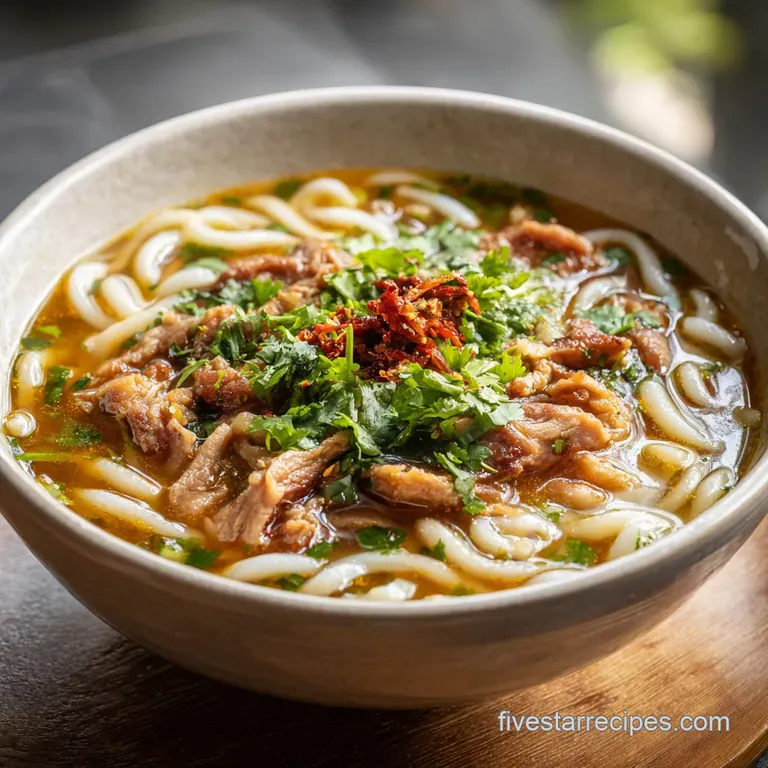
The secret to this dish is the sequence. We begin by infusing the water with the essence of the fish, then we build a vibrant aromatic base, and finally, we marry them together in a slow, controlled simmer.
- Simmer catfish. Place the catfish, 2 stalks of bruised lemongrass, turmeric, and fish sauce in 6 cups of water. Note: This creates the "gold" stock that forms the heart of the dish.
- Strain stock. Remove the fish after 15 minutes until the flesh flakes easily with a fork. Strain the liquid and set aside, discarding the spent lemongrass.
- Flake fish. Remove any skin or bones from the catfish and flake into large, gourmet chunks. Note: Keeping the pieces larger prevents them from disintegrating during the second simmer.
- Create paste. Pound the red onions, garlic, ginger, and shrimp paste in a mortar until a coarse, vibrant purple paste forms.
- Bloom aromatics. Heat peanut oil in your pot and sizzle the paste with paprika. Note: This step, the aromatic bloom, is where the color and heat are locked into the fat.
- Toast flours. In a separate dry pan, toast the chickpea flour and rice powder until they smell intensely of toasted nuts.
- Slurry whisk. Whisk the toasted flours into 1 cup of the cooled fish stock until no lumps remain.
- Combine elements. Add the remaining stock, the flaked fish, the slurry, and the sliced banana stem to the pot.
- Slow simmer. Cook on low heat for 30 minutes until the broth is thick enough to coat a spoon.
- Final assembly. Ladle the hot broth over cooked rice vermicelli and garnish with halved hard boiled eggs.
Chef's Note: For a truly professional finish, let the broth rest for 10 minutes off the heat before serving. This allows the sediment to settle and the flavors to unify into a more cohesive, velvety texture.
Solving Common Soup Issues
Even the most seasoned home cook can encounter challenges when working with the unique thickening properties of toasted chickpea flour. The key is to watch the viscosity closely as the pot simmers.
Why Your Broth is Too Thin
If your Mohinga lacks that signature velvety body, it usually means the chickpea flour wasn't properly hydrated or the simmer was too brief. The starches need time to fully swell and bond with the lipids from the fish and oil.
If you find yourself in this position, do not simply add more raw flour, as this will create a grainy, unpleasant texture.
Instead, create a small secondary slurry with a tablespoon of toasted flour and a bit of hot broth, whisk it until smooth, and re introduce it to the pot. Simmer for an additional 10 minutes to allow the new starch to activate. If you are also working on a Slow Cooker Beef recipe, you'll notice that slow simmered dishes always benefit from this patient approach to thickening.
| Problem | Root Cause | Solution |
|---|---|---|
| Bitter Aftertaste | Scorched flour | Keep heat low; whisk the slurry constantly when adding to the hot stock. |
| Separation | Lack of emulsion | Whisk in a teaspoon of cold oil or use a hand blender for 10 seconds. |
| Overpowering Fishiness | Old shrimp paste | Balance with a squeeze of fresh lime juice and extra lemongrass. |
Common Mistakes Checklist
- ✓ Never use raw chickpea flour; the raw "beany" taste will ruin the delicate fish balance.
- ✓ Don't overcrowd the mortar; pound aromatics in batches to ensure a consistent paste.
- ✓ Avoid boiling the broth vigorously once the flours are added; a gentle simmer prevents scorching.
- ✓ Always peel the outer layers of the banana stem to reach the tender, white core.
- ✓ Squeeze the lime only at the moment of serving to keep the citrus notes bright and sharp.
Creative Variations for Your Table
While the traditional Burmese food mohinga recipe is a classic for a reason, there is always room for a sophisticated twist depending on your guests' preferences. For a more luxurious version, I sometimes replace half the catfish with poached prawns, which adds a sweet, snappy contrast to the tender fish flakes. This reminds me of the texture play in a Crispy Coconut Shrimp recipe, where the crunch is the star.
If you prefer a lighter, more modern interpretation, you can omit the shrimp paste and use a high-quality white miso. This provides the necessary fermented depth and saltiness without the intense pungency that some find overwhelming.
It creates a cleaner, more minimalist profile that highlights the freshness of the lemongrass.
- If you want a crunchier texture, add deep fried split pea crackers (pè-gyaw) just before eating.
- If you want a spicier kick, infuse the peanut oil with dried bird's eye chilies before blooming the paste.
- If you want a heartier meal, increase the amount of banana stem and add sliced fish cakes (nga hpe).
Guidelines for Proper Storage and Reheating
Mohinga is a dish that arguably tastes even better the next day. As the broth sits in the refrigerator, the toasted flours and fish oils continue to meld, creating a more harmonious and rounded flavor profile.
Storage: Store the broth and the rice noodles in separate airtight containers. The broth will keep beautifully in the refrigerator for up to 3 days. I do not recommend storing the noodles in the broth, as they will absorb the liquid and become unpleasantly mushy.
Freezing: The broth freezes exceptionally well for up to 2 months. However, the banana stem may lose some of its structural integrity upon thawing. When you are ready to enjoy it again, thaw the broth overnight in the fridge.
Reheating: Reheat the broth gently on the stovetop over medium low heat. You may need to add a splash of water or additional fish stock, as the chickpea flour tends to thicken the liquid further as it cools. Once the broth is steaming, pour it over freshly blanched rice vermicelli.
Elegant Accents for the Plate
The presentation of Mohinga is where you can truly show off your eye for color balance. A bowl of this soup can look quite monochromatic mostly browns and yellows so we must use our garnishes strategically to create a gourmet visual appeal.
- 1. Vibrant Green
- Freshly chopped cilantro or scallions. Add these at the very last second so the residual heat doesn't wilt them into dullness.
- 2. Bright Golden
- Fried garlic chips and lime wedges. The garlic adds a crystalline shatter, while the lime provides a luminous highlight.
- 3. Deep Crimson
- Fried dried chili flakes or a swirl of chili oil. This provides a striking contrast against the pale noodles and rich broth.
By layering these accents, you transform a rustic bowl of soup into a special occasion meal. The interplay of the soft eggs, the velvety broth, and the sharp, colorful garnishes creates a dish that is as beautiful to look at as it is rewarding to eat.
Trust me, once you master the balance of this Burmese food mohinga recipe, your weekend brunches will never be the same again. It's a slow roasted labor of love that pays off in every complex, aromatic spoonful.
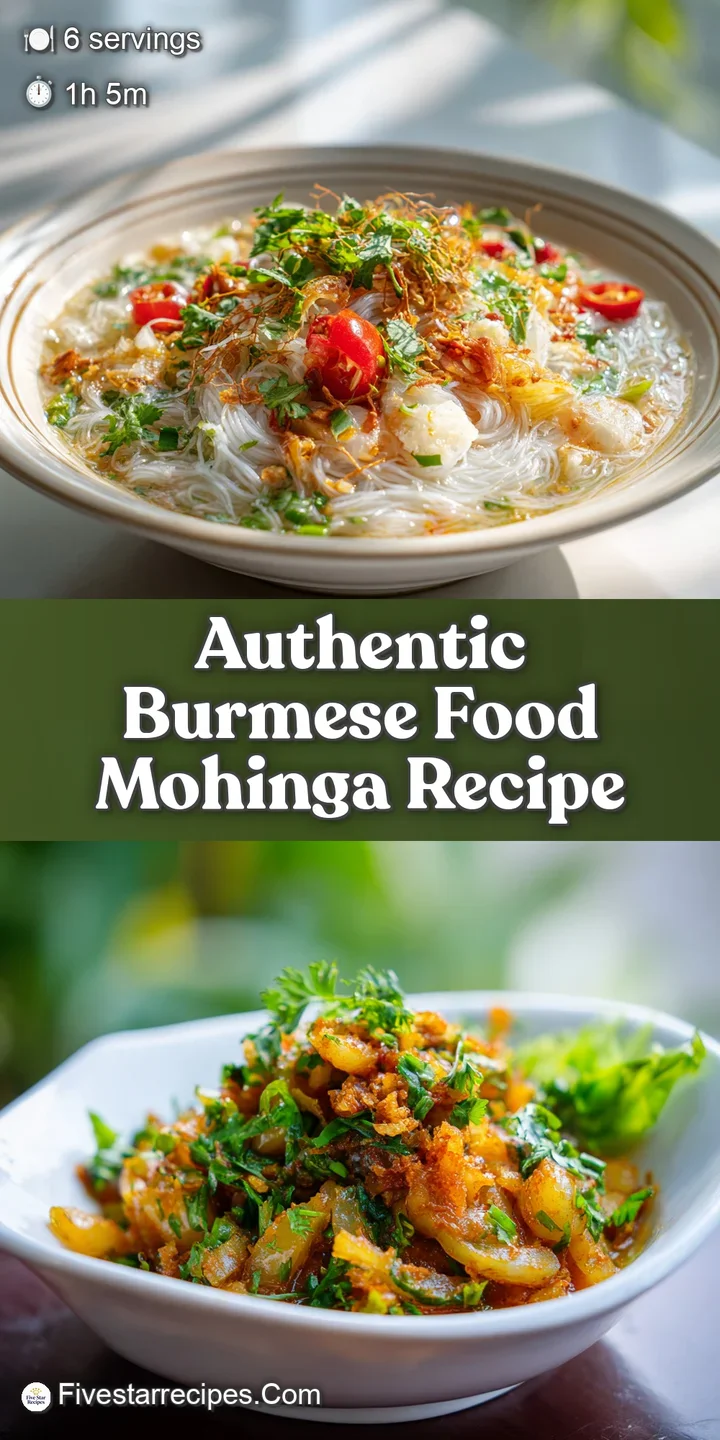
Recipe FAQs
What are the ingredients in a mohinga?
Catfish, lemongrass, toasted chickpea flour, rice vermicelli, shrimp paste, and banana stem are the essentials. This Burmese staple requires a complex base created by slow simmering fatty fish with potent aromatics like ginger and lemongrass, then thickening the broth with roasted legumes for a
signature nutty flavor.
What is the best fish to use for mohinga?
Catfish is traditionally the best choice due to its oil content. The fats from the catfish render into the broth, providing the necessary richness and velvety body that defines authentic Mohinga.
How to make mont hin gah?
Simmer catfish with turmeric and aromatics until easily flaked, then strain the stock. Bloom a paste of pounded aromatics (onion, garlic, shrimp paste) in oil, whisk in toasted chickpea flour slurry, and combine with the stock before a final 30-minute slow simmer.
What is the traditional food of the Burmese?
Mohinga, a savory fish and noodle soup, is widely considered the national dish of Myanmar (Burma). It is traditionally eaten for breakfast but enjoyed throughout the day for its deep umami and bright aromatic notes.
Is it true I must use toasted chickpea flour instead of regular flour?
Yes, using toasted chickpea flour is mandatory for authenticity. Raw flour tastes pasty, whereas toasting the legumes before incorporation activates complex nutty flavors through the Maillard reaction, essential for this specific broth texture.
Why is my mohinga broth thin and not velvety?
The broth is thin because the thickening starches have not fully emulsified or were not toasted enough. Ensure you toast the chickpea flour until it smells nutty, then whisk it into a slurry before introducing it to the hot stock to prevent lumps and encourage a stable, silken texture.
Can I substitute the banana stem with something else?
Yes, canned bamboo shoots provide an acceptable textural substitute for the banana stem. While banana stem offers a unique, porous quality, bamboo shoots maintain the necessary crunch to contrast the soft noodles and fish, similar to the firm elements you would want in a Healthy Mediterranean Chickpea recipe.
Authentic Mohinga Recipe
Ingredients:
Instructions:
Nutrition Facts:
| Calories | 537 kcal |
|---|---|
| Protein | 20.1g |
| Fat | 14.4g |
| Carbs | 69.1g |
| Fiber | 3.2g |
| Sugar | 3.8g |
| Sodium | 485mg |
