Sauteed Baguio Beans Recipe: Snap Crisp Texture
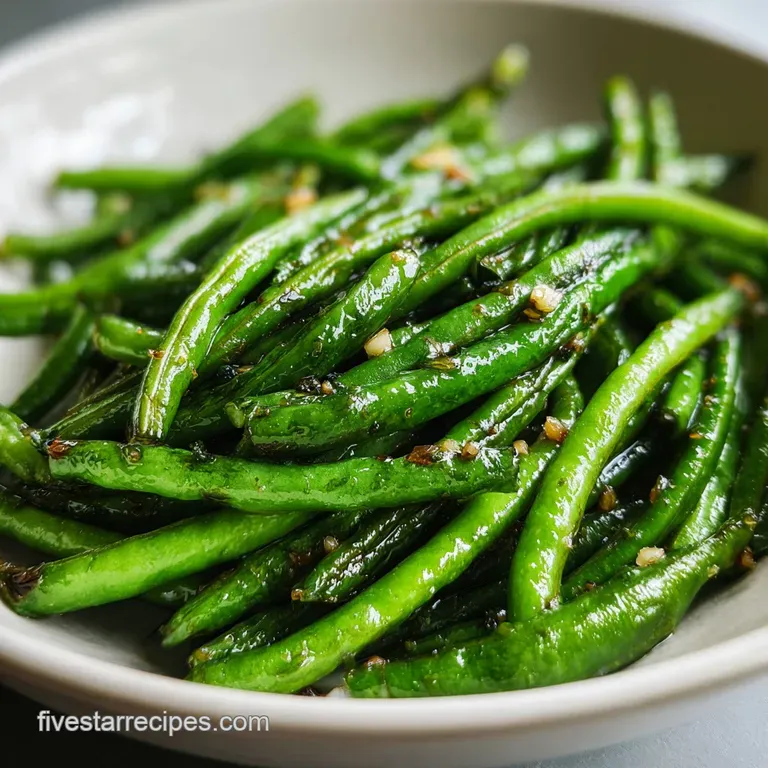
- Time: Active 10 min, Passive 0 min, Total 18 min
- Flavor/Texture Hook: A snap crisp texture with a velvety, savory glaze
- Perfect for: Elegant weeknight dining or a sophisticated side for dinner parties
- Mastering This Vibrant Sauteed Baguio Beans Recipe
- Achieving Visual Harmony and Textural Balance
- Understanding the Specs for Gourmet Success
- Sourcing the Finest Elements for Your Dish
- Essential Tools for a Professional Finish
- Executing the over High heat Searing Technique
- Refined Solutions for Flawless Vegetable Preparation
- Creative Variations for the Modern Table
- Preserving Integrity During Storage and Reheating
- Artful Presentation and Color Garnish Strategy
- Recipe FAQs
- 📝 Recipe Card
Mastering This Vibrant Sauteed Baguio Beans Recipe
The moment those bias cut beans hit the avocado oil, you should hear a sharp, rhythmic sizzle not a lazy hiss. I remember the first time I truly got this right; I had been treating my vegetables like an afterthought, letting them languish in a crowded, lukewarm pan until they turned a sad, muddy olive color.
But then, I learned the secret of the flash saute. The kitchen filled with the aroma of toasted garlic and the sweet, almost grassy scent of the fresh beans, and suddenly, my side dish was the star of the table.
We often overlook the humble green bean, but in this sauteed baguio beans recipe, we treat it with the respect usually reserved for a slow roasted tenderloin. It’s about that specific window where the bean is no longer raw but hasn't yet lost its structural "snap." We're aiming for a dish that looks as vibrant as it tastes, using a technique that keeps the vegetables bright while infusing them with a sophisticated oyster sauce glaze.
If you’ve struggled with soggy vegetables or a sauce that just slides off the beans, trust me, we’ve all been there. This approach is different because it prioritizes temperature control and the order of operations.
We aren't just tossing things into a pan; we're building layers of flavor from the rendered fat of the pork tenderloin to the sharp bite of the garlic ensuring every bite feels like a special occasion.
Achieving Visual Harmony and Textural Balance
Chlorophyll Fixation: High heat quickly neutralizes the volatile acids in the bean's cells, preventing them from reacting with the chlorophyll and turning the beans brown.
The Maillard Interaction: The natural sugars in the julienned carrots and red onions caramelize against the intense heat, creating a complex sweetness that balances the salty oyster sauce.
Emulsion Stability: By introducing the oyster sauce at the very end of the over high heat phase, the residual moisture from the vegetables creates a temporary emulsion with the avocado oil, coating each bean in a glossy, velvety sheen.
| Cooking Method | Time | Resulting Texture | Best For |
|---|---|---|---|
| over High heat Saute | 8 mins | Snap crisp with charred edges | Maximum flavor and color |
| Traditional Stir Fry | 6 mins | Tender firm and juicy | Quick weeknight meals |
| over Low heat Braise | 15 mins | Soft and fully saturated | Deeply infused flavor profiles |
Choosing the right method depends entirely on your desired outcome for the evening. While a over low heat braise has its merits for certain stews, the over high heat saute is what gives this ginisang baguio beans recipe its gourmet edge.
It ensures the beans don't become limp or waterlogged, which is the most common pitfall in home vegetable preparation.
Understanding the Specs for Gourmet Success
Before we begin the assembly, let's look at the foundational elements. This sauteed baguio beans recipe relies on the contrast between the earthiness of the legumes and the savory depth of the pork and oyster sauce. Unlike some recipes that call for heavy sauces, our goal here is a light but impactful coating.
| Component | Science Role | Pro Secret |
|---|---|---|
| Baguio Beans | Primary structure and fiber | Bias cut at a 45 degree angle to maximize surface area for the glaze. |
| Pork Tenderloin | Fat source and umami base | Freeze for 15 mins before slicing to achieve paper thin, restaurant style strips. |
| Oyster Sauce | Viscosity and salt profile | Use a premium brand like Lee Kum Kee for a thicker, more complex finish. |
| Avocado Oil | High smoke point medium | Its neutral flavor allows the aromatics to shine without the bitterness of burnt oil. |
Similar to the delicate balance we seek in a creamy garlic butter recipe, the interaction between the fat and the aromatics here is crucial. If the oil isn't hot enough, the pork will steam rather than sear, losing that vital golden crust that provides the base for our sauce.
Sourcing the Finest Elements for Your Dish
- 500g fresh Baguio beans: Trimmed and bias cut. Why this? Fresh beans offer a superior "shatter" texture compared to frozen varieties.
- Substitute: French Haricots Verts (cook 2 mins less as they are thinner).
- 100g pork tenderloin: Thinly sliced. Why this? This lean cut cooks instantly without becoming chewy or overly fatty.
- Substitute: Chicken breast or firm tofu strips for a lighter profile.
- 1 small carrot: Julienned. Why this? Provides a necessary color accent and a subtle, earthy sweetness.
- Substitute: Red bell pepper strips for a similar crunch and sweetness.
- 5 cloves garlic: Crushed and minced. Why this? The foundation of the aromatic profile; use fresh, never jarred.
- Substitute: 1 tsp garlic confit for a more mellow, buttery undertone.
- 1 medium red onion: Thinly sliced. Why this? Red onions offer a milder flavor and a beautiful purple hue when sauteed.
- Substitute: Shallots for a more sophisticated, French inspired aromatic base.
- 2 tbsp oyster sauce: The primary seasoning. Why this? Provides salt, sugar, and umami in a single, thick ingredient.
- Substitute: Vegetarian mushroom sauce for a plant based alternative.
- 1 tsp low sodium soy sauce: To adjust the depth of color. Why this? Adds a fermented saltiness without overwhelming the palate.
- Substitute: Tamari for a gluten-free modification.
- 2 tbsp avocado oil: over High heat cooking fat. Why this? Stable at high temperatures, preventing the production of acrid smoke.
- Substitute: Grapeseed oil or refined coconut oil.
- 0.5 tsp cracked black pepper: For a subtle, piquant finish. Why this? Freshly cracked pepper provides a floral heat that pre ground lacks.
- Substitute: White pepper for a sharper, more invisible heat.
| Fresh Baguio Beans | Frozen/Canned Beans | Impact on Outcome |
|---|---|---|
| Firm cell walls | Broken cell walls from ice/brine | Fresh beans maintain a "snap" while processed ones turn mushy. |
| Bright green color | Dull, olive drab hue | Fresh beans offer a gourmet aesthetic that frozen cannot match. |
| Subtle sweetness | Often tastes metallic or bland | Freshness is key to the flavor of this sauteed green beans with garlic and onions. |
Using high-quality produce is the difference between a standard side dish and a culinary experience. I always tell my friends to look for beans that snap cleanly when bent; if they just fold, they’ve lost their hydration and won’t perform well in the pan.
Essential Tools for a Professional Finish
1. The Carbon Steel Wok
While a standard skillet works, a carbon steel wok is the master tool for any sauteed baguio beans recipe. Its sloped sides allow you to toss the ingredients constantly, ensuring even heat distribution and preventing the garlic from sitting in one spot and burning.
The "breath of the wok" or wok hei adds a smoky dimension that is impossible to replicate in a flat pan.
2. A Razor Sharp Chef's Knife
Precision is the hallmark of professional cooking. To achieve the beautiful bias cut on the beans and the delicate julienne on the carrots, you need a sharp blade. If your knife is dull, you’ll crush the cell walls of the beans rather than slicing them, leading to excess moisture release and a soggy saute.
Chef's Tip: To keep the beans extra vibrant, plunge them into an ice bath for 30 seconds after a quick 1 minute blanch. This "shocks" the chlorophyll and sets the color permanently before they even hit the saute pan.
Executing the over High heat Searing Technique
- Prep the beans. Wash 500g of Baguio beans and trim the ends. Slice them on a sharp 45 degree bias into 2 inch pieces. Note: The angle increases surface area for the sauce to cling to.
- Julienne the aromatics. Slice the small carrot into thin matchsticks and the red onion into thin petals. Mince the 5 cloves of garlic.
- Prepare the protein. Slice the 100g of pork tenderloin into very thin strips, about 1cm wide. Pat them dry with a paper towel. Note: Moisture is the enemy of a good sear.
- Heat the vessel. Place your wok or heavy skillet over high heat until a drop of water flicked onto the surface dances and evaporates instantly.
- Sear the pork. Add 2 tbsp of avocado oil, then carefully drop in the pork strips. Spread them out and let them sit for 60 seconds until they develop a golden brown crust.
- Infuse the aromatics. Toss the pork, then add the garlic and red onions. Saute for 30 seconds until the garlic is fragrant but not browned.
- Flash cook the vegetables. Add the Baguio beans and julienned carrots. Toss vigorously over high heat for 3-4 minutes until the beans turn a brilliant, deep green.
- Glaze the dish. Pour in 2 tbsp of oyster sauce and 1 tsp of low sodium soy sauce. Sprinkle with 0.5 tsp of cracked black pepper.
- The final toss. Continue to saute for another 1-2 minutes until the sauce thickens and coats the beans like a dark, glossy lacquer.
- Check the snap. Test one bean; it should be hot through but still offer a distinct resistance when bitten. Remove from heat immediately.
Refined Solutions for Flawless Vegetable Preparation
Beans are Squeaky but Tough
This usually happens when the heat is high enough to sear the outside, but the cooking time is too short for the heat to penetrate the core of the bean. It can also happen if the beans are particularly thick or older.
Sauce is Too Thin or Watery
If your dish looks like a soup rather than a saute, you likely overcrowded the pan. When too many vegetables are added at once, the pan temperature drops, causing the vegetables to release their internal juices (weeping) rather than searing.
Garlic is Bitter or Black
Garlic has a very low tolerance for high heat compared to the other ingredients. If you add it at the very beginning with the oil, it will almost certainly burn before the beans are finished.
| Problem | Root Cause | Solution |
|---|---|---|
| Mushy texture | Overcooking or low heat | Use a stopwatch; 8 minutes is the hard limit for total cook time. |
| Dull color | Acidic ingredients added too early | Add soy sauce only in the final minute to preserve the green hue. |
| Lack of flavor | Under seasoning the pork | Season the pork strips with a pinch of salt before they hit the pan. |
Common Mistakes Checklist: ✓ Never crowd the pan; if doubling the recipe, work in two separate batches to maintain heat. ✓ Ensure the beans are bone dry after washing; excess water creates steam and prevents browning.
✓ Don't walk away from the stove; a over high heat saute requires constant motion. ✓ Use fresh garlic the pre minced jarred variety contains citric acid which ruins the flavor profile. ✓ Cut all beans to a uniform size to ensure they finish cooking at the exact same moment.
Creative Variations for the Modern Table
If you're looking for an "easy sauteed green beans recipe" that feels a bit more indulgent, try the Bacon and Balsamic twist. Simply swap the pork tenderloin for 3 strips of thick cut bacon. Render the bacon until crispy, then use the rendered fat instead of avocado oil to saute the beans.
Finish with a splash of high-quality balsamic glaze instead of oyster sauce for a tangy, sophisticated edge.
For a spicy, Southeast Asian inspired Best Sauteed Green Beans Recipe, add a teaspoon of sambal oelek or chopped bird's eye chilies along with the garlic. The heat from the chilies cuts through the richness of the oyster sauce perfectly. This variation pairs beautifully with steamed jasmine rice or even as a side to a Quaker Oats Meatloaf recipe for a fusion style comfort meal.
2 Diet Swaps
- Keto Friendly: Replace the oyster sauce with a mixture of coconut aminos and a pinch of xanthan gum to maintain the thick, glossy texture without the added sugars.
- Vegan/Vegetarian: Use 100g of smoked tofu instead of pork and a vegetarian mushroom based "oyster" sauce. The smoky tofu provides the same savory depth that the pork usually offers.
Preserving Integrity During Storage and Reheating
Sauteed vegetables are notoriously difficult to store because the residual heat continues to cook the beans even after they are in the container. To keep your leftovers as fresh as possible, spread the beans out on a chilled baking sheet for 5 minutes before placing them in an airtight container in the fridge.
They will stay good for up to 3 days.
When it comes to zero waste, don't throw away the ends of the Baguio beans or the carrot peels. These are packed with flavor and can be kept in a freezer bag for your next batch of vegetable stock.
Even the leftover pork fat in the pan can be wiped out with a piece of crusty bread it's essentially seasoned liquid gold.
For reheating, avoid the microwave. It will turn your beautiful snap crisp beans into rubbery, limp strands. Instead, flash fry them in a very hot skillet with a teaspoon of water for 60 seconds. The water will turn to steam, heating the beans through while the high heat of the pan re crisps the edges.
Artful Presentation and Color Garnish Strategy
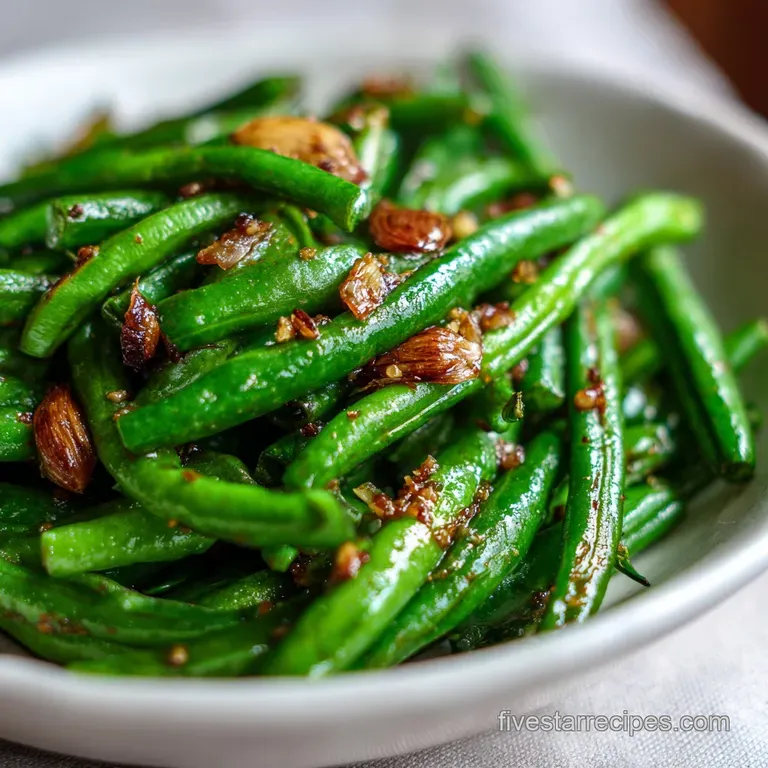
In gourmet cooking, we eat with our eyes first. The key to a stunning sauteed baguio beans recipe is the color balance. I recommend focusing on three specific color accents to make the dish pop:
- The Orange Pulse: Ensure your julienned carrots are cut into very fine, uniform strips. They should be scattered throughout like orange jewels against the green beans.
- The Purple Petals: By slicing the red onion into "petals" rather than a fine dice, you preserve large swaths of deep purple that contrast beautifully with the bright green.
- The Golden Garnish: Just before serving, top the dish with a sprinkle of toasted sesame seeds or, better yet, fried garlic bits. This adds a third dimension of color and a final layer of texture.
Chef's Note: If you're serving this as part of a larger spread, it pairs exceptionally well with seafood. The light, clean flavors of the beans complement the richness of a Burmese Mohinga Recipe or a simple grilled white fish.
Decision Shortcut
- If you want a deeper umami: Add 1 tsp of toasted sesame oil right before serving.
- If you want a cleaner, brighter finish: Squeeze half a fresh lime over the beans after turning off the heat.
- If you want a crunchier texture: Toss in 1/4 cup of toasted cashew nuts during the last 30 seconds of cooking.
Ultimately, this panlasang pinoy baguio beans recipe is about celebrating the simple beauty of fresh produce. When you get that perfect sear and that brilliant green color, it's a small but significant victory in the kitchen. Enjoy the process, listen for the sizzle, and savor the snap!
Recipe FAQs
How to cook ginisang baguio beans?
Sear the aromatics first, then flash cook the vegetables. Heat oil over high heat, briefly cook minced garlic and onions until fragrant, then add the bias cut beans and toss vigorously for 3-4 minutes until bright green before adding sauces.
Do you have to boil green beans before sautéing them?
No, boiling is unnecessary and detrimental to texture. Boiling leaches flavor and turns the beans soggy; high heat sautéing cooks them sufficiently while preserving their desirable "snap" crispness.
How many minutes should I cook Baguio beans?
Aim for a total active cooking time of 6 to 8 minutes. The goal is a brilliant green color indicating the chlorophyll is fixed, but the interior remains crisp tender, not soft.
How do you keep green beans crisp when sautéing?
Maintain extremely high heat and avoid overcrowding the pan. High heat sears the exterior quickly, locking in structure; overcrowding causes steaming, which leads to mushiness.
Is it true that frozen Baguio beans work just as well as fresh for this recipe?
False. Frozen beans release excessive moisture when heated. This moisture lowers the pan temperature, inhibiting the crucial high heat sear needed for flavor development and crisp texture.
What is the best cut for Baguio beans in a sauté?
Use a bias cut at a 45-degree angle. This technique maximizes the surface area exposed to the hot oil and sauce, ensuring maximum flavor adhesion and an even cook.
When should I add the oyster sauce for the best glaze?
Add the oyster sauce during the final 1 to 2 minutes of cooking. This allows the sauce to rapidly reduce and coat the vegetables with a glossy, velvety layer without burning or over reducing.
Quick Sauteed Baguio Beans
Ingredients:
Instructions:
Nutrition Facts:
| Calories | 160 calories |
|---|---|
| Protein | 8.4 g |
| Fat | 8.3 g |
| Carbs | 15.8 g |
| Fiber | 4.2 g |
| Sugar | 5.1 g |
| Sodium | 315 mg |
