Quince Fruit Preserves Recipe with Lemon and Vanilla
- Time: Active 40 minutes, Passive 1 hours 30 mins, Total 2 hours 10 mins
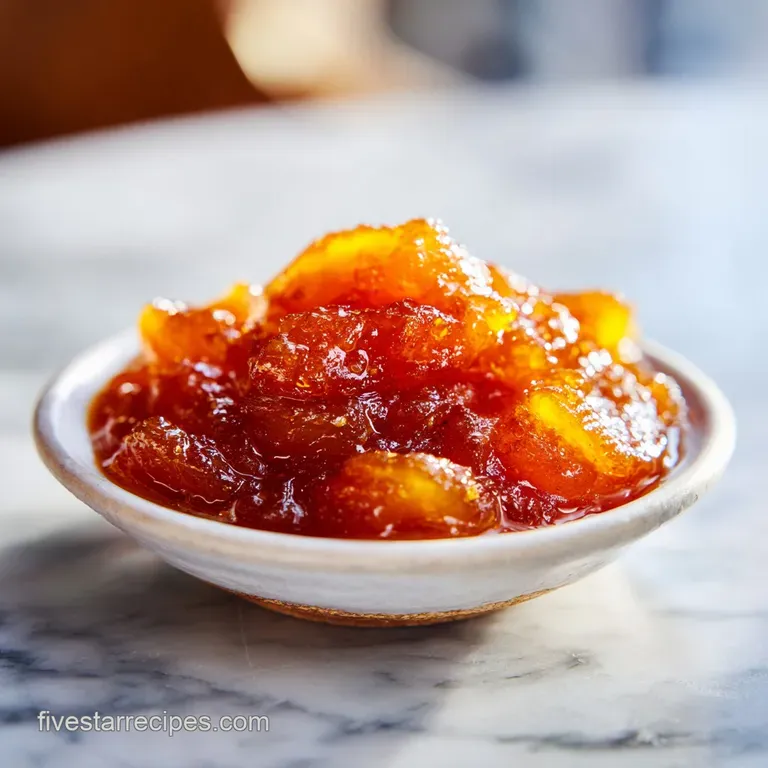
- Flavor/Texture Hook: Floral honey aroma with a thick, glossy, ruby red set
- Perfect for: Gourmet gifting, artisan cheese boards, or a sophisticated breakfast upgrade
- The Quince Fruit Preserves Recipe with Lemon and Vanilla
- The Science of Pectin Activation
- Essential Ingredient Component Analysis
- Official Recipe Specs and Timing
- Required Equipment for Success
- Executing the Transformation Process
- Solving Common Texture Issues
- Flavor Variations and Adaptations
- Long-Term Storage and Preservation
- Strategic Serving and Pairing
- Recipe FAQs
- 📝 Recipe Card
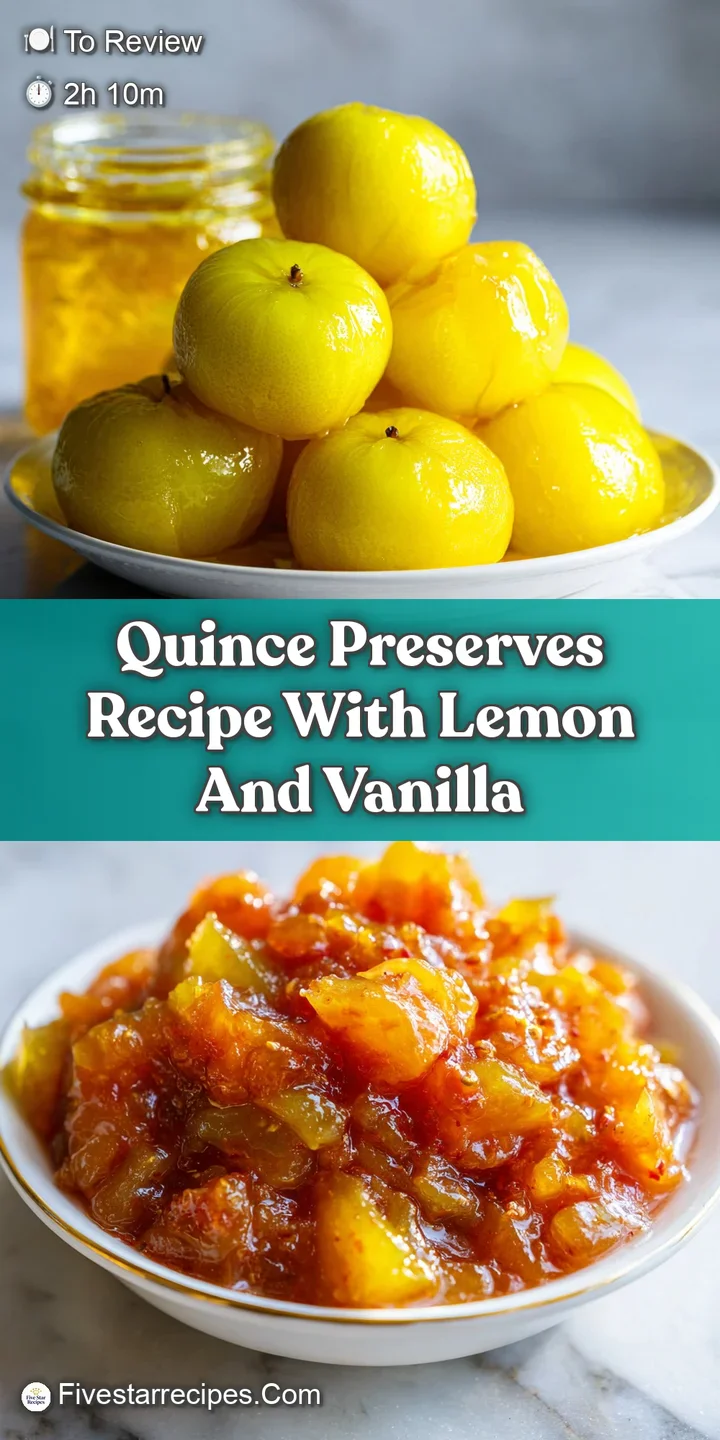
The Quince Fruit Preserves Recipe with Lemon and Vanilla
The first time I brought a quince into my kitchen, I was honestly confused. It looked like a bruised, lumpy pear and felt as hard as a baseball. I tried to take a bite a mistake I only made once and was met with a dry, astringent puckering that nearly put me off the fruit forever.
But then, I caught that scent. Raw quince smells like a dream of roses and pineapples, and I knew there had to be a way to unlock that floral magic.
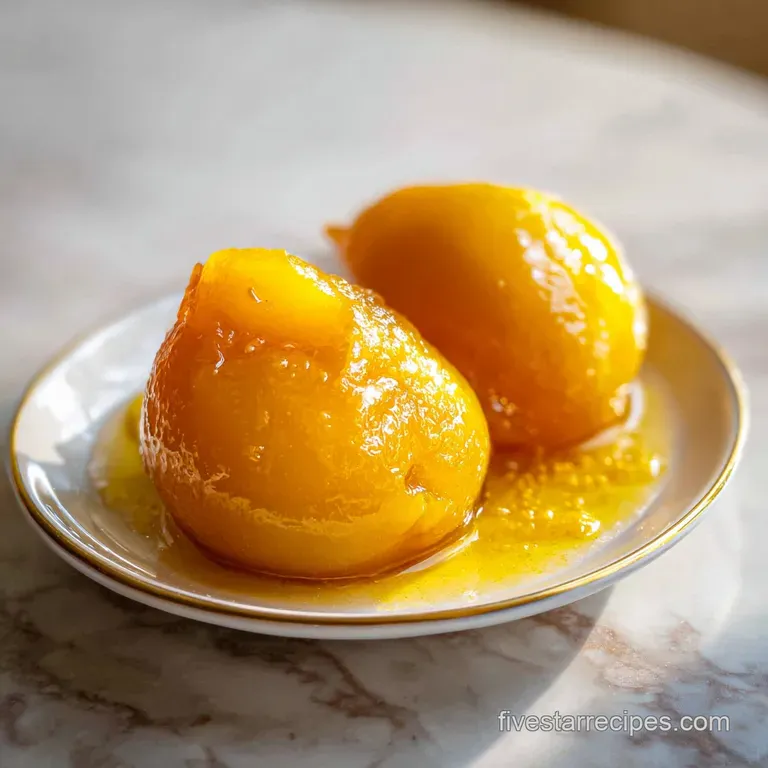
This Quince Fruit Preserves Recipe with Lemon and Vanilla creates a uniquely delicious spread that feels like a kitchen miracle. As the fruit simmers, it undergoes a chemical transformation, shifting from a dull, creamy white to a deep, translucent crimson.
It is a slow, methodical process that rewards precision and patience, resulting in a preserve that is far more complex than your standard strawberry jam.
We are going for a gourmet result here, focusing on the specific ratios of sugar to fruit to ensure the set is firm but spreadable. You don't need commercial pectin for this; the quince is a natural powerhouse of the stuff.
Instead, we'll use the lemon juice to balance the pH and the vanilla bean to provide a velvety aromatic backstop to the fruit's natural brightness.
The Science of Pectin Activation
Anthocyanin Transformation: The signature ruby color is caused by heat breaking down leucocyanidins (tannins) into anthocyanins. This requires a sustained simmer at a specific temperature to ensure the color shift is uniform and deep.
Pectin Network: Quince contains high levels of long chain pectin molecules. When we add 600 g granulated cane sugar and 60ml lemon juice, we lower the pH and dehydrate the pectin, allowing it to bond into a stable, three dimensional mesh that "sets" the preserve.
Essential Vapor Pressure: Using 750 ml filtered water provides the initial medium for softening the fruit. As this water evaporates, the sugar concentration increases, raising the boiling point of the syrup and allowing the fruit to reach the "gel point" without burning.
| Method | Time | Texture | Best For |
|---|---|---|---|
| Stovetop | 1 hours 30 mins | Glossy and thick | Traditional preserves with clear syrup |
| Slow Oven (225°F) | 4-6 hours | Dense and paste like | Making Membrillo or thick fruit leather |
| Pressure Cooker | 25 minutes | Soft but pale | Quick prep when color isn't the priority |
Choosing the stovetop method allows for the most precision, as you can monitor the visual cues and the "sheeting" of the syrup in real time. If you enjoy the crunch of glazed fruit, you might like the Bing Tanghulu Recipe which uses a similar sugar temp principle to create a brittle shell, whereas here we want a soft, spreadable gel.
Essential Ingredient Component Analysis
| Ingredient | Science Role | Pro Secret |
|---|---|---|
| Quince Fruit | Primary Pectin Source | Leave the peels in a muslin bag during the first simmer to maximize the natural thickening power. |
| Granulated Sugar | Hydroscopic Agent | Use cane sugar for a cleaner flavor that doesn't mask the delicate rose like notes of the fruit. |
| Lemon Juice | pH Regulator | The acid prevents the sugar from crystallizing, ensuring a velvety smooth texture rather than a grainy one. |
Quince is incredibly dense, meaning it needs that initial water soak to hydrate the cells before the sugar is added. If you add the sugar too early, the fruit will toughen and become leathery instead of tender.
Official Recipe Specs and Timing
This recipe is built on a 2:1 fruit to sugar ratio by weight (roughly), which is the sweet spot for highlighting the fruit's natural character.
- 1.5 kg fresh quince (Choose fruit that is heavy for its size and fragrant)
- 750 ml filtered water (Soft water is preferred to prevent mineral interference with pectin)
- 1 large organic lemon, zested and juiced (Must yield exactly 60ml juice)
- 1 whole vanilla bean, split and seeds scraped (Avoid essence; we want the flecks)
- 600 g granulated cane sugar (The structural backbone of the preserve)
Chef's Tip: Freeze the vanilla bean for 10 minutes before splitting. It makes the pod firmer and significantly easier to scrape without tearing the outer skin.
For those who enjoy artisan desserts, this preserve pairs exceptionally well with a Classic Vanilla Bean recipe like panna cotta, where the acidity of the lemon cuts through the creaminess.
Required Equipment for Success
You don't need a lab, but a few specific tools will ensure your Quince Fruit Preserves Recipe with Lemon and Vanilla reaches a five star standard. A heavy bottomed pot (like a Dutch oven) is non negotiable. Thin pots create "hot spots" that will scorch the sugar before the fruit turns red.
You’ll also want a digital kitchen scale. We are working with 1.5 kg of fruit, and being off by even 100g can throw off the pectin to sugar balance. Finally,, grab a few small ceramic saucers and pop them in the freezer.
We'll use these to test the "wrinkle" of the jam, which is a much more reliable indicator of doneness than a simple timer.
Executing the Transformation Process
- Prep the fruit. Peel and core the 1.5 kg fresh quince. Slice into 1/2 inch cubes or thin crescents. Note: Work quickly or keep submerged in acidulated water to prevent browning.
- Initial simmer. Combine the quince and 750 ml filtered water in your heavy pot. Cook over medium heat for 20 minutes until the fruit is tender when pierced with a paring knife.
- Prepare aromatics. Split the vanilla bean and scrape the seeds. Add both the seeds and the empty pod to the pot.
- Add acid. Pour in the lemon zest and 60ml lemon juice. The aroma will immediately turn bright and citrusy.
- Incorporate sugar. Stir in the 600 g granulated cane sugar. Reduce heat to low and stir constantly until the sugar crystals have completely dissolved.
- The long simmer. Cook uncovered for about 1 hours to 1 hours 15 mins. Maintain a gentle bubble not a rolling boil.
- Monitor color. Watch for the transition. The syrup will move from clear to yellow, then orange, until it reaches a deep, glowing ruby red.
- Test the set. Drop a spoonful of syrup onto a frozen saucer. Wait 30 seconds, then push it with your finger. It should shatter into fine wrinkles on the surface.
- Finish. Remove the vanilla bean pod. Ladle the hot preserves into sterilized jars, leaving 1/4 inch of headspace.
- Seal. Process in a water bath for 10 minutes or store in the fridge once cooled.
Solving Common Texture Issues
Addressing Incomplete Color Shifts
If your preserves are still pale yellow after an hour, the heat is likely too low. The transformation into red requires a sustained temperature of roughly 220°F (104°C). Increase the flame slightly, but watch like a hawk to prevent burning the bottom.
Correcting a Runny Consistency
This usually happens if the fruit wasn't simmered long enough to release its pectin or if the lemon juice was omitted. You can fix this by adding a splash more lemon juice and simmering for another 10-15 minutes. Trust the wrinkle test over the clock.
| Problem | Root Cause | Solution |
|---|---|---|
| Tough fruit | Added sugar too early | Simmer fruit in water alone until soft before adding sugar. |
| Cloudy syrup | Aggressive stirring | Stir gently; rapid agitation breaks the fruit into mushy particles. |
| Crystallization | Lack of acidity | Ensure you use the full 60ml of lemon juice to invert the sugar. |
Common Mistakes Checklist
- ✓ Never skip the initial water only simmer; sugar locks the fruit's texture.
- ✓ Avoid using "light" or liquid sugars; they alter the pectin bond.
- ✓ Use a wide bottomed pan to encourage faster evaporation and better color.
- ✓ Don't double the recipe in one pot; the depth prevents proper steam escape.
- ✓ Always remove the foam from the surface for a crystal clear syrup.
Flavor Variations and Adaptations
If you want to lean into the Turkish Quince Jam Recipe style, add 3-4 whole cloves and a small stick of cinnamon during the final simmer. This creates a warmer, spiced profile that is traditional in Middle Eastern breakfasts.
For a Ginger Pear Fusion, replace 500g of the quince with firm Bosc pears and add 2 tablespoons of freshly grated ginger. Note that pears have less pectin, so you may need to simmer the mixture slightly longer to achieve the same set.
| Original Ingredient | Substitute | Why It Works |
|---|---|---|
| Granulated Sugar | Honey (equal weight) | Adds floral depth. Note: Will result in a softer set and darker color. |
| Vanilla Bean | Vanilla Paste (1 tbsp) | Provides the seeds and flavor without the pod. |
| Filtered Water | Apple Cider | Boosts the autumnal fruit flavor and adds a touch more natural pectin. |
If you want a spread that is less sweet, do not simply reduce the sugar by half, or it won't preserve properly. Instead, use a low methoxyl pectin powder which allows for a set even with lower sugar concentrations.
Long Term Storage and Preservation
Properly canned Quince Fruit Preserves will last in a cool, dark pantry for up to 12 months. Once opened, keep the jar in the refrigerator and consume within 3-4 weeks. The high sugar content and acidity act as natural preservatives, but they aren't invincible.
Zero Waste Tip: Don't toss the peels and cores! Place them in a small pot with a bit of water and sugar, simmer for 30 minutes, and strain. You’ll have a quick quince syrup that is incredible in cocktails or drizzled over vanilla ice cream.
The cores are especially high in pectin, so this syrup will often jell into a light jelly on its own.
Strategic Serving and Pairing
The beauty of these preserves is their versatility. Because of the lemon and vanilla, they occupy a space between sweet and tart. My favorite way to serve them is alongside a sharp, aged Manchego or a creamy Triple Cream Brie. The floral notes of the quince dance perfectly with the funk of the cheese.
For a five star breakfast, swirl a generous tablespoon into thick Greek yogurt or spread it over toasted brioche. The "velvety" texture of the fruit against the "shatter" of well toasted bread is a sensory delight.
You can even use the syrup as a glaze for roasted pork or duck, as the acidity of the lemon cuts through the fat beautifully.
Chef's Note: If the preserves become too thick in the fridge, simply microwave the portion you need for 10 seconds. It will loosen the pectin bond and return the syrup to its glossy, pourable state.
Recipe FAQs
Can I skip the lemon juice?
No, you must include the lemon juice. It acts as the essential pH regulator, which is necessary to allow the high pectin content of the quince to form a stable gel structure.
Why is my preserve still pale yellow instead of ruby red?
The heat was too low or the simmering time was insufficient. The crimson color is a chemical transformation requiring a sustained temperature near 220°F; if the heat is too gentle, the fruit will just soften without changing color.
How do I know when the preserve has reached the correct gel point?
Drop a small amount onto a frozen saucer and check for wrinkling. When you push the cooled syrup with your finger, it should develop fine wrinkles on the surface, indicating the pectin network is set.
How to prepare the vanilla bean for maximum flavor extraction?
Freeze the pod for 10 minutes before splitting and scraping. A chilled, firm pod is significantly easier to scrape cleanly, ensuring you capture both the seeds and the full aromatic casing.
Is it true that adding sugar early prevents the quince from softening?
Yes, this is accurate and crucial to avoid leathery fruit. Adding sugar too soon dehydrates the fruit cells before they can soften in the water, resulting in a tough texture.
Can I use honey instead of granulated sugar in this recipe?
Yes, you can substitute honey, but expect textural changes. Honey is more hydroscopic than sugar, which usually results in a softer set, though it enhances the floral notes beautifully, much like the flavor balancing in a Healthy Mediterranean Chickpea recipe.
What is the safest way to store the finished preserves long term?
Process filled jars in a boiling water bath for exactly 10 minutes. This ensures a proper vacuum seal, making the preserves shelf stable for up to one year in a cool, dark pantry.
Lemon Vanilla Quince Preserves
Ingredients:
Instructions:
Nutrition Facts:
| Calories | 50 kcal |
|---|---|
| Protein | 0.1 g |
| Fat | 0.1 g |
| Carbs | 13.1 g |
| Fiber | 0.5 g |
| Sugar | 12.2 g |
| Sodium | 1 mg |
